Lactobacillus Ferment
What Lactobacillus ferment and lysate mean on skincare labels, what these fermentation ingredients do, and what the probiotic claims leave out.
Extremely safeIn 40 products we cover
We may earn a commission when you buy through links on this page. It never changes what we recommend.
Quick facts
- INCI name
- Lactobacillus Ferment
- Origin
- Biotech (fermentation)
- Chemical class
- Microbial fermentation material
- What it does in a formula
- skin conditioning
- Why it is in the formula
- Adds a fermentation-derived skin-conditioning ingredient to a cosmetic formula.
What it is
Far from a jar of live probiotic cultures applied to your skin, Lactobacillus ferment is a postbiotic cosmetic ingredient created through controlled bacterial fermentation. The finished material contains metabolic byproducts and cellular components rather than living bacteria. It differs from Lactobacillus ferment lysate, which features intentionally ruptured bacterial cells, with both varying by supplier processing.
You may see these ingredients in moisturizers, serums, masks, and other products marketed around fermentation or the skin microbiome. The word probiotic is often used loosely in beauty marketing, but an ingredient label does not establish that a finished product contains live bacteria or meaningfully changes the microbiome. Think of this as a skin-conditioning helper with an interesting manufacturing story. It is not a guarantee of a particular visible result.
What it does
- Conditions skin. Fermentation-derived materials are included to support the feel and care of the formula on skin.
- Adds a distinctive formula ingredient. It gives formulators another option for a skin-conditioning blend, alongside familiar moisturizers and emollients.
- Supports the product story. Fermentation is a process, not proof that a formula has a special effect or live probiotic action.
Who it suits
The ingredient appears in products for many skin types, but it is not necessary for a basic routine. If you are curious about a ferment-containing serum or cream, consider its full formula and texture rather than shopping for the word ferment alone. It can be used alongside ordinary cleansers and moisturizers; no special skin type is required by the ingredient name.
The material can differ between suppliers, and a finished product may include other ingredients that matter more to how it feels. Patch-test a new formula if your skin is reactive, and stop if it causes persistent stinging, itching, or redness. Claims about balancing the microbiome or acting like a probiotic should be treated cautiously unless supported by evidence on the specific finished product. For a persistent skin condition, a cosmetic ferment is not a substitute for advice from a dermatologist.
What to pair it with, and what not to
There is no known routine step that must be paired with Lactobacillus ferment. Use it as part of a formula with whatever basic cleanser, moisturizer, or sunscreen already works for you. You do not need to stack several products marketed as microbiome-friendly to get value from this ingredient.
Skin Realist check: A fermentation story can be interesting, but your skin does not need a tasting menu.
How it appears on labels: Lactobacillus Ferment; Lactobacillus Ferment Lysate
Quick picks with Lactobacillus Ferment
Scent-free, no patch-test flags on the label
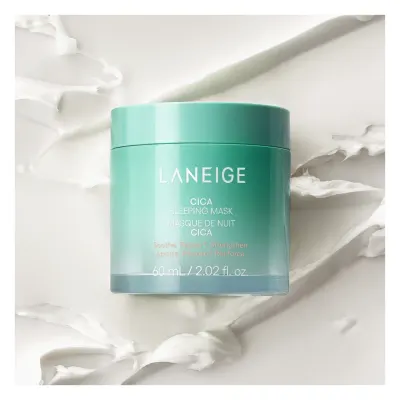
Laneige Cica Sleeping Mask with Centella Asiatica for Moisture Barrier Support
Centella asiatica, madecassoside, panthenol, squalane, niacinamide · normal, dry, combination, sensitive skin · scent-free label
AmazonBrand lists it for sensitive skin
Perricone MD High Potency Triple Retinol Renewal Serum
Triple retinol blend, coenzyme Q10, and beta-carotene · oily, dry, combination, sensitive, normal skin · scent-free label
AmazonBrand lists it for oily skin
Dermalogica biolumin-c vitamin c gel moisturizer
Vitamin C complex, squalane, five types of hyaluronic acid, Verbascum thapsus flower extract, phytic acid and pumpkin enzymes · oily, dry, combination, sensitive, normal skin · scented
Amazon

All 40 products with Lactobacillus Ferment
Daily Moisturizers & Water Gel Creams (8)
 Dermalogica biolumin-c vitamin c gel moisturizerAmazon
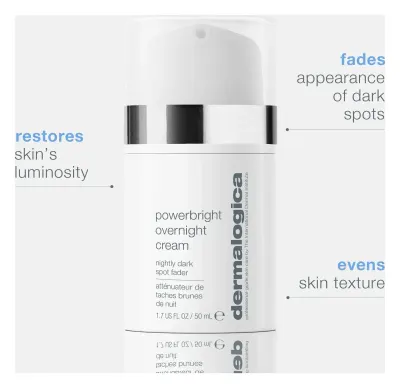 Dermalogica powerbright overnight creamAmazon
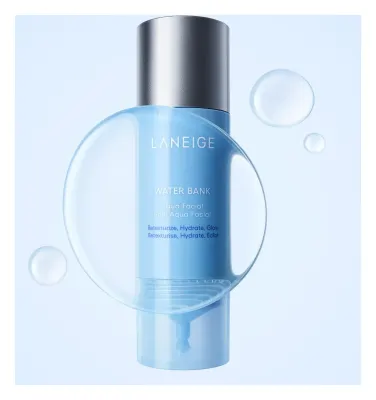
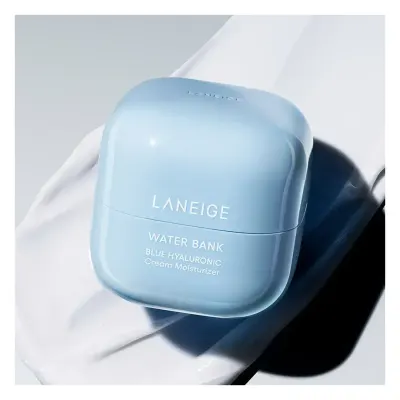 Laneige Water Bank Blue Hyaluronic Cream MoisturizerAmazon
 Dermablend Prebiotic Daily MoisturizerAmazon
 Elemis Pro-Collagen Morning MatrixAmazon
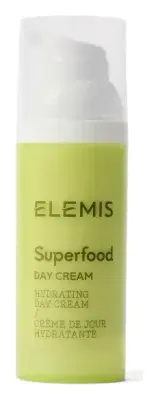 Elemis Superfood Day CreamAmazon
 Elemis Superfood Glow Priming MoisturiserAmazon
 Elemis ULTRA SMART Pro-Collagen Night GeniusAmazon
Eye Creams & Under-Eye Patches (6)
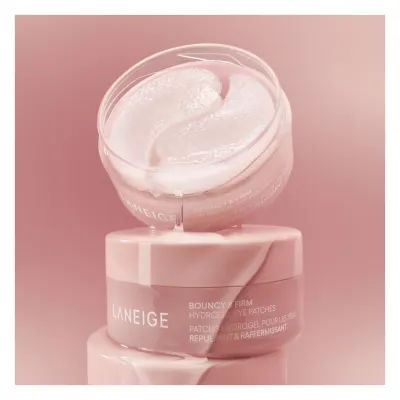 Laneige Bouncy & Firm Hydrogel Eye PatchesAmazon
 Dermalogica phyto nature lifting eye creamAmazon
 COSRX 5 PDRN Collagen Vitalizing Hydrogel Eye PatchAmazon
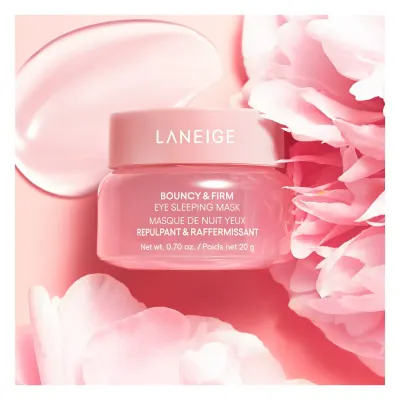 Laneige Bouncy & Firm Eye Sleeping MaskAmazon
 Perricone MD Neuropeptide Corrective Brightening Under-Eye CreamAmazon
 Elemis Pro-Collagen Future Restore Eye SerumAmazon
Hydrating Serums, Essences & Ampoules (5)
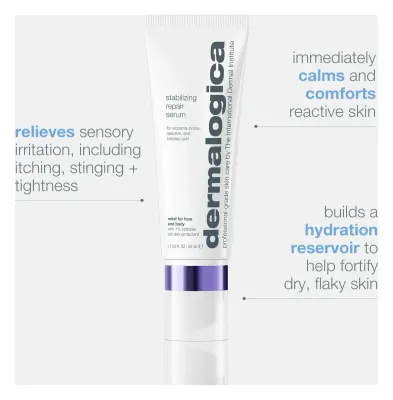

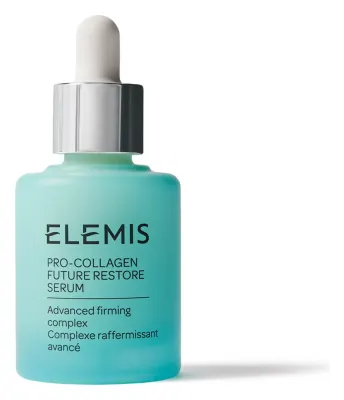
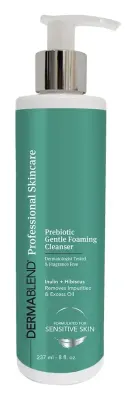
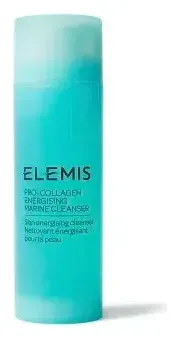
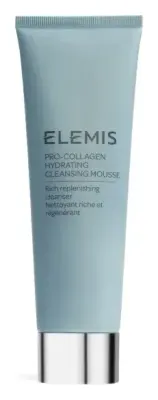
Gel, Foam & Cream Facial Cleansers (4)
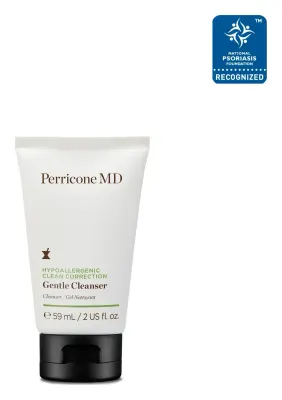
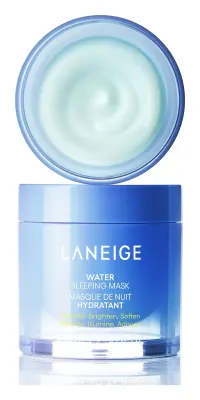
Premium Overnight Recovery Packs & Sleeping Facials (3)

Hydrating Toners, Essence Waters & Face Mists (3)
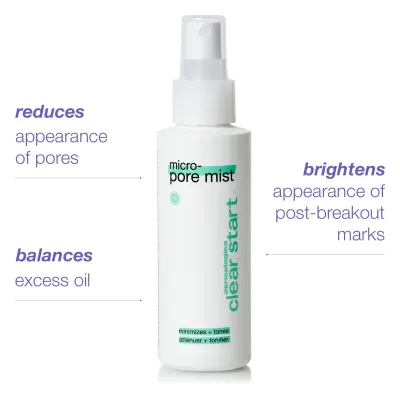
Skin Barrier Repair Creams & Recovery Jars (2)
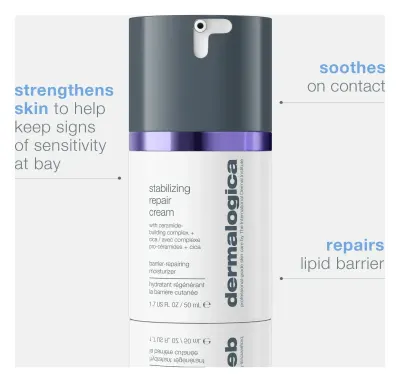
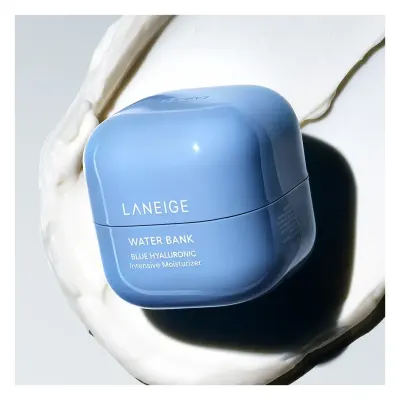
Body Creams, Butters & Body Oils (2)

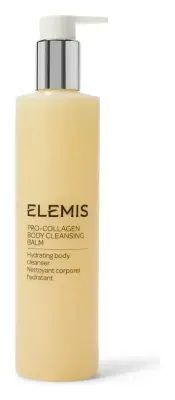
Sheet, Hydrogel & Clay Masks (2)

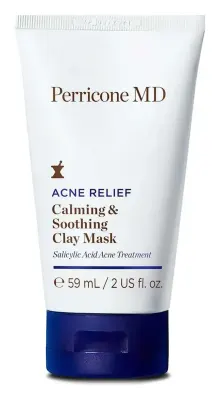
Anti-Aging & Retinoid Serums (1)
Premium Double-Cleansing Balms & Melting Gels (1)
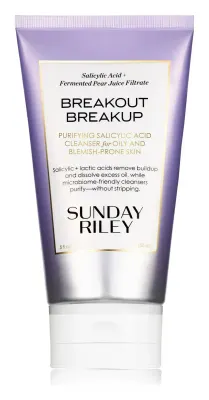
Dermatological Acne & Chemical Exfoliating Liquids (1)
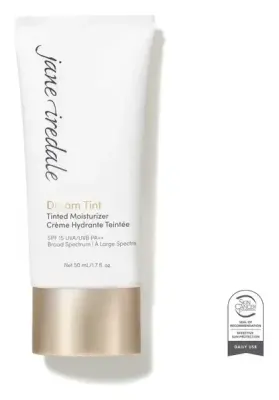
Daily Sunscreens & SPF Moisturizers (1)
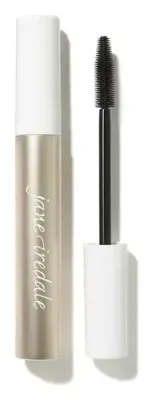
Eye Shadows, Liners, Mascara & Brow Makeup (1)
Common questions
What is Lactobacillus ferment in skincare?
It is a cosmetic ingredient made through fermentation involving Lactobacillus bacteria. The exact material depends on how the ferment is processed and what the manufacturer uses as its starting mixture.
Is Lactobacillus ferment a probiotic?
Not in the everyday sense of a product containing live probiotic bacteria. Cosmetic ferments and lysates are processed ingredients, and the label name alone does not show that living cultures are present or that the product changes your skin microbiome.
What is the difference between Lactobacillus ferment and lysate?
A ferment is a material produced during fermentation, while a lysate is made from broken-down microbial cells. The names indicate related but not identical processing, and the full composition depends on the supplier.
Can Lactobacillus ferment irritate skin?
Any finished product can bother some people, and fermentation ingredients vary. If you have sensitive skin, patch-test the product and stop using it if it causes persistent discomfort.