Mannitol
What mannitol does as a cosmetic humectant, how it differs from table sugar, and why it appears in skin-care formulas.
Extremely safeIn 27 products we cover
We may earn a commission when you buy through links on this page. It never changes what we recommend.
Quick facts
- INCI name
- Mannitol
- CAS number
- 69-65-8
- Origin
- Plant-derived or Synthetic
- Chemical class
- Sugar alcohol (polyol)
- What it does in a formula
- humectant, skin conditioning
- Why it is in the formula
- Usually used as a water-binding and skin-conditioning helper in creams, gels, and serums.
What it is
Despite containing the words sugar and alcohol, mannitol is a polyol (sugar alcohol) that functions as a water-binding and skin-conditioning ingredient rather than table sugar or intoxicating alcohol. It occurs naturally in several plants and can also be produced through chemical synthesis. In cosmetic formulations, it serves as a practical humectant to support moisture retention.
You may find mannitol in moisturizers, gels, and other products that contain water. It is not usually the featured active. Its role is modest and depends on the formula around it, including other humectants and the product’s texture. A label does not reveal the ingredient’s exact amount or source.
What it does
- Supports a moisturized feel. Mannitol is used as a humectant in cosmetic formulas.
- Conditions skin. It can help contribute to a soft, comfortable finish.
- Helps shape the formula. It is one of several small supporting ingredients that work together in a product.
Who it suits
Mannitol can appear in products intended for a range of skin types. Its presence alone does not make a formula particularly rich, oily, or lightweight. If you are choosing a product for dry skin, consider the full blend of humectants and emollients and whether the finished texture is comfortable for you.
A product may contain many ingredients, so the name mannitol cannot predict how your skin will respond to the whole formula. If you have a known sensitivity, review the complete label and patch-test a new product. Stop using a product that causes persistent irritation and speak with a dermatologist if reactions recur.
The word alcohol in sugar alcohol describes its chemical family and does not mean the ingredient behaves like rubbing alcohol or a drying alcohol in a cosmetic. You will not be able to tell from mannitol alone how much moisture a finished product provides. Its contribution is part of the whole blend.
What to pair it with, and what not to
Mannitol can be used in the same routine as other moisturizers and common actives. It may be formulated with humectants such as glycerin or betaine, but it does not need a special companion. Let the overall product texture guide your choice.
Skin Realist check: Mannitol has a very practical job and no need for a candy-themed origin story. The ingredient list can stay sweetly literal.
Quick picks with Mannitol
Scent-free, no patch-test flags on the label
Laneige Balance Mode Shine Control Weightless Moisturizer
Rice bran water, niacinamide, squalane, madecassoside, and rice ferment · oily, combination, sensitive, normal skin · scent-free label
AmazonBrand lists it for sensitive skin
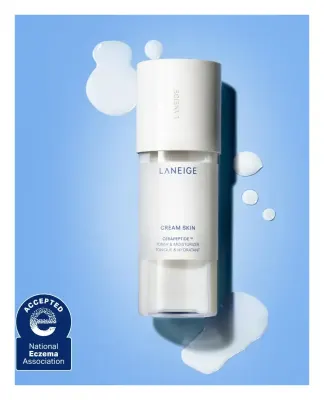
Laneige Cream Skin Milky Toner with Ceramides & Peptides for Nourishing Hydration
Ceramide and peptide complex; White Leaf Tea · oily, dry, combination, sensitive, normal skin · scent-free label
AmazonBrand lists it for oily skin
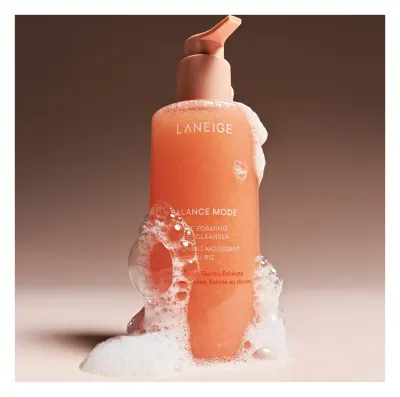
Laneige Balance Mode Rice Foaming Deep Cleanser
Rice-inamide Complex, rice powder, glycolic acid, and ceramide · combination, oily, normal, sensitive skin · scent-free label
Amazon
All 27 products with Mannitol
Daily Moisturizers & Water Gel Creams (8)
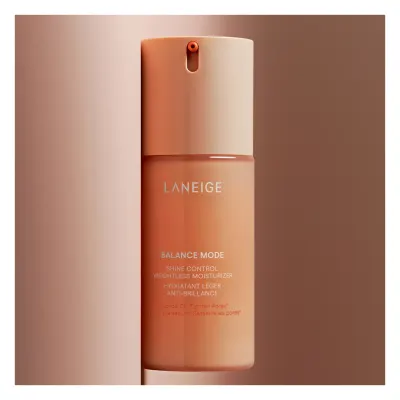 Laneige Balance Mode Shine Control Weightless MoisturizerAmazon
 Sulwhasoo Concentrated Ginseng Rejuvenating CreamAmazon
 Elemis Pro-Collagen Night CreamAmazon
 Dermalogica biolumin-c vitamin c gel moisturizerAmazon
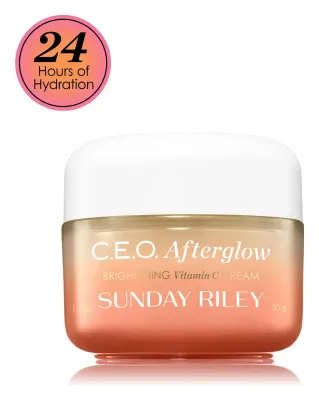 Sunday Riley C.E.O. Afterglow Brightening Vitamin C Gel CreamAmazon
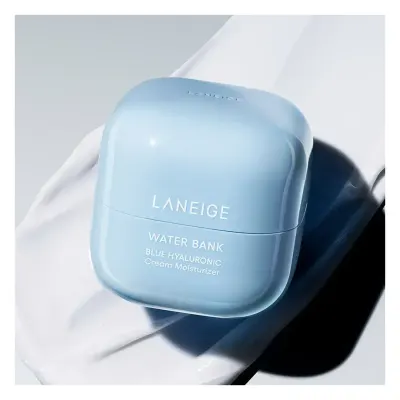 Laneige Water Bank Blue Hyaluronic Cream MoisturizerAmazon
 Sulwhasoo Concentrated Ginseng Rejuvenating Cream RichAmazon
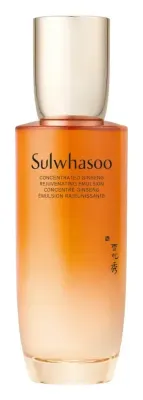 Sulwhasoo Concentrated Ginseng Rejuvenating EmulsionAmazon
Hydrating Toners, Essence Waters & Face Mists (3)
Targeted Vitamin C & Brightening Correctors (3)
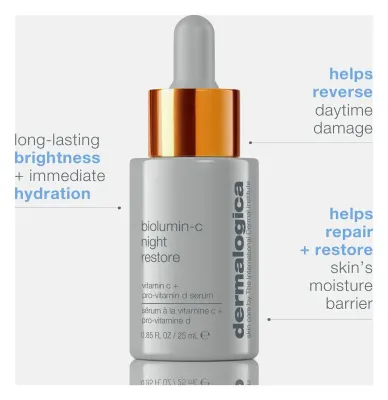
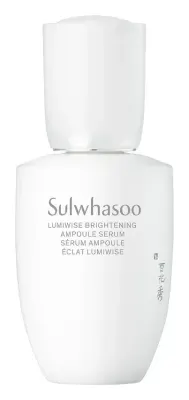

Premium Overnight Recovery Packs & Sleeping Facials (2)


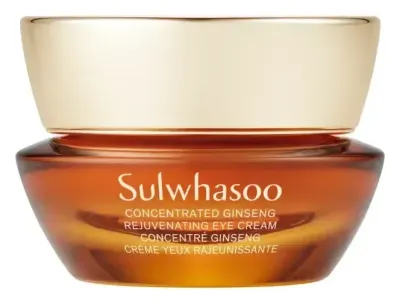
Eye Creams & Under-Eye Patches (2)

Anti-Aging & Retinoid Serums (2)


Gel, Foam & Cream Facial Cleansers (2)

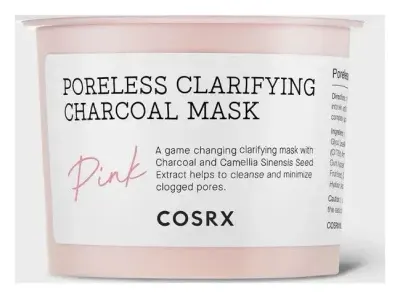
Sheet, Hydrogel & Clay Masks (2)

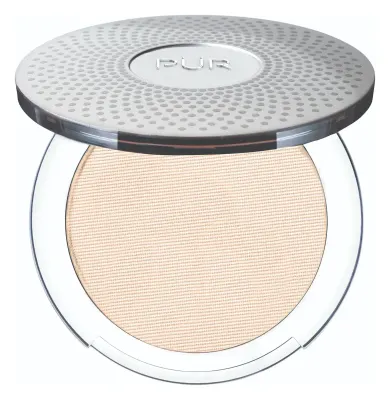
Mineral Pressed Powders & Skin-Nourishing Primers (1)
Full-Coverage Camouflage & Liquid Foundations (1)
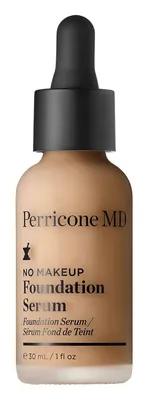
Hydrating Serums, Essences & Ampoules (1)

Common questions
What does mannitol do in skincare?
Mannitol is a sugar alcohol used as a humectant and skin-conditioning ingredient. It can support a moisturized feel in a finished product.
Is mannitol the same as table sugar?
No. Mannitol is a polyol, or sugar alcohol, with a different chemical structure from ordinary table sugar. The shared association with sugars does not make them interchangeable ingredients.
Is mannitol natural?
Mannitol occurs in nature and can also be made through manufacturing. The ingredient name alone does not tell you which source was used in a cosmetic.
Why is mannitol in my moisturizer?
It may be included to help condition skin and support the formula's water-binding feel. It is a supporting ingredient, so the other ingredients and texture matter too.