Menthol
What menthol does in skincare and lip products, why its cooling feel is not proof a product is working, and who may avoid it.
Patch-test firstIn 20 products we cover
We may earn a commission when you buy through links on this page. It never changes what we recommend.
What it is
Menthol is a compound associated with mint that creates a cooling sensation when used in some topical formulas. It appears in skincare, body products, and lip products. A related ingredient name such as menthyl may also appear in a cosmetic ingredient list, so checking for the root name can be useful when reviewing a label.
That cool feeling is a sensory effect. It does not mean an ingredient is repairing skin or that a product is working better. Menthol can feel refreshing to some people, but the sensation may be uncomfortable for others, particularly when skin or lips already feel sensitive.
What it does
- Creates a cooling feel. Menthol can produce a noticeable cool or tingling sensation.
- Adds a sensory quality. It may be included in a product to make it feel refreshing.
- Can bother some skin. The same sensation that one person likes may feel irritating or too strong to someone else.
Who it suits
If you like cooling products and have not noticed a problem with menthol, it may fit your preferences. If your skin is sensitive or easily irritated, you may want to compare the ingredient list with a product that does not contain menthol. People with a known sensitivity can avoid products that list menthol or relevant menthyl ingredients.
This is especially worth considering in lip products. Dry or uncomfortable lips may react to ingredients that create a cooling tingle, and that feeling is not a sign that the product is helping. If a balm stings, burns, or seems to make your lips feel worse, stop using it and choose a simple formula you already tolerate. The dry, chapped lips guide covers ways to keep lip care gentle while you simplify your routine.
What to pair it with, and what not to
Menthol does not need to be paired with a particular skincare ingredient. Do not treat its cool sensation as a reason to add stronger actives or apply more product. If you are introducing a menthol-containing product, use it according to the label and do not combine it with multiple new products at the same time. If your skin or lips feel uncomfortable, stop using the product rather than trying to cover the sensation with another formula. For lip care, keep the routine simple and avoid rubbing or scrubbing already irritated lips.
Skin Realist check: A cooling tingle is a sensation, not a report card. If a product feels uncomfortable, you can stop without waiting for it to prove a point.
How it appears on labels: Menthol; Menthyl Lactate; Menthyl Nicotinate
Quick picks with Menthol
Brand lists it for sensitive skin
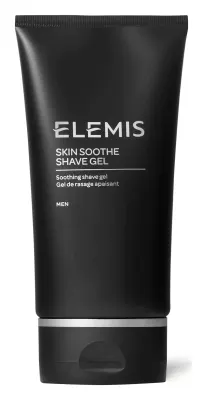
Elemis Skin Soothe Shave Gel
Aloe vera, witch hazel, jojoba esters, arnica, chamomile, and menthol · sensitive skin · scented
AmazonBrand lists it for oily skin
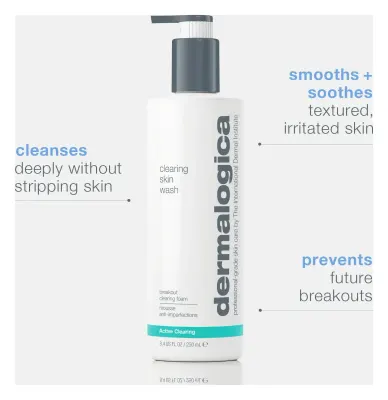
Dermalogica acne clearing skin wash
Salicylic acid, niacinamide, menthol, camphor, and eucalyptus extract · normal, combination, oily skin · scent-free label
AmazonBrand lists it for dry skin
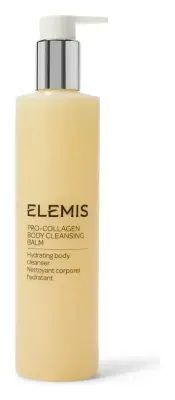
Elemis Pro-Collagen Body Cleansing Balm
Collagen amino acids, Padina pavonica, borago seed oil, camelina seed oil, echium seed oil · combination, dry, normal, oily skin · scented
Amazon
All 20 products with Menthol
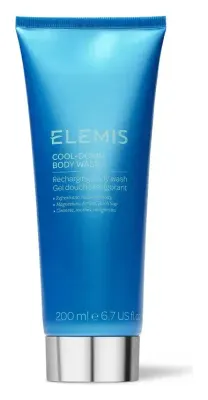
Body Creams, Butters & Body Oils (6)
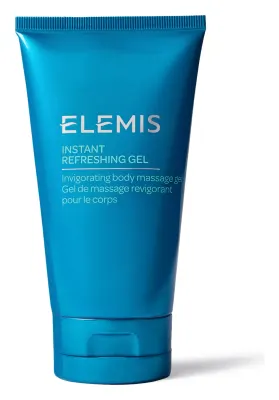
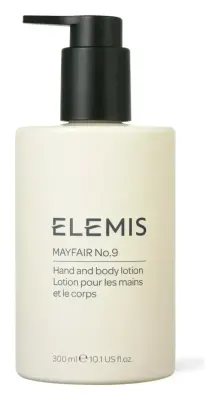
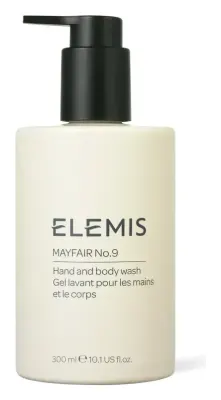
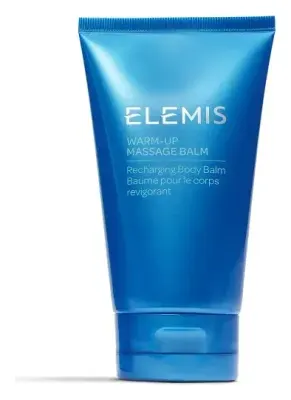
Daily Moisturizers & Water Gel Creams (3)
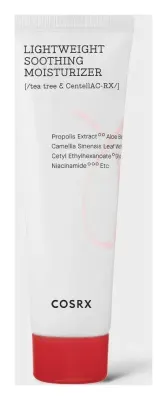

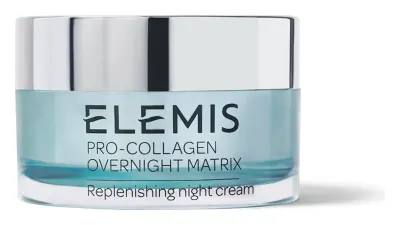
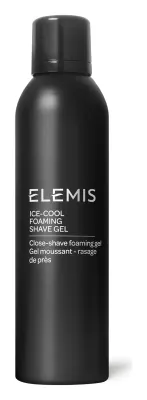
Shaving Creams, Gels & Oils (2)
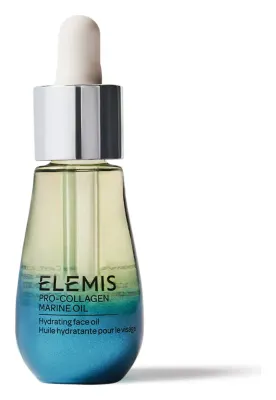
Face Oils & Treatment Oils (2)
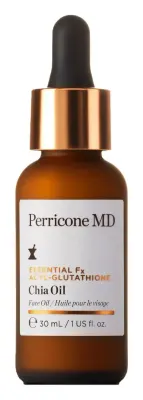
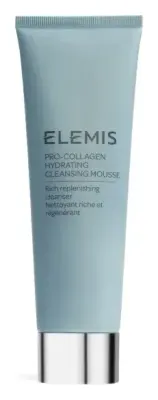
Gel, Foam & Cream Facial Cleansers (2)
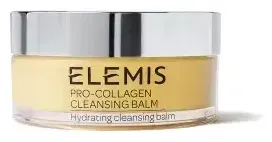
Premium Double-Cleansing Balms & Melting Gels (1)
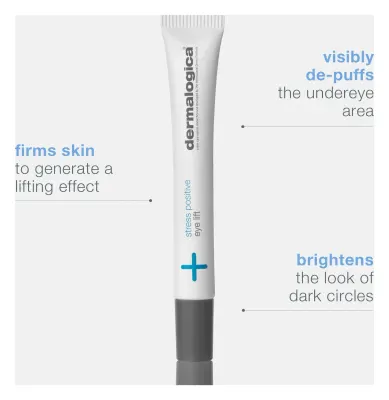
Eye Creams & Under-Eye Patches (1)
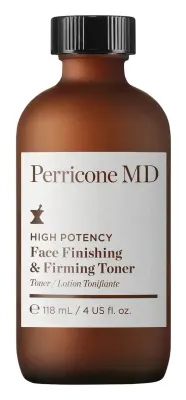
Dermatological Acne & Chemical Exfoliating Liquids (1)
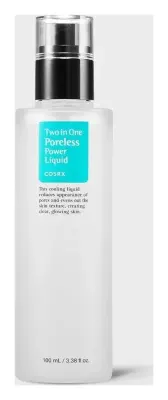
Hydrating Toners, Essence Waters & Face Mists (1)
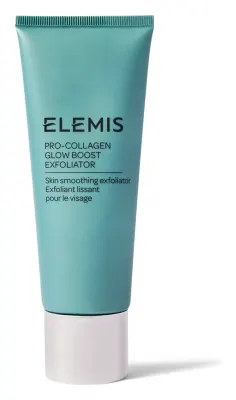
Physical & Enzyme Face Exfoliants (1)
Common questions
What does menthol do in skincare?
Menthol is a cooling ingredient that can create a cool or tingling sensation on the skin. It is used in some topical products, including lip products, for that sensory effect.
Does a cooling sensation mean menthol is working?
No. The cool feeling is a sensory effect and does not show that a product is improving the skin. A strong tingle or discomfort is not something you need to push through.
Who might want to avoid menthol?
People with sensitive or easily irritated skin, or a known sensitivity to menthol, may prefer a formula without it. If you are checking a lip product, look for menthol and related ingredient names such as menthyl.
Can menthol irritate lips?
It can feel irritating for some people, particularly when lips are already dry or uncomfortable. If a lip product stings or seems to worsen irritation, stop using it and choose a simpler product you tolerate.