Phytosphingosine
What phytosphingosine is, why it is used as a skin-conditioning lipid, and how it fits into barrier-focused formulas.
Extremely safeIn 12 products we cover
We may earn a commission when you buy through links on this page. It never changes what we recommend.
Quick facts
- INCI name
- Phytosphingosine
- CAS number
- 554-62-1
- Origin
- Synthetic or Biotech (fermentation)
- Chemical class
- Sphingoid base (skin lipid)
- What it does in a formula
- skin conditioning, emollient
- Why it is in the formula
- Usually included in small amounts as a skin-conditioning lipid in moisturizers and barrier-focused formulas.
What it is
Despite the prefix phyto, phytosphingosine is not a simple plant extract but a specialized sphingoid lipid base chemically related to natural skin barrier components. Formulators add it to leave-on creams and serums as a conditioning agent. Cosmetic grades are typically synthesized or produced by fermentation, with ingredient labels omitting the specific manufacturing pathway.
You may encounter it in products described as moisturizing or barrier focused, sometimes alongside ceramides and other lipids. It is a supporting ingredient, not the reason to buy a product. Avoid treating its presence as proof that a formula will repair a skin condition or suit every person.
What it does
- Conditions skin. Phytosphingosine is used to support a soft, comfortable skin feel.
- Contributes lipid support. It can be part of a formula that includes other skin-conditioning lipids.
- Supports the overall formula. The finished product’s texture and performance depend on its full ingredient blend.
Who it suits
Phytosphingosine may be found in moisturizers intended for dry or easily unsettled skin, but the ingredient alone does not establish suitability. Look at the full formula and choose a texture you enjoy. If you have a known sensitivity or a history of reactions, patch-test first and introduce one new product at a time.
A barrier-focused label is not a medical promise. If you have persistent irritation or a skin condition, speak with a dermatologist. Stop using a product if it repeatedly causes discomfort, and consider its entire ingredient list instead of assuming one ingredient is responsible.
Do not confuse phytosphingosine with a complete barrier-repair system. A moisturizer’s overall blend, packaging, and how it fits your routine all shape its feel. It can be included at a small level alongside other lipids without being the ingredient that determines the product’s entire performance.
What to pair it with, and what not to
Phytosphingosine can appear with ceramides and moisturizing humectants such as glycerin. It can fit alongside common actives, including retinol, but it does not cancel out irritation. Follow each product’s directions and keep your routine simple if your skin is reactive.
Skin Realist check: Barrier support sounds less glamorous than a complicated routine, which is one reason it tends to be useful. Let the moisturizer do its quiet work.
Quick picks with Phytosphingosine
Scent-free, no patch-test flags on the label
COSRX The Ceramide Skin Barrier Moisturizer
scent-free label
AmazonFeatured in our guides
Sulwhasoo Concentrated Ginseng Rejuvenating Serum
scented
Amazon


All 12 products with Phytosphingosine
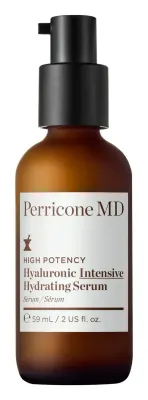
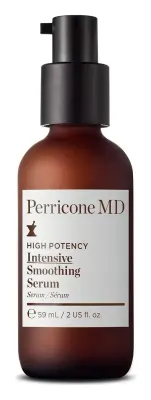
Hydrating Serums, Essences & Ampoules (3)

Sheet, Hydrogel & Clay Masks (2)


Hydrating Toners, Essence Waters & Face Mists (2)
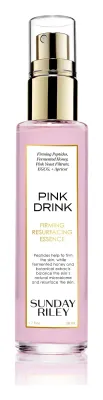

Anti-Aging & Retinoid Serums (1)
Skin Barrier Repair Creams & Recovery Jars (1)
Daily Moisturizers & Water Gel Creams (1)

Dermatological Acne & Chemical Exfoliating Liquids (1)

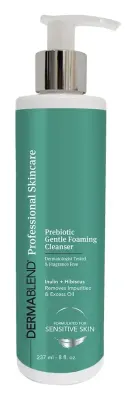
Gel, Foam & Cream Facial Cleansers (1)
Common questions
What does phytosphingosine do in skin care?
Phytosphingosine is a lipid-related skin-conditioning ingredient used in some moisturizers. It may support the formula's barrier-focused positioning, but the complete product determines the result.
Is phytosphingosine naturally found in skin?
Phytosphingosine is a type of sphingoid lipid associated with the skin. Cosmetic material is manufactured for use in formulas, and the label does not identify its production route.
Is phytosphingosine the same as ceramides?
No. They are related lipid components but are not interchangeable ingredient names. A product may combine phytosphingosine with ceramides and other moisturizing ingredients.
Can you use phytosphingosine with retinol?
There is no common reason to avoid using a moisturizer containing phytosphingosine alongside retinol. Retinol can still be irritating, so follow its directions and introduce it gradually.