Polyquaternium-51
What polyquaternium-51 does as a moisture-holding film former in serums and creams, how it is made, and what the safety review found.
No specific flag recordedIn 18 products we cover
We may earn a commission when you buy through links on this page. It never changes what we recommend.
Quick facts
- INCI name
- Polyquaternium-51
- Origin
- Synthetic
- Chemical class
- Phosphorylcholine copolymer (film-forming polymer)
- What it does in a formula
- film forming, skin conditioning, humectant
- Why it is in the formula
- Forms a light film that helps hold water at the skin's surface and gives a smooth, moisturized feel.
- Regulatory notes
- The Cosmetic Ingredient Review panel (2022) concluded polyquaternium-51 is safe in the present practices of use and concentration.
What is Polyquaternium-51?
Polyquaternium-51 is a lab-made polymer built from two pieces: 2-methacryloyloxyethyl phosphorylcholine, often shortened to MPC, and n-propyl methacrylate. The phosphorylcholine part is the same chemical group that forms the water-loving head of many phospholipids, the fats that make up cell membranes.
“Polyquaternium” is a broad label for many unrelated charged polymers, so the name doesn’t tell you much on its own. You’ll find this one mostly in serums, moisturizers, eye creams and some makeup, usually near the end of the ingredient list.
What does Polyquaternium-51 do?
- Forms a film. It leaves a thin, flexible layer on skin that helps the product feel smooth and cushioned.
- Holds water. The safety review lists it as a humectant, so it helps keep moisture at the skin’s surface.
- Conditions skin. Together, the film and water-holding give a soft, moisturized feel.
Its water-loving design has been studied for its effect on the skin’s outer layer, but the amount in a finished product and the rest of the formula decide what you’ll notice. Treat it as a hydration helper.
Who is Polyquaternium-51 for?
It suits most skin types, especially if you like a lightweight serum that leaves skin feeling moisturized without oil. The 2022 safety review found no irritation or sensitization in human patch tests of products containing it, and concluded it isn’t likely to penetrate the skin.
As with any product, stop using one that stings or leaves you red, and look at the whole formula when you work out what bothered you. It’s a hydration helper, so it doesn’t need the slow introduction that exfoliating acids or retinoids do.
What to pair Polyquaternium-51 with, and what to avoid
It often appears with other humectants such as glycerin and hyaluronic acid, and fits easily into a layered hydration routine. There’s nothing you need to avoid with it.
Quick picks with Polyquaternium-51
Best pick with no fragrance listed
No scent or sensitivity flags recorded in our glossary
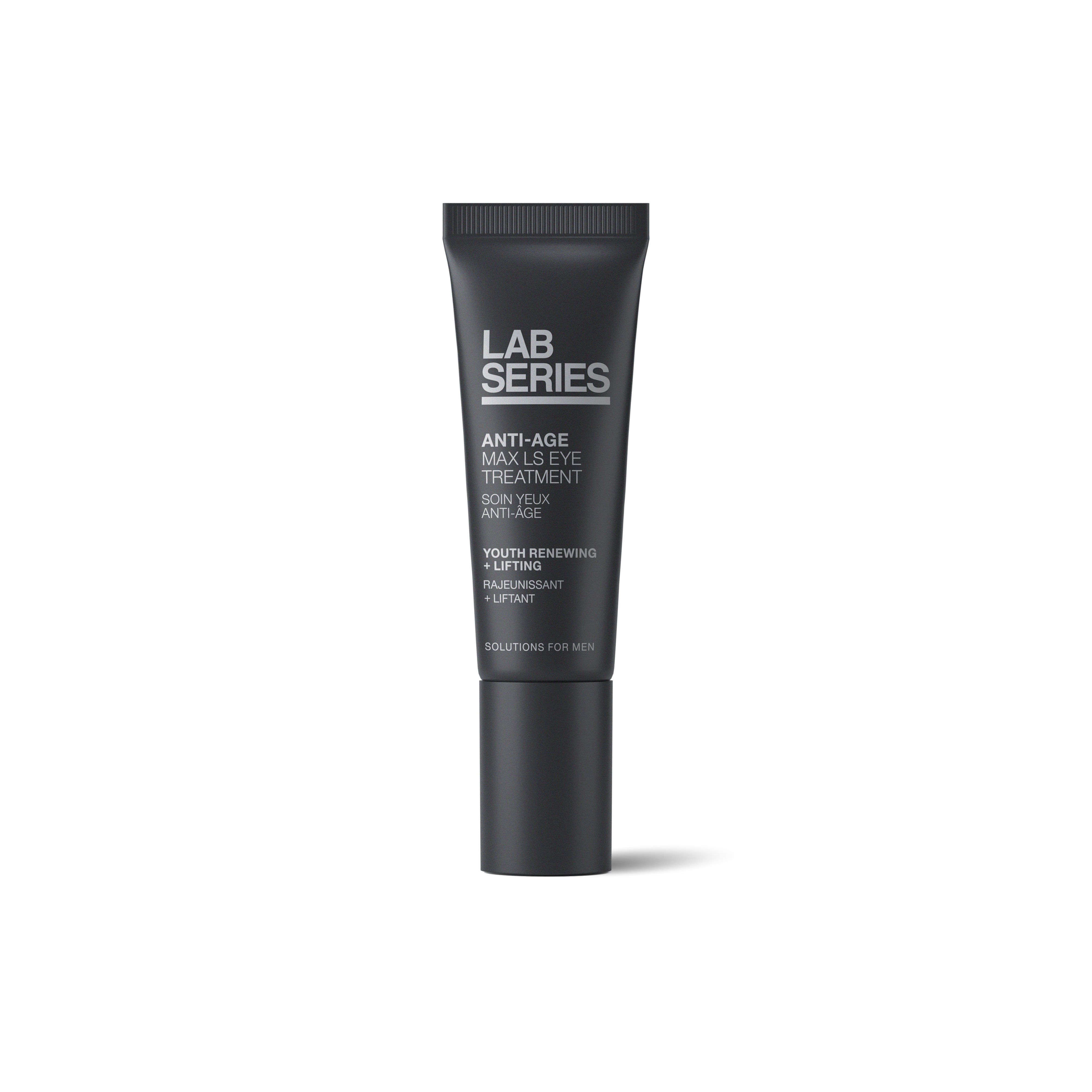
Lab Series Anti-Age Max LS Eye Treatment Gel-Cream
Palmitoyl tetrapeptide-7, acetyl hexapeptide-8, hydrolyzed rice extract, sodium hyaluronate · oily, dry, combination, sensitive, normal skin · no scent flags recorded
Best for sensitive skin
Brand lists it for sensitive skin
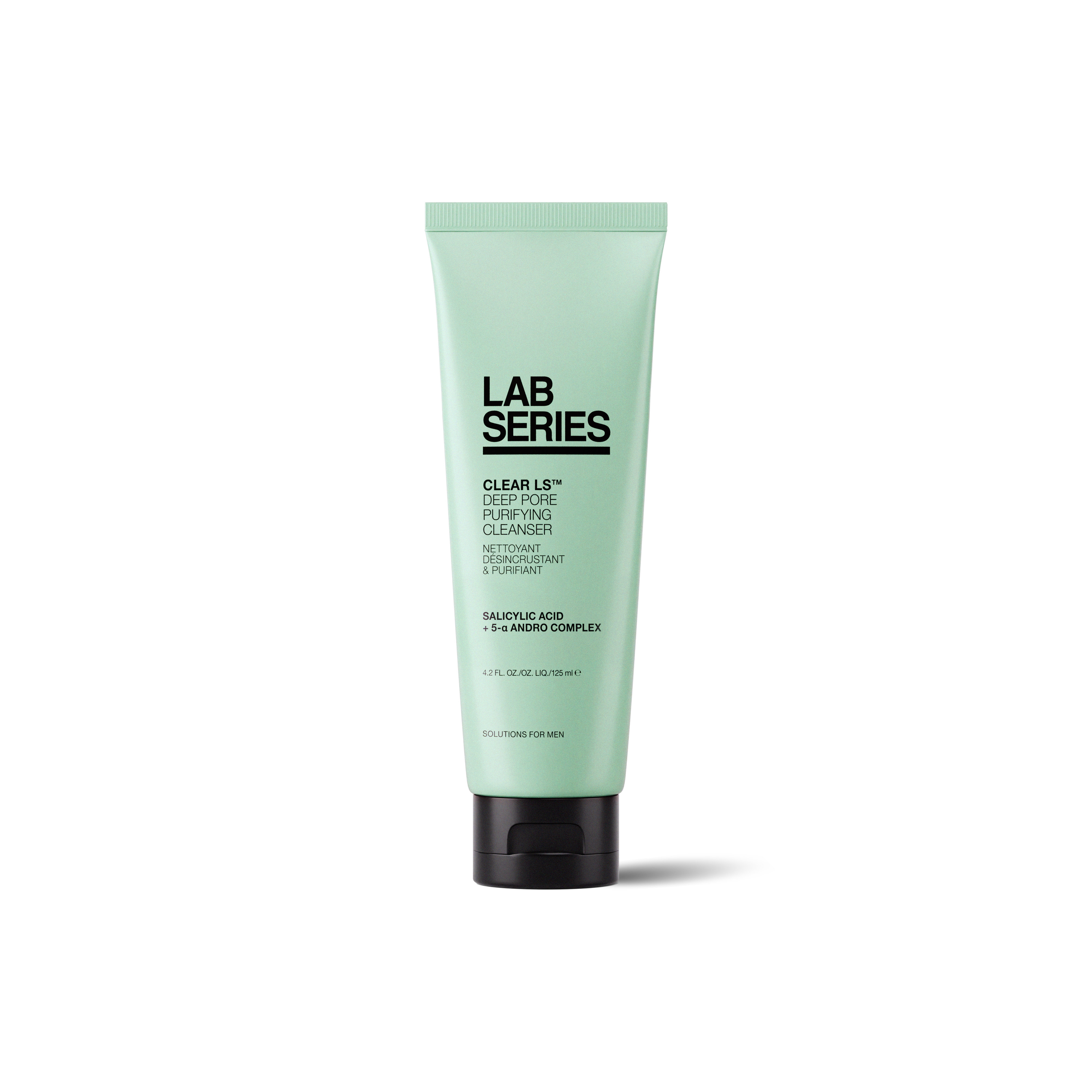
Lab Series Clear LS Deep Pore Purifying Gel Face Wash
Salicylic acid, 5-α Andro Complex, acetyl glucosamine · oily, sensitive skin · scent ingredients flagged
Best for oily skin
Brand lists it for oily skin
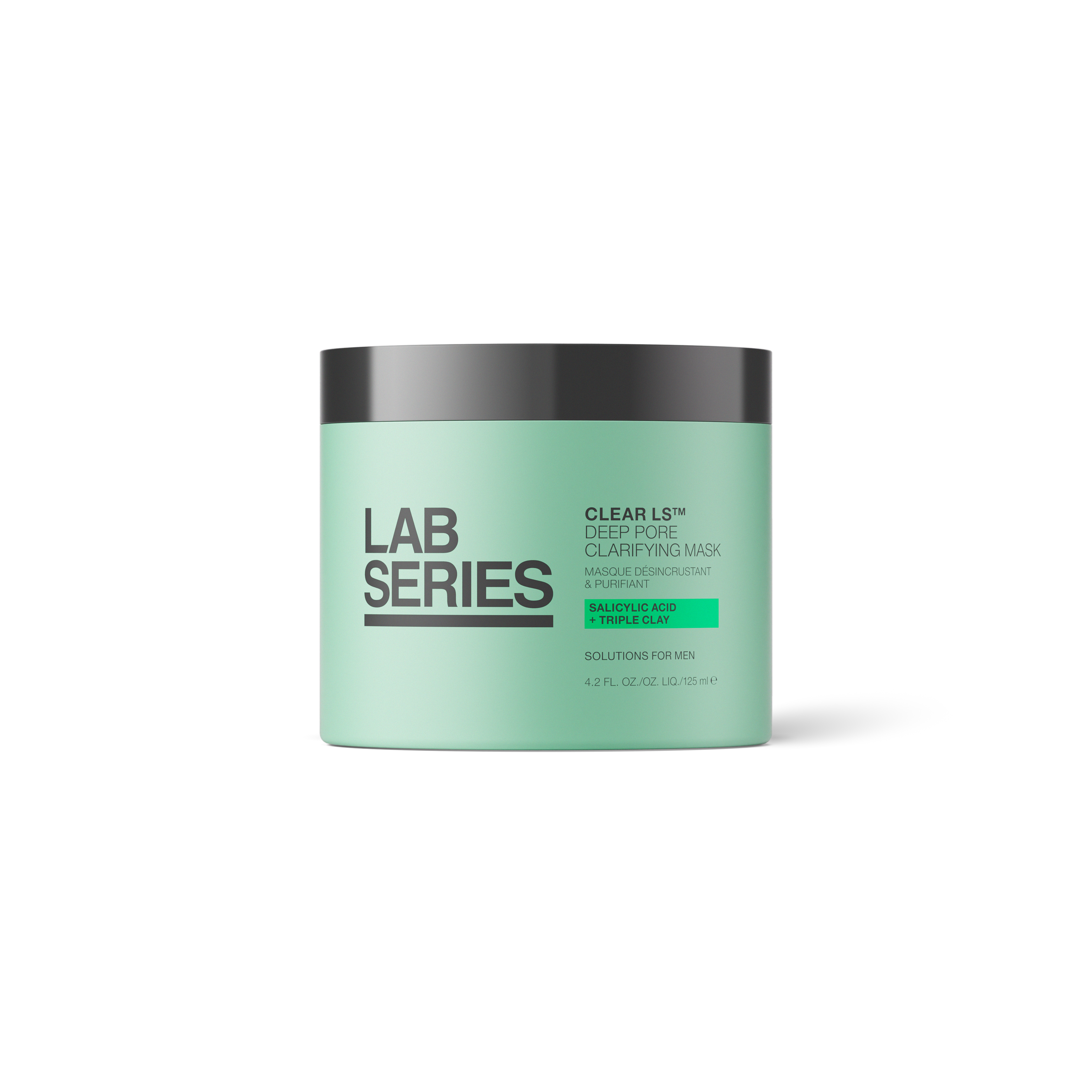
Lab Series Clear LS Deep Pore Clarifying Clay Mask
Three clays, salicylic acid · combination, normal, oily skin · scent ingredients flagged
All 18 products with Polyquaternium-51
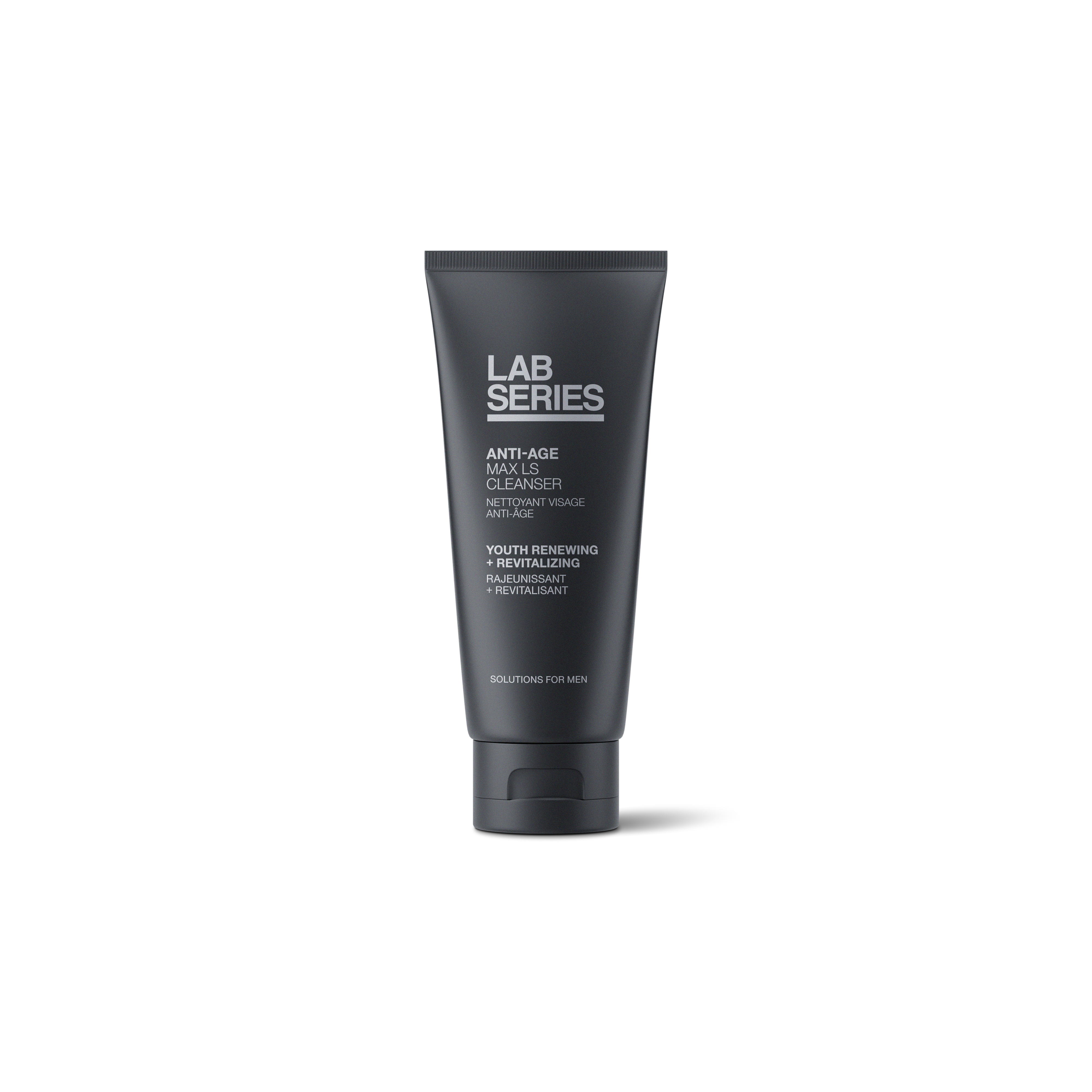
Gel, Foam & Cream Facial Cleansers (3)
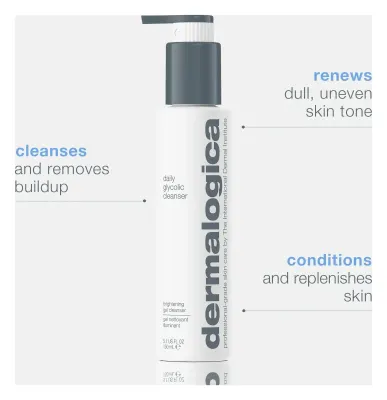
Daily Moisturizers & Water Gel Creams (2)
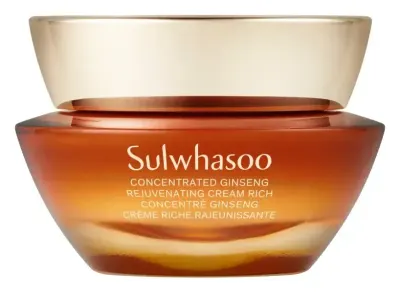
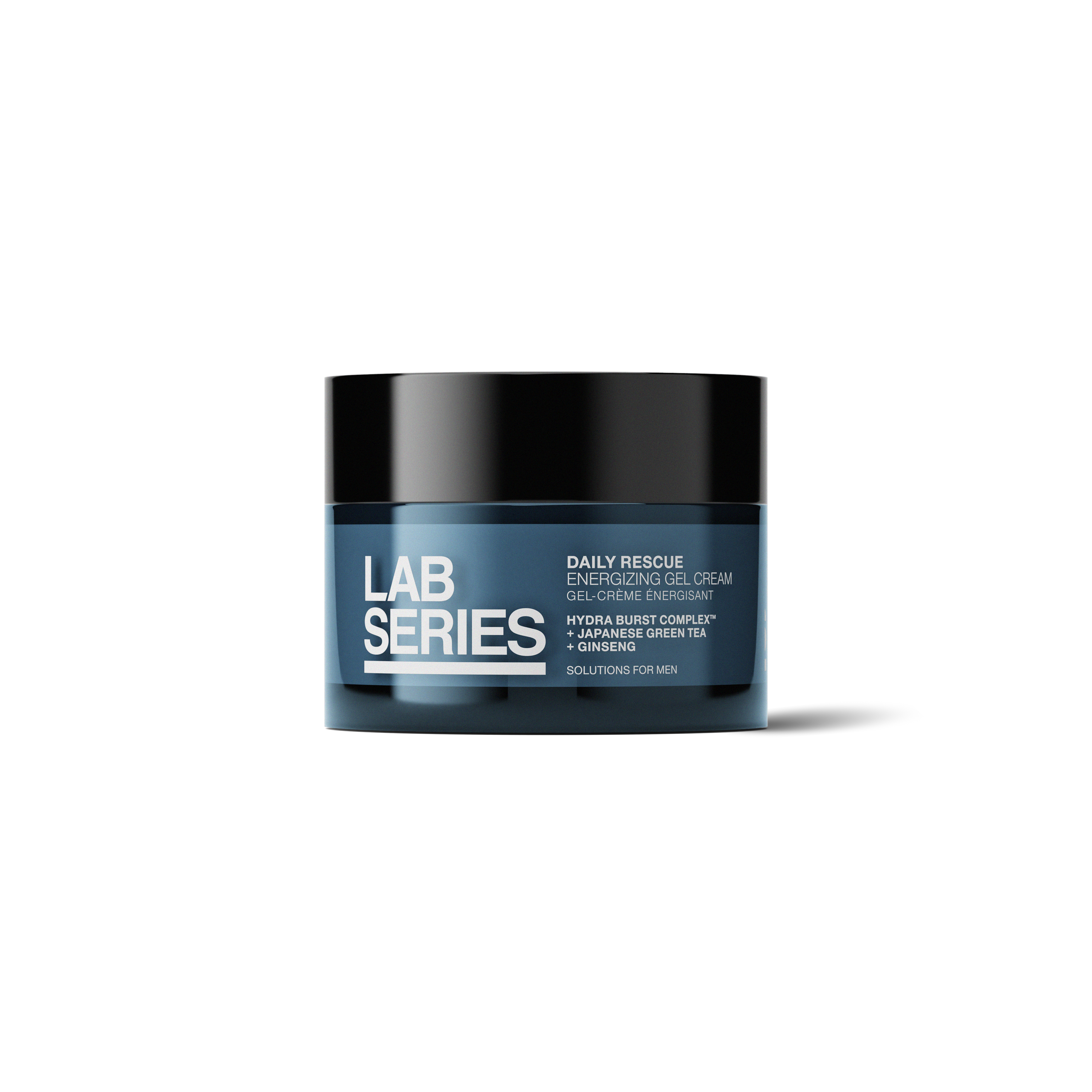
Daily Sunscreens & SPF Moisturizers (1)
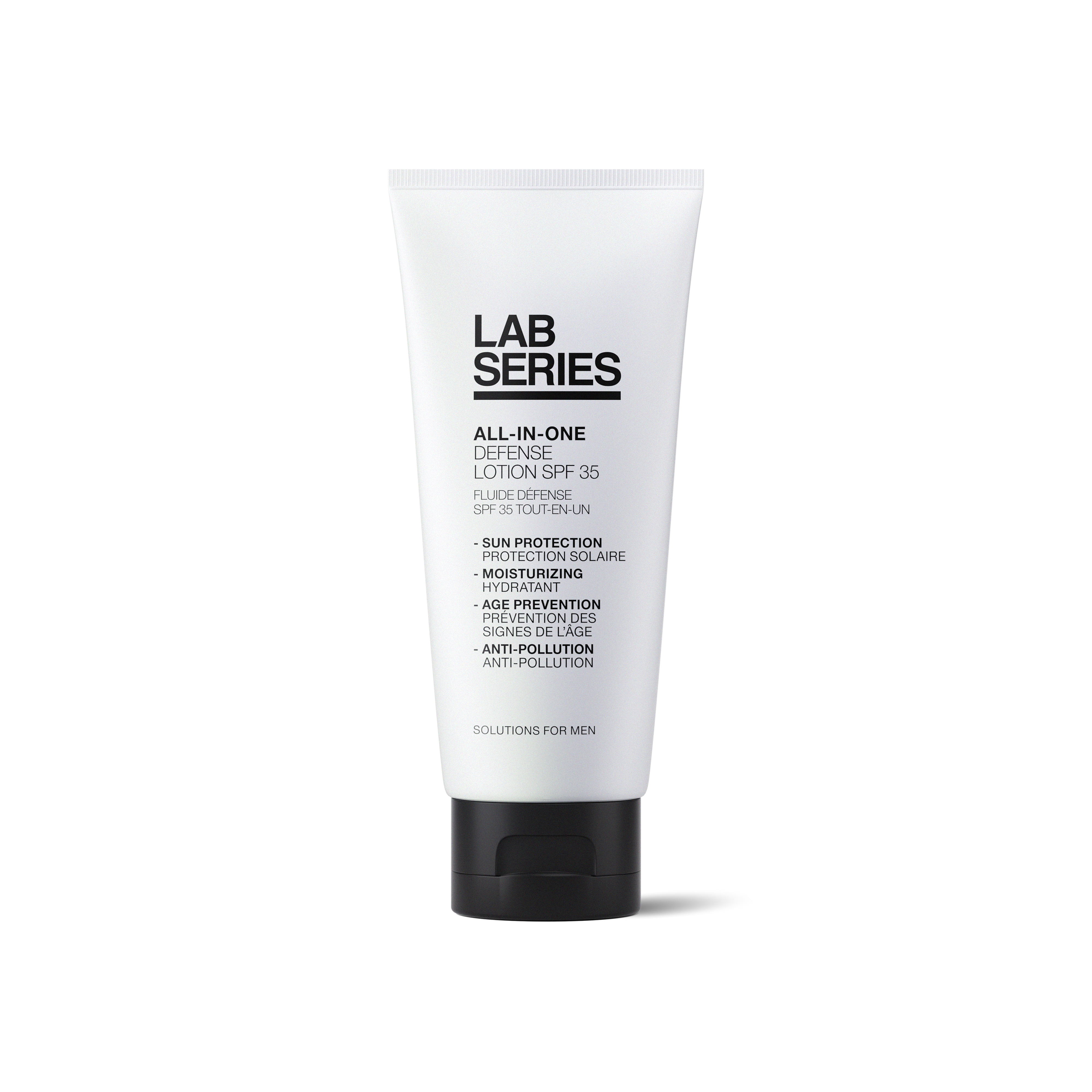
Eye Creams & Under-Eye Patches (1)
Sheet, Hydrogel & Clay Masks (1)
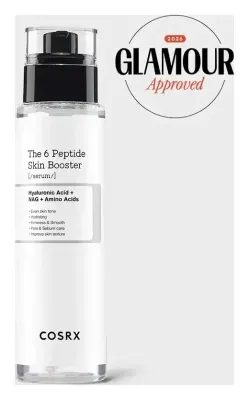
Hydrating Serums, Essences & Ampoules (1)
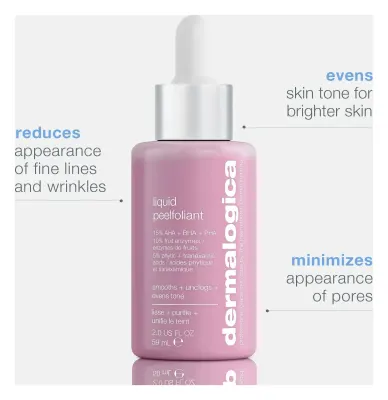
Dermatological Acne & Chemical Exfoliating Liquids (1)
From stores: products with Polyquaternium-51
Sheet, Hydrogel & Clay Masks (5)


Hydrating Serums, Essences & Ampoules (3)


Common questions
What does polyquaternium-51 do in skincare?
It forms a thin, flexible film on skin and is listed as a humectant and skin-conditioning agent. In practice, that means a smoother, more moisturized feel in serums and creams.
Is polyquaternium-51 safe?
A cosmetic safety panel reviewed it in 2022 and concluded it is safe as used in cosmetics. Human patch tests of products containing it showed no irritation or sensitization, and it isn't expected to pass through the skin.
Is polyquaternium-51 the same as other polyquaterniums?
No. Polyquaternium is a family name for many different charged polymers. Some are hair conditioners or thickeners. This one is built around phosphorylcholine and is used mainly for a moisturizing film on skin.