Squalene
What squalene does as a skin lipid and emollient, how its sources vary, and why it is less stable than squalane.
Extremely safeIn 8 products we cover
We may earn a commission when you buy through links on this page. It never changes what we recommend.
Quick facts
- INCI name
- Squalene
- CAS number
- 111-02-4
- Origin
- Animal-derived or Plant-derived or Synthetic
- Chemical class
- Unsaturated triterpene hydrocarbon
- What it does in a formula
- skin conditioning, emollient
- Why it is in the formula
- It provides an emollient feel and can help soften the skin, though squalane is more common because it is more oxidation-resistant.
What it is
Occurring naturally in human skin lipids as well as in olives and shark liver, squalene is an unsaturated hydrocarbon lipid used in select cosmetic formulas. Because its multiple carbon-carbon double bonds make it prone to oxidation, it is far less common in modern skincare than its stable, hydrogenated relative squalane. Cosmetic material can be plant-derived or synthetic, and the label does not guarantee a specific source or freshness profile.
What it does
- Softens skin. Squalene acts as an emollient and can leave a smooth, conditioned feel.
- Contributes to the skin-like oil phase. It is a lipid also naturally present in skin, though a topical cosmetic should not be treated as a replacement for the skin’s own lipids.
- Supports formula feel. It can add glide and softness, while its lower stability means formulators must consider oxidation and packaging.
Who it suits
Squalene may appeal to people who enjoy facial oils or emollient creams. The product’s feel depends on how much is used and what else is in the formula. If you dislike a richer or slick finish, a lighter moisturizer may suit your preferences better. Do not treat its natural presence in skin as proof that every squalene product will work the same way for everyone.
Sourcing may matter to shoppers who avoid animal-derived ingredients. Since the name alone often does not reveal whether squalene is plant-, animal-, or synthetically sourced, check product information or ask the manufacturer. The oil is oxidation-prone, so packaging and storage matter; follow the use-after-opening guidance and replace a product that has noticeably changed. Patch-test a new formula if your skin tends to react to oils or botanicals.
What to pair it with, and what not to
Squalene can be used like other emollients, layered with water-based hydrators such as glycerin and sealed in with a moisturizer. Do not confuse it with squalane, its more stable hydrogenated relative. There is no special active it needs to be paired with.
Skin Realist check: A precise ingredient name is helpful, but so is remembering that an oil can change while it waits in a bottle.
How it appears on labels: Squalene; Squalene.
Quick picks with Squalene
Scent-free, no patch-test flags on the label
Perricone MD High Potency Triple Retinol Renewal Serum
Triple retinol blend, coenzyme Q10, and beta-carotene · oily, dry, combination, sensitive, normal skin · scent-free label
AmazonBrand lists it for sensitive skin
Dermalogica powerbright dark spot peel
Glycolic acid, mandelic acid, niacinamide, tranexamic acid, omega-3 algae blend and turmeric butter blend · oily, dry, combination, sensitive, normal skin · scented
AmazonBrand lists it for oily skin
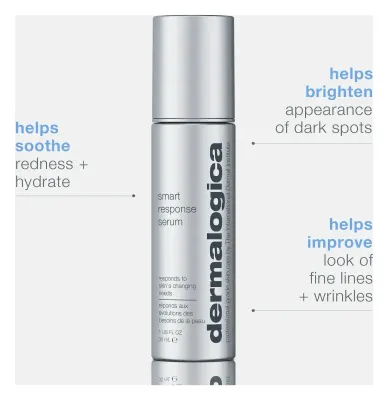
Dermalogica Smart Response Serum
Hydrolyzed beta glucan, hydrolyzed wheat flour, Japanese Cornelia Cherry, mannose-6-phosphate, and lactic acid · oily, dry, combination, sensitive, normal skin · scented
Amazon


All 8 products with Squalene
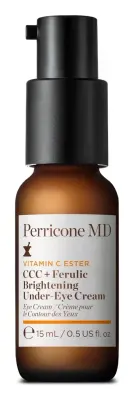
Eye Creams & Under-Eye Patches (2)

Anti-Aging & Retinoid Serums (1)
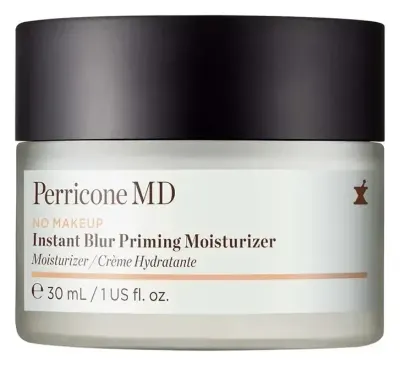
Mineral Pressed Powders & Skin-Nourishing Primers (1)
Targeted Vitamin C & Brightening Correctors (1)
Hydrating Serums, Essences & Ampoules (1)
Daily Moisturizers & Water Gel Creams (1)

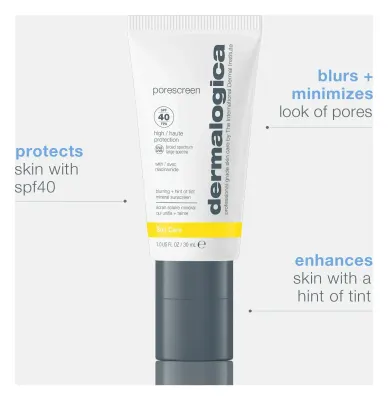
Daily Sunscreens & SPF Moisturizers (1)
Common questions
Is squalene the same as squalane?
No. Squalene is an unsaturated oil naturally found in skin and sourced from plants or animals. Squalane is the hydrogenated, more stable form commonly used in skincare.
What does squalene do in skincare?
Squalene is an emollient that can soften skin and contribute to a smooth, conditioned feel. It is used less often than squalane because it oxidizes more readily.
Where does cosmetic squalene come from?
It can be sourced from plants such as olives or from animal sources such as shark liver, and synthetic supply is also possible. The ingredient list does not usually identify which source a manufacturer uses.
Can squalene go rancid?
Squalene is susceptible to oxidation, especially with exposure to air, heat, and light. Follow the package directions and do not use a product if its smell, color, or texture changes noticeably.