Tetrasodium EDTA
What tetrasodium EDTA does as a chelator in cleansers and creams, how it differs from disodium EDTA, and the environmental question.
No specific flag recordedIn 17 products we cover
We may earn a commission when you buy through links on this page. It never changes what we recommend.
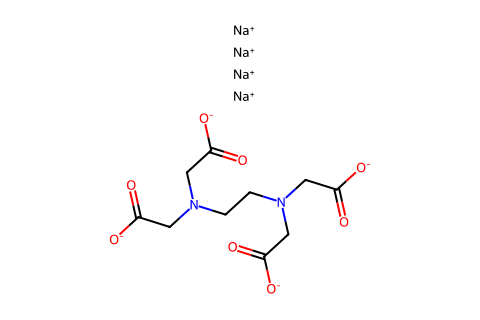
Quick facts
- INCI name
- Tetrasodium EDTA
- CAS number
- 64-02-8
- Origin
- Synthetic
- Chemical class
- Aminopolycarboxylate chelator (EDTA salt)
- What it does in a formula
- chelating
- Why it is in the formula
- Binds trace metal ions from water and raw materials so the preservative, scent and color stay stable.
- Regulatory notes
- The Cosmetic Ingredient Review panel concluded that EDTA and its salts, including tetrasodium EDTA, are safe as used in cosmetics, and reaffirmed that conclusion in a 2019 re-review.
What is Tetrasodium EDTA?
Tetrasodium EDTA is a chelator: a synthetic molecule that grabs metal ions such as calcium, magnesium and iron and holds them so they can’t react with the rest of the formula. It is the four-sodium salt of ethylenediaminetetraacetic acid, usually shortened to EDTA.
It dissolves easily in water and gives an alkaline solution, so you’ll often see it in bar soaps, body washes and foaming cleansers, as well as some creams. It usually appears near the end of the ingredient list. Its close relative, disodium EDTA, does the same job in products with a lower pH.
What does Tetrasodium EDTA do?
- Binds metal ions. Trace minerals from water or raw materials can discolor a product, change its scent or make it go off faster. Chelation keeps them out of the way.
- Helps preservatives work. Some preservatives work less well when metal ions are free in the formula. EDTA supports the preservative system, though it isn’t a preservative itself.
It’s a background helper. It isn’t there to do anything to your skin.
Who is Tetrasodium EDTA for?
It appears in products for every skin type, and most people won’t notice it. The safety review concluded that EDTA salts are safe as used in cosmetics and noted that these chelators aren’t likely to penetrate the skin.
The more common question is environmental. EDTA is slow to break down and can persist after it is washed down the drain. If that matters to you, some products use other chelators, such as tetrasodium glutamate diacetate, sodium phytate or trisodium ethylenediamine disuccinate.
What to pair Tetrasodium EDTA with, and what to avoid
There’s nothing to pair. It works inside the formula, not as a separate step in your routine. You don’t need to look for it or avoid it on skin grounds. If you’d rather avoid EDTA for environmental reasons, check cleanser and soap labels, where it is most common.
Quick picks with Tetrasodium EDTA
Best fragrance-free pick
No scent or sensitivity flags recorded in our glossary
CeraVe Renewing SA Cleanser
Salicylic acid, ceramides, niacinamide, hyaluronic acid, vitamin D · normal skin · no scent flags recorded
Best for sensitive skin
Brand lists it for sensitive skin
Lab Series Clear LS Deep Pore Purifying Gel Face Wash
Salicylic acid, 5-α Andro Complex, acetyl glucosamine · oily, sensitive skin · scent ingredients flagged
Best for oily skin
Brand lists it for oily skin
CeraVe Foaming Facial Cleanser
Ceramides, niacinamide, hyaluronic acid · normal, oily skin · no scent flags recorded
All 17 products with Tetrasodium EDTA
Gel, Foam & Cream Facial Cleansers (8)
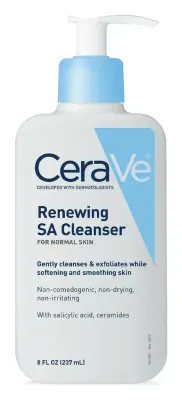 CeraVe Renewing SA CleanserCheck price on Amazon
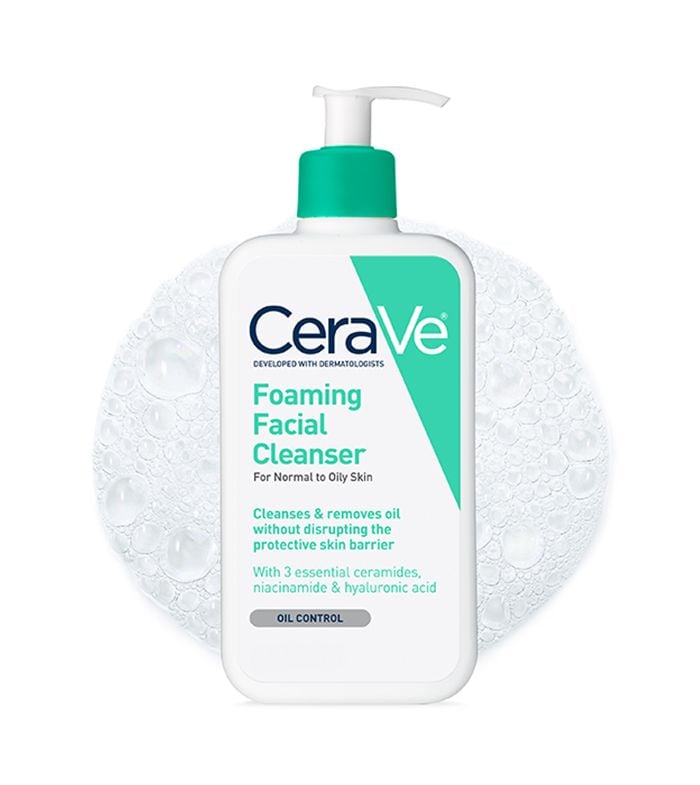 CeraVe Foaming Facial CleanserCheck price on Amazon
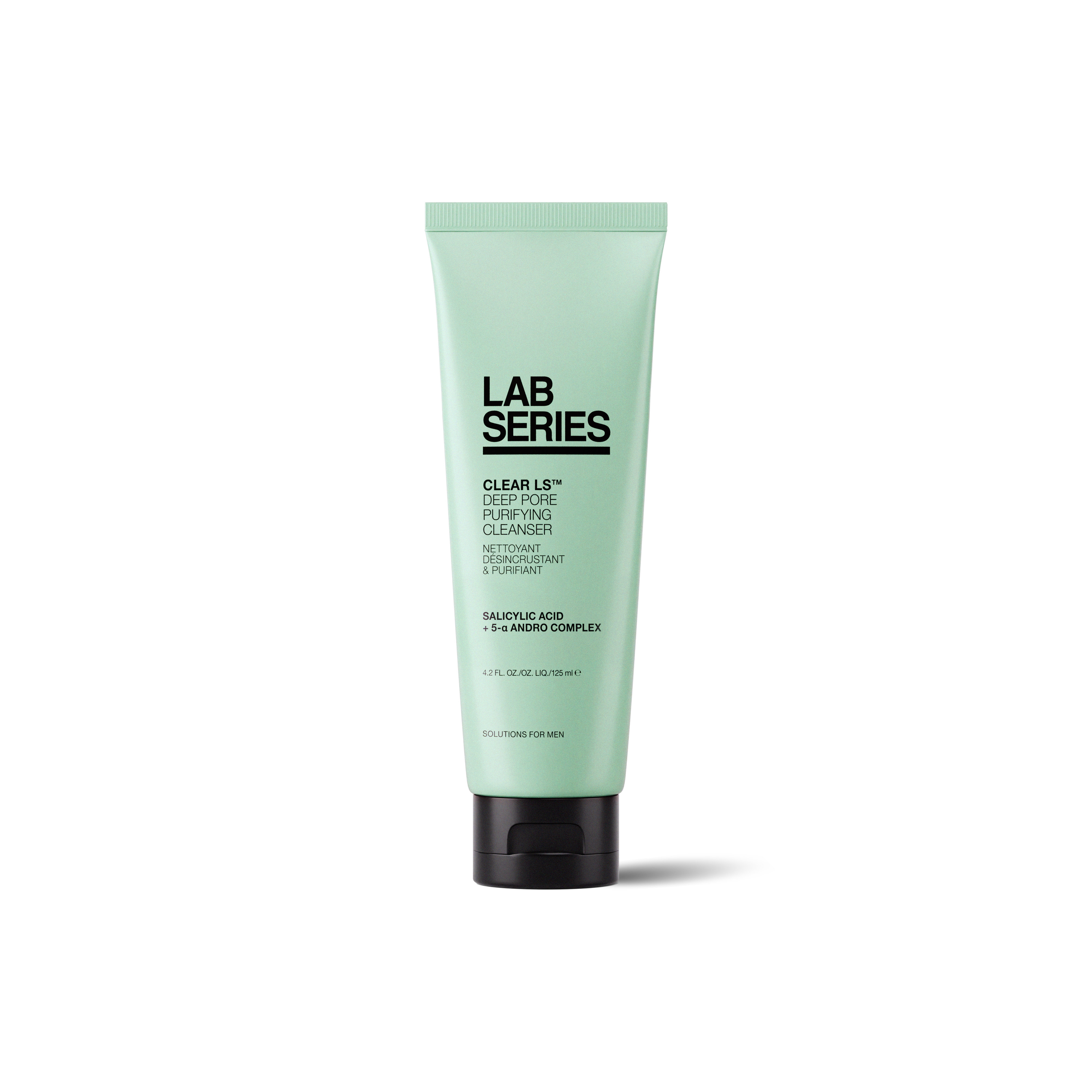 Lab Series Clear LS Deep Pore Purifying Gel Face WashCheck price on Amazon
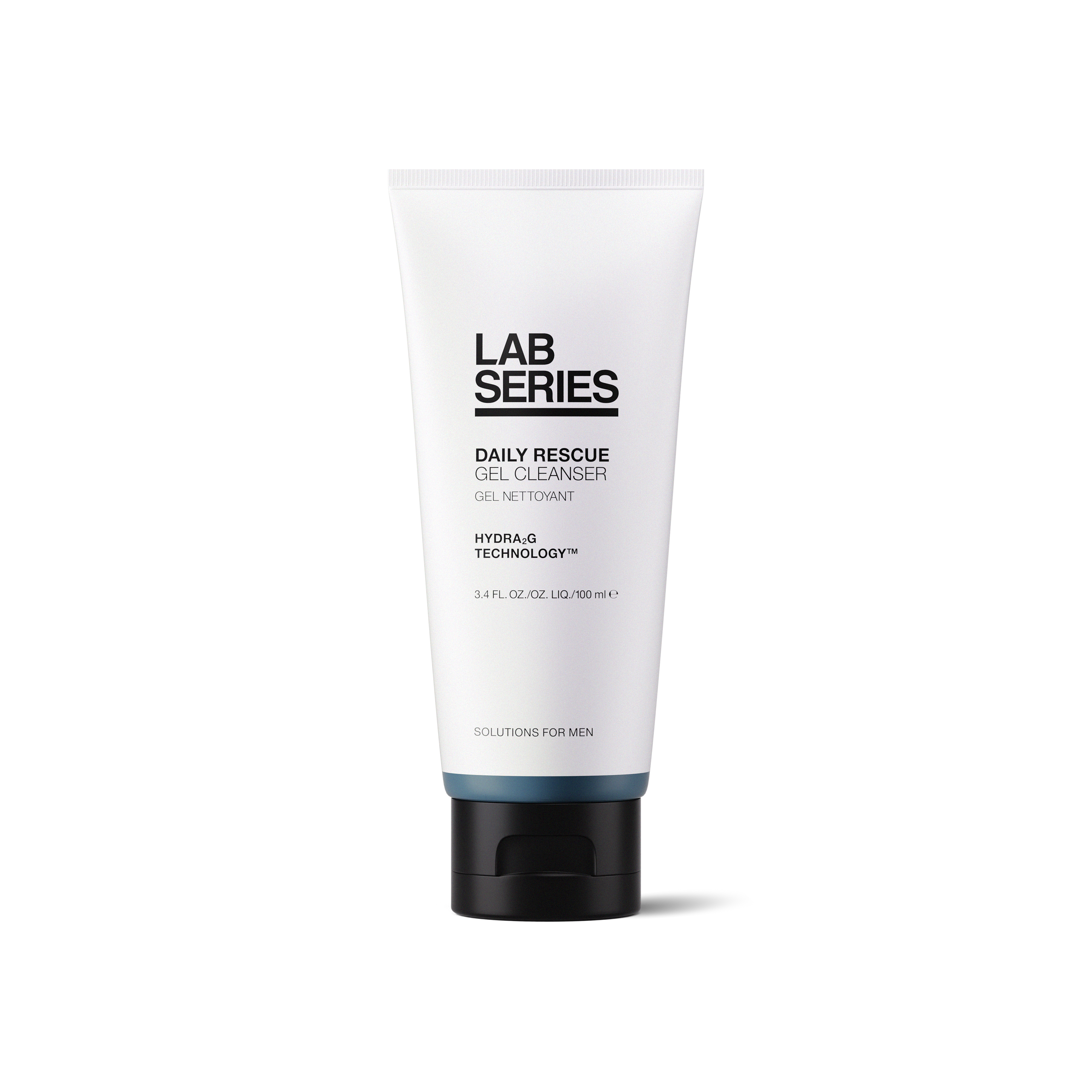 Lab Series Daily Rescue Hydrating Gel CleanserCheck price on Amazon
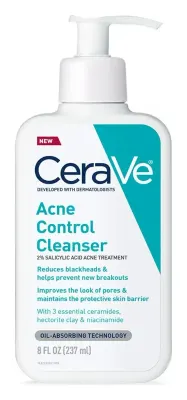 CeraVe Acne Control Cleanser
 Clinique For Men Charcoal Face Wash
 Sulwhasoo Gentle Cleansing FoamCheck price on Amazon
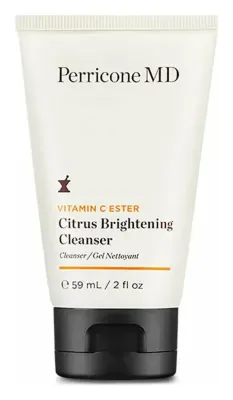 Perricone MD Vitamin C Ester Citrus Brightening CleanserCheck price on Amazon
Shaving Creams, Gels & Oils (4)

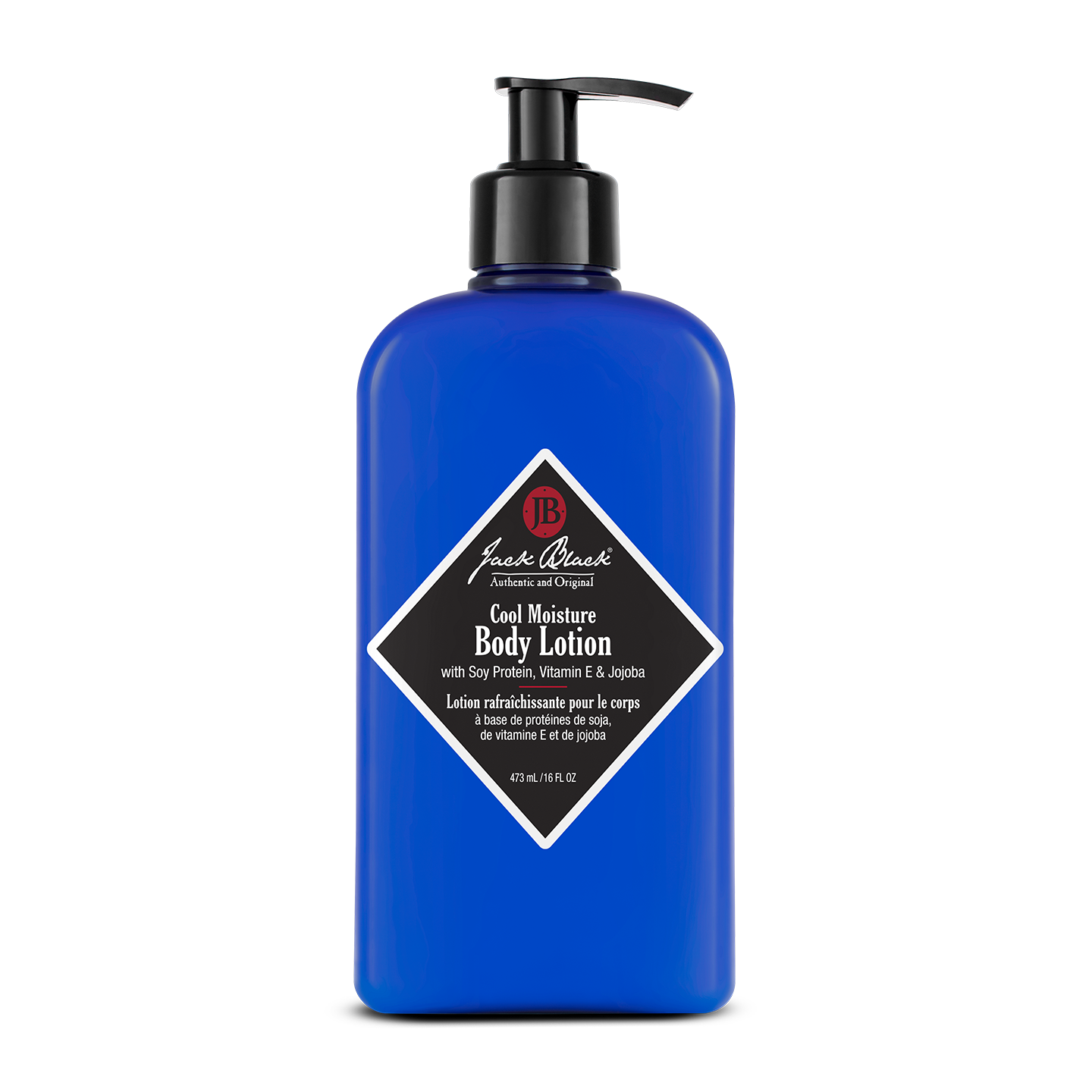
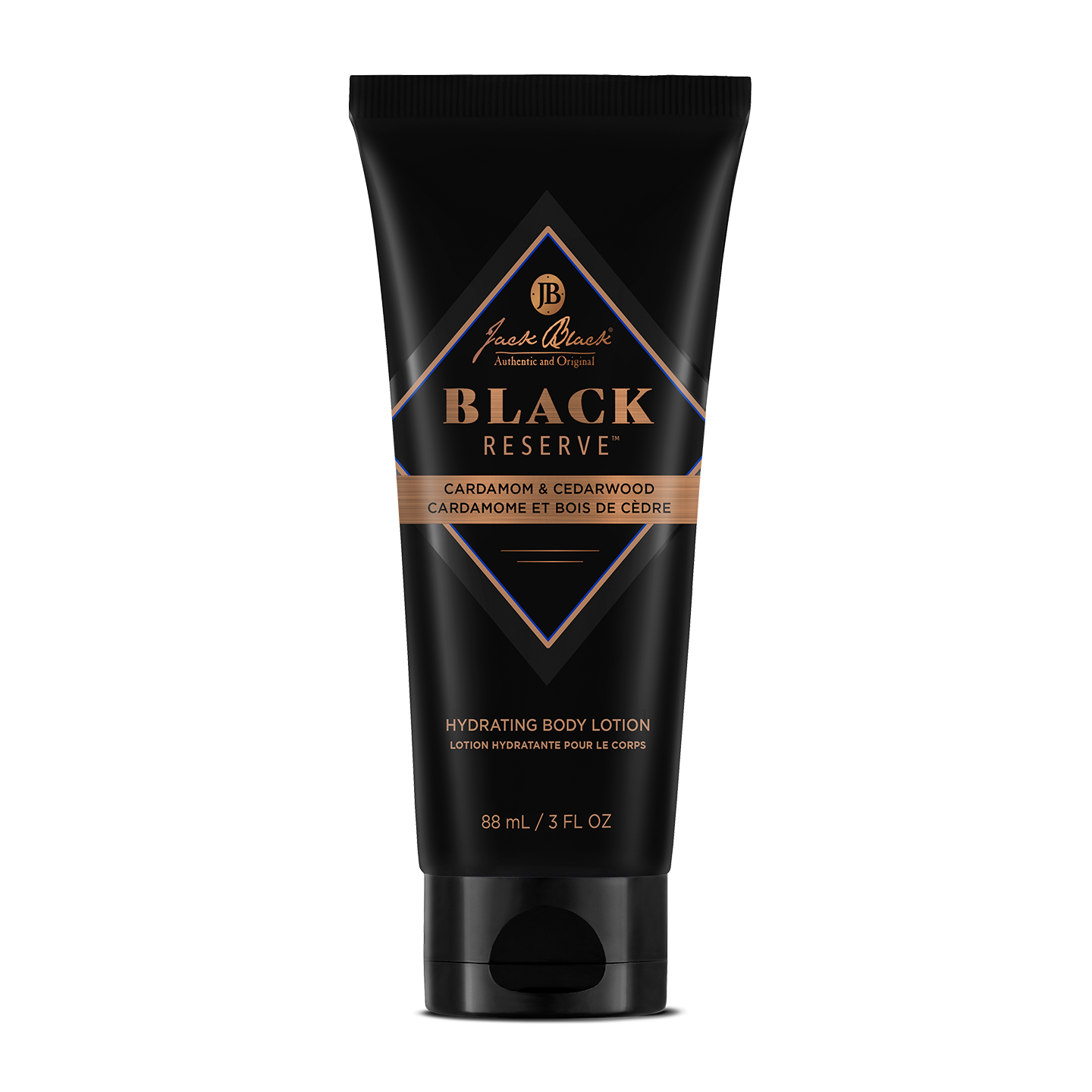
Body Creams, Butters & Body Oils (4)

Daily Moisturizers & Water Gel Creams (1)
Common questions
What is the difference between tetrasodium EDTA and disodium EDTA?
Both are salts of the same chelator, EDTA, and do the same job of binding metal ions. Tetrasodium EDTA carries four sodium ions instead of two and is more alkaline in water, so you'll more often see it in soaps and cleansers than in low-pH serums.
Is tetrasodium EDTA a preservative?
No. It's a chelator. By tying up metal ions it can help a preservative system work more reliably, but it doesn't replace the preservative.
Is tetrasodium EDTA bad for your skin?
A cosmetic safety panel concluded EDTA salts are safe as used in cosmetics and noted they aren't likely to pass through the skin. As with any ingredient, a reaction is possible, so stop using a product that bothers you.
Is tetrasodium EDTA bad for the environment?
EDTA breaks down slowly, so it can persist in wastewater, which is why some brands choose alternatives. The amount in one product doesn't tell you the product's overall environmental footprint.
Sources
- PubChem: Tetrasodium EDTA (CID 6144)
- Final report on the safety assessment of EDTA, calcium disodium EDTA, diammonium EDTA, dipotassium EDTA, disodium EDTA, TEA-EDTA, tetrasodium EDTA, tripotassium EDTA, trisodium EDTA, HEDTA, and trisodium HEDTA. Int J Toxicol, 2002
- CIR: Safety Assessment of EDTA and Salts as Used in Cosmetics (re-review, 2019)