Triethanolamine
What triethanolamine (TEA) does as a pH adjuster and emulsifier helper, the nitrosamine question, and who might want to skip it.
No specific flag recordedIn 14 products we cover
We may earn a commission when you buy through links on this page. It never changes what we recommend.
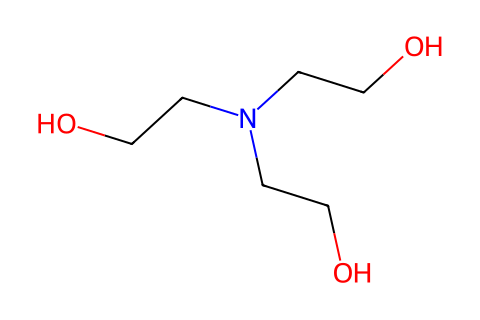
Quick facts
- INCI name
- Triethanolamine
- CAS number
- 102-71-6
- Origin
- Synthetic
- Chemical class
- Amino alcohol (ethanolamine)
- What it does in a formula
- pH adjusting, surfactant
- Why it is in the formula
- Neutralizes acids in the formula, often to set a gel's thickness or to form a soap-type emulsifier with fatty acids.
- Regulatory notes
- The Cosmetic Ingredient Review panel concluded triethanolamine is safe as used when formulated to be non-irritating, and that it should not be used in products where N-nitroso compounds can form.
What is Triethanolamine?
Triethanolamine, or TEA, is a lab-made amino alcohol. It’s a mild base, which means it neutralizes acids. The Cosmetic Ingredient Review panel lists it as working as a pH adjuster and surfactant in cosmetics.
You’ll find it in gels, creams, lotions, cleansers and makeup, usually in small amounts near the end of the ingredient list. TEA also shows up inside other ingredient names, such as TEA-stearate or TEA-cocoyl glutamate, where it has already been combined with another ingredient.
What does Triethanolamine do?
- Adjusts pH. It raises the pH of an acidic formula so the ingredients and texture work as designed.
- Thickens gels. Thickeners such as carbomer only build their gel once they’re neutralized, and TEA is one of the bases used to do that.
- Helps make emulsions. Mixed with a fatty acid such as stearic acid, it forms TEA-stearate, a soap-type emulsifier that keeps oil and water blended.
It’s a helper, not an active. Other bases that do similar jobs include sodium hydroxide, aminomethyl propanol and tromethamine.
Who is Triethanolamine for?
It appears in products for every skin type. The safety review concluded it is safe as used when formulated to be non-irritating. Like many bases, it can irritate skin and eyes at higher concentrations, so the dose in the finished product matters more than its presence.
The concern you may read about online is nitrosamines. Ethanolamines can react with certain nitrosating ingredients to form these compounds, which is why the panel says TEA shouldn’t be used in products where they can form. If your skin is sensitive and a product with TEA stings, stop using it and compare it with formulas that use a different pH adjuster.
What to pair Triethanolamine with, and what to avoid
There’s nothing to pair in your routine. Inside the formula, avoiding nitrosating ingredients is the formulator’s job, not yours. You don’t need to add or neutralize anything at home.
Quick picks with Triethanolamine
Best pick with no fragrance listed
No scent or sensitivity flags recorded in our glossary
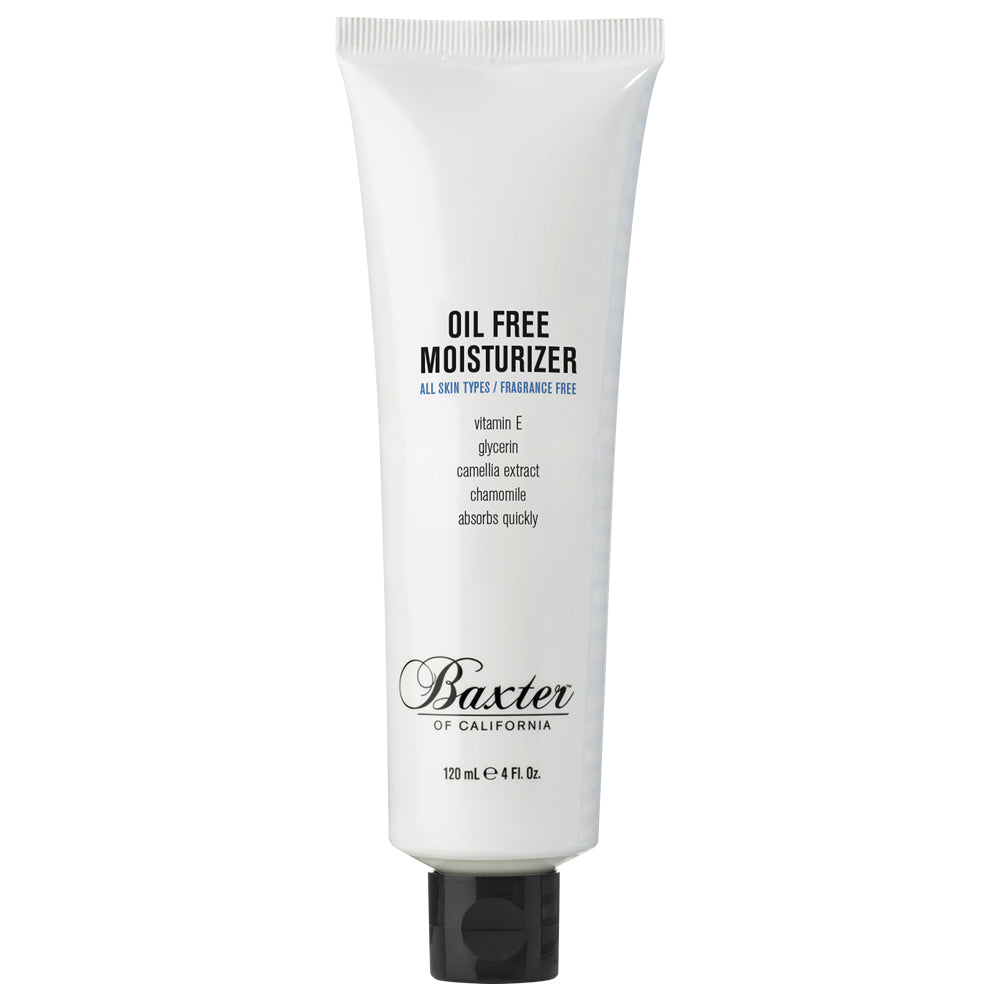
Baxter of California Oil Free Moisturizer
Chamomile flower extract, camellia leaf extract, vitamin E · no scent flags recorded
Best for dry skin
Brand lists it for dry skin
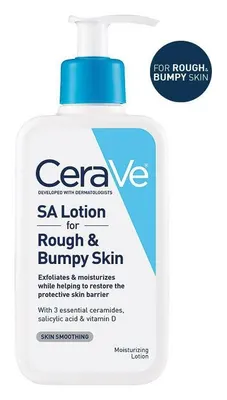
CeraVe SA Lotion for Rough & Bumpy Skin
dry skin · no scent flags recorded
Best for normal skin
Brand lists it for normal skin
Lab Series Grooming Cooling Shave Cream
Murumuru and shea butters, coconut oil, galactoarabinan, algae · normal skin · scent ingredients flagged
All 14 products with Triethanolamine
Shaving Creams, Gels & Oils (8)
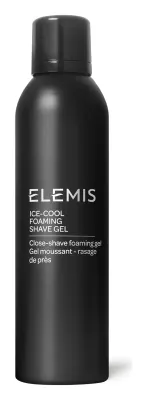 Elemis Ice-Cool Foaming Shave GelCheck price on Amazon
 Baxter of California After Shave BalmCheck price on Amazon
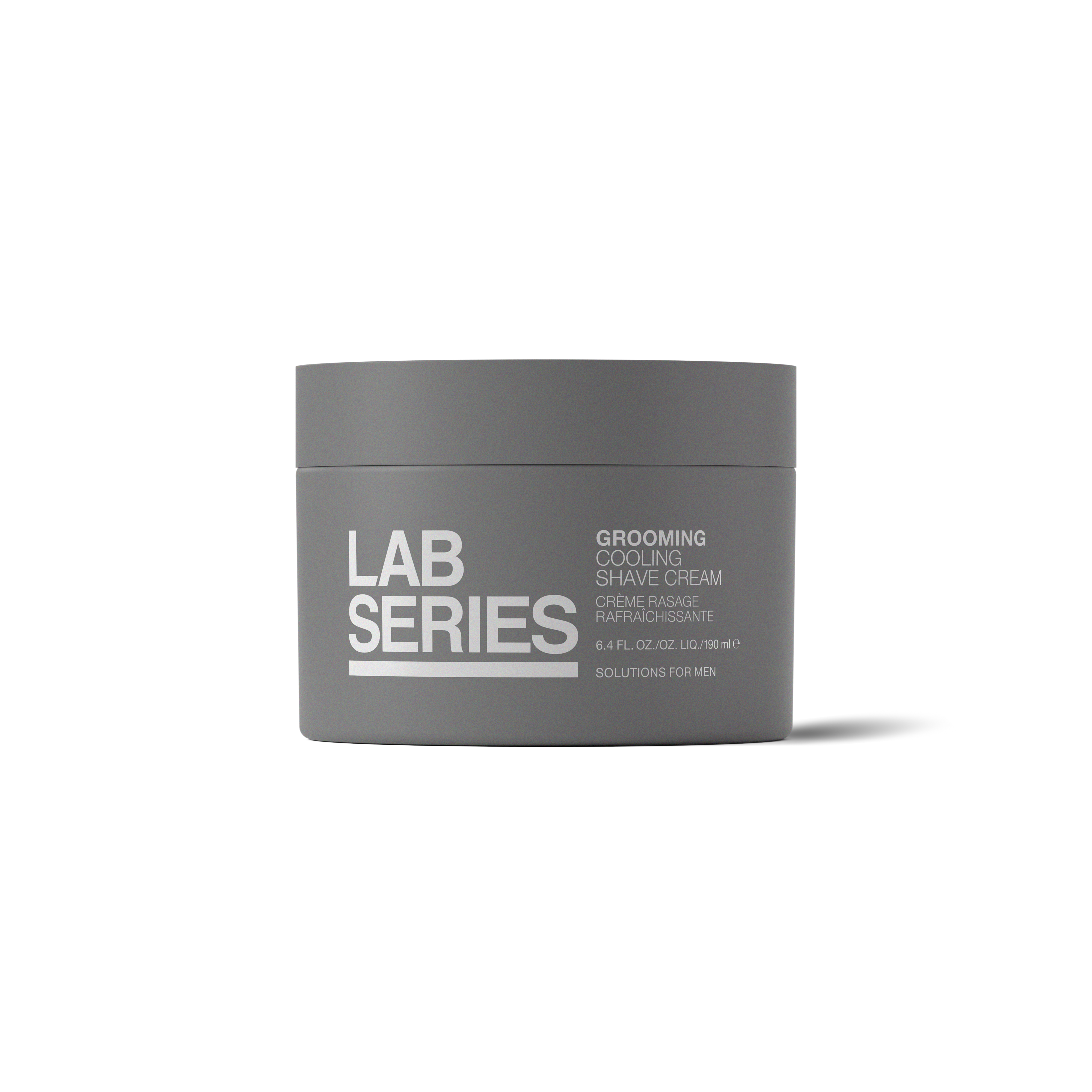 Lab Series Grooming Cooling Shave CreamCheck price on Amazon
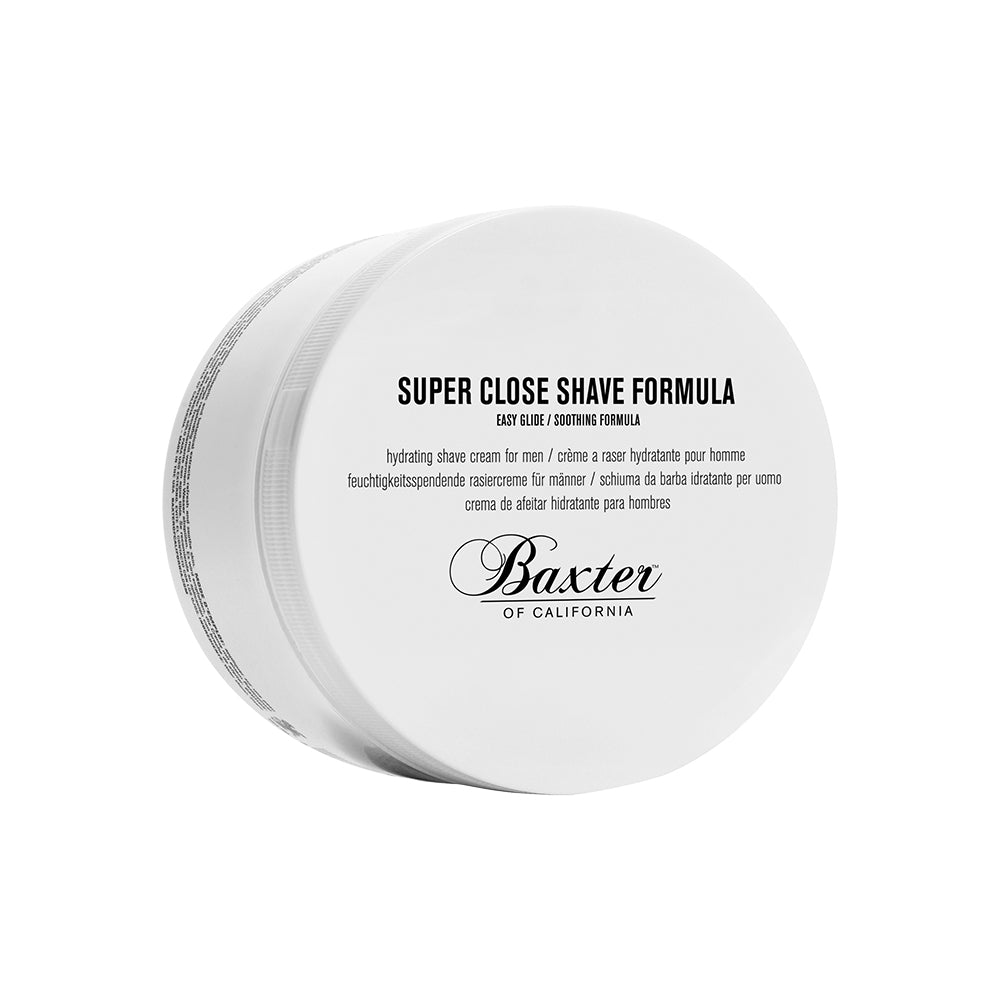 Baxter of California Super Close Shave FormulaCheck price on Amazon
 Clinique For Men Aloe Shave Gel
 Clinique For Men Cream Shave
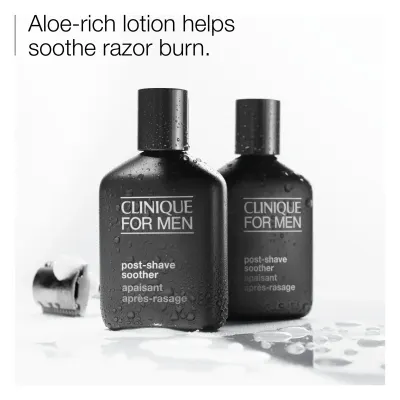 Clinique For Men Post-Shave Soother
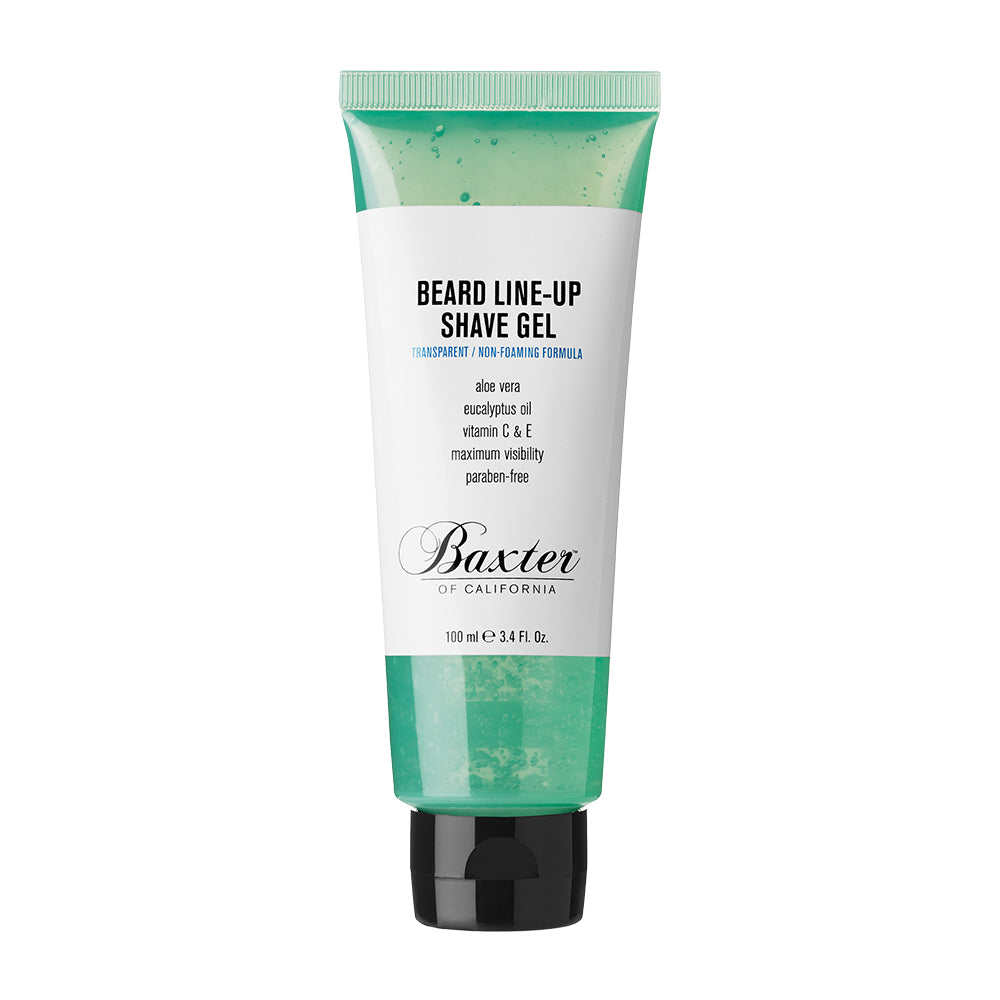 Baxter of California Beard Line-Up Shave GelCheck price on Amazon
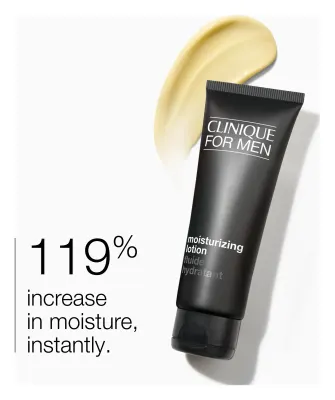
Daily Moisturizers & Water Gel Creams (2)
Dermatological Acne & Chemical Exfoliating Liquids (1)

Body Creams, Butters & Body Oils (1)
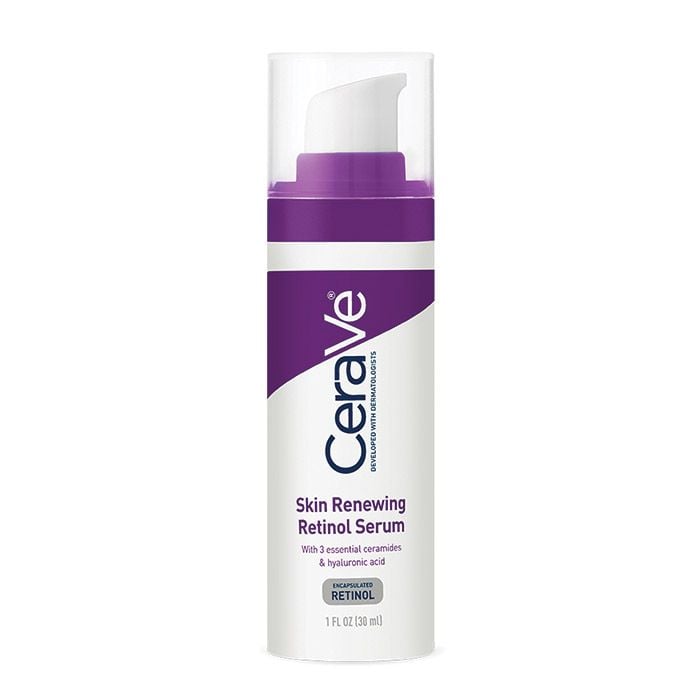
Anti-Aging & Retinoid Serums (1)
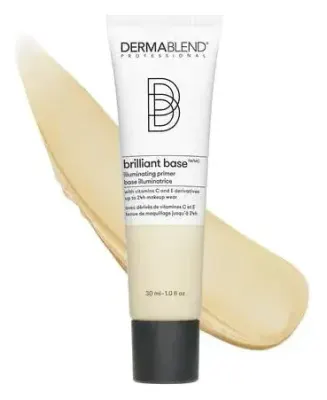
Mineral Pressed Powders & Skin-Nourishing Primers (1)
Common questions
What does triethanolamine do in skincare?
It's mainly a pH adjuster. It neutralizes acidic ingredients, which is how many clear gels get their thickness, and it can react with fatty acids such as stearic acid to form an emulsifier that holds a cream together.
Is triethanolamine bad for your skin?
A cosmetic safety panel concluded it is safe as used when products are formulated to be non-irritating. At higher concentrations it can irritate skin and eyes, so if you have sensitive skin and a product with TEA stings, stop using it.
Does triethanolamine form nitrosamines?
Under some conditions, ethanolamines can react with nitrosating ingredients to form nitrosamines. That's why the safety panel says triethanolamine shouldn't be used in products where those compounds can form. Formulators handle this by not combining it with nitrosating agents.
What is TEA in an ingredient name?
TEA is short for triethanolamine. It also appears as part of other ingredient names, such as TEA-stearate or TEA-cocoyl glutamate, where it has been combined with another ingredient to form a salt.