Stearic Acid
Why stearic acid is used to thicken, soften and structure skincare, and what its origin can and cannot tell you.
Extremely safeIn 60 products we cover
We may earn a commission when you buy through links on this page. It never changes what we recommend.
Quick facts
- INCI name
- Stearic Acid
- CAS number
- 57-11-4
- Origin
- Plant-derived or Animal-derived or Synthetic
- Chemical class
- Saturated fatty acid
- What it does in a formula
- emulsifying, emollient, surfactant, viscosity controlling
- Why it is in the formula
- It gives creams body and helps cleanse or emulsify depending on the formula.
What it is
Found naturally in vegetable fats like palm and cocoa butter as well as in animal tallow, stearic acid is an eighteen-carbon saturated fatty acid. In cosmetic formulations it functions as an emollient, thickener, and cleansing agent component. Because the single INCI name covers both plant and animal origins, shoppers with ethical preferences often check directly with brands.
In cosmetics it is a workhorse ingredient rather than an exfoliating acid. It can be used on its own or as part of a broader fatty-acid blend. You may see it in creams, lotions, cleansers, soaps and makeup, where it can change both consistency and after-feel.
What it does
- Thickens creams. It can give a lotion or cream more body and help create a stable texture.
- Softens skin. As a fatty material, it can contribute an emollient feel and help reduce roughness.
- Helps emulsify. With suitable partners, it helps oil and water form a more uniform product.
- Supports cleansing products. In soaps and some surfactant blends, it contributes to the cleansing structure.
Who it suits
Stearic acid is a helper ingredient found in products for a wide range of skin types. Dry skin may like the richer feel of a formula containing it; oily skin may prefer a lighter gel or lotion. That is a question of the whole product’s texture, not an assurance that stearic acid alone will suit or displease a particular type of skin.
Do not confuse it with an exfoliating acid. It is not there to peel or resurface your skin. Also, avoid assuming a single pore-clogging number: old comedogenic charts cannot reliably predict what a finished product will do on your face. If you have a known sensitivity to a formula, check the entire ingredient list rather than singling out one common fatty acid.
What to pair it with, and what not to
There is no active it needs to be paired with. It is often combined with emollients and emulsifiers to build a cream, sometimes alongside glycerin or ceramides. Choose the finished texture you like, and check with the manufacturer if you need to know its source.
Skin Realist check: Cream has a lot of invisible engineering behind it. I remain grateful from a safe distance.
Quick picks with Stearic Acid
Scent-free, no patch-test flags on the label
COSRX Advanced Snail 92 All in One Cream
Snail Secretion Filtrate · scent-free label
AmazonBrand lists it for sensitive skin
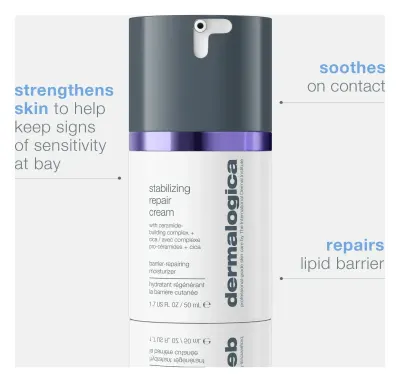
Dermalogica stabilizing repair cream
Resurrection Plant, Tasmania lanceolata extract, Boerhavia diffusa root, and a ceramide-building complex · sensitive skin · scent-free label
AmazonBrand lists it for oily skin
Elemis Pro-Collagen Marine Cream for Men
Padina pavonica, ginkgo biloba, and wheat germ oil · combination, dry, normal, oily skin · scented
Amazon
All 60 products with Stearic Acid
Daily Moisturizers & Water Gel Creams (16)
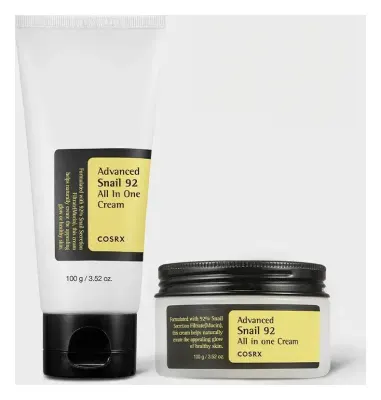 COSRX Advanced Snail 92 All in One CreamAmazon
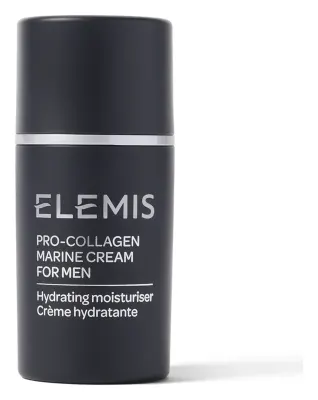 Elemis Pro-Collagen Marine Cream for MenAmazon
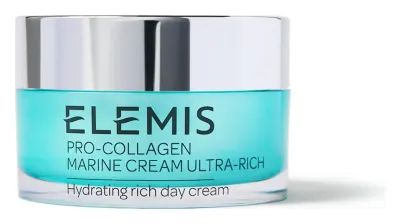 Elemis Pro-Collagen Marine Cream Ultra-RichAmazon
 Sulwhasoo Concentrated Ginseng Rejuvenating CreamAmazon
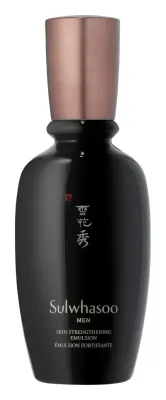 Sulwhasoo Skin Strengthening Emulsion for MenAmazon
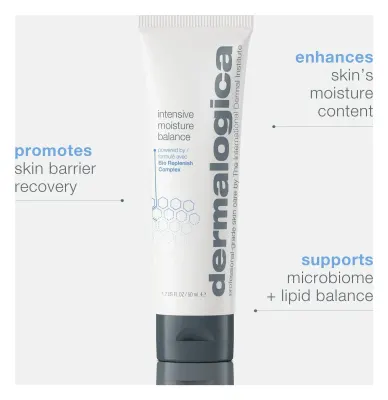 Dermalogica intensive moisture balance moisturizerAmazon
 Dermalogica skin smoothing cream moisturizerAmazon
 COSRX The Blue Peptide Bakuchiol Plump Bounce CreamAmazon
 Elemis ULTRA SMART Pro-Collagen Day CreamAmazon
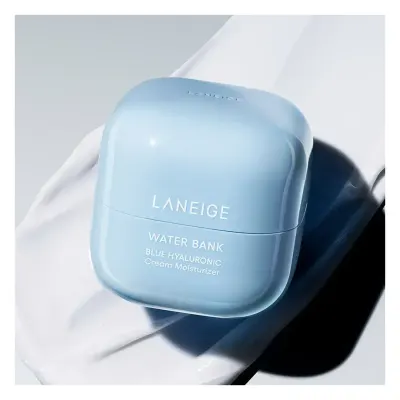 Laneige Water Bank Blue Hyaluronic Cream MoisturizerAmazon
 Sulwhasoo Concentrated Ginseng Rejuvenating Cream RichAmazon
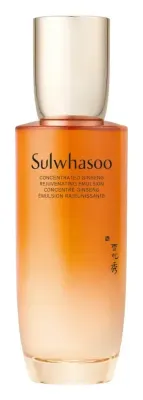 Sulwhasoo Concentrated Ginseng Rejuvenating EmulsionAmazon
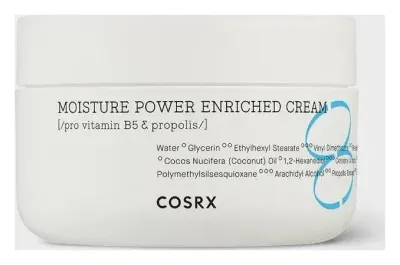 COSRX Hydrium Moisture Power Enriched CreamAmazon
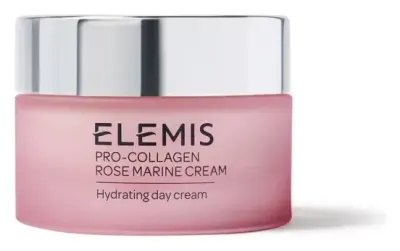 Elemis Pro-Collagen Rose Marine CreamAmazon
 Elemis ULTRA SMART Pro-Collagen Night GeniusAmazon
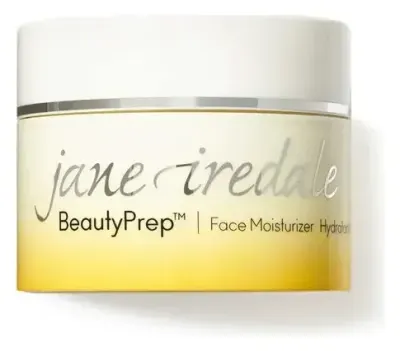 Jane Iredale BeautyPrep Face MoisturizerAmazon
Eye Shadows, Liners, Mascara & Brow Makeup (4)
Anti-Aging & Retinoid Serums (3)



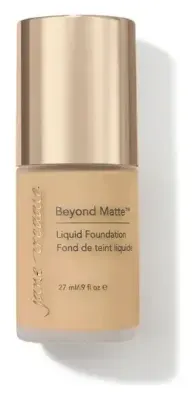
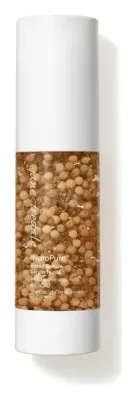
Full-Coverage Camouflage & Liquid Foundations (3)
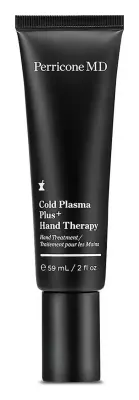
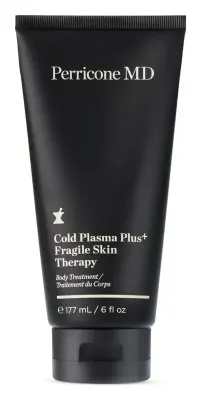
Body Creams, Butters & Body Oils (3)

Gel, Foam & Cream Facial Cleansers (3)

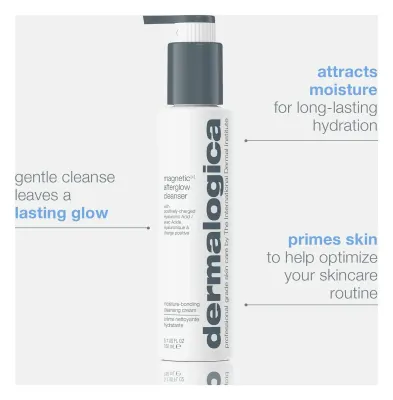
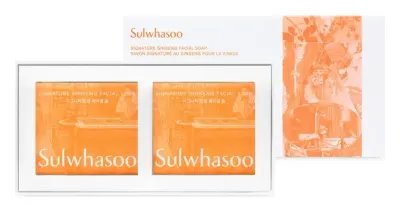
Hydrating Serums, Essences & Ampoules (3)
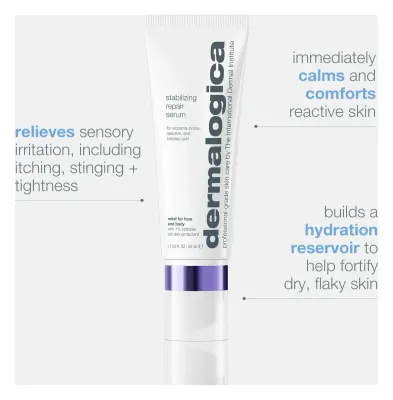


Sheet, Hydrogel & Clay Masks (3)



Premium Double-Cleansing Balms & Melting Gels (3)
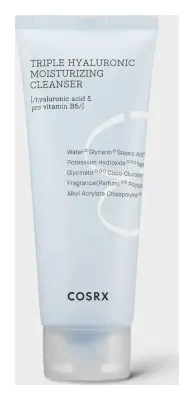
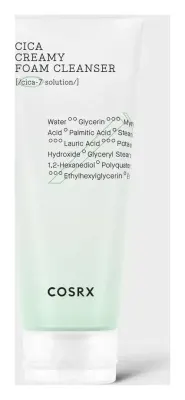
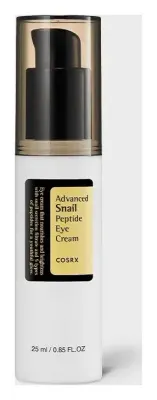
Eye Creams & Under-Eye Patches (3)


Dermatological Acne & Chemical Exfoliating Liquids (2)
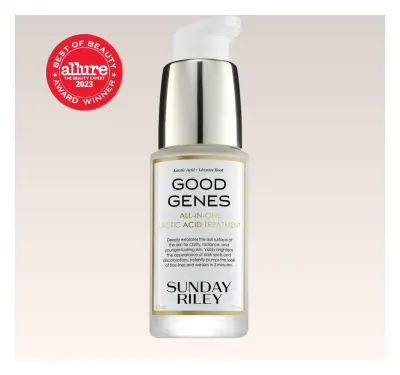

Skin Barrier Repair Creams & Recovery Jars (2)

Intensive Lip Recovery Masks & Tinted Balms (2)
Daily Sunscreens & SPF Moisturizers (2)
Face Oils & Treatment Oils (2)
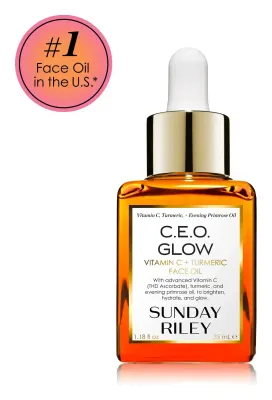
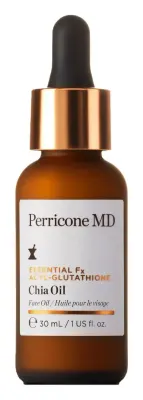
Premium Overnight Recovery Packs & Sleeping Facials (1)

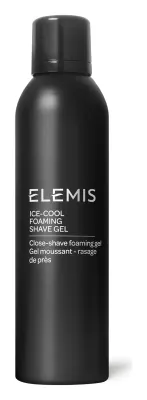
Shaving Creams, Gels & Oils (1)
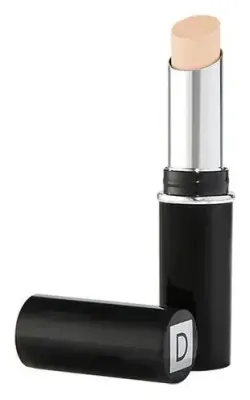
High-Definition Camouflage Concealers (1)
Targeted Vitamin C & Brightening Correctors (1)

Mineral Pressed Powders & Skin-Nourishing Primers (1)
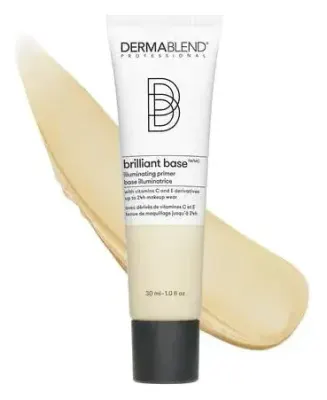
Hydrating Toners, Essence Waters & Face Mists (1)

Common questions
What does stearic acid do in skincare?
It is a fatty acid used to thicken and structure creams, soften skin, and help emulsify some formulas. Its exact role depends on the rest of the formula.
Is stearic acid vegan?
Not necessarily. It can be sourced from plant oils, animal fats or manufactured sources, and the label usually does not identify which one was used. Ask the manufacturer if the source matters to you.
Is stearic acid an exfoliating acid?
No. Despite the word acid, stearic acid is a fatty acid used mainly for texture and emollience. It is not an exfoliating acid like glycolic acid.
Is stearic acid comedogenic?
There is no dependable single comedogenic score for an ingredient in every formula. The finished product, amount used and your own skin all matter, so a label alone cannot predict whether a product will clog pores.