Sodium Cocoyl Glutamate
What sodium cocoyl glutamate and its disodium and TEA forms do as gentle cleansers, where they come from, and who they suit.
No specific flag recordedIn 14 products we cover
We may earn a commission when you buy through links on this page. It never changes what we recommend.

Quick facts
- INCI name
- Sodium Cocoyl Glutamate
- Origin
- Plant-derived or Synthetic
- Chemical class
- Acyl glutamate (amino acid-based anionic surfactant)
- What it does in a formula
- surfactant, cleansing, skin conditioning
- Why it is in the formula
- A cleansing agent that lifts oil and dirt, often chosen for face washes meant to feel gentle.
- Regulatory notes
- The Cosmetic Ingredient Review panel concluded that amino acid alkyl amides, including sodium, disodium and TEA-cocoyl glutamate, are safe in the present practices of use and concentration when formulated to be non-irritating.
What is Sodium Cocoyl Glutamate?
Sodium cocoyl glutamate is a cleansing agent made by joining fatty acids from coconut oil to glutamic acid, an amino acid, then forming the sodium salt. Ingredient suppliers make the glutamic acid by fermenting sugars and attach the coconut fatty acids in a chemical reaction.
This guide also covers its close relatives, disodium cocoyl glutamate and TEA-cocoyl glutamate, which do the same job. You’ll find them in face washes, cleansing gels, body washes, shampoos and some makeup removers.
What does Sodium Cocoyl Glutamate do?
- Cleans. It’s a surfactant: one end grabs oil, the other end is drawn to water, so oil and dirt rinse away.
- Makes foam. It produces a light lather, often boosted by other cleansing agents in the same formula.
- Conditions. The safety review lists the amino acid amide group as skin and hair conditioning agents as well as surfactants.
It usually works as part of a blend with other mild surfactants, such as sodium cocoyl isethionate or cocamidopropyl hydroxysultaine.
Who is Sodium Cocoyl Glutamate for?
It suits most skin types and is common in cleansers for dry, sensitive and combination skin. The safety review concluded these ingredients are safe when the product is formulated to be non-irritating, which is a reminder that any cleanser can feel stripping if it is strong or left on too long.
If your skin feels tight or itchy after washing, look at the whole formula and how you use it. Rinse with lukewarm water and don’t scrub. A persistent reaction is worth raising with a dermatologist.
What to pair Sodium Cocoyl Glutamate with, and what to avoid
There’s nothing to pair in your routine. Follow a cleanser with your usual moisturizer. If you remove makeup or sunscreen with an oil or balm first, a gentle water-based cleanser fits well as the second step; the double cleansing guide explains how.
How it appears on labels: Sodium Cocoyl Glutamate; Disodium Cocoyl Glutamate; Tea-cocoyl Glutamate
Quick picks with Sodium Cocoyl Glutamate
Best pick with no fragrance listed
No scent or sensitivity flags recorded in our glossary
CeraVe Brightening Vitamin C Cleanser
Vitamin C, niacinamide, ceramides · oily, dry, combination, sensitive, normal skin · no scent flags recorded
Best for sensitive skin
Brand lists it for sensitive skin
Lab Series Clear LS Deep Pore Purifying Gel Face Wash
Salicylic acid, 5-α Andro Complex, acetyl glucosamine · oily, sensitive skin · scent ingredients flagged
Best for oily skin
Brand lists it for oily skin
Dermalogica Daily Glycolic Cleanser
Glycolic acid, jojoba seed oil and calendula extract · normal, combination, oily skin · scent ingredients flagged
All 14 products with Sodium Cocoyl Glutamate
Gel, Foam & Cream Facial Cleansers (9)
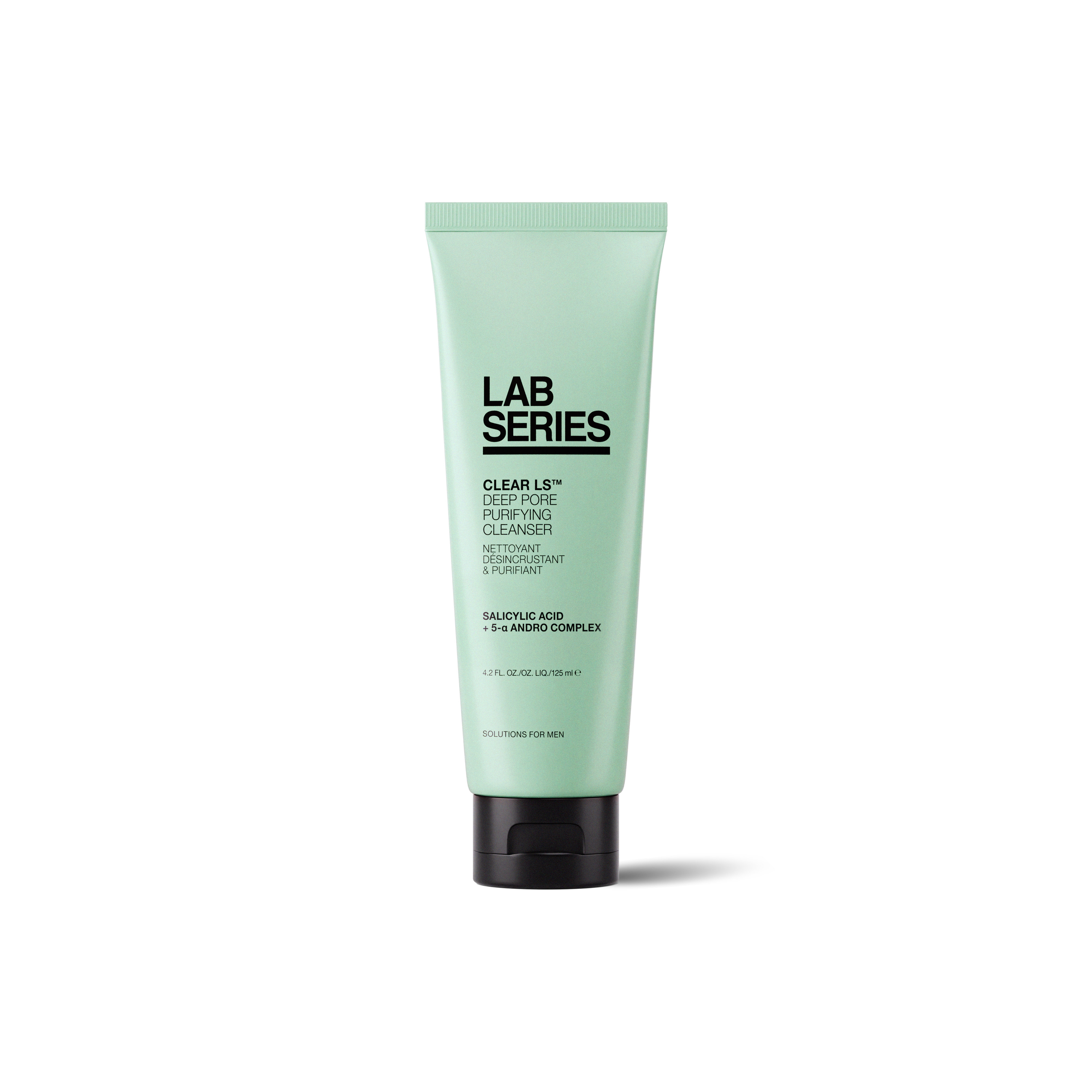 Lab Series Clear LS Deep Pore Purifying Gel Face WashCheck price on Amazon
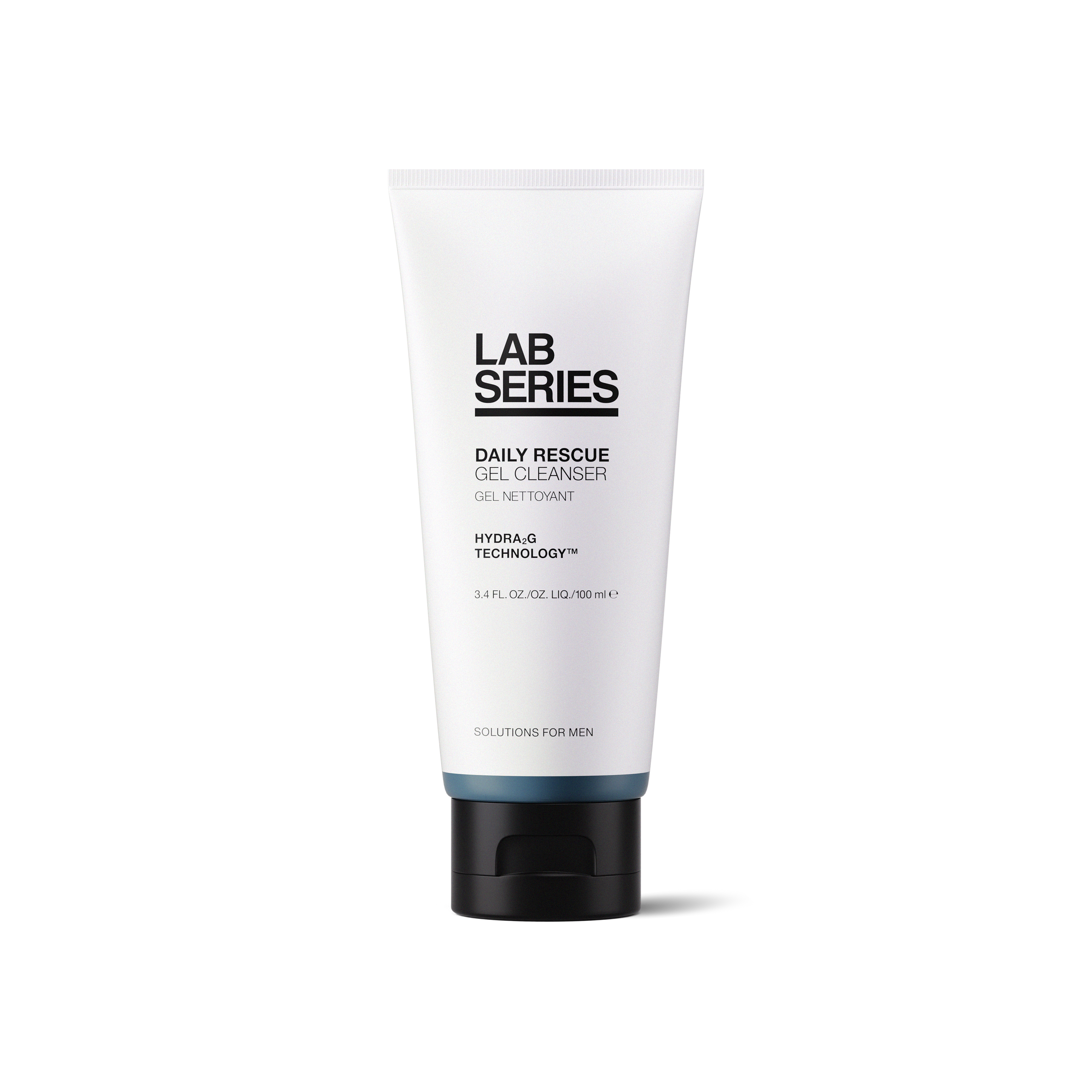 Lab Series Daily Rescue Hydrating Gel CleanserCheck price on Amazon
 Clinique For Men Charcoal Face Wash
 Clinique For Men Face Wash
 Clinique For Men Face Wash Oily Skin Formula
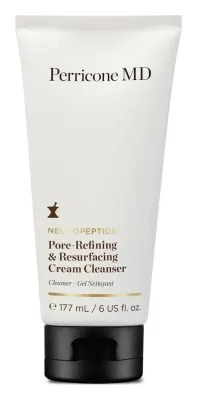 Perricone MD Neuropeptide Pore-Refining & Resurfacing Cream CleanserCheck price on Amazon
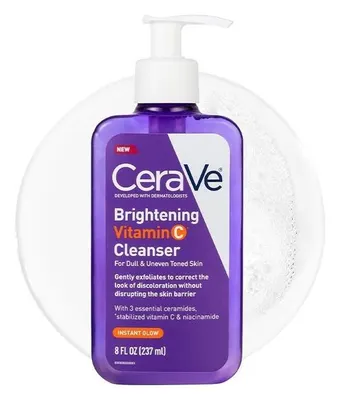 CeraVe Brightening Vitamin C CleanserCheck price on Amazon
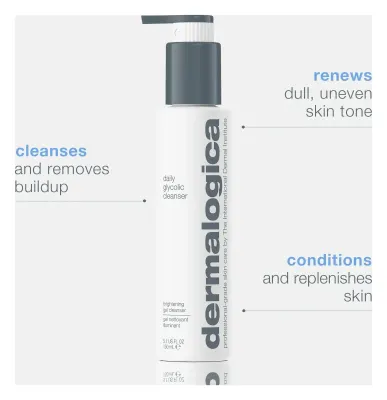 Dermalogica Daily Glycolic CleanserCheck price on Amazon
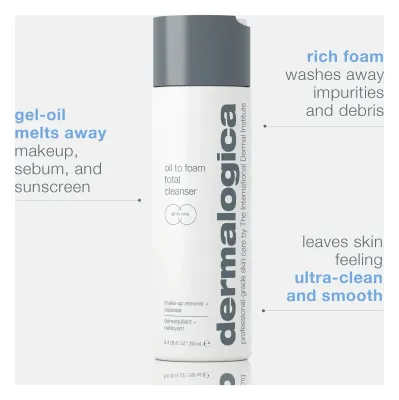 Dermalogica Oil to Foam Total CleanserCheck price on Amazon
Dermatological Acne & Chemical Exfoliating Liquids (2)


Daily Moisturizers & Water Gel Creams (1)
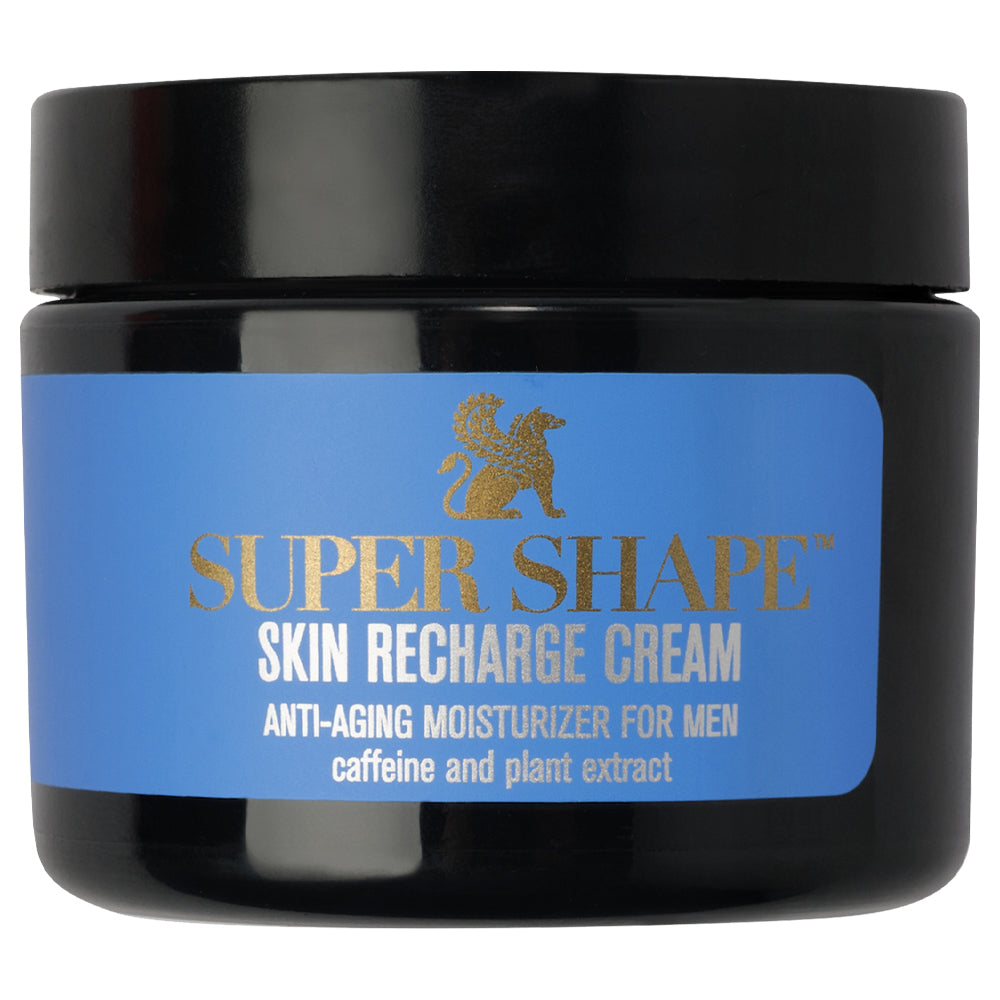
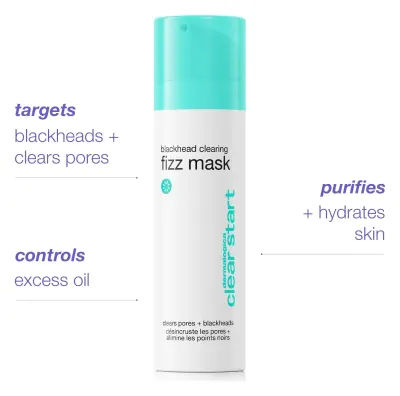
Sheet, Hydrogel & Clay Masks (1)
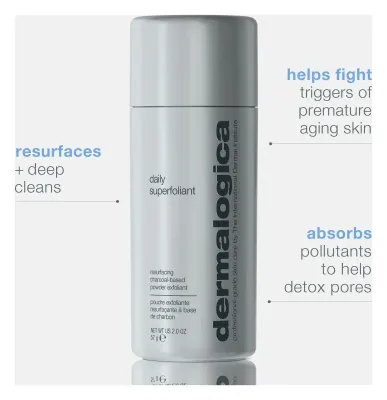
Physical & Enzyme Face Exfoliants (1)
Common questions
Is sodium cocoyl glutamate a gentle cleanser?
It's one of the amino acid-based cleansing agents that brands often use in face washes marketed as gentle. How gentle a cleanser feels still depends on the full blend of surfactants, the pH and how you use it.
Is sodium cocoyl glutamate natural?
It's made from two naturally sourced parts, fatty acids from coconut oil and glutamic acid, an amino acid. They are joined by a chemical reaction, so the finished ingredient is made in a lab.
What's the difference between sodium and disodium cocoyl glutamate?
They're the same cleansing molecule with one or two sodium ions attached. Both clean the same way, and formulators choose between them to fit the product's pH and texture. TEA-cocoyl glutamate uses triethanolamine instead of sodium.
Does sodium cocoyl glutamate contain sulfates?
No. It's an amino acid-based surfactant, not a sulfate. Products that use it are often labeled sulfate-free, though that alone doesn't guarantee a cleanser will feel mild.