Sodium Hydroxide
What sodium hydroxide does as a pH adjuster, why lye on a label is not the whole story, and what it means in a finished formula.
Extremely safeIn 111 products we cover
We may earn a commission when you buy through links on this page. It never changes what we recommend.
Quick facts
- INCI name
- Sodium Hydroxide
- CAS number
- 1310-73-2
- Origin
- Synthetic
- Chemical class
- Inorganic alkali
- What it does in a formula
- buffering, pH adjusting
- Why it is in the formula
- It adjusts a formula's pH, often by neutralizing acidic ingredients until the product reaches its target.
What it is
Although pure sodium hydroxide (commonly called lye or caustic soda) is an aggressive alkaline substance, in cosmetics it is added in minute amounts to neutralize acids and adjust product pH. As it reacts in the water phase, the alkali converts into neutral salts and water. The finished product contains these reacted components rather than free, unreacted lye.
What it does
- Adjusts pH. A formulator can use it to move a product toward its intended acidity or alkalinity.
- Neutralizes acids. When it reacts with an acid, the reaction helps form a salt and water rather than leaving all of the added alkali unchanged.
- Helps a formula work as designed. pH can affect texture, stability, preservation, and how certain ingredients behave. It is a supporting ingredient, not the reason to buy a product.
Who it suits
For shoppers, the important distinction is between concentrated raw sodium hydroxide and the finished product made with it. Seeing sodium hydroxide on an ingredient list does not mean the formula is caustic or that it will burn your skin. The ingredient list alone does not tell you the amount or finished pH. A well-formulated product is designed around its final properties, not just the starting materials.
If a product stings or feels uncomfortable, stop using it and consider the whole formula rather than assuming this pH adjuster is automatically the cause. People with persistent irritation or a skin condition should ask a dermatologist for guidance. There is no need to avoid an otherwise suitable product just because this technical name appears near the end of its ingredient list.
What to pair it with, and what not to
There is nothing to pair with sodium hydroxide: it is part of the product’s pH adjustment. Use the finished product as directed and do not try to change its pH at home. If you are using a separate acidic product, follow that product’s directions instead of attempting to neutralize it yourself.
Skin Realist check: A chemical name can sound dramatic without telling you much about the finished product. The formula is the thing you use, not a jar of raw ingredients.
Quick picks with Sodium Hydroxide
Scent-free, no patch-test flags on the label
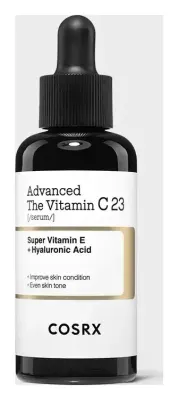
COSRX Advanced The Vitamin C 23 Serum
Ascorbic Acid (Vitamin C) 23% · scent-free label
AmazonBrand lists it for sensitive skin
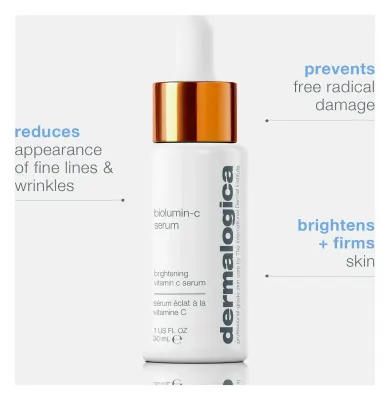
Dermalogica biolumin-c vitamin c serum
Vitamin C · oily, dry, combination, sensitive, normal skin · scented
AmazonBrand lists it for oily skin
Dermalogica dynamic skin retinol serum
Retinoid Complex 3.5% · oily, dry, combination, sensitive, normal skin · scented
Amazon
All 111 products with Sodium Hydroxide
Daily Moisturizers & Water Gel Creams (19)
 Sulwhasoo Concentrated Ginseng Rejuvenating CreamAmazon
 Elemis Pro-Collagen Night CreamAmazon
 Dermalogica biolumin-c vitamin c gel moisturizerAmazon
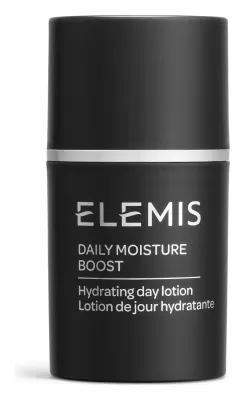 Elemis Daily Moisture BoostAmazon
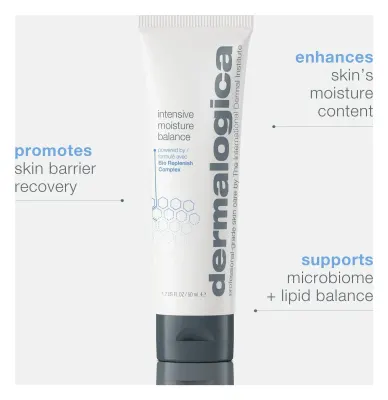 Dermalogica intensive moisture balance moisturizerAmazon
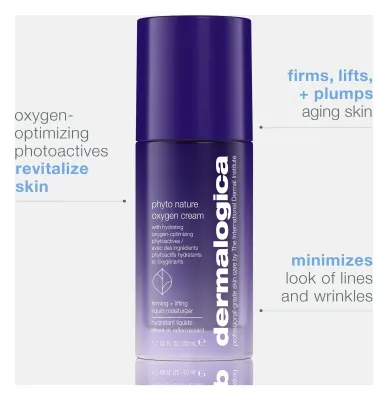 Dermalogica phyto nature oxygen creamAmazon
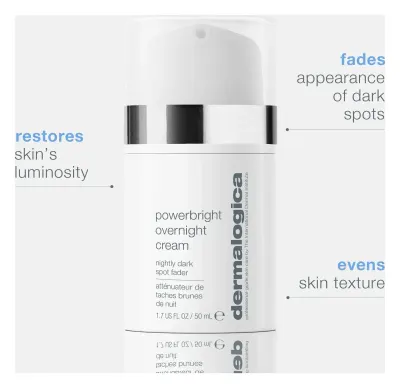 Dermalogica powerbright overnight creamAmazon
 Dermalogica skin smoothing cream moisturizerAmazon
 COSRX The Blue Peptide Bakuchiol Plump Bounce CreamAmazon
 Dermalogica acne biotic moisturizerAmazon
 Sulwhasoo Concentrated Ginseng Rejuvenating Cream RichAmazon
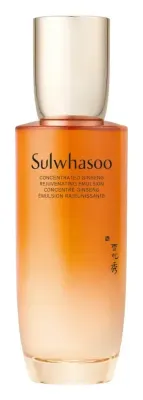 Sulwhasoo Concentrated Ginseng Rejuvenating EmulsionAmazon
 Dermalogica multivitamin power recovery creamAmazon
 Perricone MD Neuropeptide Pro-Strength Firming MoisturizerAmazon
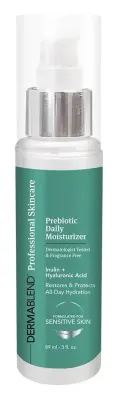 Dermablend Prebiotic Daily MoisturizerAmazon
 Dermalogica pro-collagen banking water creamAmazon
 Elemis Pro-Collagen Morning MatrixAmazon
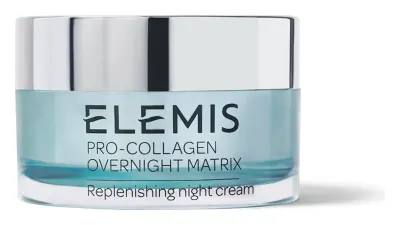 Elemis Pro-Collagen Overnight MatrixAmazon
 Elemis Superfood Glow Priming MoisturiserAmazon
Gel, Foam & Cream Facial Cleansers (15)
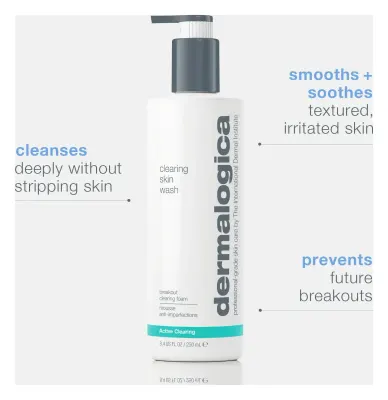 Dermalogica acne clearing skin washAmazon
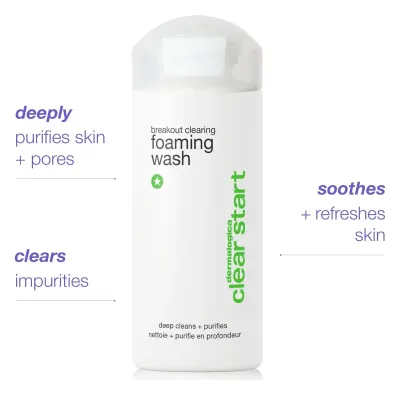 Dermalogica breakout clearing foaming washAmazon
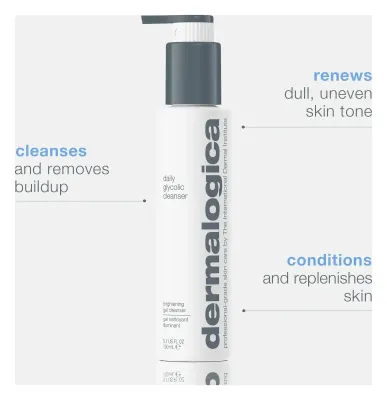 Dermalogica daily glycolic cleanserAmazon
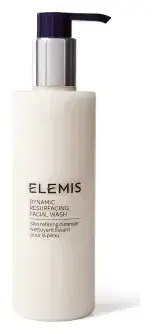 Elemis Dynamic Resurfacing Facial WashAmazon
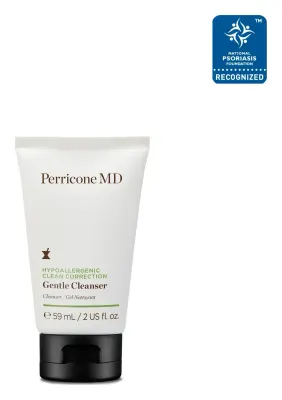 Perricone MD Hypoallergenic Clean Correction Gentle CleanserAmazon
 Dermalogica intensive moisture cleanserAmazon
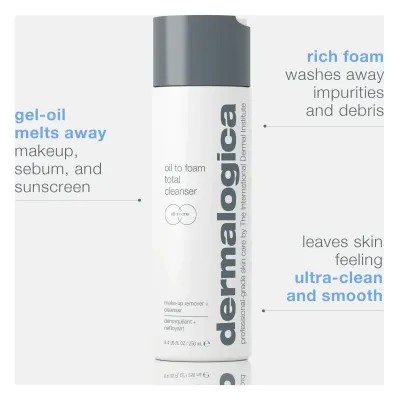 Dermalogica oil to foam total cleanserAmazon
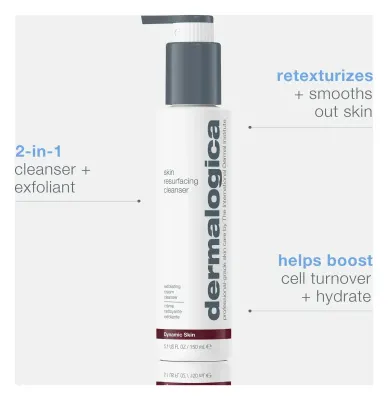 Dermalogica skin resurfacing lactic acid cleanserAmazon
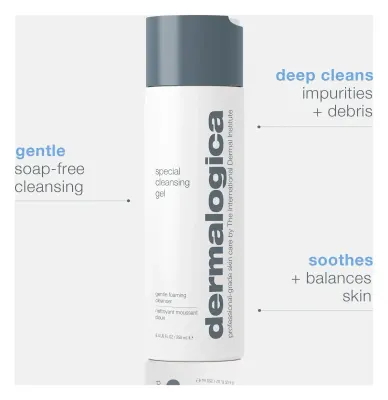 Dermalogica special cleansing gelAmazon
 Sulwhasoo Concentrated Ginseng Rejuvenating Cleansing FoamAmazon
 Perricone MD Neuropeptide Pore-Refining & Resurfacing Cream CleanserAmazon
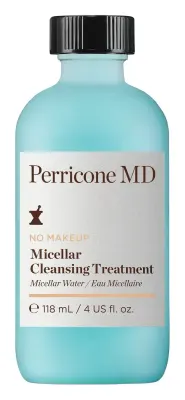 Perricone MD No Makeup Micellar Cleansing TreatmentAmazon
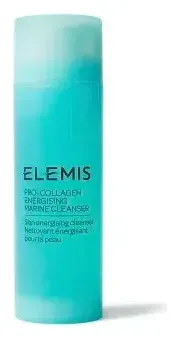 Elemis Pro-Collagen Energising Marine CleanserAmazon
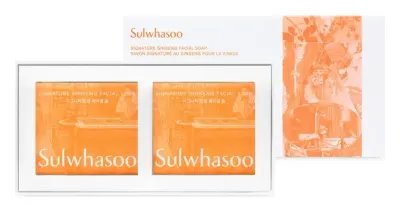 Sulwhasoo Signature Ginseng Facial SoapAmazon
 Elemis Superfood Facial WashAmazon
Eye Creams & Under-Eye Patches (13)
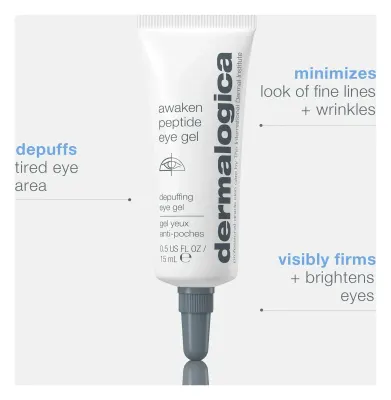 Dermalogica awaken peptide depuffing eye gelAmazon
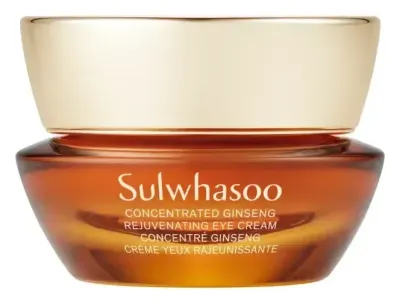 Sulwhasoo Concentrated Ginseng Rejuvenating Eye CreamAmazon
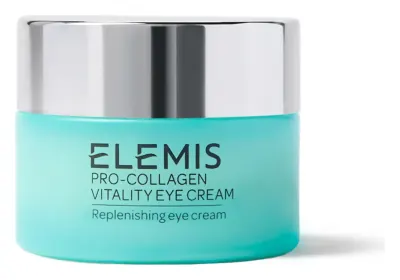 Elemis Pro-Collagen Vitality Eye CreamAmazon
 Dermalogica age reversal eye complexAmazon
 Dermalogica biolumin-c vitamin c eye serumAmazon
 Dermalogica phyto nature lifting eye creamAmazon
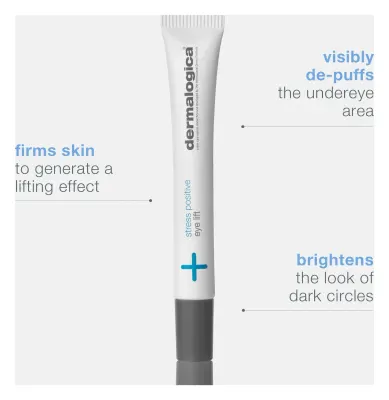 Dermalogica stress positive eye lift maskAmazon
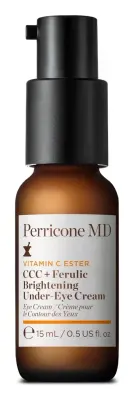 Perricone MD Vitamin C Ester CCC + Ferulic Brightening Under-Eye CreamAmazon
 Sulwhasoo First Care Activating Eye SerumAmazon
 Perricone MD High Potency Triple Retinol Renewal Eye SerumAmazon
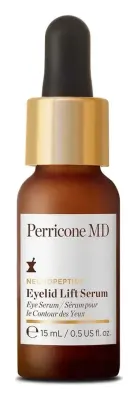 Perricone MD Neuropeptide Eyelid Lift SerumAmazon
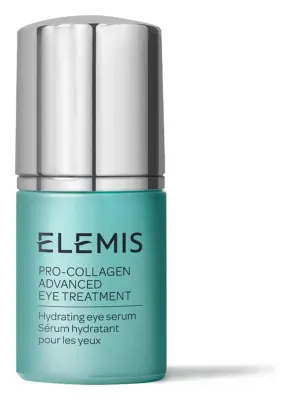 Elemis Pro-Collagen Advanced Eye TreatmentAmazon
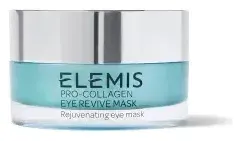 Elemis Pro-Collagen Eye Revive MaskAmazon
Body Creams, Butters & Body Oils (12)
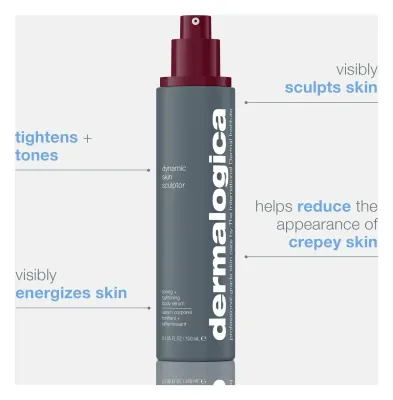 Dermalogica dynamic skin sculptor body serumAmazon
 Elemis Pro-Collagen Marine Body CreamAmazon
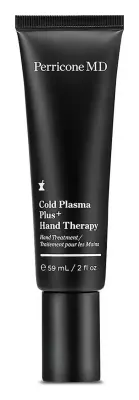 Perricone MD Cold Plasma Plus+ Hand TherapyAmazon
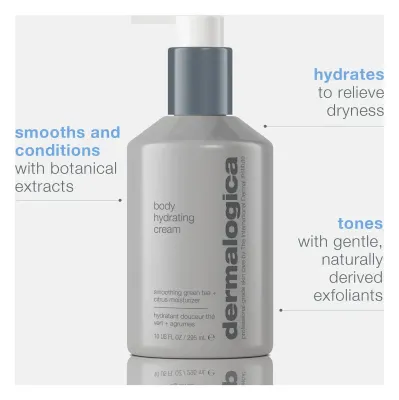 Dermalogica body hydrating creamAmazon
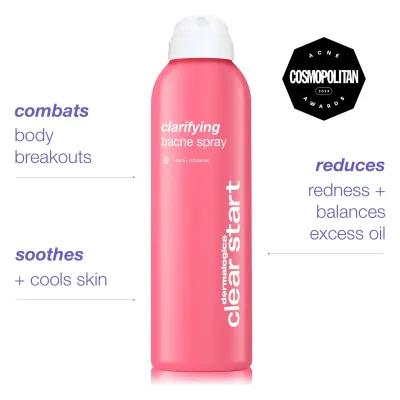 Dermalogica clarifying bacne sprayAmazon
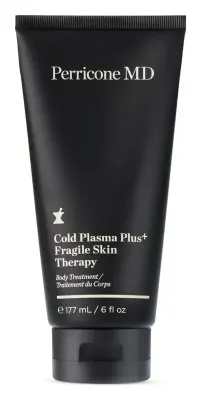 Perricone MD Cold Plasma Plus+ Fragile Skin TherapyAmazon
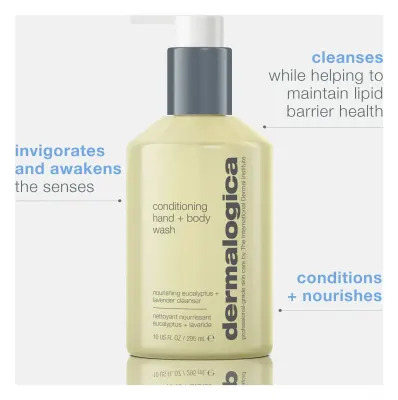 Dermalogica conditioning hand + body washAmazon
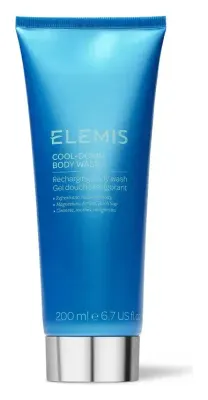 Elemis Cool-Down Body WashAmazon
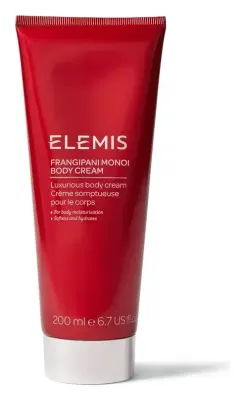 Elemis Frangipani Monoi Body CreamAmazon
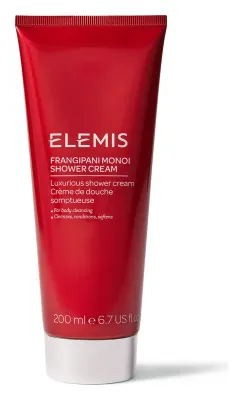 Elemis Frangipani Monoi Shower CreamAmazon
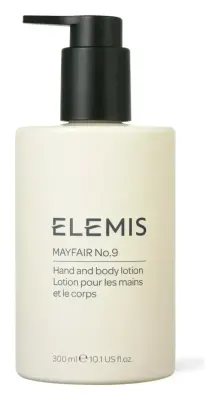 Elemis Mayfair No.9 Hand & Body LotionAmazon
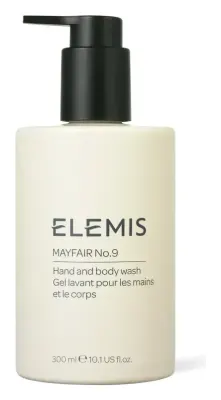 Elemis Mayfair No.9 Hand & Body WashAmazon
Anti-Aging & Retinoid Serums (8)
 Dermalogica dynamic skin retinol serumAmazon
 Perricone MD High Potency Triple Retinol Renewal SerumAmazon
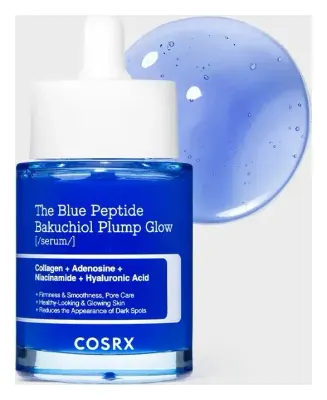 COSRX The Blue Peptide Bakuchiol Plump Glow SerumAmazon
 Sulwhasoo Concentrated Ginseng Rejuvenating SerumAmazon
 Dermalogica futurecode booster damage-correcting longevity serumAmazon
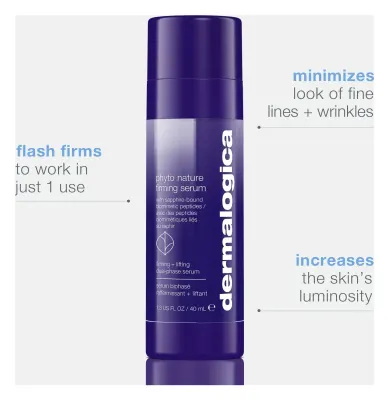 Dermalogica phyto nature firming serumAmazon
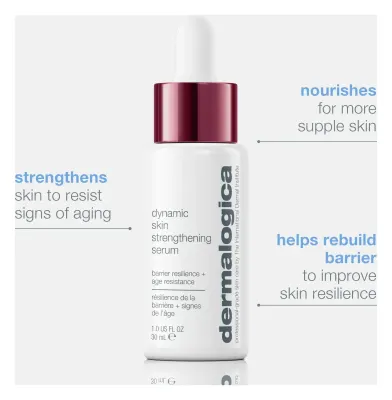 Dermalogica dynamic skin strengthening serumAmazon
 Perricone MD High Potency Retinol Recovery Overnight MoisturizerAmazon
Daily Sunscreens & SPF Moisturizers (7)
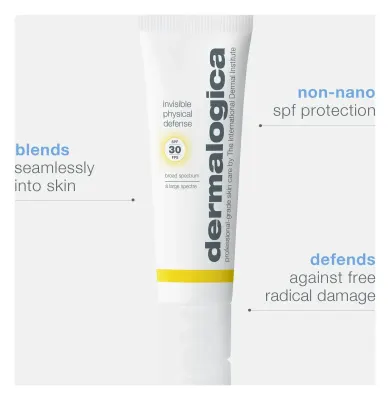 Dermalogica invisible physical defense mineral sunscreen spf30Amazon
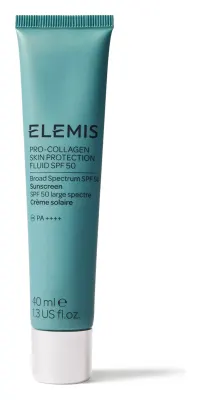 Elemis Pro-Collagen Skin Protection Fluid SPF 50Amazon
 Dermalogica biolumin-c heat aging protector spf50Amazon
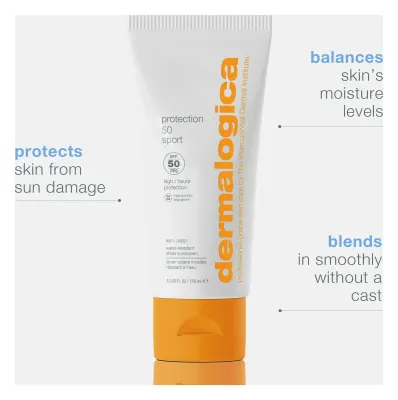 Dermalogica protection 50 sport spf50Amazon
 Dermalogica skinperfect primer spf30Amazon
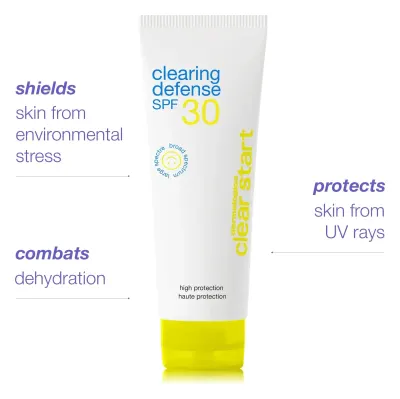 Dermalogica clearing defense spf30Amazon
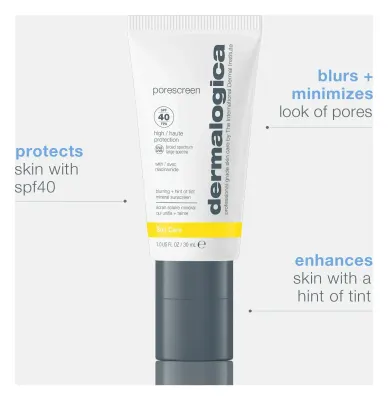 Dermalogica porescreen mineral sunscreen spf40Amazon
Hydrating Toners, Essence Waters & Face Mists (7)
 Dermalogica antioxidant hydramistAmazon
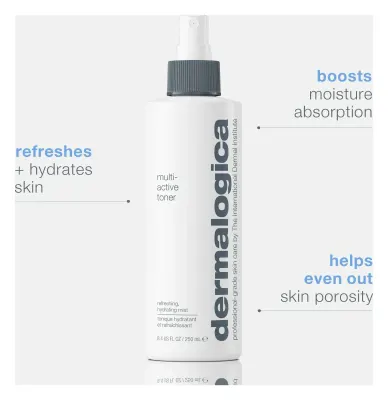 Dermalogica multi-active tonerAmazon
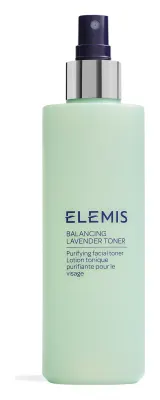 Elemis Balancing Lavender TonerAmazon
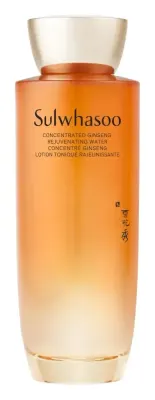 Sulwhasoo Concentrated Ginseng Rejuvenating WaterAmazon
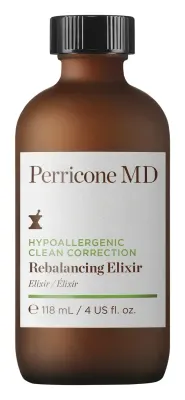 Perricone MD Hypoallergenic Clean Correction Rebalancing ElixirAmazon
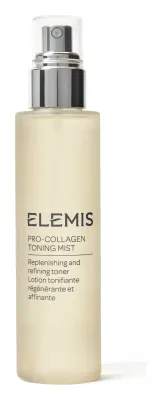 Elemis Pro-Collagen Toning MistAmazon
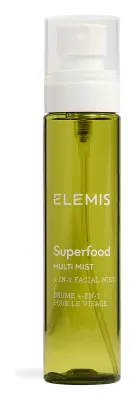 Elemis Superfood Multi MistAmazon
Hydrating Serums, Essences & Ampoules (7)
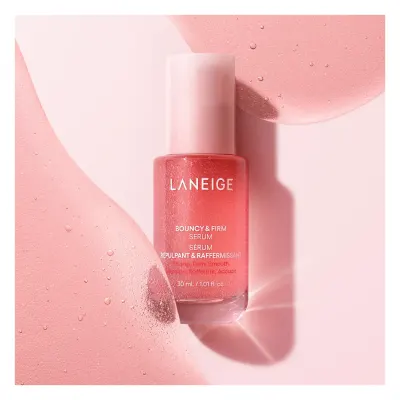 Laneige Bouncy & Firm SerumAmazon
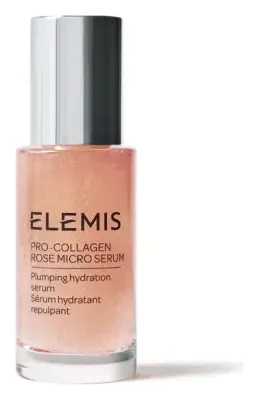 Elemis Pro-Collagen Rose Micro SerumAmazon
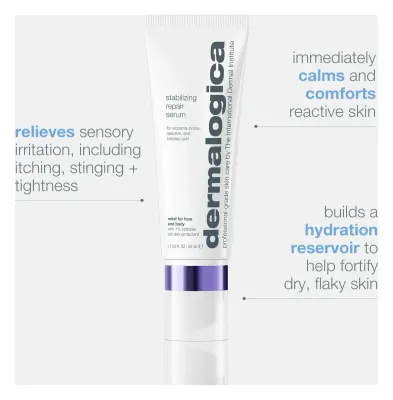 Dermalogica stabilizing repair face + body serumAmazon
 Dermalogica circular hydration serum with hyaluronic acidAmazon
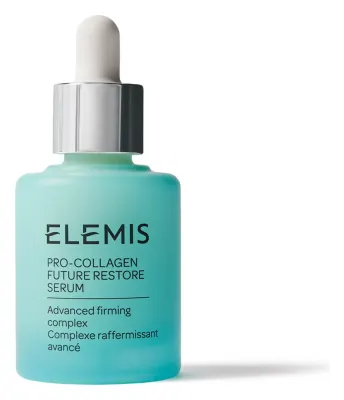 Elemis Pro-Collagen Future Restore SerumAmazon
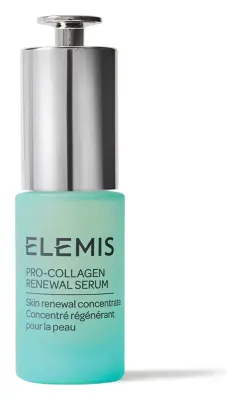 Elemis Pro-Collagen Renewal SerumAmazon
 Elemis ULTRA SMART Pro-Collagen Complex SerumAmazon
Targeted Vitamin C & Brightening Correctors (4)

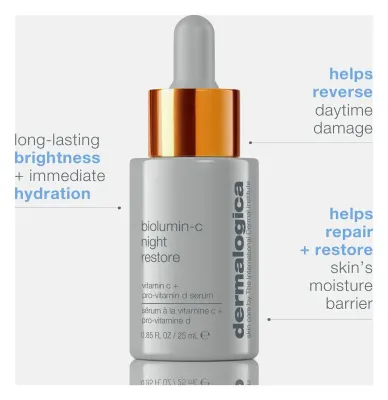
Sheet, Hydrogel & Clay Masks (4)
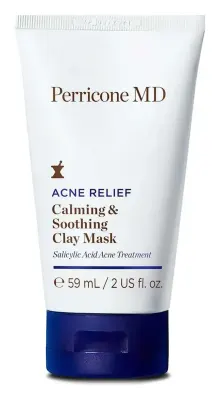
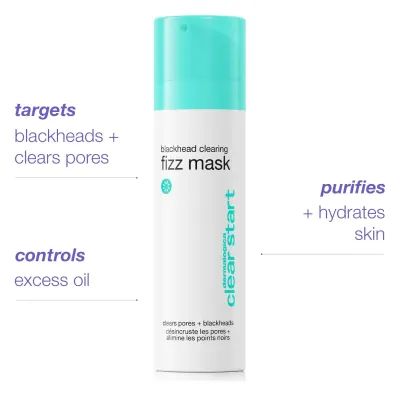
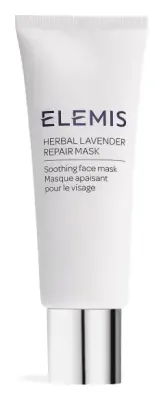

Dermatological Acne & Chemical Exfoliating Liquids (4)
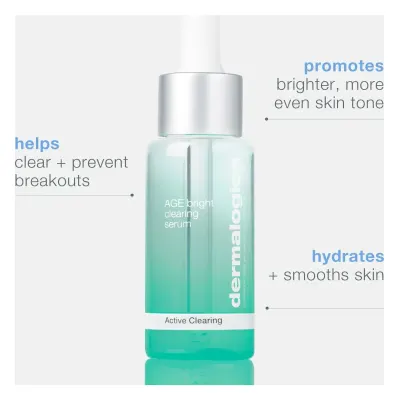
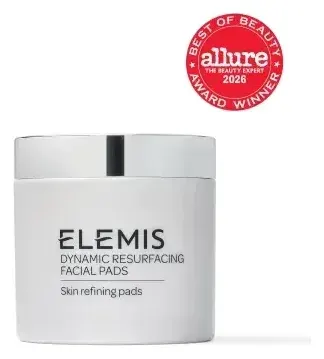
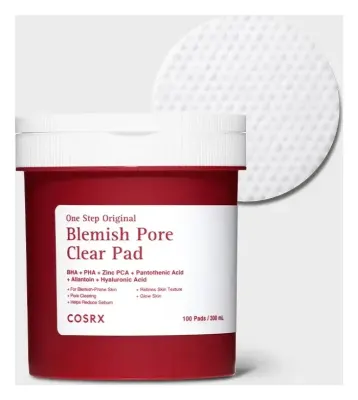
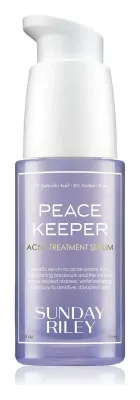
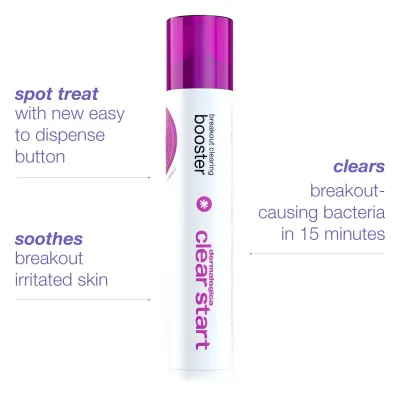
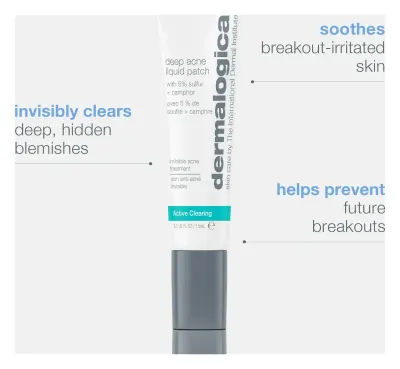
Pimple Patches & Overnight Spot Treatments (3)
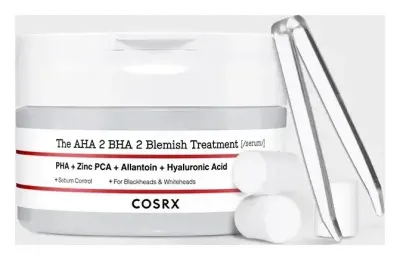
Premium Double-Cleansing Balms & Melting Gels (2)
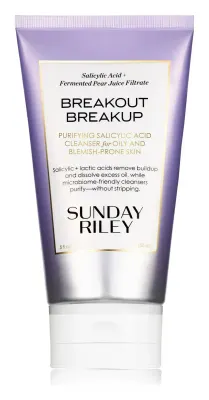
Cream & Gel Treatment Masks (2)

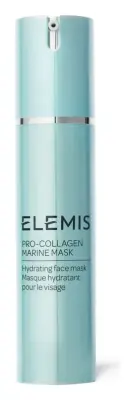
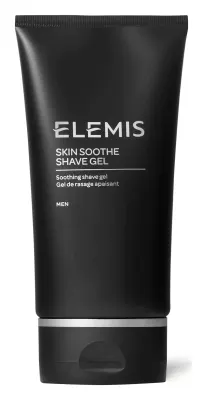
Shaving Creams, Gels & Oils (1)
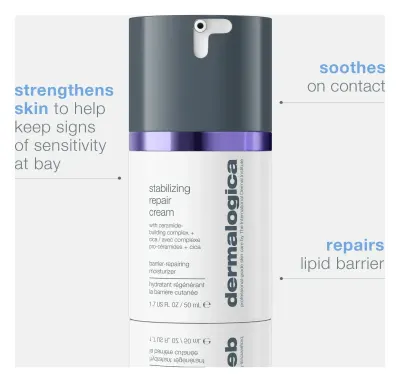
Skin Barrier Repair Creams & Recovery Jars (1)
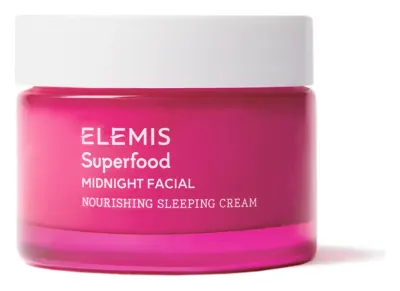
Premium Overnight Recovery Packs & Sleeping Facials (1)
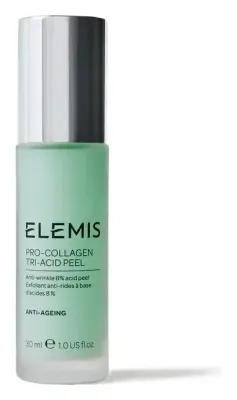
Physical & Enzyme Face Exfoliants (1)
Common questions
Is sodium hydroxide the same as lye?
Yes. Sodium hydroxide is commonly called lye and is caustic as a concentrated raw material. In many skincare formulas, it is added in small amounts to adjust pH and reacts with acids during neutralization.
Will sodium hydroxide burn my skin in a moisturizer?
The word on an ingredient list does not mean the finished product contains caustic lye in its original form. It is commonly used to bring a formula to its target pH, where much of it has reacted with acids. The finished product's design and pH matter.
Why is sodium hydroxide in skincare?
It is mainly a pH adjuster. A formulator can use it to raise a formula's pH or neutralize an acidic ingredient, helping the product land at its intended acidity.
Is sodium hydroxide an active ingredient?
In a typical moisturizer or serum, it is a helper ingredient rather than the reason to buy the product. Its job is to adjust the formula, not to deliver a skincare benefit on its own.