Yeast Extract
What yeast extract (faex) does in skincare, why it isn't live yeast, what the 2024 safety review found, and who might patch-test first.
No specific flag recordedIn 14 products we cover
We may earn a commission when you buy through links on this page. It never changes what we recommend.
Quick facts
- INCI name
- Yeast Extract
- Origin
- Biotech (fermentation)
- Chemical class
- Microbial extract (yeast-derived)
- What it does in a formula
- skin conditioning, skin protecting
- Why it is in the formula
- A conditioning extract that adds to a product's moisturized, smooth feel.
- Regulatory notes
- The Cosmetic Ingredient Review panel (2024) concluded that generically named yeast ingredients are safe when derived from yeast species with both food-use and skin sensitization data, or with sufficient composition data. It found the data insufficient for some other yeast-derived ingredients.
What is Yeast Extract?
Yeast extract is made by extracting yeast with a liquid such as water, glycerin or a glycol, which gives a concentrate. That concentrate is then blended with a carrier and a preservative system before it goes into a product. Labels often print it as “Yeast Extract/Faex/Extrait de Levure”, the English, Latin and French names together.
“Yeast” covers many species. The 2024 safety review notes that a generic yeast extract can come from several different yeast species, and the label usually doesn’t say which. Extracts named after a specific yeast, such as saccharomyces extracts, are listed separately.
What does Yeast Extract do?
- Conditions skin. The safety review reports that most yeast-derived ingredients work as skin-conditioning or skin-protecting agents.
- Adds to the feel of a formula. In moisturizers, masks and serums it contributes to a smooth, moisturized finish alongside other humectants.
- Can play other roles. Across the yeast group, the review also lists humectant, antioxidant and film-forming functions, depending on how the ingredient is made.
It’s a supporting ingredient. You may see claims about radiance or renewal on packaging; treat those as the brand’s claims about its own formula.
Who is Yeast Extract for?
It suits most skin types. The 2024 review concluded generically named yeast ingredients are safe when derived from species with food-use and skin sensitization data or sufficient composition data, and it found the data insufficient for some other yeast ingredients. That’s a reason to patch-test if your skin reacts easily, not a reason to worry.
If you’re dealing with breakouts you suspect are fungal, yeast extract isn’t the same as the live yeast involved. The fungal acne ingredients guide covers what does and doesn’t matter, and a dermatologist can confirm what’s going on.
What to pair Yeast Extract with, and what to avoid
There’s nothing to pair or avoid. It usually sits alongside humectants such as glycerin and other ferments, such as lactobacillus ferment, in the same formula.
How it appears on labels: Yeast Extract/Faex/Extrait De Levure; Yeast Extract Faex Extrait De Levure; Yeast Extract
Quick picks with Yeast Extract
Best pick with no fragrance listed
No scent or sensitivity flags recorded in our glossary
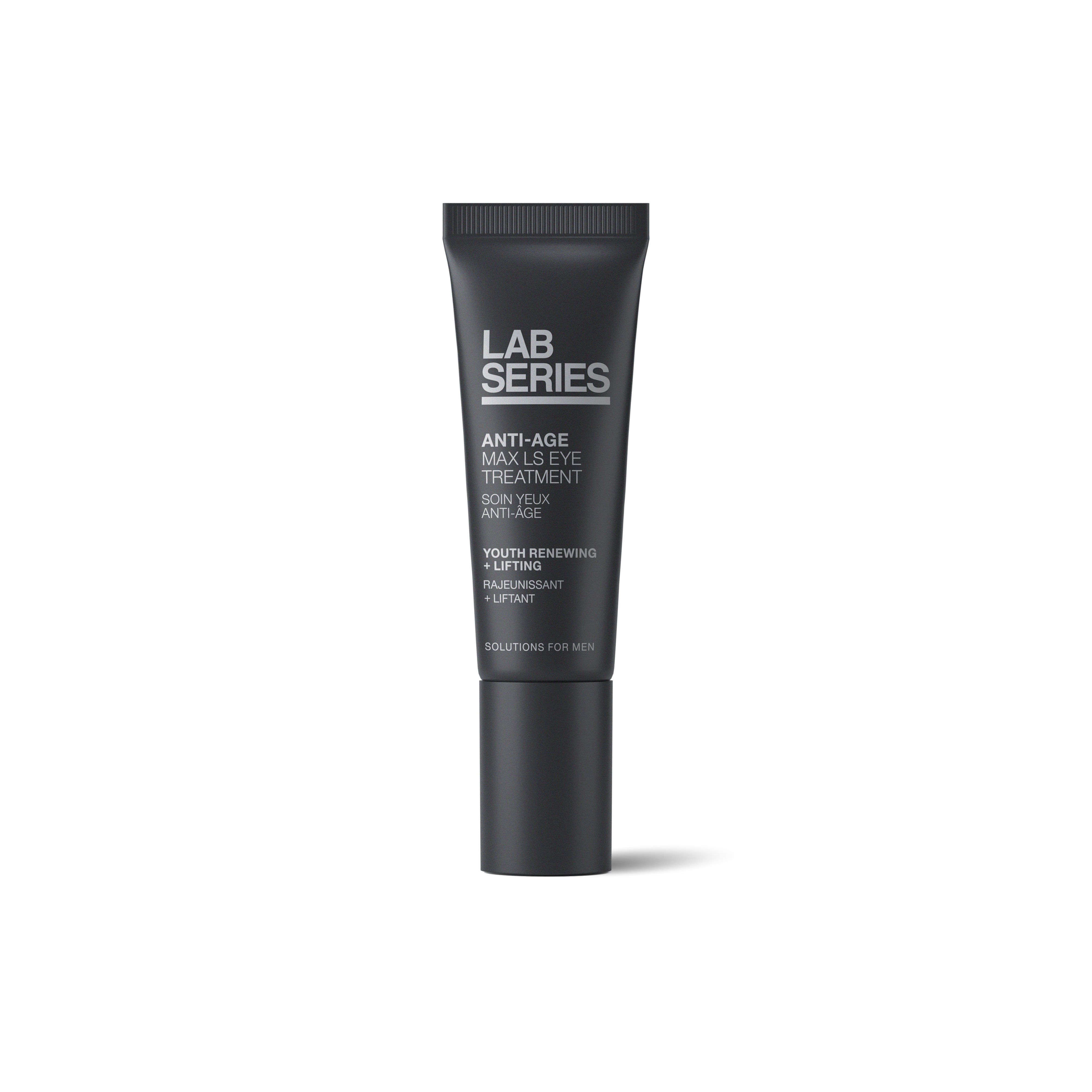
Lab Series Anti-Age Max LS Eye Treatment Gel-Cream
Palmitoyl tetrapeptide-7, acetyl hexapeptide-8, hydrolyzed rice extract, sodium hyaluronate · oily, dry, combination, sensitive, normal skin · no scent flags recorded
Best for oily skin
Brand lists it for oily skin
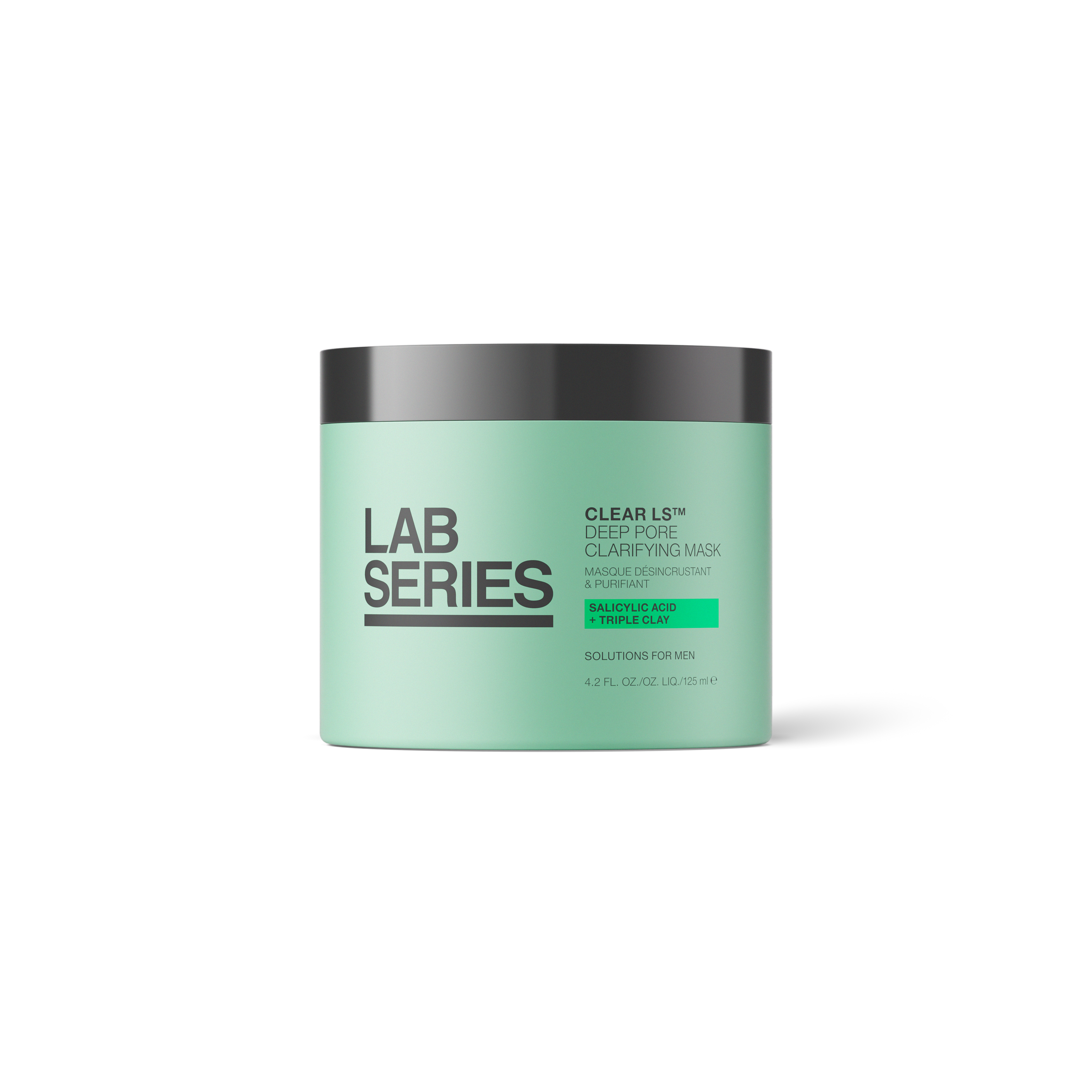
Lab Series Clear LS Deep Pore Clarifying Clay Mask
Three clays, salicylic acid · combination, normal, oily skin · scent ingredients flagged
Best for dry skin
Brand lists it for dry skin
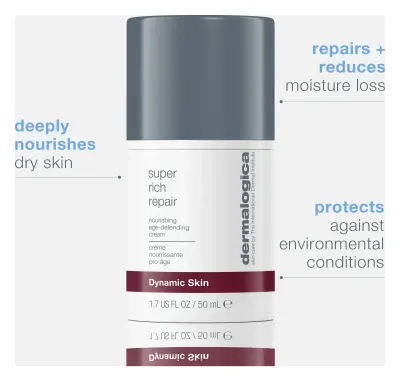
Dermalogica Super Rich Repair Moisturizer
Peptides, shea butter, evening primrose oil, borage oil, and jojoba oil · dry skin · scent ingredients flagged
All 14 products with Yeast Extract
Daily Moisturizers & Water Gel Creams (4)
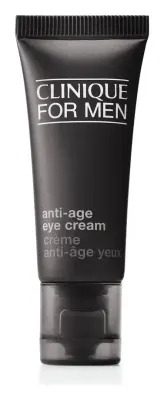
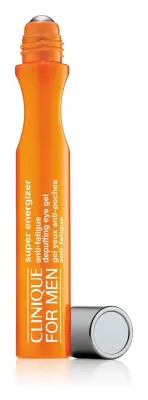
Eye Creams & Under-Eye Patches (4)
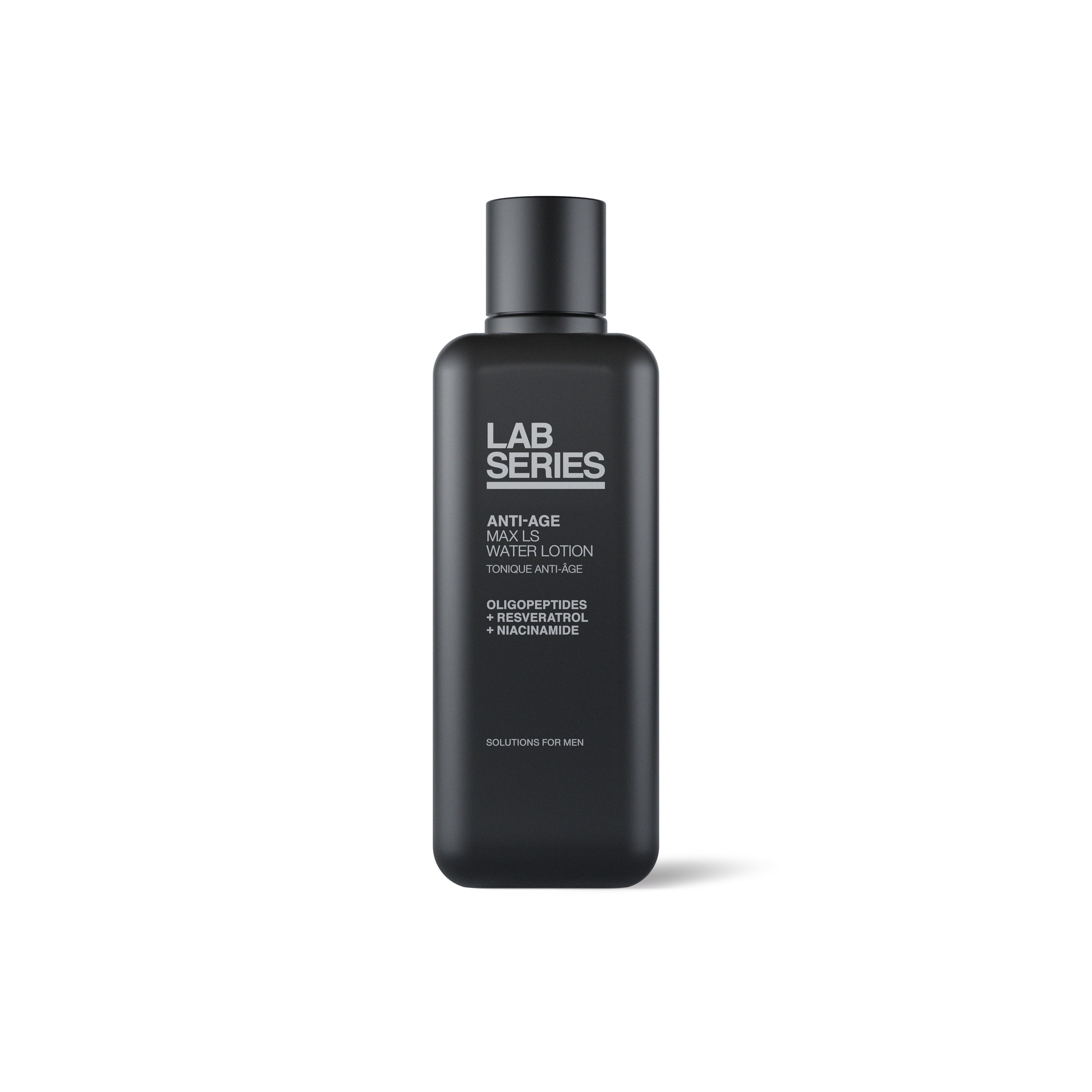
Hydrating Toners, Essence Waters & Face Mists (1)
Sheet, Hydrogel & Clay Masks (1)
Hydrating Serums, Essences & Ampoules (1)
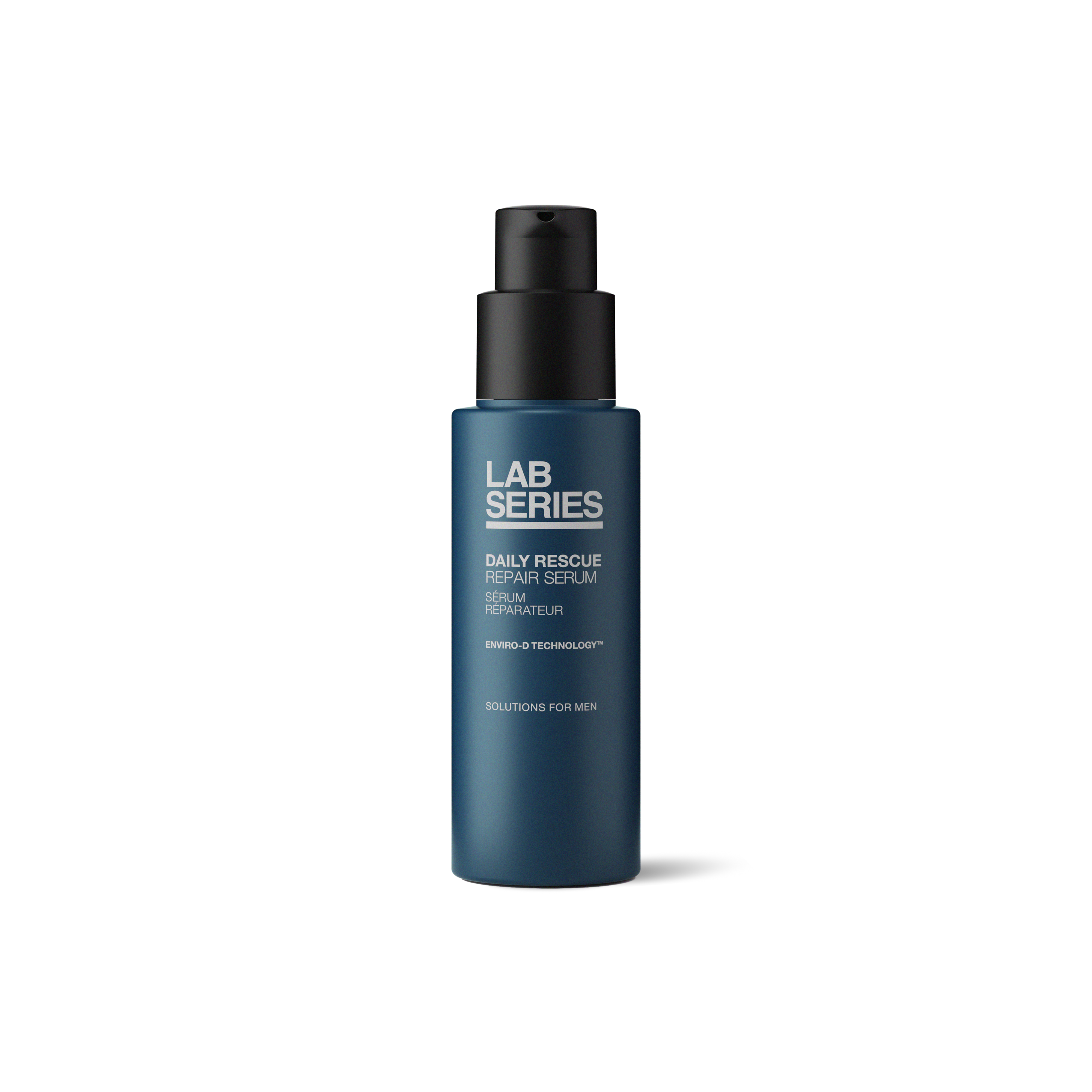
Daily Sunscreens & SPF Moisturizers (1)
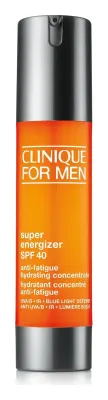
Targeted Vitamin C & Brightening Correctors (1)

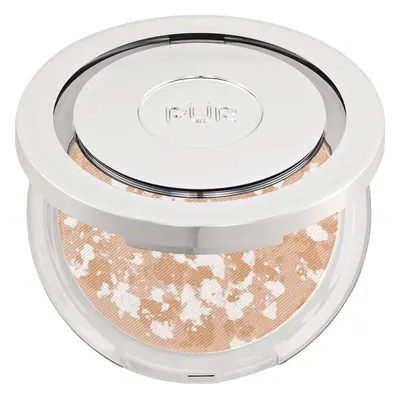
Mineral Pressed Powders & Skin-Nourishing Primers (1)
Common questions
Is yeast extract live yeast?
No. It's an extract made by soaking yeast in a liquid such as water or glycerin to pull out its contents, then blending that concentrate with a preservative. It's an extract, not a culture of living yeast.
What does yeast extract do for skin?
Most yeast-derived ingredients are listed as skin-conditioning or skin-protecting agents. In practice, that means it adds to a product's moisturized, smooth feel. Bigger claims on packaging are the brand's own and depend on its formula.
Is yeast extract safe?
A 2024 cosmetic safety review concluded that generically named yeast ingredients are safe when they come from yeast species with food-use and skin sensitization data, or have enough composition data. As with any extract, patch-test a new product if your skin reacts easily.
Why does my label say Faex or Extrait de Levure?
Those are the Latin and French names for yeast extract. Some labels print all three names together so the list works in more than one country.