Caprylhydroxamic Acid
What caprylhydroxamic acid does as a cosmetic preservative, how it helps support water-based formulas, and who may want to patch-test.
Extremely safeIn 13 products we cover
We may earn a commission when you buy through links on this page. It never changes what we recommend.
Quick facts
- INCI name
- Caprylhydroxamic Acid
- CAS number
- 7377-03-9
- Origin
- Synthetic
- Chemical class
- Hydroxamic acid
- What it does in a formula
- preservative, chelating
- Why it is in the formula
- Supports preservation and helps bind trace metal ions in some formulas.
What it is
Classified as a synthetic organic hydroxamic acid, caprylhydroxamic acid functions in cosmetics as a preservative booster and chelating agent. By binding trace metal ions, it helps preserve formula stability and protect product shelf life. While its name sounds similar to caprylic acid, it is a chemically distinct ingredient that often works in preservation blends.
Preservatives are particularly important in water-based products. Water, repeated opening, fingers, and bathroom storage can create opportunities for microbial contamination. Product packaging, manufacturing practices, and storage instructions matter too, but preservation is part of the formula’s design. Caprylhydroxamic acid is a supporting ingredient, not a reason to buy a product for a skin benefit. It appears in creams, lotions, and other cosmetics where the formulator needs a system to support product quality.
What it does
- Supports preservation. It can help a formula resist microbial growth as part of a broader preservation system.
- Chelates trace metals. Binding metal ions can help protect formula stability.
- Supports product quality. It works alongside packaging and proper storage to help a product remain suitable for normal use.
Who it suits
Caprylhydroxamic acid can appear in products for a range of skin types because its primary role is inside the formula. It is not an active that you need to seek out or avoid automatically. The label does not tell you the level used, and the complete product determines how it feels. Someone with a known sensitivity to an ingredient should check the full list and consider asking a dermatologist about recurring reactions.
The fact that an ingredient is a preservative does not make a product harsh, and a product labeled preservative-free is not automatically preferable. Water-containing formulas need appropriate protection from contamination. If a product causes persistent irritation, stop using it and do not assume caprylhydroxamic acid is the cause without considering the other ingredients. Use the product as directed, keep the cap clean, and follow the storage guidance on the package.
What to pair it with, and what not to
This is a formula helper, not a step to layer on its own. It can appear alongside other preservation ingredients, including phenoxyethanol or parabens, depending on the formula. You do not need to pair it with a serum or moisturizer.
Skin Realist check: Preservatives are meant to be quietly useful. That is the whole job description.
Quick picks with Caprylhydroxamic Acid
Scent-free, no patch-test flags on the label
Perricone MD High Potency Triple Retinol Renewal Serum
Triple retinol blend, coenzyme Q10, and beta-carotene · oily, dry, combination, sensitive, normal skin · scent-free label
AmazonBrand lists it for sensitive skin
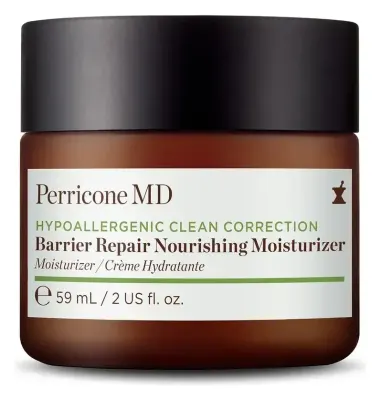
Perricone MD Hypoallergenic Clean Correction Barrier Repair Nourishing Moisturizer
Peptides, ceramides, and mushroom extract · sensitive skin · scent-free label
AmazonBrand lists it for oily skin
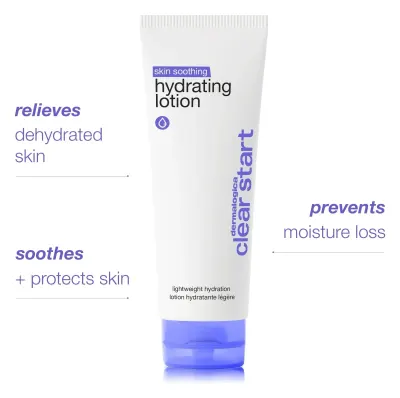
Dermalogica skin soothing hydrating lotion
Plant-based squalane, sodium hyaluronate, ginger, orange, and grapefruit · oily, dry, combination, sensitive, normal skin · scented
Amazon

All 13 products with Caprylhydroxamic Acid
Anti-Aging & Retinoid Serums (2)

Daily Moisturizers & Water Gel Creams (2)

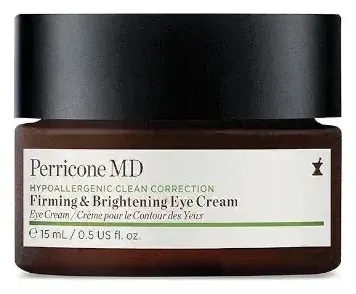
Eye Creams & Under-Eye Patches (2)

Skin Barrier Repair Creams & Recovery Jars (1)
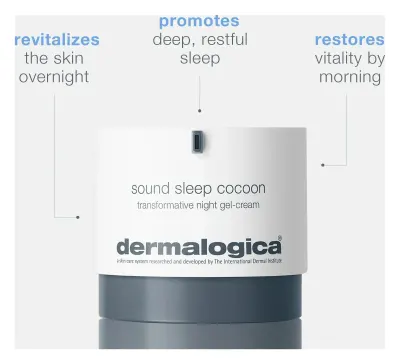
Premium Overnight Recovery Packs & Sleeping Facials (1)
Gel, Foam & Cream Facial Cleansers (1)
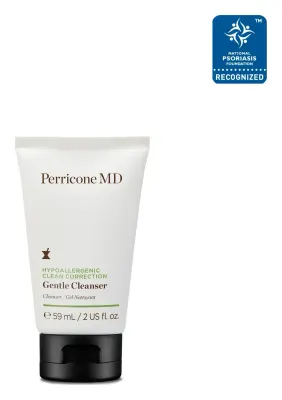
Daily Sunscreens & SPF Moisturizers (1)

Hydrating Serums, Essences & Ampoules (1)

Hydrating Toners, Essence Waters & Face Mists (1)
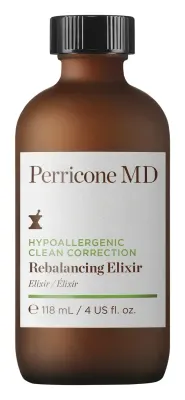
Dermatological Acne & Chemical Exfoliating Liquids (1)

Common questions
What is caprylhydroxamic acid in skincare?
It is a hydroxamic acid used in cosmetics as a preservative-supporting ingredient and chelator. It may be part of a broader preservation system rather than the only preservative in a product.
Why do water-based products need preservatives?
Water-based formulas can support the growth of microbes after production, especially as a product is opened and used. Preservatives help protect product quality along with proper packaging, manufacturing, and storage.
Is caprylhydroxamic acid the same as caprylic acid?
No. The names sound similar, but caprylhydroxamic acid and caprylic acid are different compounds. The hydroxamic acid group gives caprylhydroxamic acid distinct formulation functions.
Who should patch-test caprylhydroxamic acid?
Anyone with reactive skin or a history of reacting to cosmetic preservatives may want to patch-test a new product. A label does not reveal the ingredient's amount or whether it caused a past reaction.