Cetyl Alcohol
A guide to cetyl alcohol, the creamy fatty alcohol used to soften and thicken cosmetics, and why it is not a drying alcohol.
Extremely safeIn 29 products we cover
We may earn a commission when you buy through links on this page. It never changes what we recommend.
Quick facts
- INCI name
- Cetyl Alcohol
- CAS number
- 36653-82-4
- Origin
- Plant-derived or Animal-derived or Synthetic
- Chemical class
- Fatty alcohol
- What it does in a formula
- emollient, emulsifying, viscosity controlling, skin conditioning
- Why it is in the formula
- Usually added to soften skin and give creams and lotions a richer, more stable texture.
What it is
Far from being a harsh, drying alcohol, cetyl alcohol is a solid fatty alcohol that softens the skin and provides body to lotions and creams. The chemical term alcohol describes its molecular functional group, not its physiological feel. You will routinely find this waxy emollient in moisturizers, conditioners, and cleansers to improve creaminess and spread.
Cetyl alcohol can be made from plant-derived fatty acids, often from coconut or palm sources, from animal fats, or through synthetic routes. The label usually does not tell you which source a manufacturer used. In the formula, it can act as an emollient and thickener. It may also help oil and water components stay blended, so a cream does not separate as easily.
What it does
- Softens skin. As an emollient, cetyl alcohol helps leave a smoother, less dry-feeling surface.
- Adds creaminess. It increases viscosity, giving a lotion or cream body and helping it spread with a cushiony feel.
- Supports emulsions. It can help stabilize mixtures of oil and water, often alongside other emulsifiers.
- Helps product consistency. A structured formula is easier to dispense and apply. Cetyl alcohol is a supporting ingredient, not necessarily the reason a formula is designed for a particular skin concern.
Who it suits
Many people use products containing cetyl alcohol without a problem, including those with dry or normal skin who like richer creams. It is not automatically a poor choice for oily or blemish-prone skin. The finished formula and your experience matter more than a single ingredient name, and old comedogenic charts do not predict what a complete product will do for you.
A small number of people can become sensitized to ingredients in cosmetics, including fatty alcohols. If you have a known reaction to cetyl alcohol, check labels and ask a dermatologist about alternatives. If a product repeatedly causes discomfort, stop using it and review all of its ingredients. The key myth-buster bears repeating: cetyl alcohol is not the same as the denatured alcohol sometimes included for a quick-drying feel. See denatured alcohol for that different ingredient.
What to pair it with, and what not to
You do not need to pair cetyl alcohol with a separate active. It often appears in the same cream as humectants, oils, or barrier-supporting ingredients because its role is to soften and structure the product. Choose the overall texture you like and use it as directed. If a rich formula feels too heavy, try a lighter lotion rather than blaming every fatty alcohol.
Skin Realist check: Ingredient names are not great bedtime reading, and they do not need to be.
Quick picks with Cetyl Alcohol
Scent-free, no patch-test flags on the label
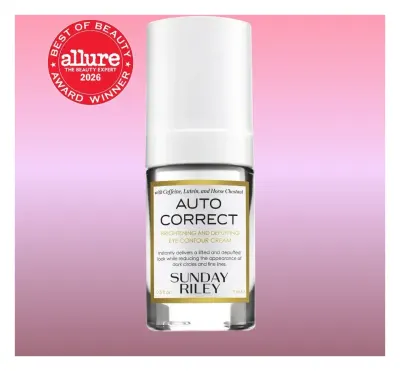
Sunday Riley Auto Correct Brightening + Depuffing Eye Cream
Caffeine · scent-free label
AmazonBrand lists it for sensitive skin
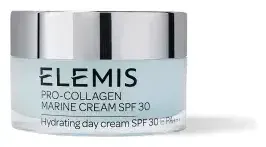
Elemis Pro-Collagen Marine Cream SPF 30
Avobenzone 1% · oily, dry, combination, sensitive, normal skin · scented
AmazonBrand lists it for oily skin
Elemis Pro-Collagen Marine Cream for Men
Padina pavonica, ginkgo biloba, and wheat germ oil · combination, dry, normal, oily skin · scented
Amazon
All 29 products with Cetyl Alcohol
Daily Moisturizers & Water Gel Creams (10)
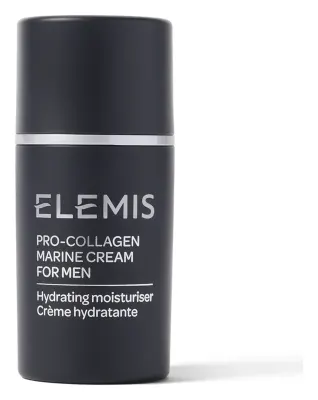 Elemis Pro-Collagen Marine Cream for MenAmazon
 Elemis Pro-Collagen Night CreamAmazon
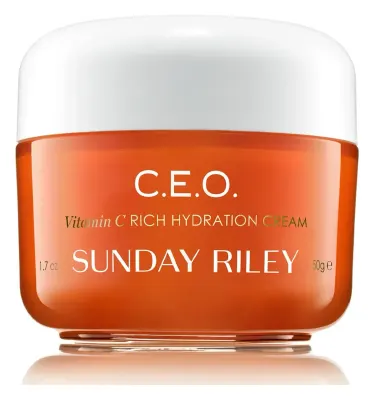 Sunday Riley C.E.O. Vitamin C Rich Hydration CreamAmazon
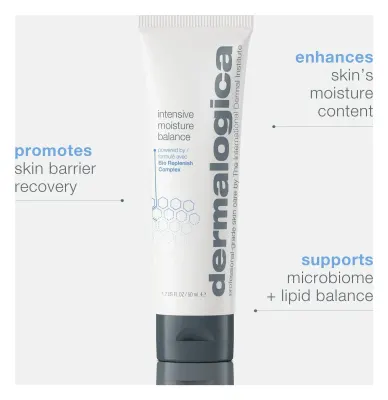 Dermalogica intensive moisture balance moisturizerAmazon
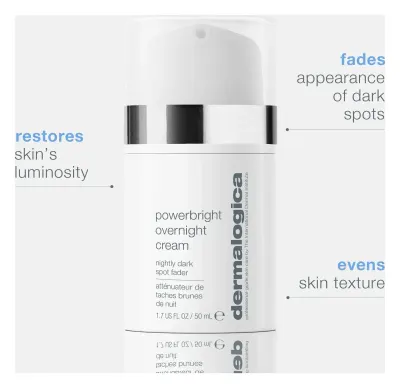 Dermalogica powerbright overnight creamAmazon
 Dermalogica skin smoothing cream moisturizerAmazon
 Elemis ULTRA SMART Pro-Collagen Day CreamAmazon
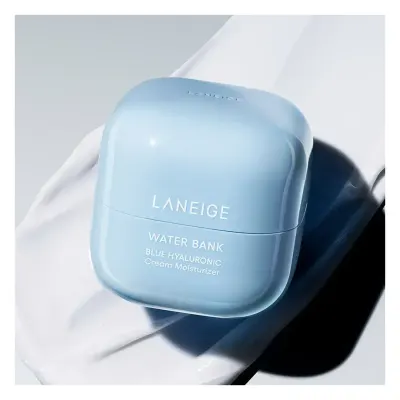 Laneige Water Bank Blue Hyaluronic Cream MoisturizerAmazon
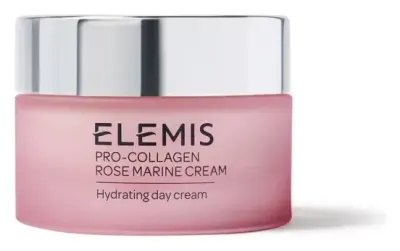 Elemis Pro-Collagen Rose Marine CreamAmazon
 Elemis ULTRA SMART Pro-Collagen Night GeniusAmazon
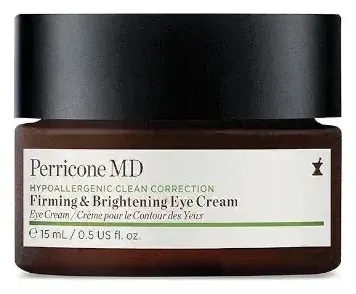
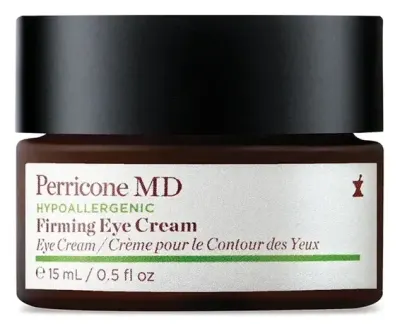
Eye Creams & Under-Eye Patches (5)


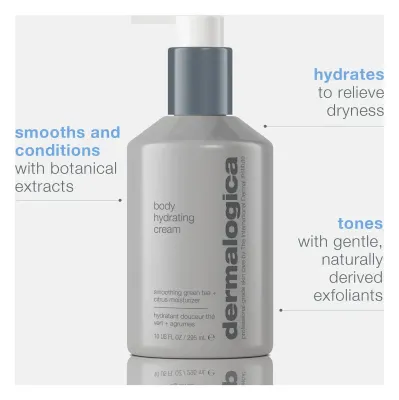
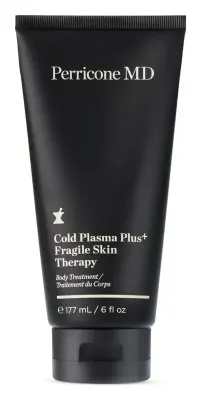
Body Creams, Butters & Body Oils (3)

Targeted Vitamin C & Brightening Correctors (2)
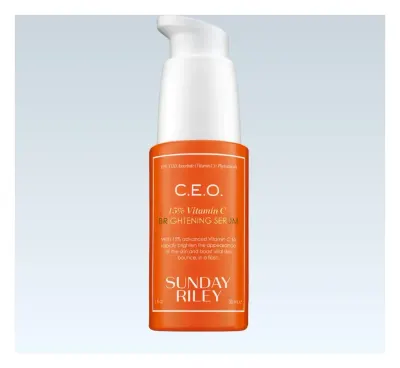

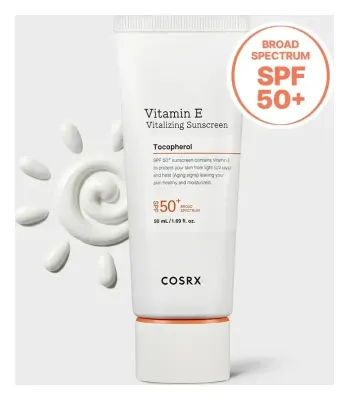
Daily Sunscreens & SPF Moisturizers (2)
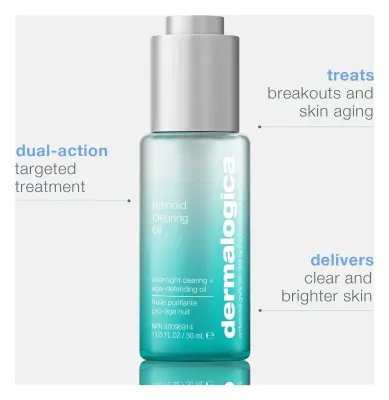
Anti-Aging & Retinoid Serums (2)

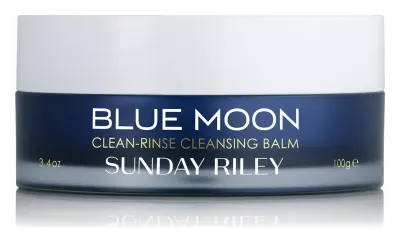
Premium Double-Cleansing Balms & Melting Gels (1)
Sheet, Hydrogel & Clay Masks (1)
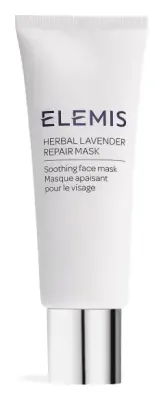
Intensive Lip Recovery Masks & Tinted Balms (1)
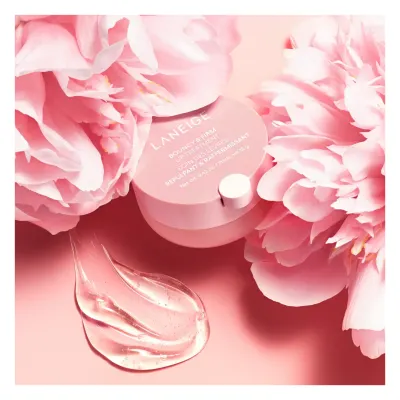
Gel, Foam & Cream Facial Cleansers (1)
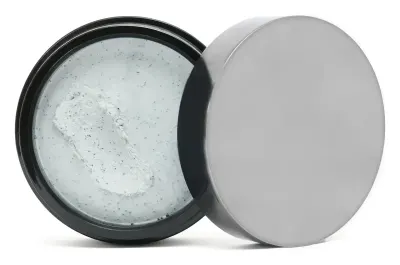
Blush, Bronzers & Highlighters (1)
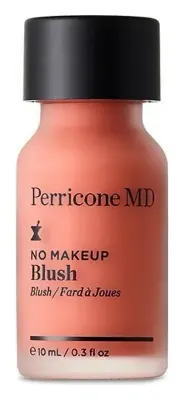
Common questions
Is cetyl alcohol a drying alcohol?
No. Cetyl alcohol is a fatty alcohol with a waxy, emollient character. It is chemically different from denatured alcohol, which can feel drying in some formulas.
What does cetyl alcohol do in moisturizer?
It helps soften skin and thickens the formula. It can also help oil and water components stay blended in a cream or lotion.
Is cetyl alcohol natural?
Its starting materials can come from plant oils, animal fats, or synthetic production. The ingredient label usually does not tell you which source was used.
Can cetyl alcohol clog pores?
Comedogenic ratings are not reliable predictors for finished products. Whether a moisturizer feels too rich depends on its full formula and your preferences.