Citral
What citral does as a citrus-smelling fragrance ingredient, why it appears on some labels, and who may prefer to avoid fragrance.
We may earn a commission when you buy through links on this page. It never changes what we recommend.
Quick facts
- INCI name
- Citral
- CAS number
- 5392-40-5
- Origin
- Plant-derived or Synthetic
- Chemical class
- Acyclic monoterpene aldehyde
- What it does in a formula
- fragrance
- Why it is in the formula
- Usually included for a lemon-like scent, either as a fragrance material or as a component of an essential oil.
- Regulatory notes
- EU rules require citral to be identified on the ingredient label above specified thresholds.
What it is
Citral is an aromatic fragrance compound composed of two isomeric aldehydes, geranial and neral, which combine to produce a vibrant lemon scent. It occurs naturally in citrus peels and aromatic botanical oils, but can also be manufactured synthetically for cosmetic use. On ingredient decks, it is identified by the single INCI name Citral.
Its job in skincare is usually scent, not skin conditioning or exfoliation. It can be part of a fragranced product’s aroma or come along with an essential oil used in the formula. If you are looking at the label because you avoid fragrance, citral is worth noticing. It is one of the specifically identified fragrance allergens in EU labeling rules when it exceeds the applicable threshold. People avoiding fragrance should skip it rather than treat the label as a promise that a product is otherwise fragrance-free.
What it does
- Adds a citrus scent. Citral gives a lemon-like note to fragrances and scented personal-care products.
- Contributes to an essential oil’s aroma. It can naturally occur in aromatic oils, so a product may contain citral as part of a botanical fragrance material.
- Does not serve as a required active. There is no need to seek citral for a skin-care benefit; it is mainly there for the sensory experience.
Who it suits
Citral can be a concern for people with a known fragrance allergy or a history of reacting to citral-containing products. It is recognized as a contact allergen for some people. If you have had repeated reactions, a dermatologist can help assess the cause and whether patch testing is appropriate. This is a specific sensitivity issue, not a reason for everyone to fear a label that includes citral.
If you are trying to avoid fragrance altogether, check for both the word Citral and broader terms such as Fragrance or Parfum. A fragrance blend may not reveal every component by name on every market’s label. See fragrance and essential oils for more context. If fragrance is not a concern for you, there is no special skin benefit or reason to choose citral over an unscented product.
What to pair it with, and what not to
Citral does not need to be paired with another skincare ingredient. It is part of a product’s scent, so choose the product for its overall formula and whether you enjoy fragranced skincare. Do not add it separately to a routine for a cosmetic result. If you are avoiding fragrance because of a known sensitivity, layering it with soothing ingredients does not make the fragrance component irrelevant.
Skin Realist check: If you are avoiding fragrance, you do not need to solve a mystery to earn the right to skip a scented product.
Quick picks with Citral
Brand lists it for sensitive skin
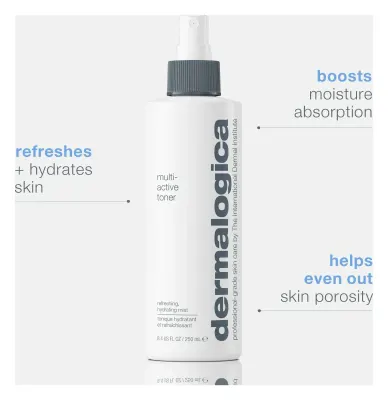
Dermalogica multi-active toner
Moisture-binding humectants, arnica, balm mint, and lavender · oily, dry, combination, sensitive, normal skin · scented
AmazonBrand lists it for oily skin
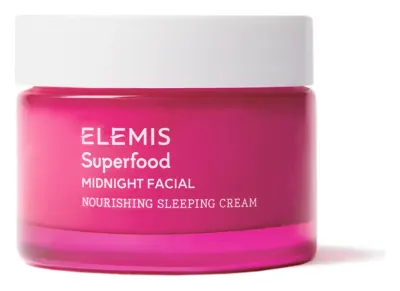
Elemis Superfood Midnight Facial
Cocoa seed butter, banana flower extract, camu camu, and prebiotic alpha-glucan oligosaccharide · combination, dry, normal, oily skin · scented
AmazonBrand lists it for dry skin
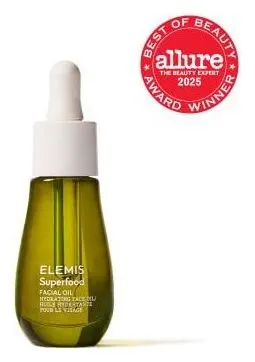
Elemis Superfood Facial Oil
Broccoli seed oil, linseed oil, cucumber oil, radish extract, squalane, and rosehip oil · combination, dry, normal skin · scented
Amazon
All 40 products with Citral
Body Creams, Butters & Body Oils (10)
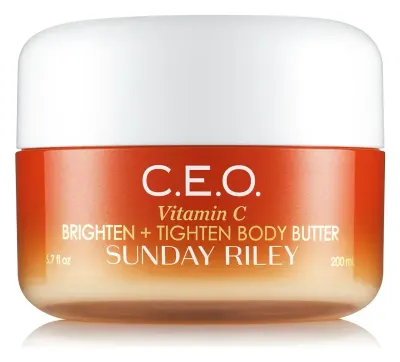 Sunday Riley C.E.O. Body ButterAmazon
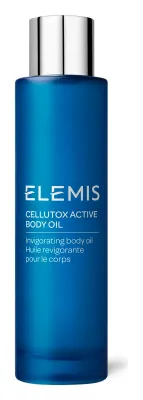 Elemis Cellutox Active Body OilAmazon
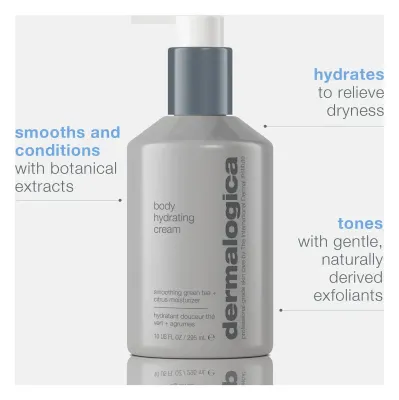 Dermalogica body hydrating creamAmazon
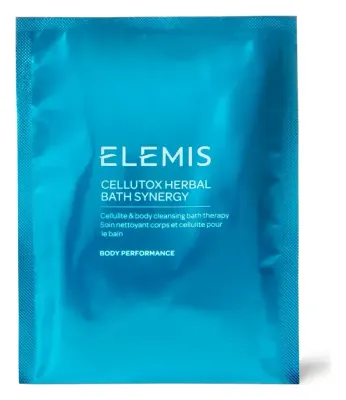 Elemis Cellutox Herbal Bath SynergyAmazon
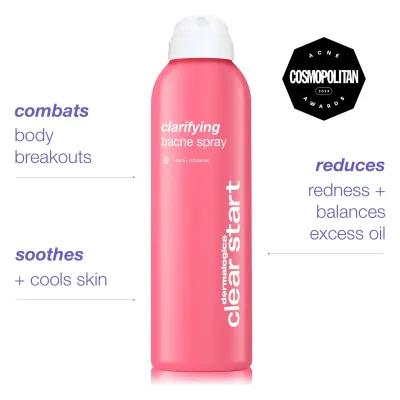 Dermalogica clarifying bacne sprayAmazon
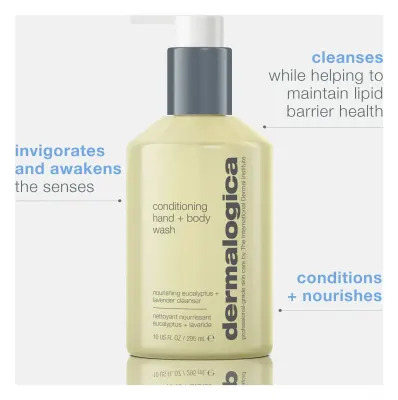 Dermalogica conditioning hand + body washAmazon
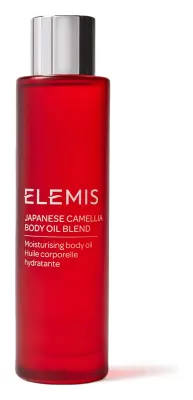 Elemis Japanese Camellia Body Oil BlendAmazon
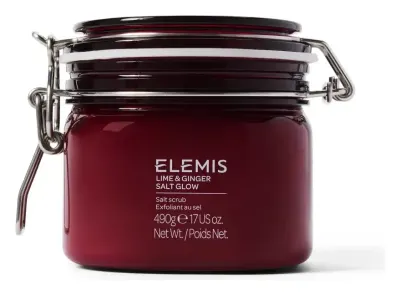 Elemis Lime & Ginger Salt GlowAmazon
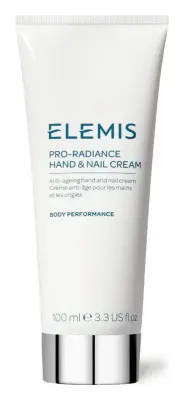 Elemis Pro-Radiance Hand & Nail CreamAmazon
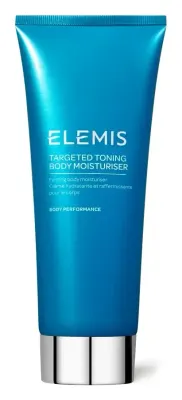 Elemis Targeted Toning Body MoisturiserAmazon
Daily Moisturizers & Water Gel Creams (6)
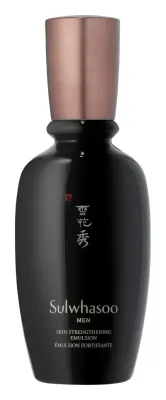
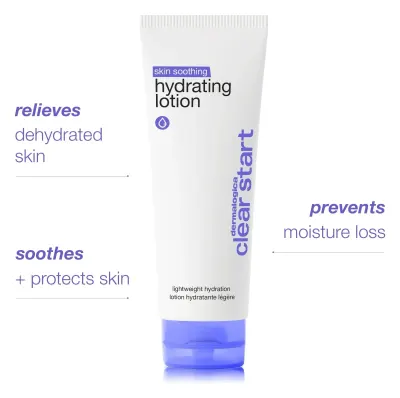




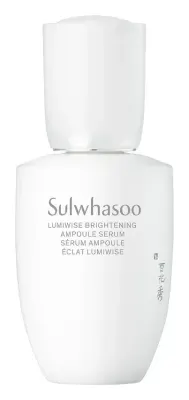
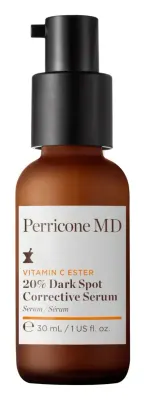
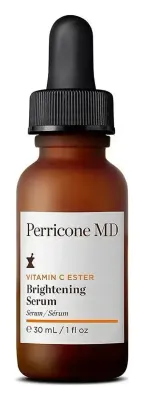
Targeted Vitamin C & Brightening Correctors (5)
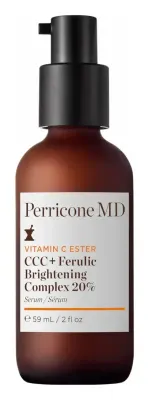

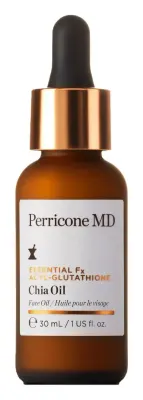
Face Oils & Treatment Oils (3)
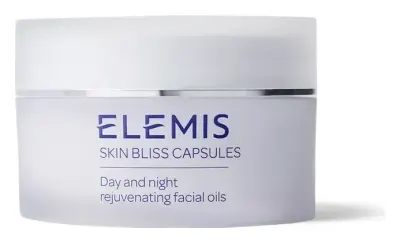
Skincare Sets & Routine Kits (3)
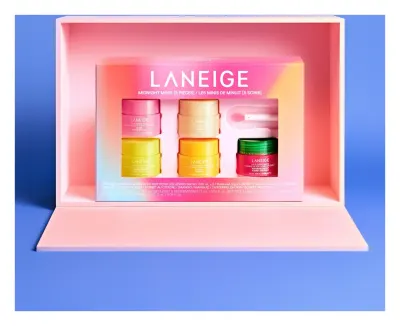
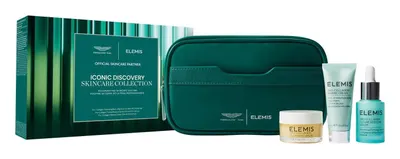
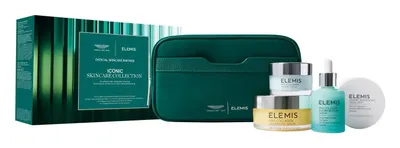
Hydrating Toners, Essence Waters & Face Mists (3)

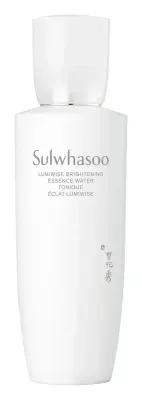
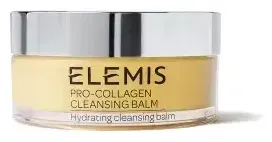
Premium Double-Cleansing Balms & Melting Gels (2)
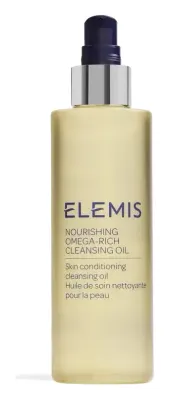
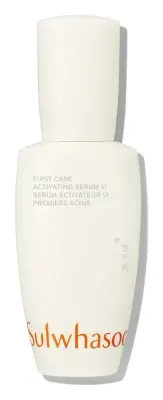
Hydrating Serums, Essences & Ampoules (1)
Dermatological Acne & Chemical Exfoliating Liquids (1)
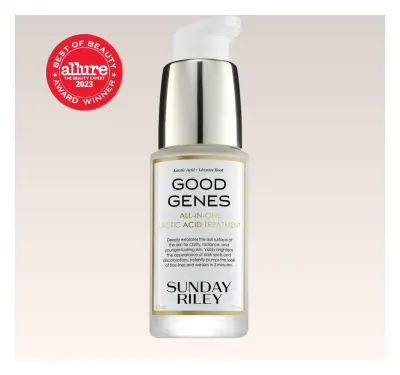
Premium Overnight Recovery Packs & Sleeping Facials (1)
Anti-Aging & Retinoid Serums (1)

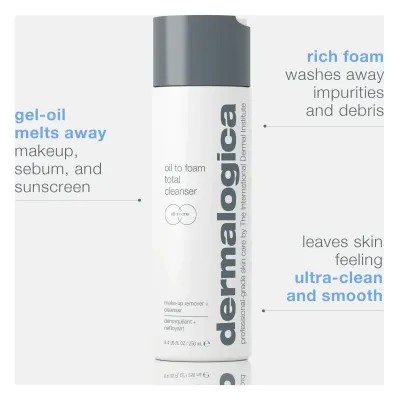
Gel, Foam & Cream Facial Cleansers (1)
Eye Creams & Under-Eye Patches (1)

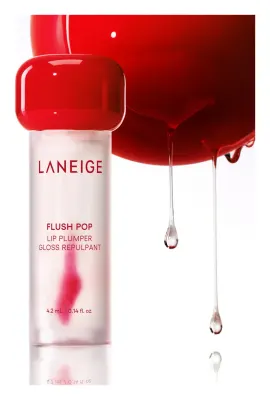
Lipsticks, Glosses & Lip Liners (1)
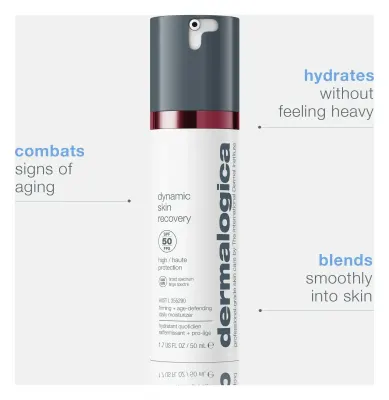
Daily Sunscreens & SPF Moisturizers (1)
Common questions
What does citral do in skincare?
Citral is mainly used for its lemon-like scent. It can occur naturally in essential oils and may also be added as a fragrance ingredient.
Is citral a fragrance allergen?
Citral is a known contact allergen for some people. If you have a fragrance allergy or have reacted to citral before, avoid products that list it and ask a dermatologist about identifying triggers.
Why is citral listed on some labels?
EU rules require certain fragrance allergens, including citral, to be listed above specified levels. In the United States, it may appear by name or as part of a fragrance blend, so the absence of the word does not always show whether a scent component is present.
Should I avoid citral if I have sensitive skin?
If your skin is sensitive to fragrance, a product listing citral may not be a good match. People who are not fragrance-sensitive do not need to treat it as a general danger, but anyone can react to a product.