Glutathione
What glutathione does in skincare, how the topical evidence compares with the hype, and what to expect from a supporting antioxidant.
Extremely safeIn 18 products we cover
We may earn a commission when you buy through links on this page. It never changes what we recommend.
Quick facts
- INCI name
- Glutathione
- CAS number
- 70-18-8
- Origin
- Biotech (fermentation) or Synthetic
- Chemical class
- Tripeptide antioxidant
- What it does in a formula
- antioxidant, skin conditioning
- Why it is in the formula
- Usually included as an antioxidant and skin-conditioning ingredient in a serum or cream.
What it is
A natural cellular tripeptide synthesized from glutamate, cysteine, and glycine, glutathione functions as an antioxidant and skin-conditioning ingredient in cosmetic formulas. Cosmetic grades are typically manufactured via fermentation. Formulas may feature standard glutathione or lipid-linked derivatives like S-Palmitoylglutathione, which are distinct chemical entities on ingredient lists. Both label variations appear across products in this guide.
Glutathione appears in serums and creams marketed around antioxidant support. Its role in the body is well studied, but that does not mean a topical formula produces the same effect. Research on topical skincare is limited, with much of the wider literature involving laboratory work or oral supplements rather than robust, large human trials of cosmetic products. Avoid interpreting the ingredient name as a promise of skin lightening or a medical effect.
What it does
- Provides antioxidant activity. Glutathione participates in antioxidant processes in biological systems. A cosmetic formula may use it to support an antioxidant theme, but topical results are not guaranteed.
- Adds a supporting active. It can be included alongside other skin-conditioning ingredients in a serum or cream.
- Offers a distinct derivative option. S-Palmitoylglutathione is a modified form used in some formulations; results from one glutathione form cannot automatically be assumed for another.
Who it suits
This ingredient may interest someone looking for antioxidant-focused skincare, but the topical evidence is limited. Do not choose it expecting a certain change in skin tone or a quick visible result. A product’s stability, delivery system, and other ingredients matter, and the ingredient list alone does not disclose the amount. Treat it as a supporting ingredient, not the reason to buy a product.
If your skin is reactive, introduce a product containing glutathione as you would any new formula and patch-test first. A reaction could be due to the full product rather than glutathione itself. If you are addressing a persistent condition or change in pigmentation, speak with a dermatologist rather than relying on a cosmetic ingredient. This guide does not cover oral glutathione supplements or their claims.
What to pair it with, and what not to
Glutathione does not require a special partner. It may appear in the same routine as familiar hydrators such as glycerin or hyaluronic acid, but layering cannot compensate for limited evidence or an unstable product. Follow directions for any other active you use and add one new product at a time if you have sensitive skin. There is no need to combine glutathione with a supplement.
Skin Realist check: An ingredient can have a fascinating job in biology and still need better topical evidence before it earns a dramatic label.
How it appears on labels: Glutathione; S-Palmitoylglutathione
Quick picks with Glutathione
Scent-free, no patch-test flags on the label
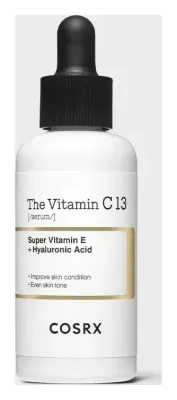
COSRX The Vitamin C 13 Serum
Ascorbic Acid (Vitamin C) 13% · scent-free label
AmazonBrand lists it for sensitive skin
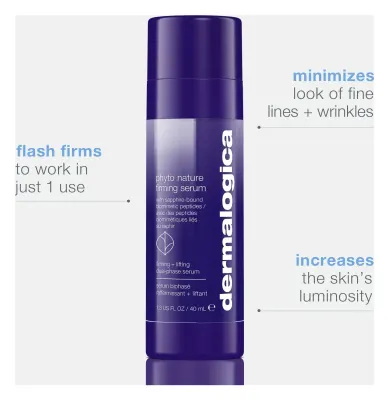
Dermalogica phyto nature firming serum
Sapphire-bound biomimetic peptides, camu camu, next-generation hyaluronic acid, Moroccan rockrose, and Madagascar green coffee bean · sensitive skin · scented
AmazonBrand lists it for oily skin
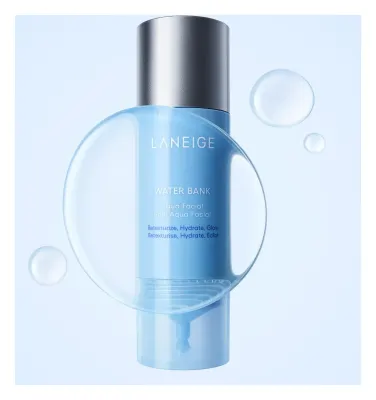
Laneige Water Bank Aqua Facial
AHA, BHA, PHA, niacinamide, ceramide NP, hyaluronic acid, polyglutamic acid · normal, dry, combination, oily, sensitive skin · scent-free label
Amazon
All 18 products with Glutathione
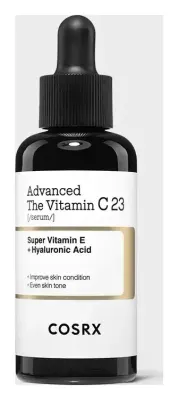
Targeted Vitamin C & Brightening Correctors (4)
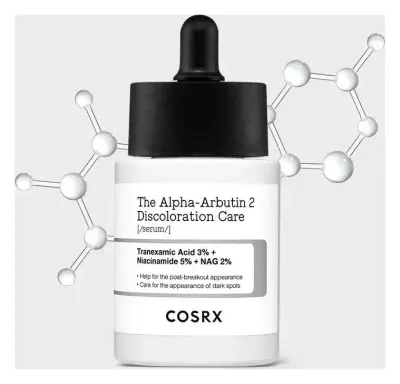

Anti-Aging & Retinoid Serums (3)


Eye Creams & Under-Eye Patches (3)

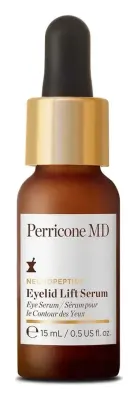

Premium Double-Cleansing Balms & Melting Gels (1)
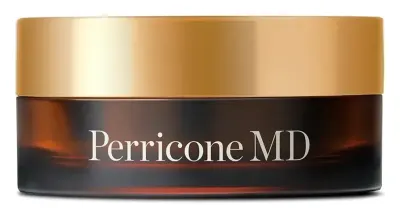
Premium Overnight Recovery Packs & Sleeping Facials (1)

Sheet, Hydrogel & Clay Masks (1)

Dermatological Acne & Chemical Exfoliating Liquids (1)
Hydrating Serums, Essences & Ampoules (1)
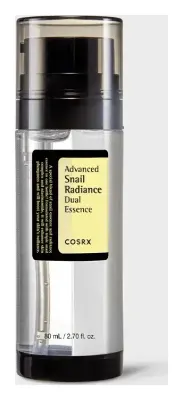
Face Oils & Treatment Oils (1)
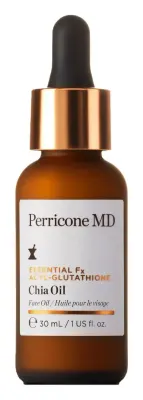
Daily Moisturizers & Water Gel Creams (1)

Eye Shadows, Liners, Mascara & Brow Makeup (1)
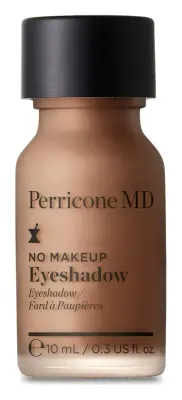
Common questions
What does glutathione do in skincare?
Glutathione is an antioxidant peptide that may help protect a formula or skin surface from oxidative stress. Evidence for topical cosmetic results is limited, and it should not be treated as a proven treatment.
Is glutathione effective in a face cream?
The evidence for topical glutathione is limited and includes laboratory work and small studies. A product listing it does not establish a predictable change in your skin.
Is topical glutathione the same as taking a supplement?
No. A topical cosmetic and an oral supplement are different routes with different evidence and uses. This guide is about ingredient lists on skincare products, not supplement benefits.
What is S-Palmitoylglutathione?
It is a glutathione-related derivative that may be used in cosmetics. It is a distinct label name, and evidence for one form should not automatically be applied to every other form.