Hexylene Glycol
What hexylene glycol does as a cosmetic solvent and humectant, why it is not a drying alcohol, and how it supports texture.
Extremely safeIn 17 products we cover
We may earn a commission when you buy through links on this page. It never changes what we recommend.
Quick facts
- INCI name
- Hexylene Glycol
- CAS number
- 107-41-5
- Origin
- Synthetic
- Chemical class
- Glycol (diol)
- What it does in a formula
- solvent, humectant, viscosity controlling
- Why it is in the formula
- Helps dissolve ingredients and adjust the texture of a cosmetic product.
What it is
In cleansers, serums, and makeup, hexylene glycol functions as a versatile solvent and humectant that dissolves ingredients and balances viscosity. A small molecule in the glycol family, it helps blend cosmetic components smoothly while drawing light hydration to the surface.
The word “glycol” is not the same as “drying alcohol.” Hexylene glycol is chemically distinct from a volatile ingredient such as alcohol denat., which can evaporate quickly and may leave some skin feeling tight. Hexylene glycol is used to help with solubility, water attraction, and texture. Its presence does not tell you exactly how the full product will feel.
What it does
- Helps dissolve ingredients. It can act as a solvent or co-solvent in a cosmetic formula.
- Supports hydration. As a humectant, it may help a product hold water and feel comfortable.
- Adjusts texture. It can affect a formula’s spread, thickness, or finish.
- Works behind the scenes. It is a supporting ingredient, not usually a headline active.
Who it suits
Hexylene glycol is used in many kinds of products, and most shoppers will not need to avoid it solely because it belongs to the glycol family. If you choose products based on texture, compare the whole formula: other solvents, emollients, humectants, and fragrance can all affect how it feels on your skin.
Sensitivity is individual. If you have reactive skin, introduce one new product at a time and patch-test if you are unsure. Stop using a product that causes persistent irritation. The ingredient name alone does not prove what caused a reaction, so a dermatologist can help if symptoms keep returning.
What to pair it with, and what not to
Hexylene glycol can appear with humectants such as glycerin or hyaluronic acid. It does not need to be balanced with a separate ingredient. You do not need to avoid it just because “glycol” sounds like “alcohol.”
Skin Realist check: A chemical name can look stern and still have a very ordinary job in a moisturizer.
Quick picks with Hexylene Glycol
Scent-free, no patch-test flags on the label
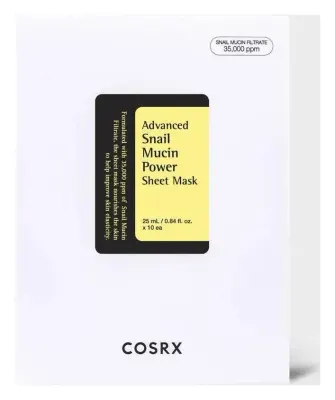
COSRX Advanced Snail Mucin Power Sheet Mask
Snail Secretion Filtrate · scent-free label
AmazonBrand lists it for dry skin
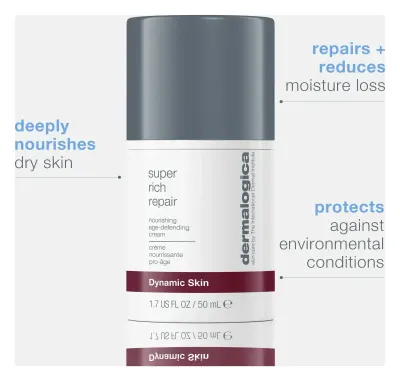
Dermalogica super rich repair moisturizer
Peptides, shea butter, evening primrose oil, borage oil, and jojoba oil · dry skin · scented
AmazonFeatured in our guides
Sunday Riley A+ High-Dose Retinoid Serum
Retinol + Hydroxypinacolone Retinoate · scent-free label
Amazon

All 17 products with Hexylene Glycol
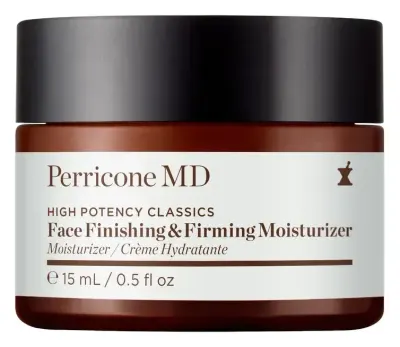
Daily Moisturizers & Water Gel Creams (2)
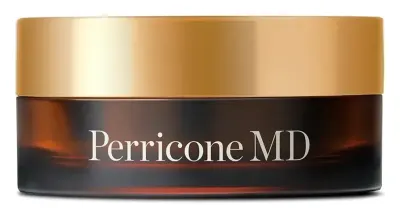
Premium Double-Cleansing Balms & Melting Gels (2)
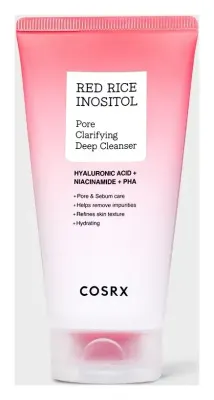
Gel, Foam & Cream Facial Cleansers (2)


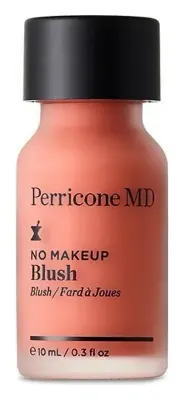
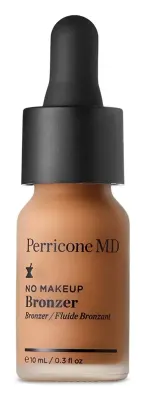
Blush, Bronzers & Highlighters (2)
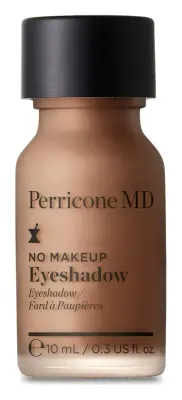
Eye Shadows, Liners, Mascara & Brow Makeup (2)
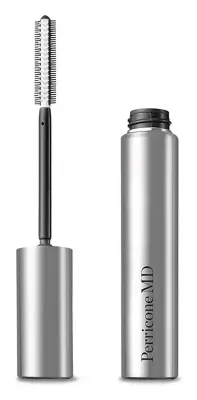
Anti-Aging & Retinoid Serums (1)
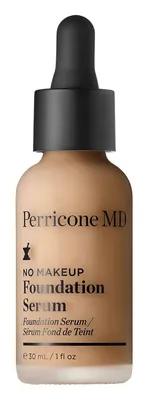
Full-Coverage Camouflage & Liquid Foundations (1)
Sheet, Hydrogel & Clay Masks (1)
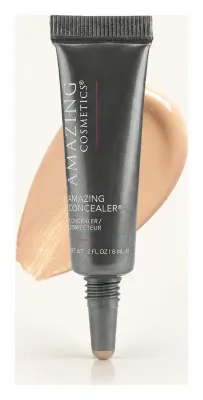
High-Definition Camouflage Concealers (1)
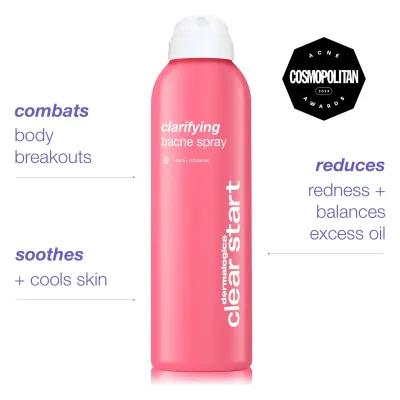
Body Creams, Butters & Body Oils (1)
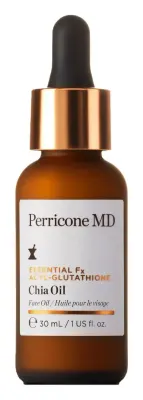
Face Oils & Treatment Oils (1)
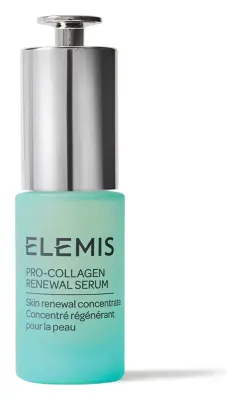
Hydrating Serums, Essences & Ampoules (1)
Common questions
What is hexylene glycol in skincare?
Hexylene glycol is a glycol used as a solvent and humectant in cosmetics. It can help dissolve ingredients and influence a product's texture.
Is hexylene glycol a drying alcohol?
No. It is a glycol, not a volatile drying alcohol such as denatured alcohol. Its formula structure gives it different uses, though how a finished product feels depends on the whole formula.
Can hexylene glycol irritate skin?
Some people may react to a product containing it, as they can to any ingredient. If a formula causes persistent discomfort, stop using it and seek advice from a dermatologist if needed.
Why is hexylene glycol in moisturizer?
It may help dissolve other ingredients, support the formula's texture, and contribute humectant properties. It is a supporting ingredient rather than the main reason to buy a moisturizer.