Hydroxyethyl Acrylate/Sodium Acryloyldimethyl Taurate Copolymer
Why this synthetic copolymer appears in serums and creams, how it changes texture, and what its long chemical name means.
Extremely safeIn 41 products we cover
We may earn a commission when you buy through links on this page. It never changes what we recommend.
Quick facts
- INCI name
- Hydroxyethyl Acrylate/Sodium Acryloyldimethyl Taurate Copolymer
- Origin
- Synthetic
- Chemical class
- Synthetic crosslinked copolymer
- What it does in a formula
- viscosity controlling, emulsion stabilizing, gelling
- Why it is in the formula
- Usually included as a thickener and stabilizer to give a serum or cream a smooth, consistent texture.
What it is
Behind its formidable INCI title, Hydroxyethyl Acrylate/Sodium Acryloyldimethyl Taurate Copolymer is a synthetic rheology modifier engineered to give cosmetic creams and serums a refreshing, quick-absorbing texture. It combines two polymer monomers that swell in water to form smooth gels. The complex name reflects its molecular construction rather than multiple active ingredients requiring separate attention.
You may see a small spacing variation on labels: Hydroxyethyl Acrylate/ Sodium Acryloyldimethyl Taurate Copolymer includes a space after the slash. It refers to the same named copolymer. The ingredient is a formulation helper, not a plant extract and not a source of hydration or exfoliation by itself. Manufacturers use ingredients like this to give a product a particular spread, thickness, and stability.
What it does
- Thickens a formula. It can help a watery mixture become a gel or a more substantial serum.
- Supports stability. A thickening network can help keep formula components evenly distributed and maintain a consistent appearance.
- Improves glide. It may contribute to a smooth, cushiony feel as a product spreads, although the overall texture depends on the complete formula.
- Helps products stay usable. A stable texture makes measuring and applying a product more predictable. It is not the reason to buy a product for a skin benefit.
Who it suits
This polymer is generally used as a texture-control ingredient rather than a direct active. Its presence alone does not determine whether a formula will feel light, sticky, or rich. Those impressions depend on its amount, the other thickeners and emollients, and the packaging.
Some people prefer simpler ingredient lists, while others mainly care about how the finished product performs for them. You cannot infer that this ingredient will clog pores from its name, and there is no dependable universal comedogenic score to use. If a product repeatedly feels uncomfortable or seems to bother your skin, stop using it and consider the whole formula. A dermatologist can help with ongoing or unexplained reactions.
The word polymer can prompt questions about microplastics. This ingredient is a synthetic polymer used to create texture, but its INCI name alone does not establish whether it meets a particular regulatory definition of a microplastic or how it behaves after use. Avoid drawing conclusions about particle form from the word polymer alone.
What to pair it with, and what not to
There is nothing to pair this copolymer with as a skincare active. It is already part of the product’s structure. You can use the formula according to its directions alongside other routine steps, but it does not need a complementary serum or a special buffer. Treat it as invisible scaffolding: useful to the product’s design, not a standalone reason to add another layer.
Skin Realist check: Not every ingredient needs to be the interesting one. Some labels can be allowed to be boring.
How it appears on labels: Hydroxyethyl Acrylate/Sodium Acryloyldimethyl Taurate Copolymer; Hydroxyethyl Acrylate/ Sodium Acryloyldimethyl Taurate Copolymer
Quick picks with Hydroxyethyl Acrylate/Sodium Acryloyldimethyl Taurate Copolymer
Scent-free, no patch-test flags on the label
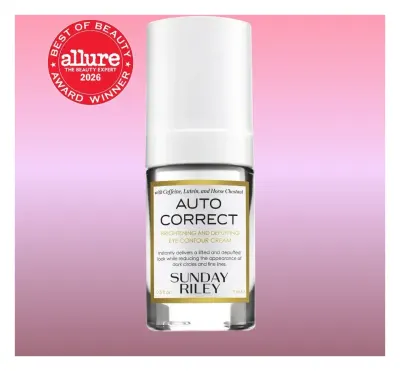
Sunday Riley Auto Correct Brightening + Depuffing Eye Cream
Caffeine · scent-free label
AmazonBrand lists it for sensitive skin
Dermalogica dynamic skin retinol serum
Retinoid Complex 3.5% · oily, dry, combination, sensitive, normal skin · scented
AmazonBrand lists it for oily skin
Perricone MD High Potency Triple Retinol Renewal Serum
Triple retinol blend, coenzyme Q10, and beta-carotene · oily, dry, combination, sensitive, normal skin · scent-free label
Amazon


All 41 products with Hydroxyethyl Acrylate/Sodium Acryloyldimethyl Taurate Copolymer
Daily Moisturizers & Water Gel Creams (13)
 Sulwhasoo Concentrated Ginseng Rejuvenating CreamAmazon
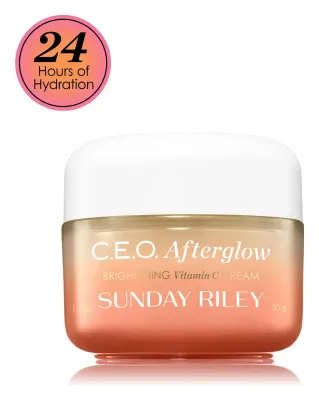 Sunday Riley C.E.O. Afterglow Brightening Vitamin C Gel CreamAmazon
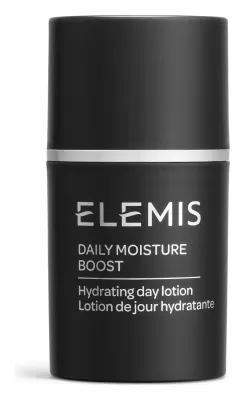 Elemis Daily Moisture BoostAmazon
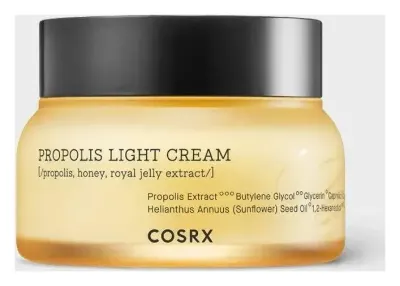 COSRX Full Fit Propolis Light CreamAmazon
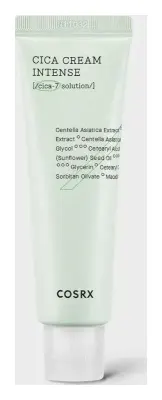 COSRX Pure Fit Cica Cream IntenseAmazon
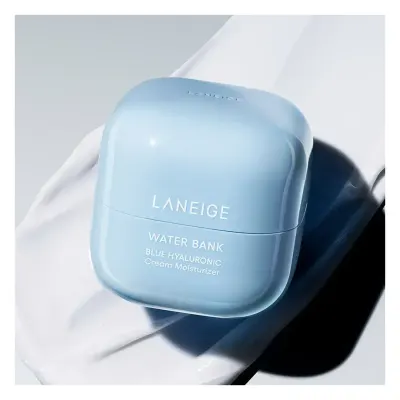 Laneige Water Bank Blue Hyaluronic Cream MoisturizerAmazon
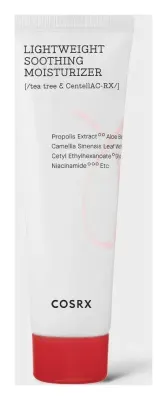 COSRX AC Collection Lightweight Soothing MoisturizerAmazon
 Perricone MD Cold Plasma Plus+ Advanced Hydrating ComplexAmazon
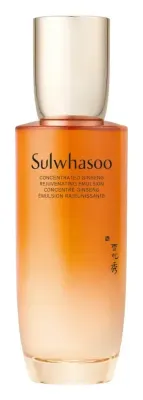 Sulwhasoo Concentrated Ginseng Rejuvenating EmulsionAmazon
 Sulwhasoo Essential Firming Cream EXAmazon
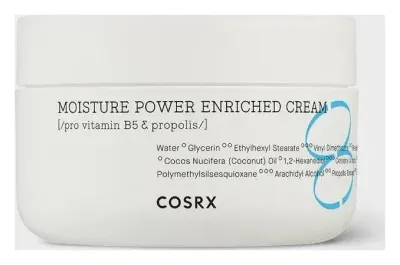 COSRX Hydrium Moisture Power Enriched CreamAmazon
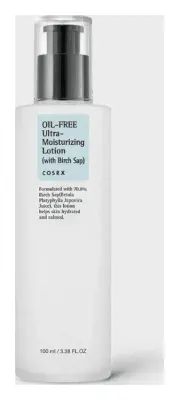 COSRX Oil-Free Ultra-Moisturizing Lotion with Birch SapAmazon
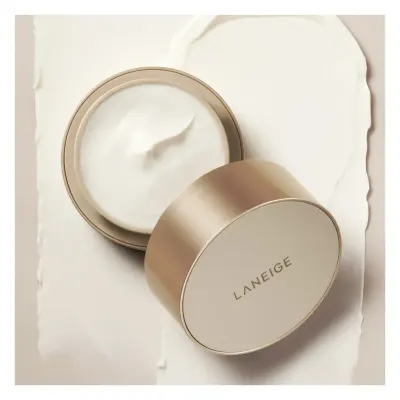 Laneige Perfect Renew 3x Cream AdvancedAmazon
Hydrating Serums, Essences & Ampoules (5)


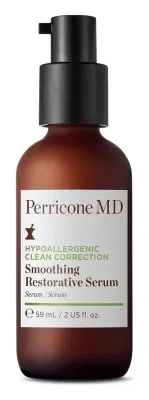
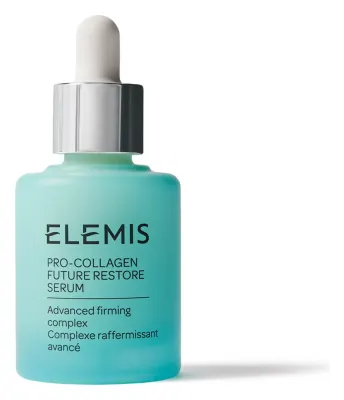
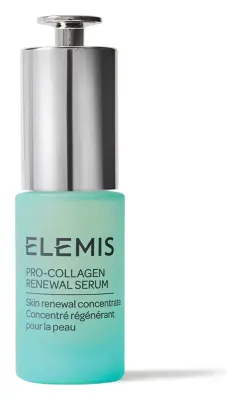
Anti-Aging & Retinoid Serums (4)


Targeted Vitamin C & Brightening Correctors (4)
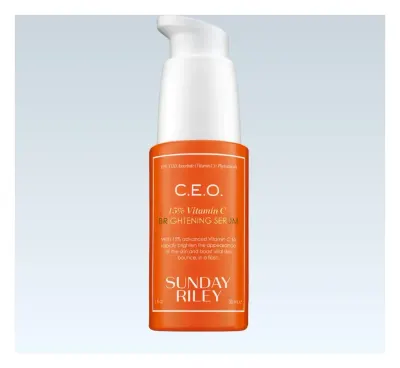
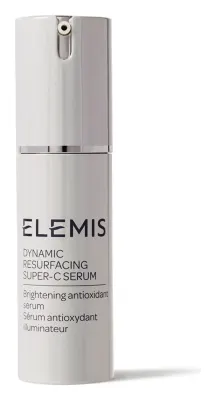
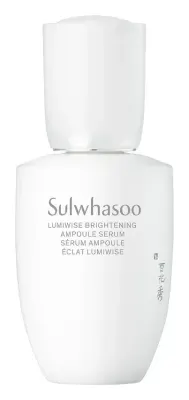

Eye Creams & Under-Eye Patches (3)
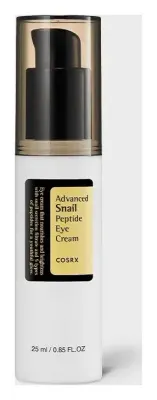

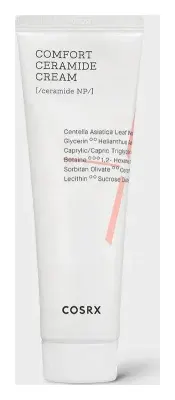
Skin Barrier Repair Creams & Recovery Jars (3)
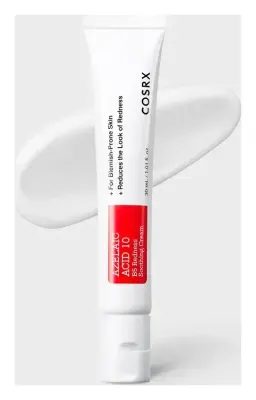
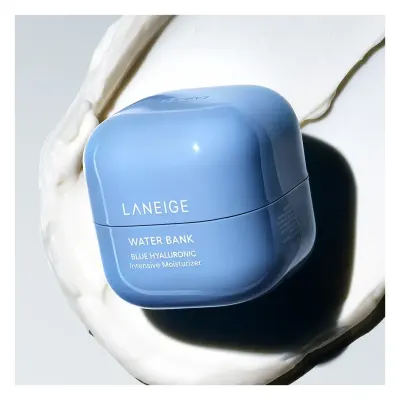
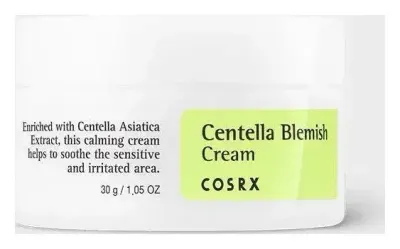
Pimple Patches & Overnight Spot Treatments (1)
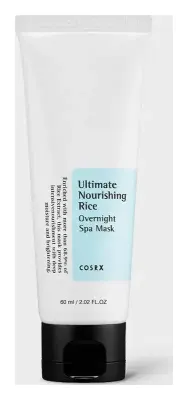
Premium Overnight Recovery Packs & Sleeping Facials (1)
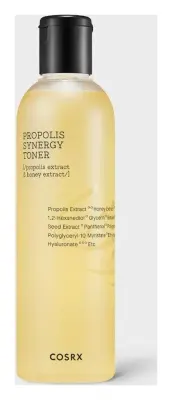
Hydrating Toners, Essence Waters & Face Mists (1)
Dermatological Acne & Chemical Exfoliating Liquids (1)
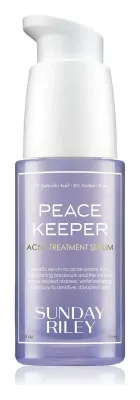
Body Creams, Butters & Body Oils (1)
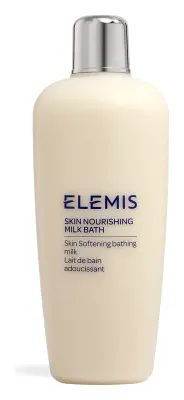
Premium Double-Cleansing Balms & Melting Gels (1)
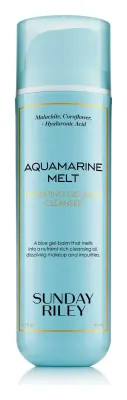
Sheet, Hydrogel & Clay Masks (1)

Cream & Gel Treatment Masks (1)
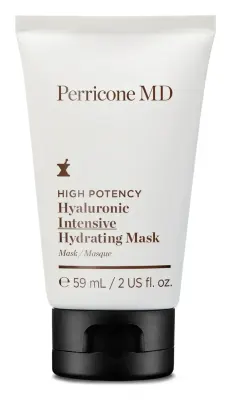
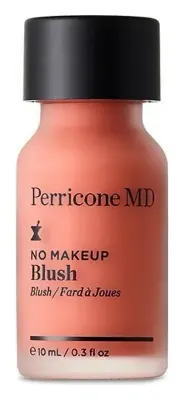
Blush, Bronzers & Highlighters (1)
Common questions
What does this copolymer do in skincare?
It helps thicken and stabilize a formula. That can give a gel, serum, or cream a more even texture and help keep its ingredients distributed.
Is this copolymer a plastic?
It is a synthetic polymer used to control cosmetic texture. The label name alone does not tell you whether a product contains intentionally added solid plastic particles, and it is not the same as visible plastic beads.
Is this ingredient an active?
No. It is a texture and stability helper, not an ingredient added for a direct skin-care benefit. The rest of the formula determines what the product is meant to do.
Can this polymer clog pores?
There is no reliable single comedogenic number for this ingredient. Whether a product feels heavy or suits you depends on the complete formula and how you prefer it to sit on your skin.