Hydroxypropyl Guar Hydroxypropyltrimonium Chloride
What this guar-based conditioning polymer does in cleansers, shampoos and creams, where it comes from, and whether you need to think about it.
No specific flag recordedIn 12 products we cover
We may earn a commission when you buy through links on this page. It never changes what we recommend.
Quick facts
- INCI name
- Hydroxypropyl Guar Hydroxypropyltrimonium Chloride
- Origin
- Plant-derived or Synthetic
- Chemical class
- Cationic guar gum derivative (modified galactomannan)
- What it does in a formula
- skin conditioning, hair conditioning, viscosity controlling
- Why it is in the formula
- Leaves a light conditioning film after rinsing and helps thicken the product.
- Regulatory notes
- The Cosmetic Ingredient Review panel concluded that galactomannans, including this guar derivative, are safe in the present practices of use and concentration.
What is Hydroxypropyl Guar Hydroxypropyltrimonium Chloride?
It’s a conditioning polymer made from guar gum. Guar gum is a galactomannan, a long sugar chain from the seeds of the guar plant (Cyamopsis tetragonoloba). Manufacturers chemically modify the gum so it carries a positive charge, which turns a plain thickener into a conditioner.
The starting material is plant-based, but the finished ingredient is made in a lab. You’ll find it mostly in body washes, face washes, shampoos and some creams and lotions. It sometimes shows up on labels with a small spelling variation, but it’s the same ingredient.
What does Hydroxypropyl Guar Hydroxypropyltrimonium Chloride do?
- Conditions skin and hair. The safety review describes galactomannans as mostly working as hair and skin conditioning agents. The positive charge helps this one stick lightly to skin and hair, which carry a slight negative charge.
- Softens the after-feel of a cleanser. It leaves a thin film after rinsing, so skin can feel less tight and hair less tangled.
- Thickens. Like plain guar gum, it adds body to a liquid formula.
It’s a helper ingredient. It doesn’t do anything special beyond making the product feel and rinse better.
Who is Hydroxypropyl Guar Hydroxypropyltrimonium Chloride for?
It suits most skin and hair types. If your skin feels tight after washing, a cleanser with conditioning polymers like this one may feel more comfortable, although the cleansing agents in the formula matter more.
There’s no reason to avoid it on skin unless you’ve had a reaction to a product that contains it. You also don’t need to look for it on a label; it’s one of several conditioning polymers formulators can choose from.
What to pair Hydroxypropyl Guar Hydroxypropyltrimonium Chloride with, and what to avoid
There’s nothing to pair. It works inside the formula alongside the cleansing agents. Other conditioning polymers you may see nearby include polyquaternium-7 and polyquaternium-80.
How it appears on labels: Hydroxypropyl Guar Hydroxypropyltrimonium Chloride; HYDROXYPROPYL GUAR HYDROXPROPYLTRIMONIUM CHLORIDE
Quick picks with Hydroxypropyl Guar Hydroxypropyltrimonium Chloride
Best for sensitive skin
Brand lists it for sensitive skin
Cremo Sensitive Skin Shave Cream
Aloe, macadamia oil, allantoin, rice bran, sunflower extract, essential oils · sensitive skin · scent ingredients flagged
Good for most skin types
Brand lists it for all skin types
Sulwhasoo Concentrated Ginseng Rejuvenating Cleansing Foam
oily, dry, combination, sensitive, normal skin · scent ingredients flagged
Most covered in our guides
Featured in our guides
Cremo Original Shave Cream
scent ingredients flagged
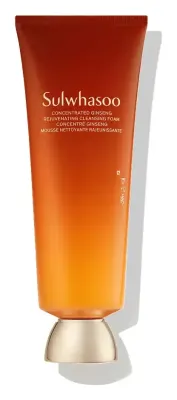
All 12 products with Hydroxypropyl Guar Hydroxypropyltrimonium Chloride
Shaving Creams, Gels & Oils (8)
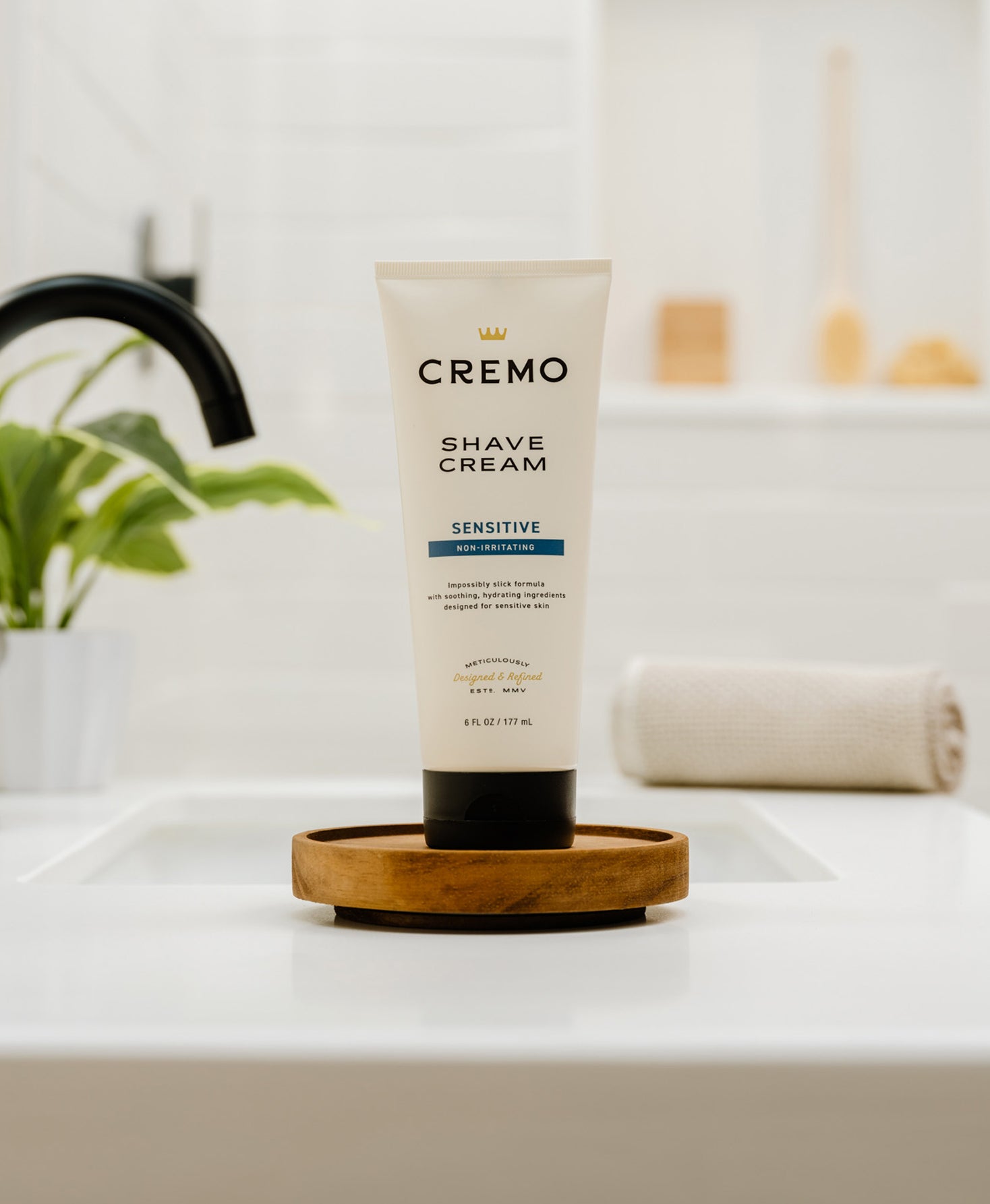 Cremo Sensitive Skin Shave CreamCheck price on Amazon
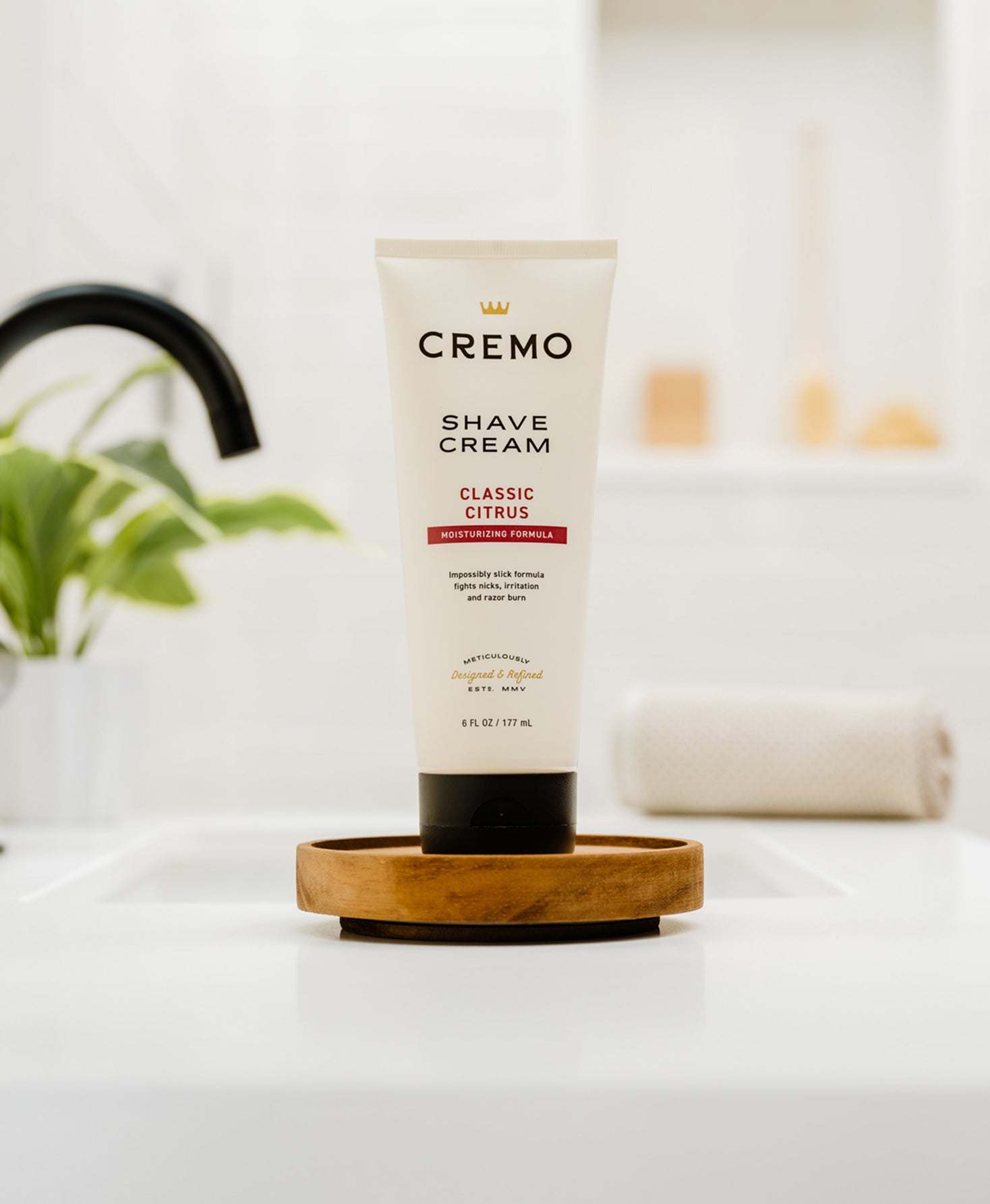 Cremo Original Shave CreamCheck price on Amazon
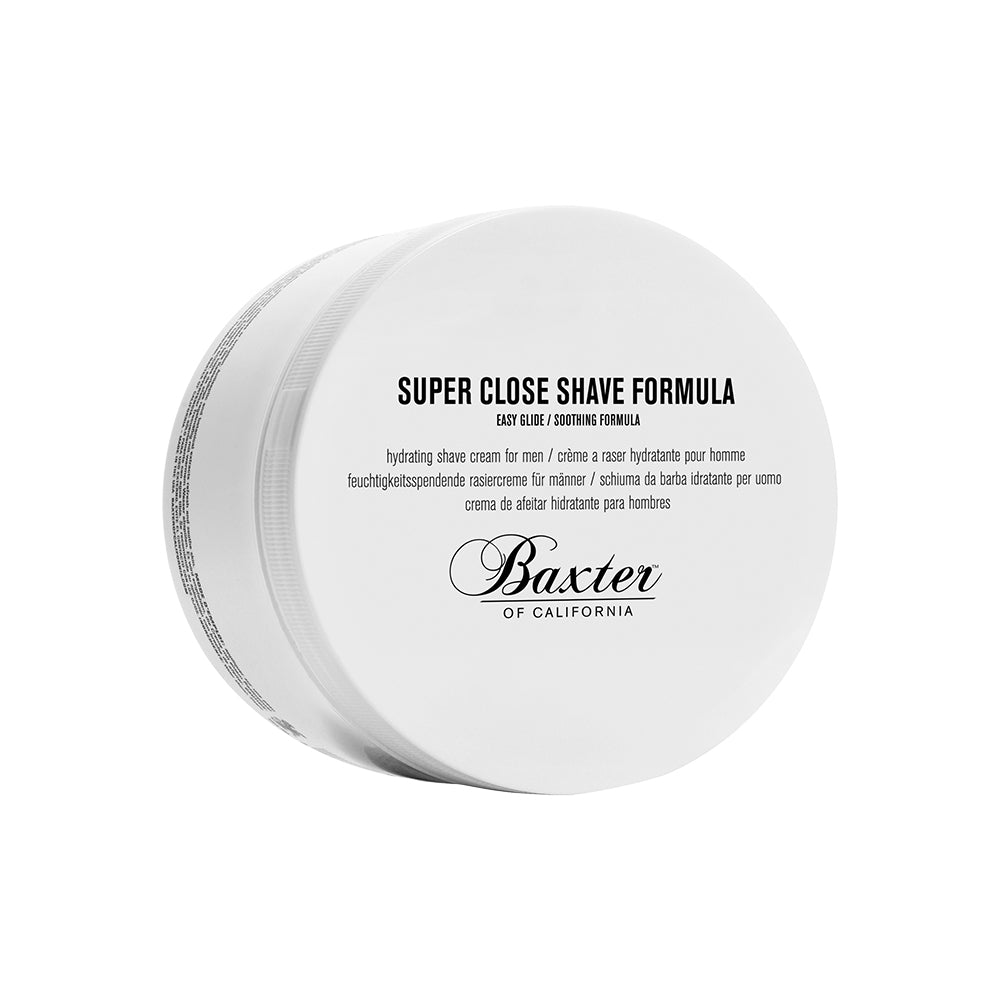 Baxter of California Super Close Shave FormulaCheck price on Amazon
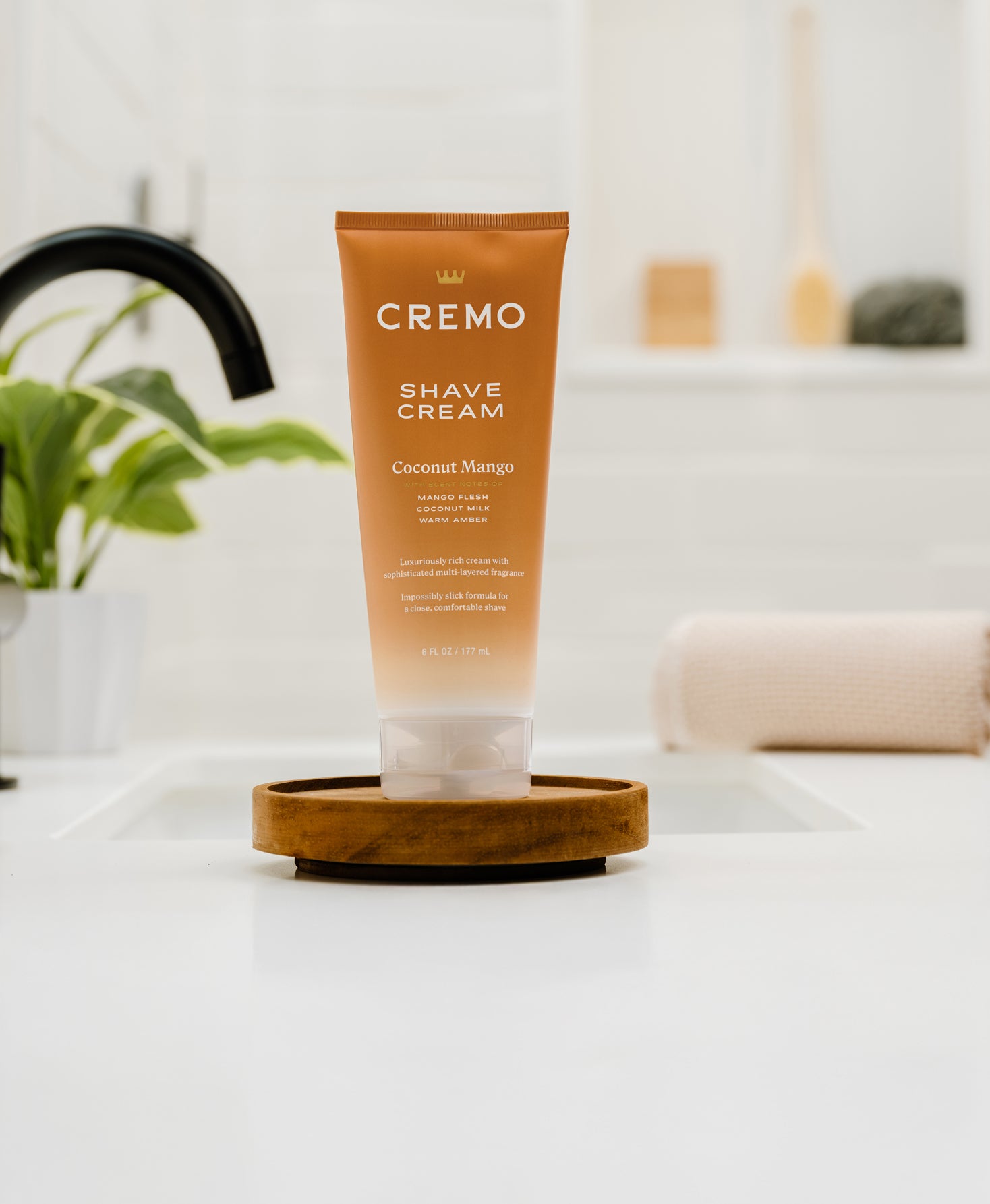 Cremo Coconut Mango Shave CreamCheck price on Amazon
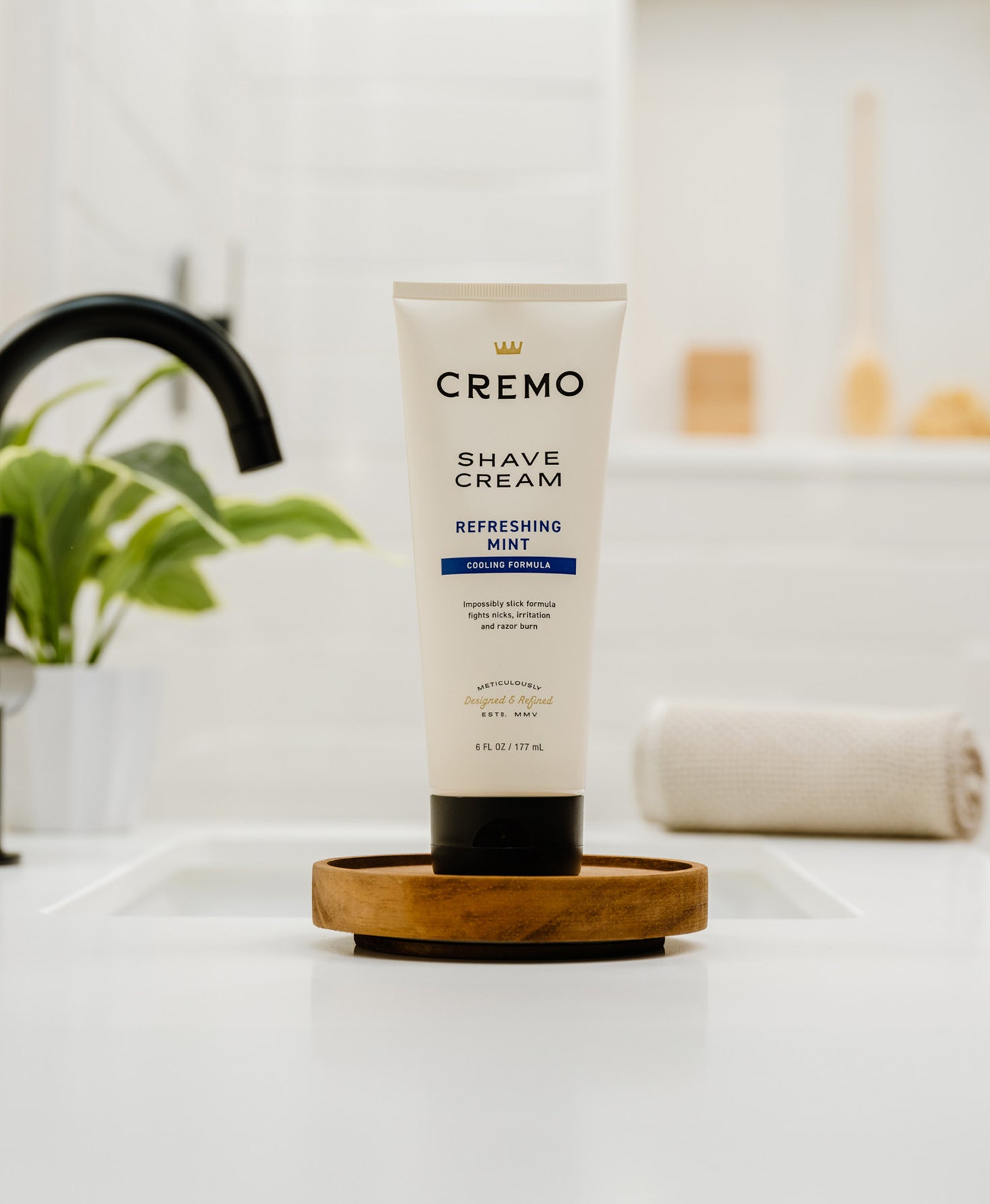 Cremo Cooling Shave CreamCheck price on Amazon
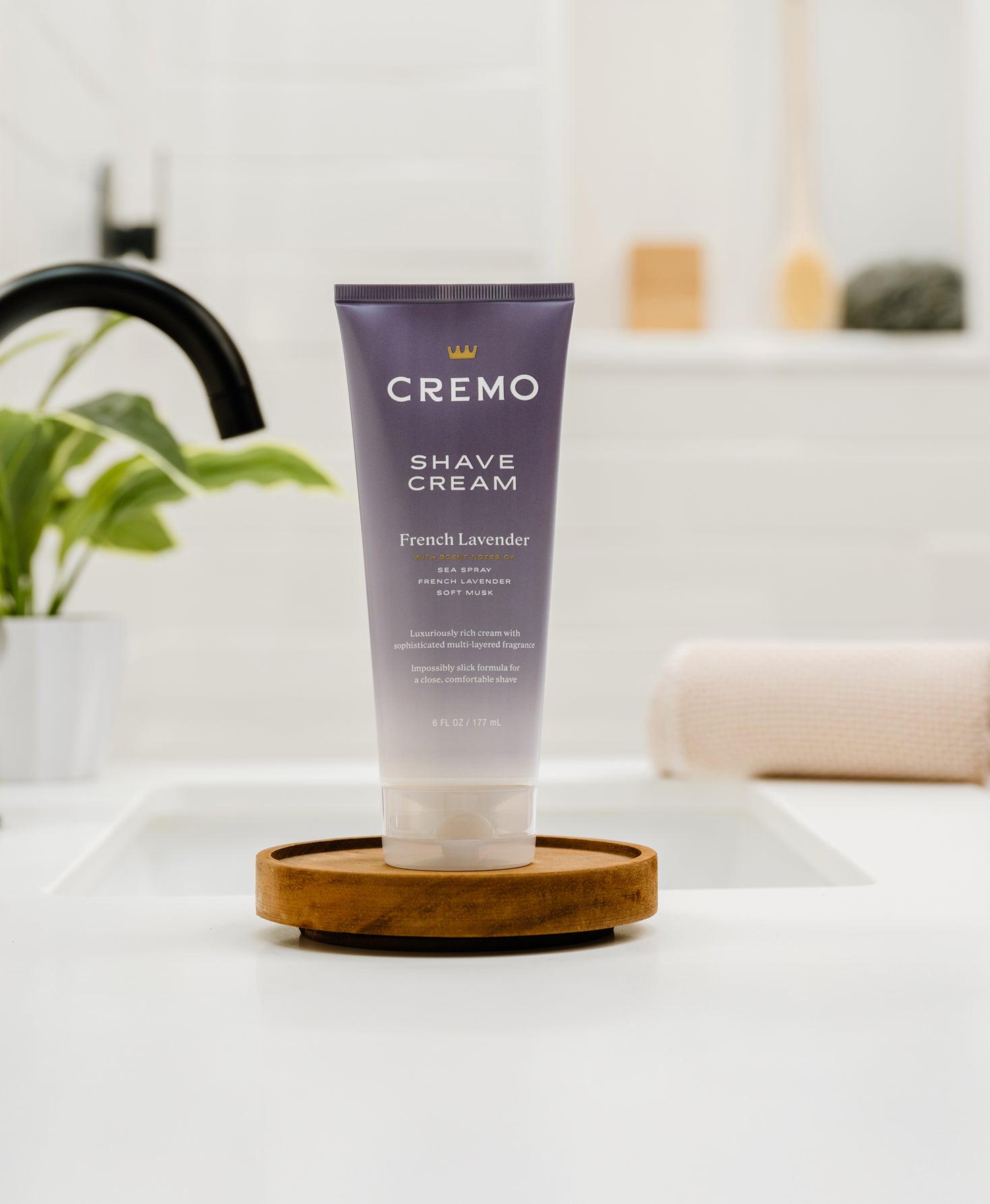 Cremo French Lavender Shave CreamCheck price on Amazon
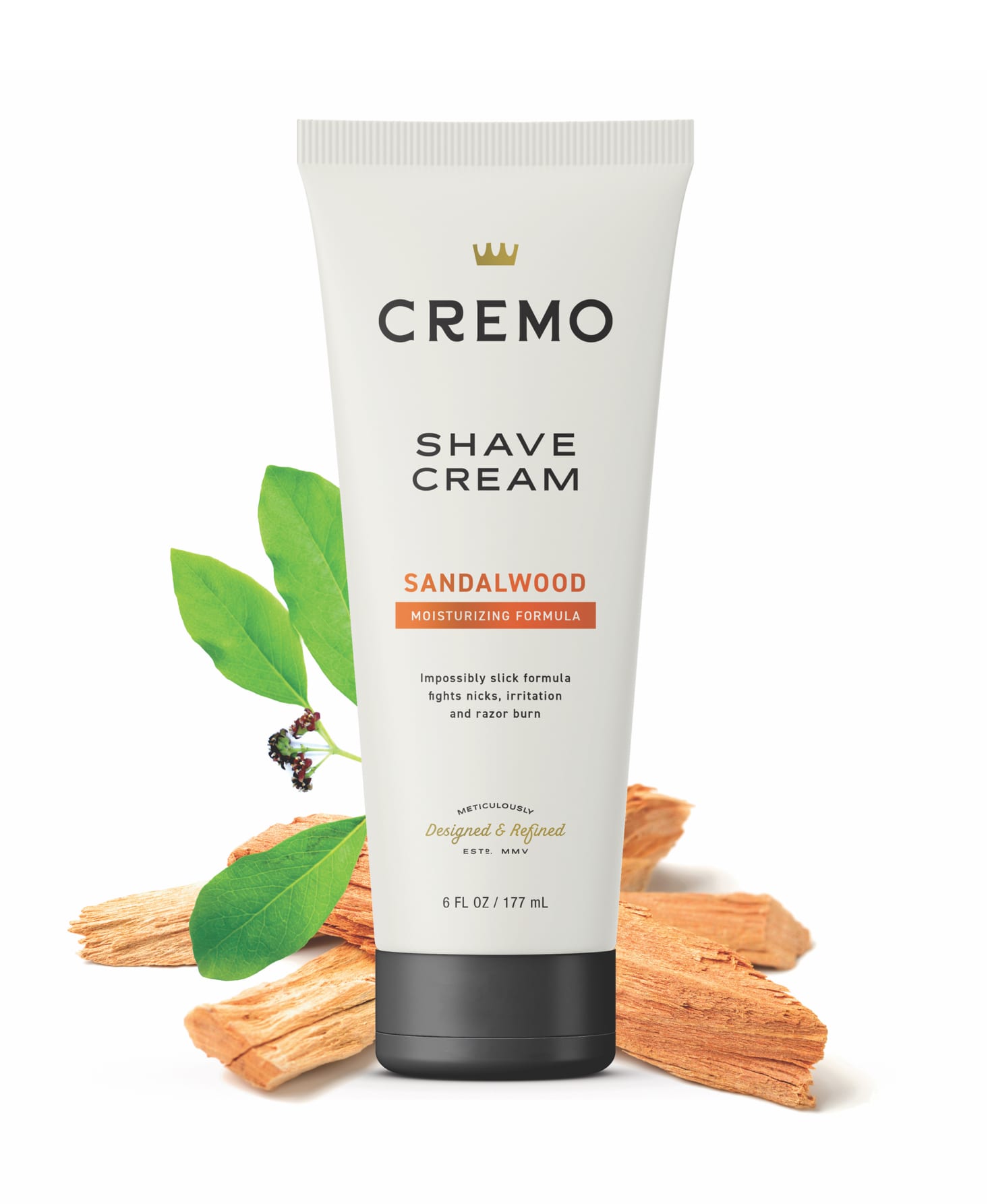 Cremo Sandalwood Shave CreamCheck price on Amazon
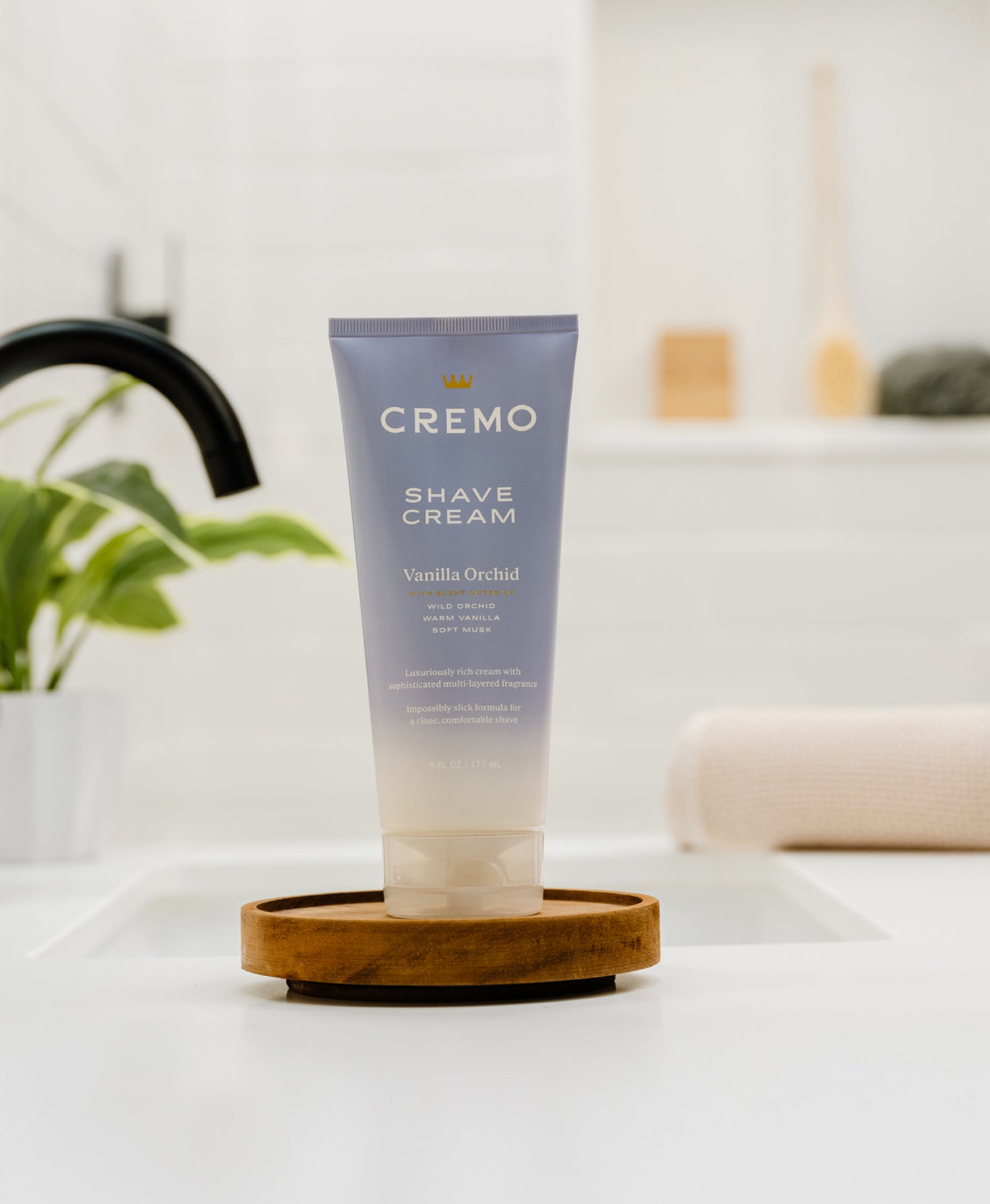 Cremo Vanilla Orchid Shave CreamCheck price on Amazon
Gel, Foam & Cream Facial Cleansers (3)
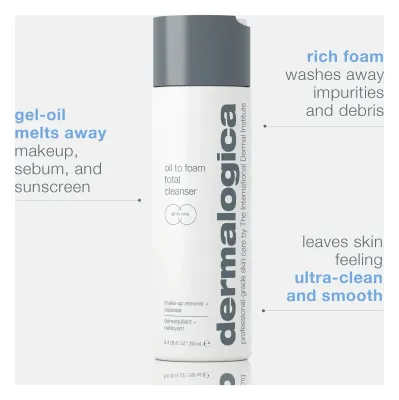
Double-Cleansing Balms & Melting Gels (1)
Common questions
What is hydroxypropyl guar hydroxypropyltrimonium chloride?
It's guar gum, a thickener from guar beans, that has been chemically modified to carry a positive charge. That charge helps it cling lightly to skin and hair, where it leaves a conditioning film.
Why is it in my face wash or body wash?
Cleansers use it so skin feels softer and less tight after rinsing. It also adds a little thickness to the wash.
Is it safe for skin?
A cosmetic safety panel concluded that guar-based galactomannans are safe as used in cosmetics. Reactions are always possible with any product, so stop using one that irritates you.
Is it the same as guar hydroxypropyltrimonium chloride?
They're close relatives. Both are cationic guar ingredients that condition skin and hair. This one has an extra hydroxypropyl group on the guar, which changes how it dissolves and feels in a formula.