Iron Oxides (CI 77491, CI 77492, CI 77499)
What red, yellow, and black iron oxides do in makeup, how they help match shades, and what U.S. color rules apply.
Extremely safeIn 33 products we cover
We may earn a commission when you buy through links on this page. It never changes what we recommend.
Quick facts
- INCI name
- Iron Oxides
- Origin
- Mineral or Synthetic
- Chemical class
- Iron oxide pigments
- What it does in a formula
- colorant
- Why it is in the formula
- Combined in different proportions to create shades in foundations, concealers, and other makeup.
- Regulatory notes
- Iron oxides are exempt from FDA batch certification but remain subject to approval, identity, labeling, and use requirements for color additives.
What it is
Identified on ingredient lists by Colour Index codes like CI 77491 (red), CI 77492 (yellow), and CI 77499 (black), iron oxides are mineral pigments that provide foundational shades for makeup. They may appear individually or grouped together on product cartons. In the United States, labels may also list them by their common color name rather than an international CI code.
Formulators blend these pigments in different proportions to produce shades in foundation, concealer, powder, and other makeup. That makes iron oxides especially useful for shade matching across skin tones and undertones. They are colorants, not active ingredients that change the skin. A list of iron oxides cannot tell you the exact finished shade or how it will look against your complexion.
What it does
- Adds red, yellow, or black pigment. Each oxide contributes a different part of a color blend.
- Helps build a shade range. Changing the ratio of pigments helps create lighter, deeper, warmer, or cooler makeup shades.
- Supports coverage and appearance. In a finished product, pigment concentration and the base affect opacity and how evenly color applies.
- Does not treat skin. Its usual role is color rather than a skincare benefit.
Who it suits
If you are choosing makeup, iron oxides are part of how a brand creates a shade, but they do not tell you whether that shade will match. Check undertone and depth in person when possible, and look at the color in natural light. Formula, coverage, and oxidation after application can also affect the result.
In the United States, FDA rules require color additives to be approved for their intended uses. Iron oxides are exempt from batch certification, but they still have requirements for identity, specifications, labeling, and permitted uses. A CI number or FDA name may appear on a label. If you are comparing shade ingredients or checking a known sensitivity, search by both forms of the name.
What to pair it with, and what not to
Iron oxides do not need to be paired with an active ingredient. They are part of the product’s pigment blend. Use the finished makeup as directed, and use a separate sunscreen if you need sun protection.
Skin Realist check: Your foundation shade is a team effort, and iron oxides do a lot of the mixing.
How it appears on labels: Iron Oxides (CI 77491, CI 77492, CI 77499); Iron Oxides (CI 77491); Iron Oxides (CI 77499); Iron Oxides (CI 77492); Iron Oxides (CI 77499).; CI 77492; CI 77491; CI 77499; Iron Oxides (CI77491, CI77492, CI77499); IRON OXIDES (CI 77492, 77491, 77499); Iron Oxides CI 77491; Iron Oxides CI 77492; Iron Oxide (CI 77491); Iron Oxide (CI 77492); Iron Oxide (CI 77499); IRON OXIDES (CI 77491, CI 77492, CI 77499).
Quick picks with Iron Oxides
Scent-free, no patch-test flags on the label
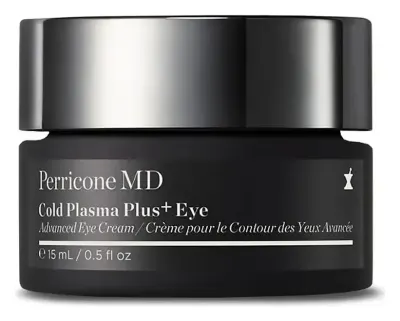
Perricone MD Cold Plasma Plus+ Advanced Eye Cream
Vitamin C Ester, omegas 3, 6 and 9, and peptides · scent-free label
AmazonBrand lists it for sensitive skin
Laneige Balance Mode Rice Foaming Deep Cleanser
Rice-inamide Complex, rice powder, glycolic acid, and ceramide · combination, oily, normal, sensitive skin · scent-free label
AmazonBrand lists it for oily skin
Dermalogica skinperfect primer spf30
Argan oil, peptides, sodium hyaluronate, vitamin E · normal, dry, combination, oily, sensitive skin · scented
Amazon


All 33 products with Iron Oxides
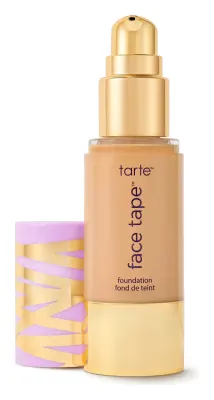
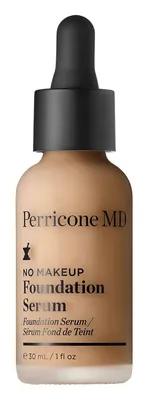
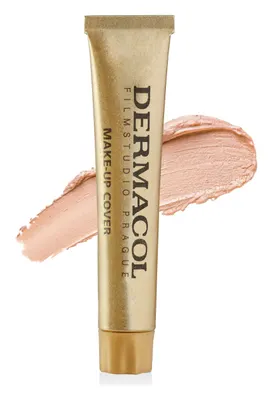
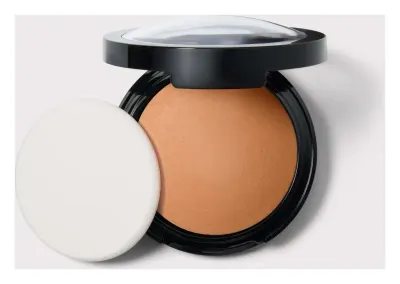
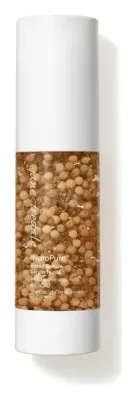
Full-Coverage Camouflage & Liquid Foundations (5)
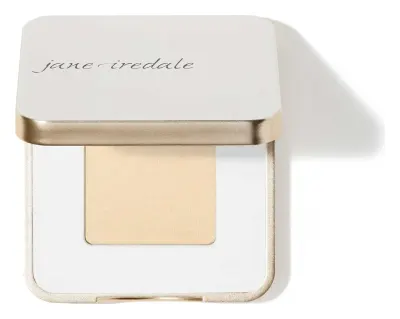
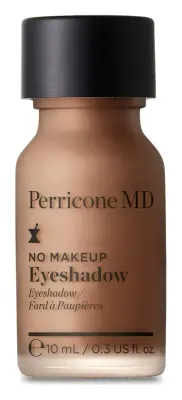
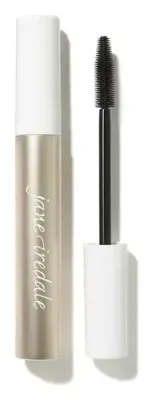
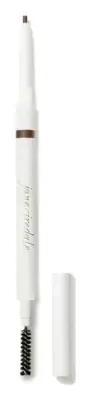
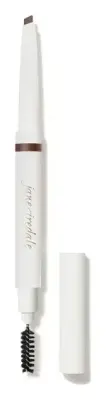
Eye Shadows, Liners, Mascara & Brow Makeup (5)
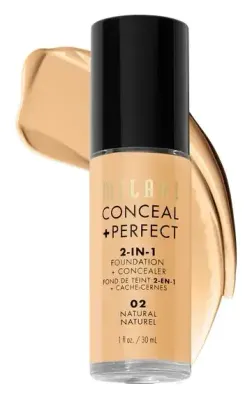
High-Definition Camouflage Concealers (5)
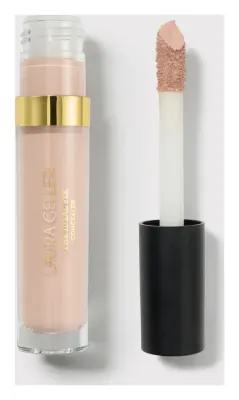
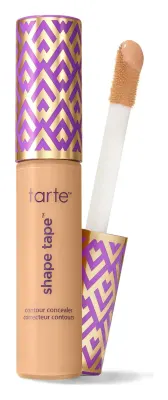

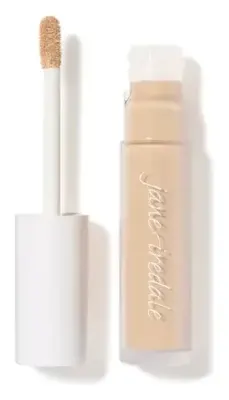
Eye Creams & Under-Eye Patches (3)
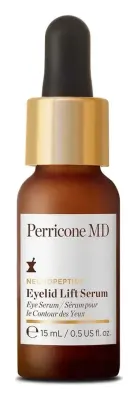

Daily Sunscreens & SPF Moisturizers (3)
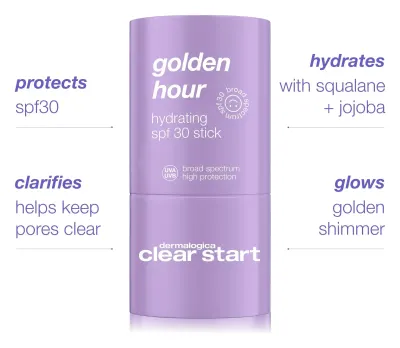
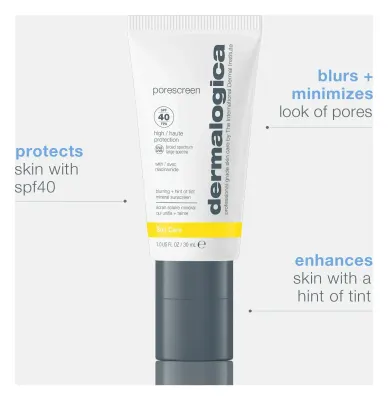
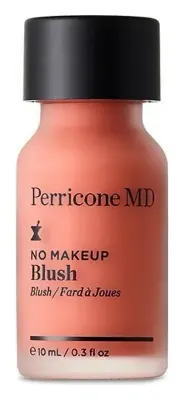
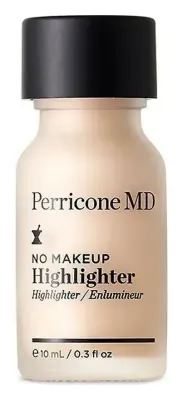
Blush, Bronzers & Highlighters (3)
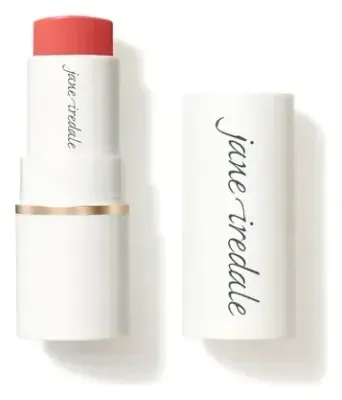
Gel, Foam & Cream Facial Cleansers (2)
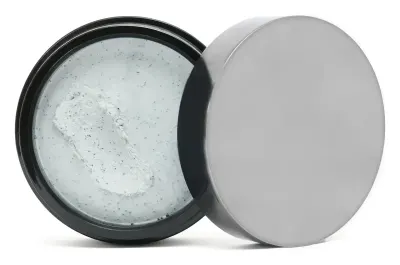
Intensive Lip Recovery Masks & Tinted Balms (2)
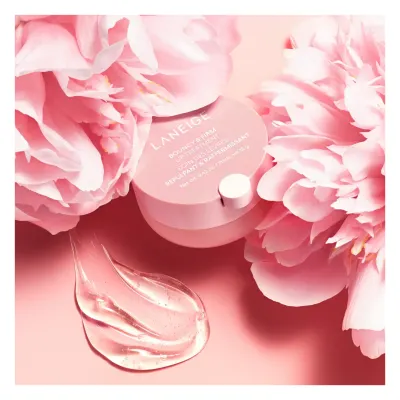
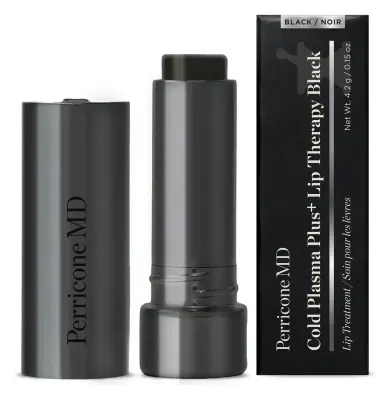
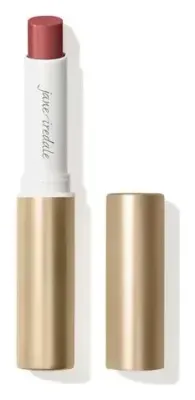
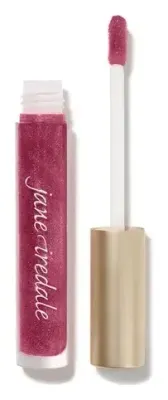
Lipsticks, Glosses & Lip Liners (2)
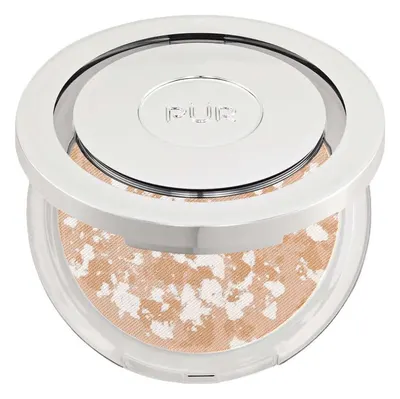
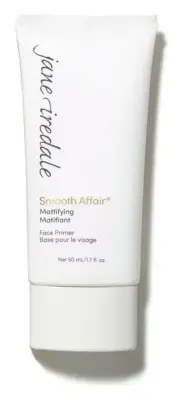
Mineral Pressed Powders & Skin-Nourishing Primers (2)
Daily Moisturizers & Water Gel Creams (1)

Common questions
What do iron oxides do in makeup?
Iron oxides provide red, yellow, and black pigments that formulators blend to create makeup shades. They are colorants, not skincare actives.
What is the difference between CI 77491, CI 77492, and CI 77499?
These CI numbers identify different iron oxide pigments: red, yellow, and black, respectively. A product may use one or several to build its shade.
Are iron oxides FDA approved for cosmetics?
FDA rules require color additives to be approved for their intended uses. Iron oxides are exempt from batch certification, but exemption does not remove the other requirements or use restrictions.
Do iron oxides protect skin from the sun?
Do not assume a makeup pigment provides sun protection. Use a sunscreen labeled for that purpose and follow its directions.