Methyl Methacrylate Crosspolymer
What methyl methacrylate crosspolymer does as a soft-focus powder in foundations and sunscreens, and what the safety review found.
No specific flag recordedIn 16 products we cover
We may earn a commission when you buy through links on this page. It never changes what we recommend.
Quick facts
- INCI name
- Methyl Methacrylate Crosspolymer
- Origin
- Synthetic
- Chemical class
- Crosslinked acrylic polymer (powder)
- What it does in a formula
- film forming, viscosity controlling
- Why it is in the formula
- A fine powder of tiny beads that gives makeup and sunscreen a smooth, soft-focus, less shiny finish.
- Regulatory notes
- The Cosmetic Ingredient Review panel concluded methyl methacrylate crosspolymer is safe in the practices of use and concentrations described, and noted that leftover methyl methacrylate monomer is typically under 100 ppm.
What is Methyl Methacrylate Crosspolymer?
Methyl methacrylate crosspolymer is a synthetic acrylic polymer. The safety review describes it as methyl methacrylate linked into chains and then cross-linked, so the chains are tied together into a solid network. It’s supplied as a fine white powder of tiny hollow beads, roughly 4 to 10 micrometers across.
On the products we cover, it appears in foundations, concealers, mineral powders, primers, sunscreens, moisturizers and eye creams. The safety review reported use at up to about 14% in cosmetics, with the highest levels in face powders and foundations.
What does Methyl Methacrylate Crosspolymer do?
- Softens the look of texture. The small round beads help a product spread evenly and can make pores and fine texture look softer under makeup.
- Reduces shine. Powders like this help a finish look more matte.
- Thickens oil-based formulas. It’s listed as a film former and a thickener for products without much water, such as foundations and lipsticks.
The effect is cosmetic and lasts only while the product is on your skin.
Who is Methyl Methacrylate Crosspolymer for?
It suits most skin types, especially if you like a soft-focus or less shiny finish from makeup or sunscreen. The safety review concluded it is safe as used. It found these large polymers unlikely to cross the skin’s outer layer, and judged the small amount of leftover methyl methacrylate, typically under 100 ppm, to be well below sensitizing levels.
If you’ve had a confirmed allergy to acrylates, for example from nail products, ask a dermatologist whether you need to avoid acrylic polymers in makeup too. It’s also a plastic, so if you avoid synthetic polymers for environmental reasons, check labels for it.
What to pair Methyl Methacrylate Crosspolymer with, and what to avoid
There’s nothing to pair in your routine. In formulas it often appears with silica, nylon-12 and silicones, which add to the smooth finish. If you wear makeup daily on blemish-prone skin, the makeup for acne-prone skin guide covers what else to check.
Quick picks with Methyl Methacrylate Crosspolymer
Best pick with no fragrance listed
No scent or sensitivity flags recorded in our glossary
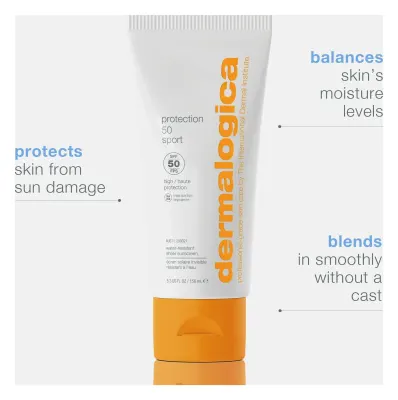
Dermalogica Protection 50 Sport SPF50
oily, dry, combination, sensitive, normal skin · no scent flags recorded
Best for oily skin
Brand lists it for oily skin
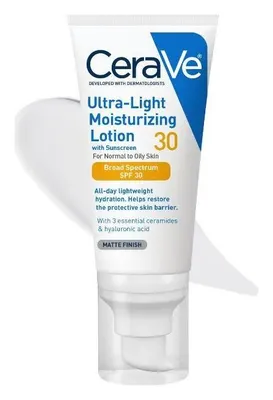
CeraVe Ultra-Light Moisturizing Lotion SPF 30
normal, oily skin · no scent flags recorded
Good for most skin types
Brand lists it for all skin types
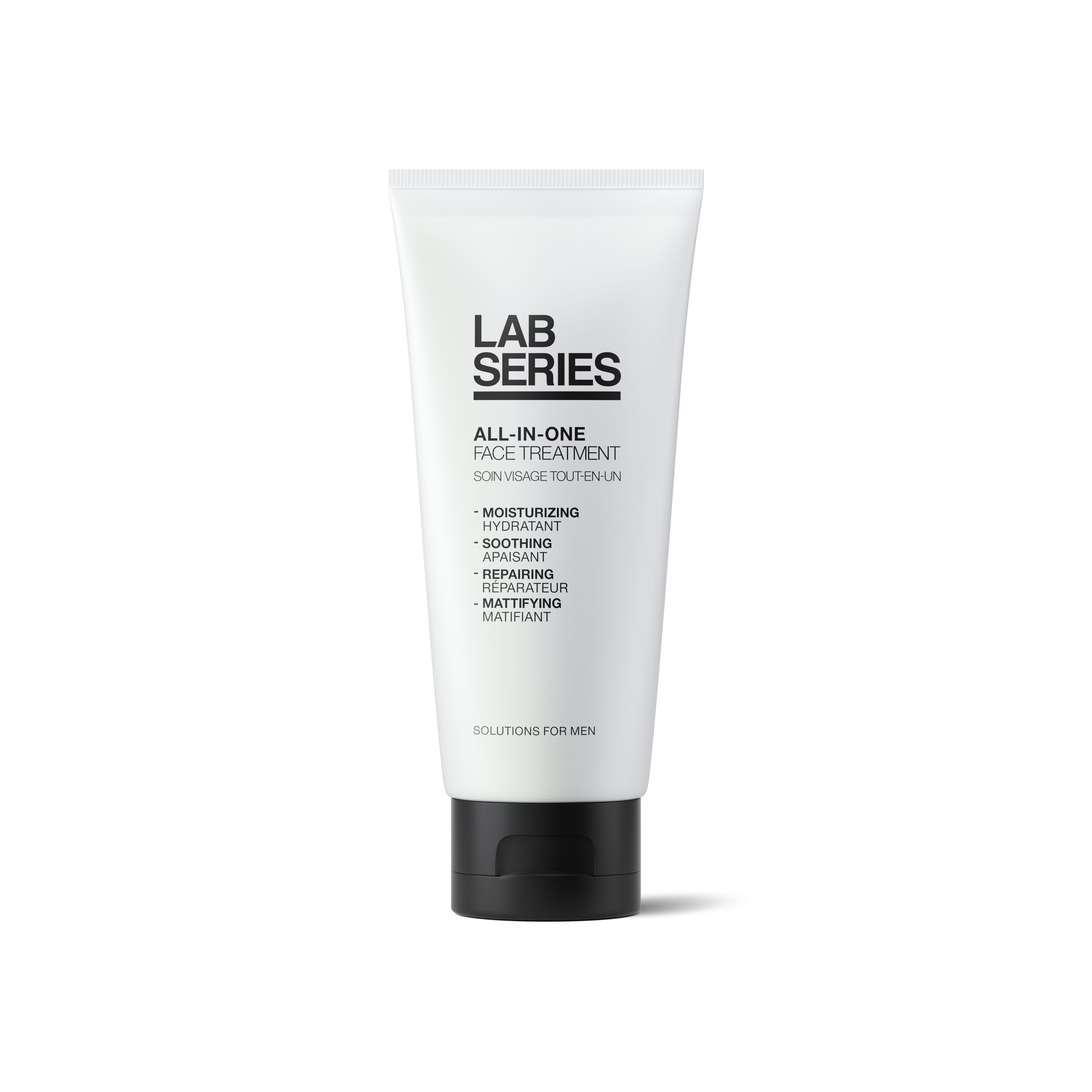
Lab Series All-In-One Face Treatment Moisturizer
Squalane, sodium hyaluronate, acetyl hexapeptide-8, caffeine · combination, dry, normal, oily skin · scent ingredients flagged
All 16 products with Methyl Methacrylate Crosspolymer
Daily Sunscreens & SPF Moisturizers (2)
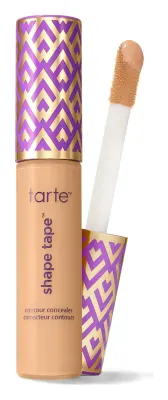
High-Definition Camouflage Concealers (2)
Daily Moisturizers & Water Gel Creams (1)
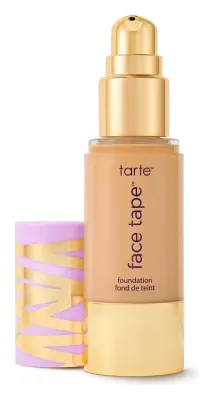
Full-Coverage Camouflage & Liquid Foundations (1)
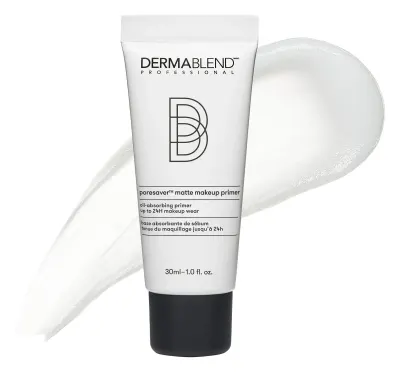
Mineral Pressed Powders & Skin-Nourishing Primers (1)
Eye Creams & Under-Eye Patches (1)

From stores: products with Methyl Methacrylate Crosspolymer
Daily Sunscreens & SPF Moisturizers (4)
 haruharu wonder - Black Bamboo Daily Soothing Sun Shield SPF50+ PA++++ - 20g
 haruharu wonder - Black Bamboo Daily Soothing Sun Shield SPF50+ PA++++ - 20g (2ea) Set
 haruharu wonder - Black Bamboo Daily Soothing Sun Shield SPF50+ PA++++ - 20g (4ea) Set
 haruharu wonder - Black Bamboo Daily Soothing Sun Shield SPF50+ PA++++ - 20g (8ea) Set
Eye Shadows, Liners, Mascara & Brow Makeup (1)

Mineral Pressed Powders & Skin-Nourishing Primers (3)


Common questions
What does methyl methacrylate crosspolymer do?
It's a fine powder of tiny acrylic beads. In makeup and sunscreen it gives a smooth, silky feel and helps soften the look of shine and texture. It also thickens oil-based formulas.
Is methyl methacrylate crosspolymer safe on skin?
A cosmetic safety panel concluded it is safe as used in cosmetics. The panel said these acrylic polymers are too large to be likely to cross the skin's outer layer, and that leftover monomer is kept well below the levels linked to skin sensitization.
Is it the same as methyl methacrylate?
No. Methyl methacrylate is the small starting chemical, and it was a skin sensitizer in animal tests. This ingredient is the finished, crosslinked polymer, a solid powder. The safety question is the small amount of leftover monomer, which the panel judged to be low.
Is methyl methacrylate crosspolymer a plastic?
Yes. It's a synthetic acrylic polymer. If you prefer to avoid plastic ingredients, check makeup and sunscreen labels for it and for nylon powders.