Silica
Why silica appears in makeup and skincare, how it affects shine and texture, and what its name does not tell you.
Extremely safeIn 53 products we cover
We may earn a commission when you buy through links on this page. It never changes what we recommend.
Quick facts
- INCI name
- Silica
- CAS number
- 7631-86-9
- Origin
- Mineral or Synthetic
- Chemical class
- Silicon dioxide
- What it does in a formula
- absorbent, bulking, opacifying, viscosity controlling
- Why it is in the formula
- It can absorb surface oil and help powders or creams feel smooth and look less shiny.
What it is
Found in nature and produced synthetically for industrial consistency, silica is silicon dioxide in fine particulate form. Different grades vary in particle size, porosity, and surface characteristics, which govern whether the powder absorbs oil, scatters light, or adds slip. A product’s ingredient list notes its presence without detailing these particle specifications.
It appears in makeup powders, primers, foundations, and some skin-care formulas. In a loose powder, airborne dust is a practical reason to apply gently and avoid inhaling it. Do not assume that all silica is the same as crystalline quartz dust or that one ingredient name tells you the exact form used in the product.
What it does
- Absorbs surface oil. Silica can help reduce the look of shine in powders and complexion products.
- Changes texture. It can help a product feel less tacky, improve glide, or add a soft, powdery finish.
- Scatters light. Some grades can soften the look of uneven texture through an optical blurring effect.
- Supports the formula. Depending on its grade and placement, it can help keep a product’s texture or consistency where the formulator wants it.
Who it suits
Silica is a helper ingredient rather than a skin-care active. If you like a matte finish or a powder that takes down shine, a product containing it may suit your preferences. If you prefer a dewy finish or dislike powdery textures, you may not enjoy the feel of a formula that relies on absorbent powders. That is a texture preference, not a statement about your skin type.
People with reactive skin can still react to any finished product, and silica is only one part of the ingredient list. Loose powders deserve ordinary care: use a small amount, apply without creating a cloud, and follow the label. If a product causes persistent discomfort, stop using it and consider checking with a dermatologist.
What to pair it with, and what not to
Silica does not need a particular ingredient alongside it. It may appear in the same formula as pigments, emollients, or other powders to balance finish and spread. Choose a moisturizer or makeup base based on the result you want, and avoid piling on more mattifying products if the finish feels too dry or powdery.
Skin Realist check: A soft-focus finish is a nice extra. Your face does not owe the mirror a pore-free performance.
Quick picks with Silica
Scent-free, no patch-test flags on the label
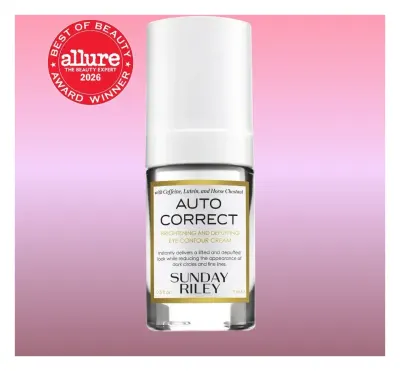
Sunday Riley Auto Correct Brightening + Depuffing Eye Cream
Caffeine · scent-free label
AmazonBrand lists it for sensitive skin
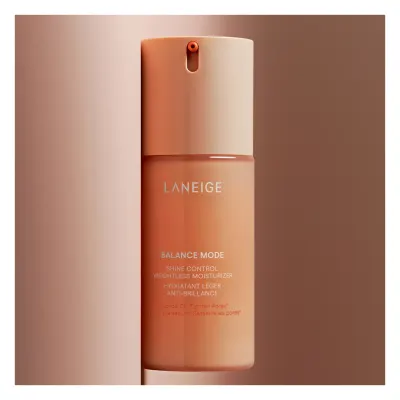
Laneige Balance Mode Shine Control Weightless Moisturizer
Rice bran water, niacinamide, squalane, madecassoside, and rice ferment · oily, combination, sensitive, normal skin · scent-free label
AmazonBrand lists it for oily skin
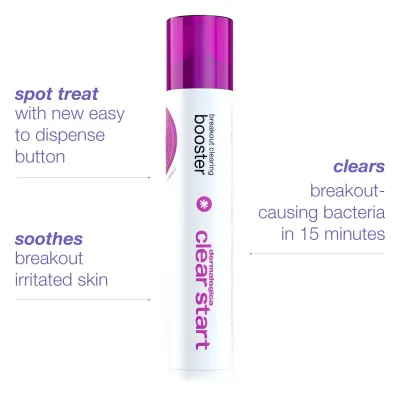
Dermalogica Breakout Clearing Booster
Salicylic acid, niacinamide, tea tree leaf oil, lactic acid · normal, dry, combination, oily, sensitive skin · scented
Amazon
All 53 products with Silica
Daily Sunscreens & SPF Moisturizers (7)
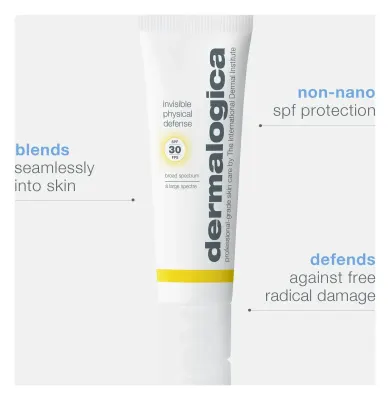 Dermalogica invisible physical defense mineral sunscreen spf30Amazon
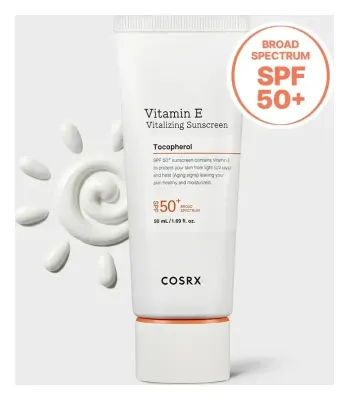 COSRX Vitamin E Vitalizing Sunscreen SPF 50+Amazon
 Dermalogica biolumin-c heat aging protector spf50Amazon
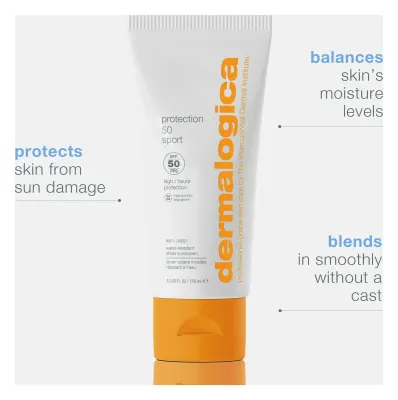 Dermalogica protection 50 sport spf50Amazon
 Dermalogica skinperfect primer spf30Amazon
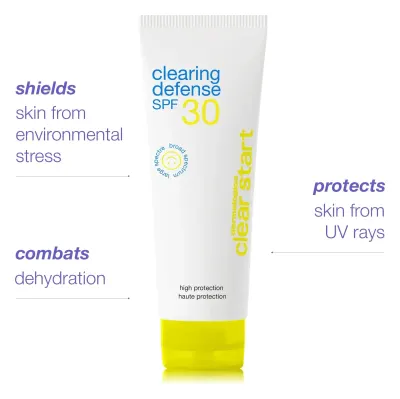 Dermalogica clearing defense spf30Amazon
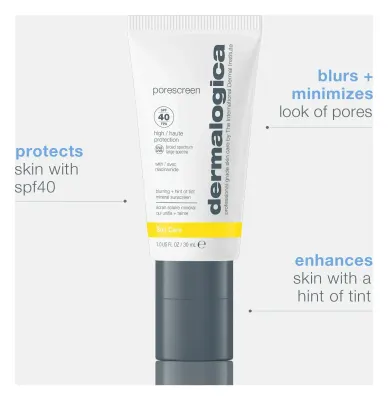 Dermalogica porescreen mineral sunscreen spf40Amazon
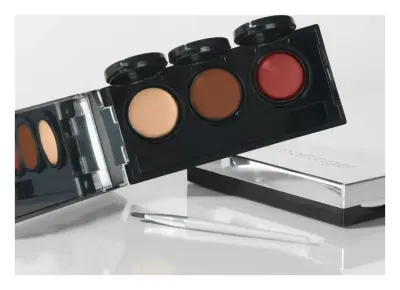
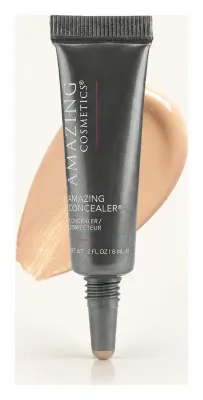
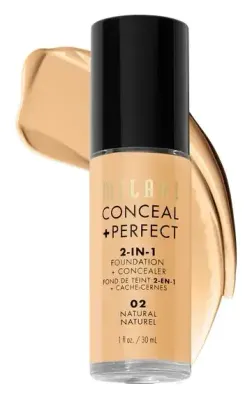
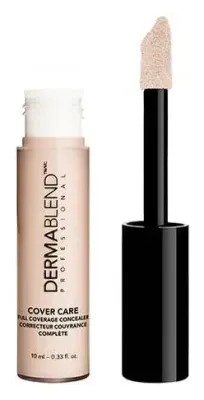
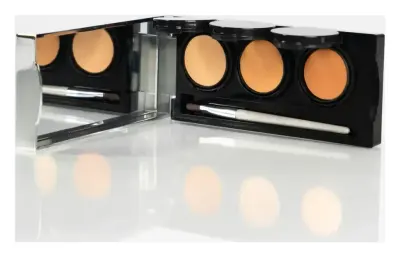
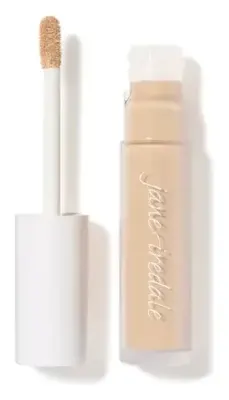
High-Definition Camouflage Concealers (6)
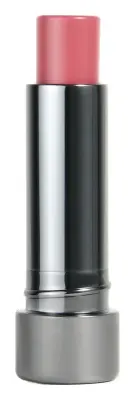
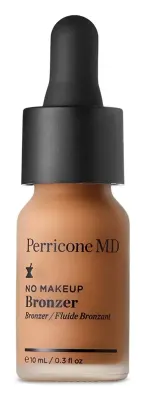
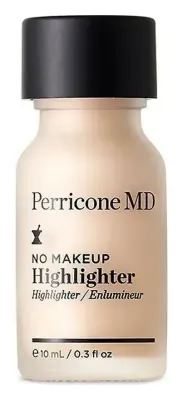
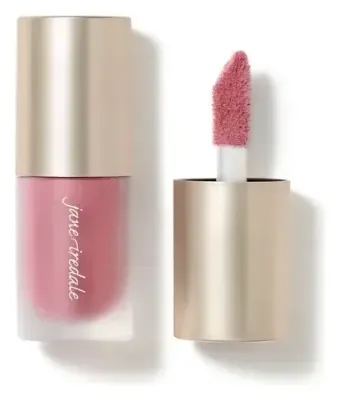
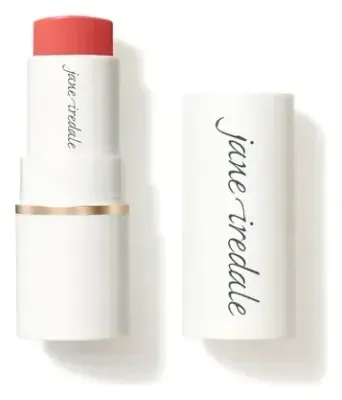
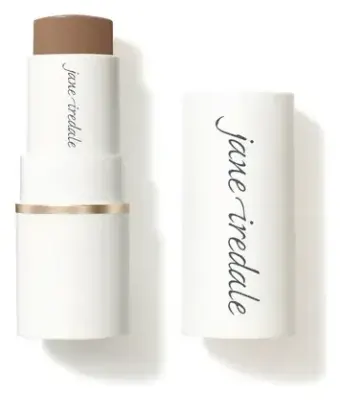
Blush, Bronzers & Highlighters (6)
Eye Creams & Under-Eye Patches (5)
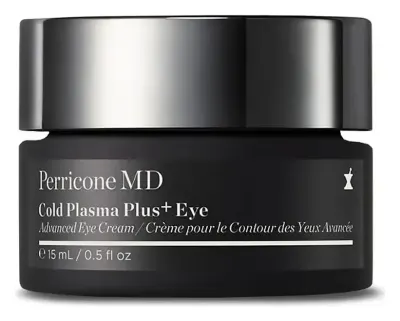
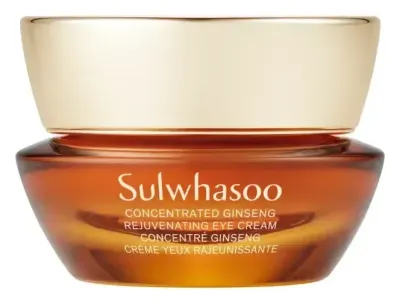
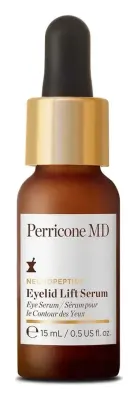

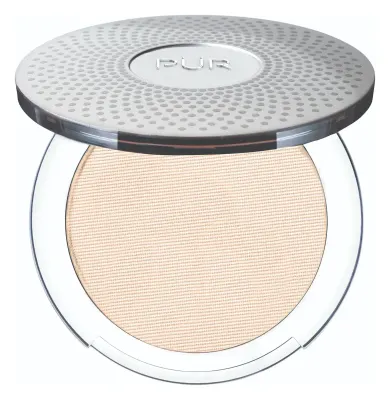
Mineral Pressed Powders & Skin-Nourishing Primers (5)
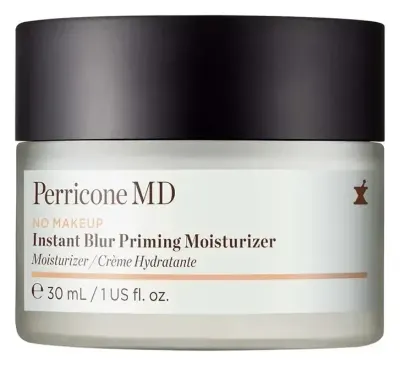

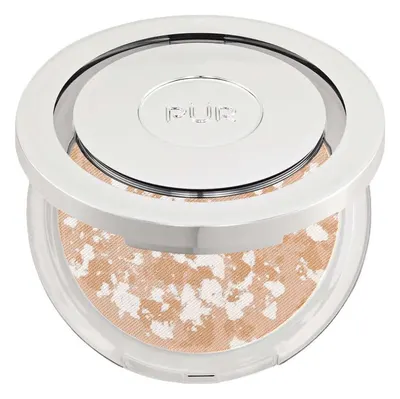
Full-Coverage Camouflage & Liquid Foundations (5)
 Flori Roberts Best Creme to Powder Foundation For Women of Color or Deeper Skin TonesAmazon
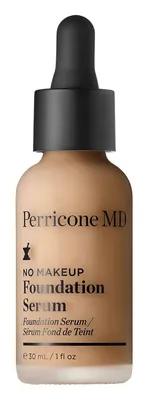 Perricone MD No Makeup Foundation SerumAmazon
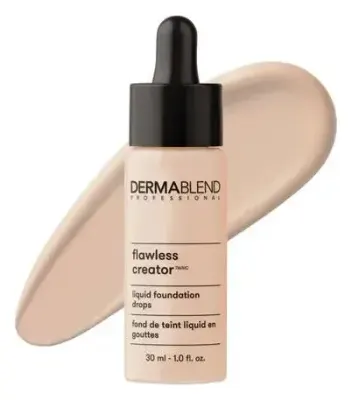 Dermablend Flawless Creator® Lightweight FoundationAmazon
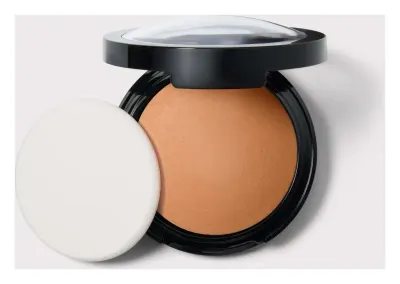 Laura Geller Double Take Baked Full Coverage FoundationAmazon
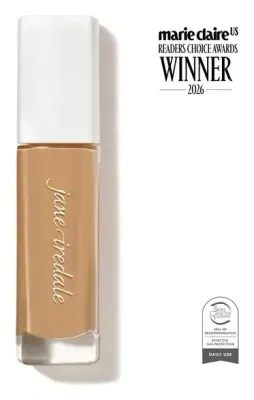 Jane Iredale Skintuition SPF 30 Radiance-Boosting Liquid FoundationAmazon
Daily Moisturizers & Water Gel Creams (3)


Body Creams, Butters & Body Oils (2)
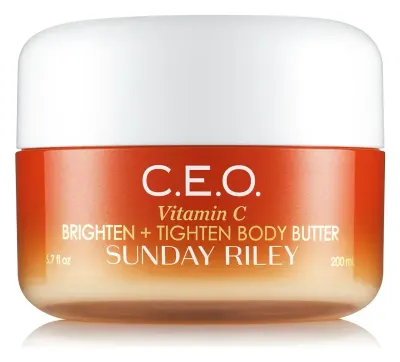
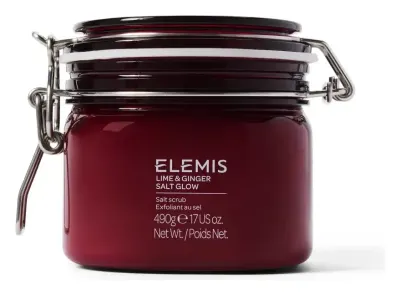
Physical & Enzyme Face Exfoliants (2)
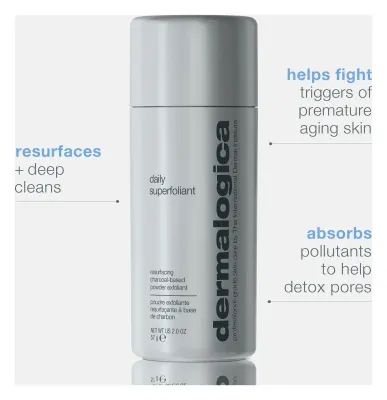
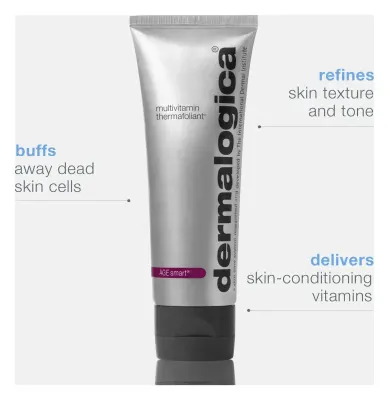
Hydrating Serums, Essences & Ampoules (2)
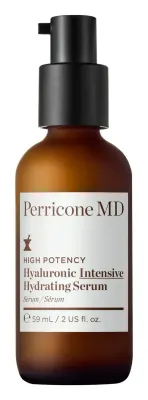
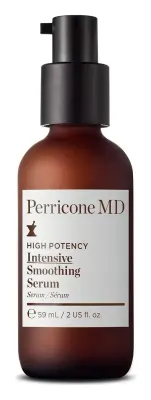
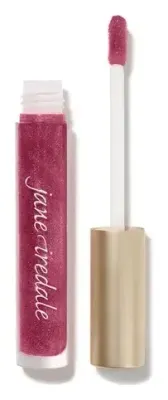
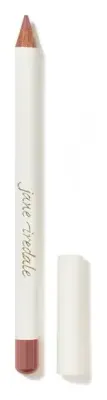
Lipsticks, Glosses & Lip Liners (2)
Pimple Patches & Overnight Spot Treatments (1)
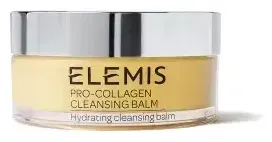
Premium Double-Cleansing Balms & Melting Gels (1)
Premium Overnight Recovery Packs & Sleeping Facials (1)

Gel, Foam & Cream Facial Cleansers (1)
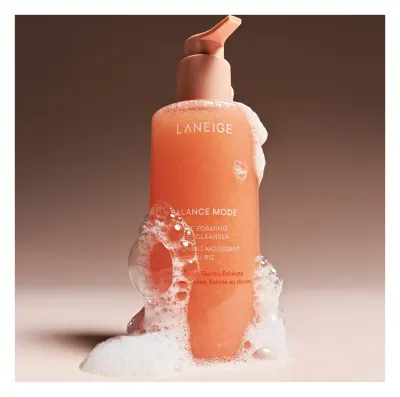
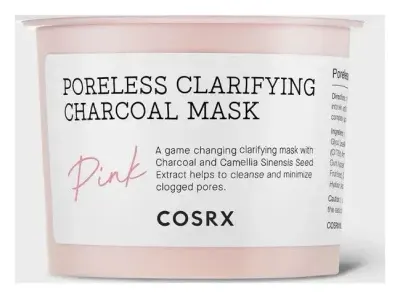
Sheet, Hydrogel & Clay Masks (1)
Anti-Aging & Retinoid Serums (1)

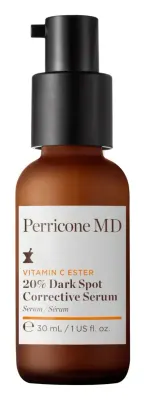
Targeted Vitamin C & Brightening Correctors (1)
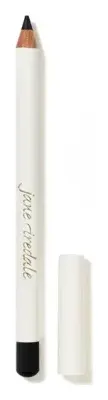
Eye Shadows, Liners, Mascara & Brow Makeup (1)
Common questions
What does silica do in makeup?
Silica is often used as an absorbent and texture ingredient. In a powder or primer, it can help reduce surface shine and contribute to a smooth, blurred-looking finish.
Is silica the same as silicone?
No. Silica is silicon dioxide, while silicones are a separate family of silicon-containing materials. Similar names do not mean they have the same structure or feel.
Is silica bad for your skin?
Silica is used in cosmetics for functions such as absorbency and texture. The ingredient name alone does not identify its particle size, form, or whether a product is a loose powder, so follow the package directions and avoid breathing in airborne powder.
Is silica natural?
Silica occurs as a mineral and can also be produced for specific cosmetic uses. A label does not tell you which production route was used or the material's precise physical form.