Silicones (Dimethicone and Friends)
What silicones like dimethicone do in skincare and makeup, how they affect texture, and what to know about clogged-pore claims.
Extremely safeIn 130 products we cover
We may earn a commission when you buy through links on this page. It never changes what we recommend.
What it is
Silicones are a broad family of cosmetic ingredients with names such as dimethicone, dimethiconol, and ingredients ending in siloxane or siloxysilicate. They are used in skincare, sunscreen, hair care, and makeup. Different silicones have different properties, so the family name does not describe one single effect. In cosmetics, they are often chosen to improve slip, spread, texture, or the way a product wears on skin.
What it does
- Adds slip. Dimethicone and related ingredients can help a formula spread smoothly and feel silky.
- Softens the feel of skin. Some silicones leave a flexible film that can make skin feel smoother and help limit moisture loss.
- Helps makeup apply. In primers and foundations, silicones can contribute to glide and an even-looking finish.
- Changes wear and texture. Some types help products feel less greasy, reduce shine, or improve how makeup holds, depending on the formula.
Who it suits
Silicones are used across products for many skin types, and there is no blanket rule that everyone must avoid them. The claim that silicones inherently clog pores is an oversimplification: the ingredient family is diverse, and a finished product contains many ingredients in combination. A product can feel too occlusive or simply not suit your preferences, but that does not mean every silicone-containing formula will cause the same result. If you suspect a particular product is contributing to congestion, pause it and observe how your skin responds rather than making assumptions about all silicones. People with persistent breakouts or another skin concern can ask a dermatologist for individualized advice. Comfort, finish, and ease of removal are reasonable ways to decide whether a formula fits your routine.
What to pair it with, and what not to
Silicone-based products can be layered with most skincare; application order and formula compatibility matter more than a blanket ingredient ban. If foundation pills, try using thinner layers and giving each step time to settle, or adjust the combination. Cleanse in a way that removes your makeup and sunscreen comfortably; a special “silicone detox” is not necessary. The chemistry of cake foundation settling explores why foundation can behave differently over skincare. If a product feels heavy, switching to a lighter texture is a practical option, not a verdict on the whole ingredient family.
Skin Realist check: The internet can turn a texture preference into a moral position. Your moisturizer is allowed to be a moisturizer, not a referendum.
How it appears on labels: Dimethicone; Cyclopentasiloxane; Cetyl PEG/PPG-10/1 Dimethicone; Phenyl Trimethicone; Dimethicone/Vinyl Dimethicone Crosspolymer; Caprylyl Methicone; Dimethicone Crosspolymer; Methyl Trimethicone; Dimethiconol; Trimethylsiloxysilicate; PEG-10 Dimethicone; Dimethicone/PEG-10/15 Crosspolymer; PEG-9 Polydimethylsiloxyethyl Dimethicone; CYCLOHEXASILOXANE; VINYL DIMETHICONE/METHICONE SILSESQUIOXANE CROSSPOLYMER; Lauryl PEG-9 Polydimethylsiloxyethyl Dimethicone
Quick picks with Silicones
Scent-free, no patch-test flags on the label
Sunday Riley A.I. Smart Retinoid Serum
Hydroxypinacolone Retinoate · scent-free label
AmazonBrand lists it for sensitive skin
Laneige Balance Mode Shine Control Weightless Moisturizer
Rice bran water, niacinamide, squalane, madecassoside, and rice ferment · oily, combination, sensitive, normal skin · scent-free label
AmazonBrand lists it for oily skin
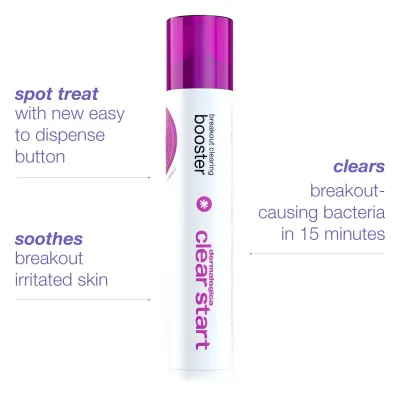
Dermalogica Breakout Clearing Booster
Salicylic acid, niacinamide, tea tree leaf oil, lactic acid · normal, dry, combination, oily, sensitive skin · scented
Amazon
All 130 products with Silicones
Daily Moisturizers & Water Gel Creams (30)
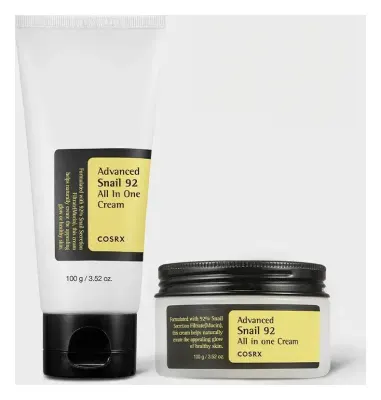 COSRX Advanced Snail 92 All in One CreamAmazon
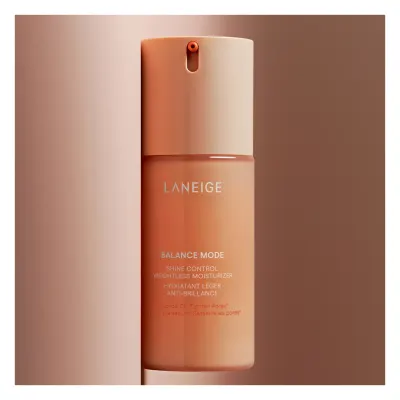 Laneige Balance Mode Shine Control Weightless MoisturizerAmazon
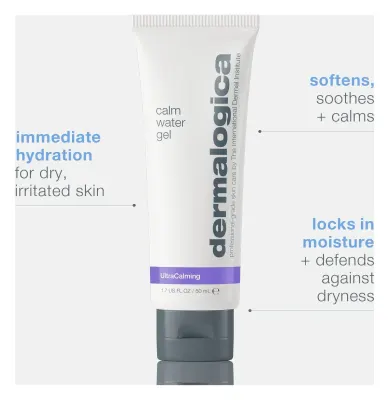 Dermalogica calm water gelAmazon
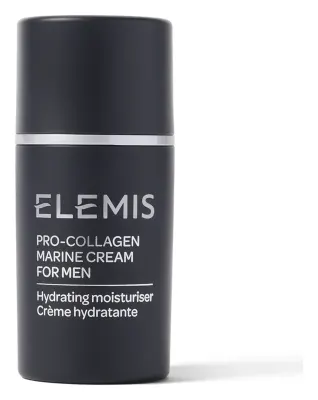 Elemis Pro-Collagen Marine Cream for MenAmazon
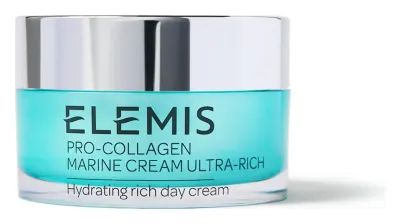 Elemis Pro-Collagen Marine Cream Ultra-RichAmazon
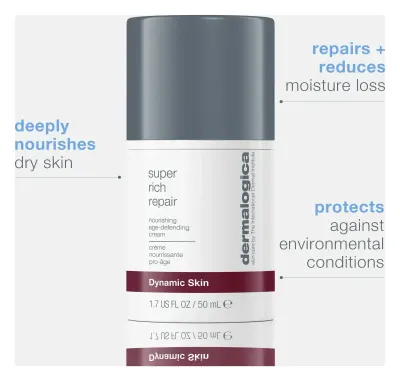 Dermalogica super rich repair moisturizerAmazon
 Sulwhasoo Concentrated Ginseng Rejuvenating CreamAmazon
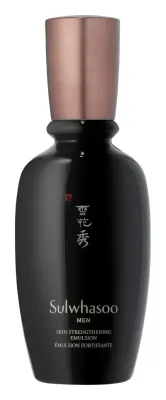 Sulwhasoo Skin Strengthening Emulsion for MenAmazon
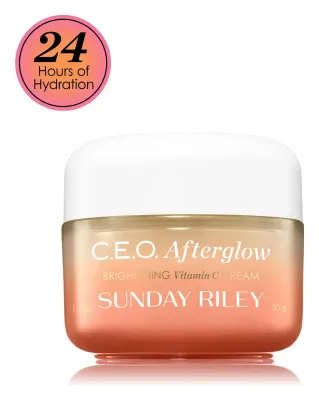 Sunday Riley C.E.O. Afterglow Brightening Vitamin C Gel CreamAmazon
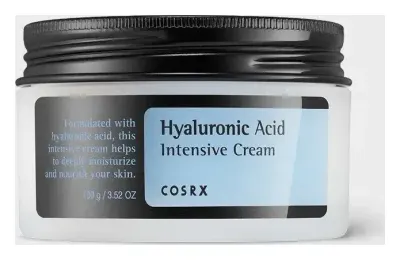 COSRX Hyaluronic Acid Intensive CreamAmazon
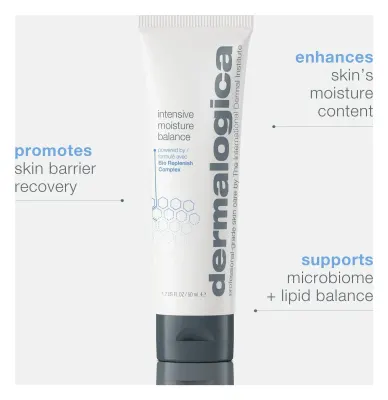 Dermalogica intensive moisture balance moisturizerAmazon
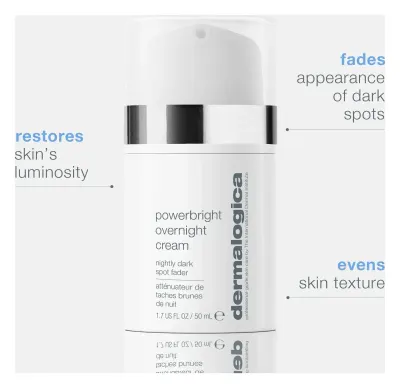 Dermalogica powerbright overnight creamAmazon
 Dermalogica skin smoothing cream moisturizerAmazon
 COSRX The Blue Peptide Bakuchiol Plump Bounce CreamAmazon
 Elemis ULTRA SMART Pro-Collagen Day CreamAmazon
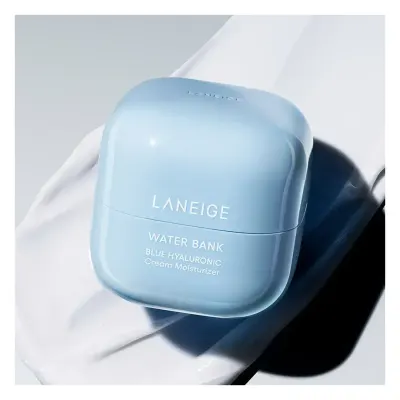 Laneige Water Bank Blue Hyaluronic Cream MoisturizerAmazon
 COSRX AC Collection Lightweight Soothing MoisturizerAmazon
 Perricone MD Cold Plasma Plus+ Advanced Hydrating ComplexAmazon
 Perricone MD Cold Plasma Plus+ Sub-D/NeckAmazon
 Sulwhasoo Concentrated Ginseng Rejuvenating Cream RichAmazon
 Sulwhasoo Concentrated Ginseng Rejuvenating EmulsionAmazon
 Sulwhasoo Essential Firming Cream EXAmazon
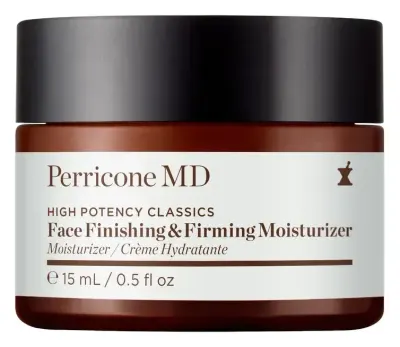 Perricone MD High Potency Classics Face Finishing & Firming MoisturizerAmazon
 Perricone MD High Potency Hyaluronic Intensive MoisturizerAmazon
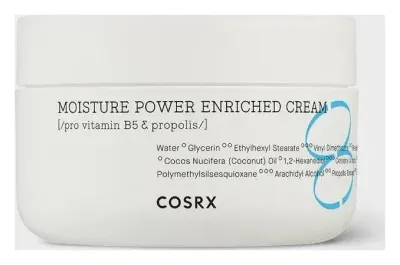 COSRX Hydrium Moisture Power Enriched CreamAmazon
 COSRX Oil-Free Ultra-Moisturizing Lotion with Birch SapAmazon
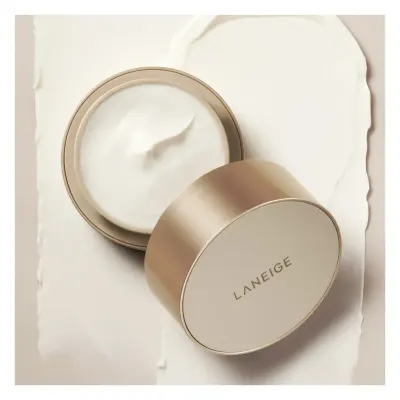 Laneige Perfect Renew 3x Cream AdvancedAmazon
 Dermalogica pro-collagen banking water creamAmazon
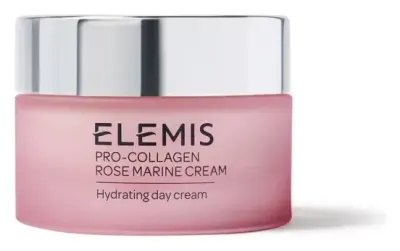 Elemis Pro-Collagen Rose Marine CreamAmazon
 Elemis ULTRA SMART Pro-Collagen Night GeniusAmazon
Eye Creams & Under-Eye Patches (12)
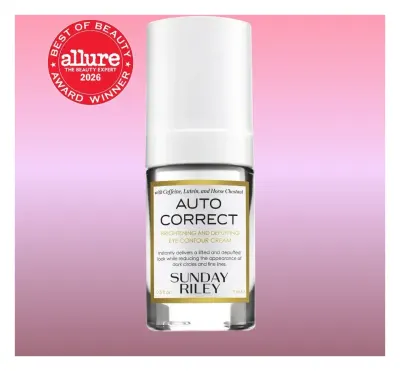 Sunday Riley Auto Correct Brightening + Depuffing Eye CreamAmazon
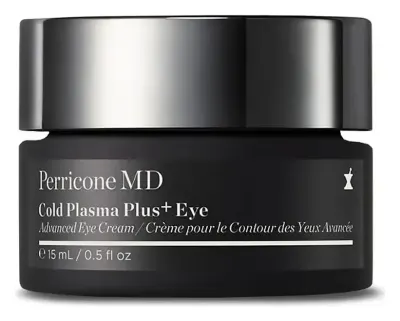 Perricone MD Cold Plasma Plus+ Advanced Eye CreamAmazon
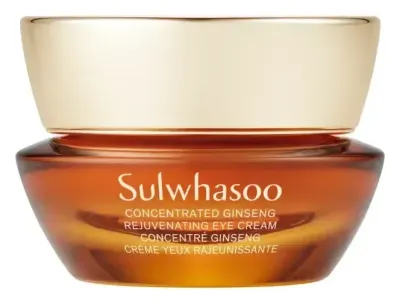 Sulwhasoo Concentrated Ginseng Rejuvenating Eye CreamAmazon
 Sunday Riley 5 Stars Retinol + Niacinamide Eye SerumAmazon
 Dermalogica age reversal eye complexAmazon
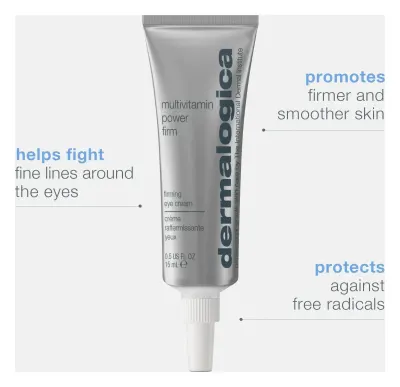 Dermalogica multivitamin power firm eye creamAmazon
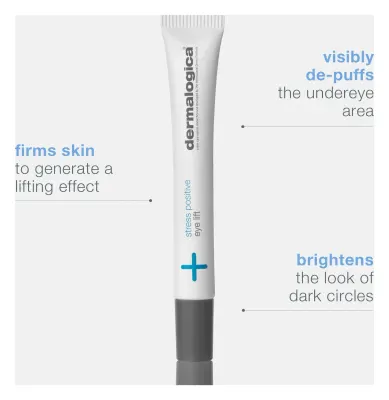 Dermalogica stress positive eye lift maskAmazon
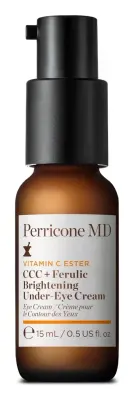 Perricone MD Vitamin C Ester CCC + Ferulic Brightening Under-Eye CreamAmazon
 Sulwhasoo First Care Activating Eye SerumAmazon
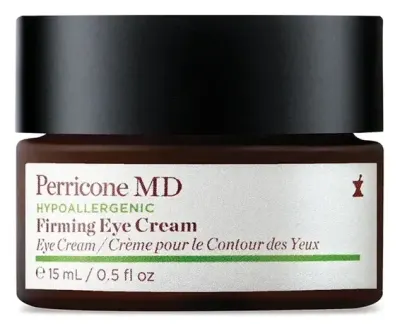 Perricone MD Hypoallergenic Firming Eye CreamAmazon
 Elemis Pro-Collagen Future Restore Eye SerumAmazon
 Laneige Water Bank Blue Hyaluronic Eye CreamAmazon
Full-Coverage Camouflage & Liquid Foundations (11)
 Flori Roberts Best Creme to Powder Foundation For Women of Color or Deeper Skin TonesAmazon
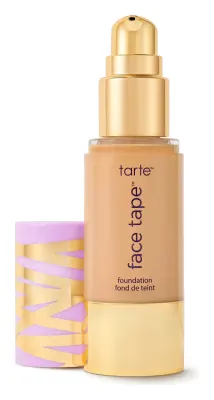 tarte face tape™ foundationAmazon
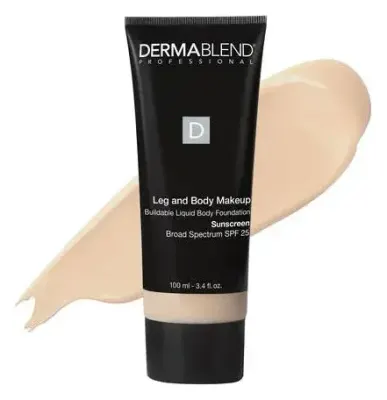 Dermablend Leg and Body MakeupAmazon
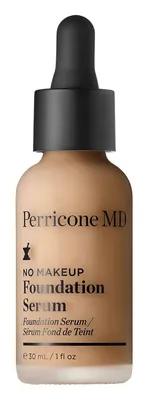 Perricone MD No Makeup Foundation SerumAmazon
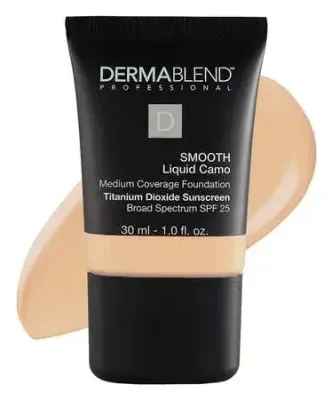 Dermablend Smooth Liquid Camo FoundationAmazon
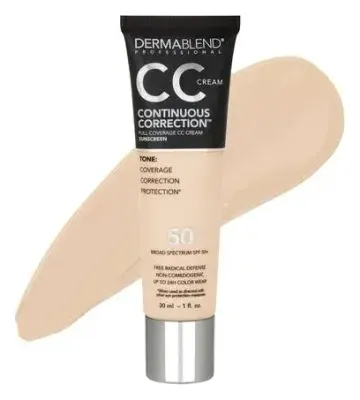 Dermablend Continuous Correction™ CC Cream SPF 50+Amazon
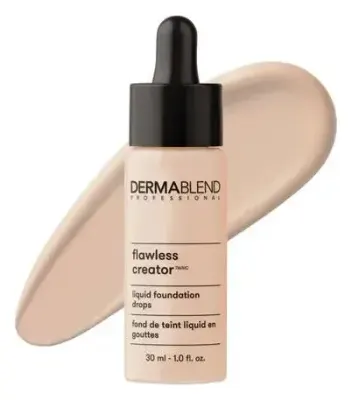 Dermablend Flawless Creator® Lightweight FoundationAmazon
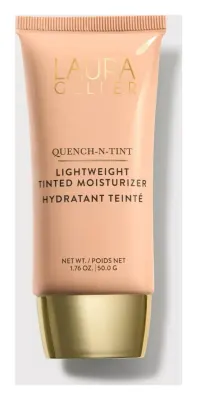 Laura Geller Quench-n-Tint Lightweight Tinted MoisturizerAmazon
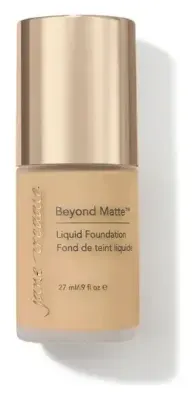 Jane Iredale Beyond Matte Liquid FoundationAmazon
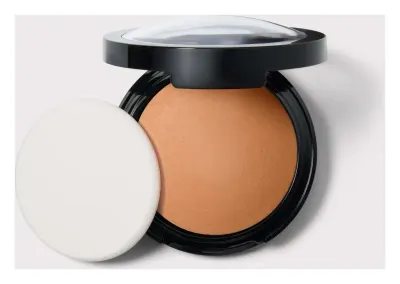 Laura Geller Double Take Baked Full Coverage FoundationAmazon
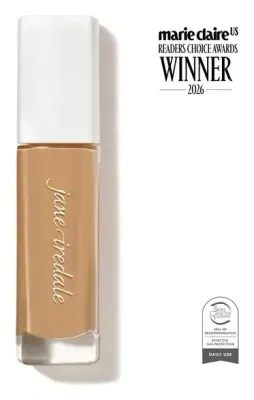 Jane Iredale Skintuition SPF 30 Radiance-Boosting Liquid FoundationAmazon
Anti-Aging & Retinoid Serums (9)
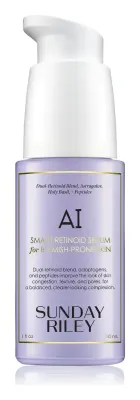 Sunday Riley A.I. Smart Retinoid SerumAmazon
 Sunday Riley A+ High-Dose Retinoid SerumAmazon
 Perricone MD High Potency Triple Retinol Renewal SerumAmazon
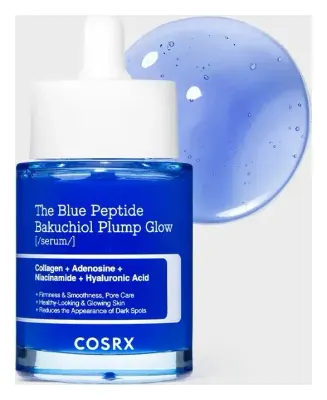 COSRX The Blue Peptide Bakuchiol Plump Glow SerumAmazon
 COSRX The Retinol 0.1 CreamAmazon
 COSRX The Retinol 0.3 CreamAmazon
 Sulwhasoo Concentrated Ginseng Rejuvenating SerumAmazon
 Dermalogica futurecode booster damage-correcting longevity serumAmazon
 Perricone MD High Potency Retinol Recovery Overnight MoisturizerAmazon
High-Definition Camouflage Concealers (9)
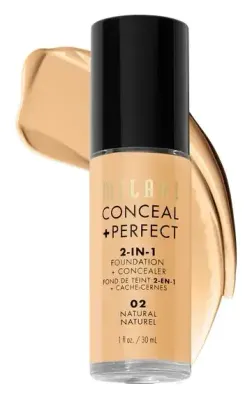 Milani Conceal + Perfect 2-In-1 Foundation + ConcealerAmazon
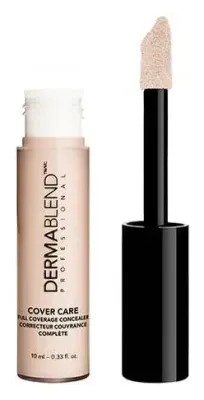 Dermablend Cover Care Full Coverage ConcealerAmazon
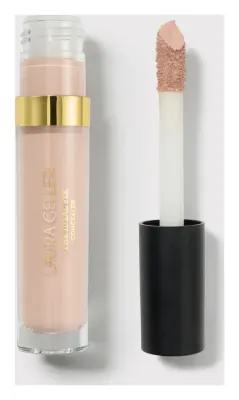 Laura Geller Ideal Fix ConcealerAmazon
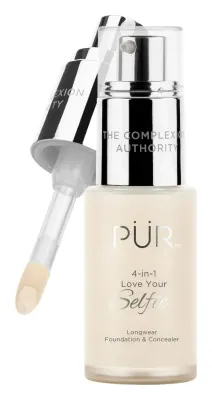 PÜR Love Your Selfie Longwear Foundation & ConcealerAmazon
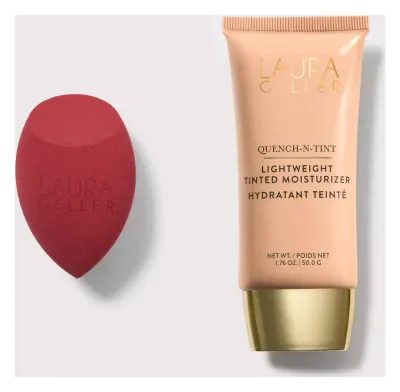 Laura Geller Quench-n-Tint Lightweight Tinted Moisturizer and SpongeAmazon
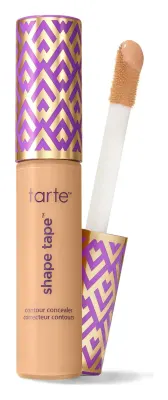 tarte shape tape™ concealerAmazon
 tarte shape tape™ creamy concealerAmazon
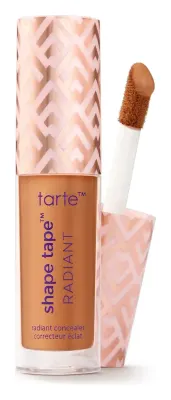 tarte travel-size shape tape™ radiant concealerAmazon
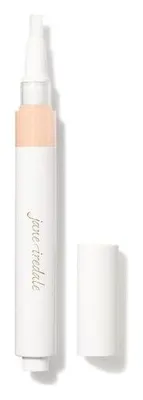 Jane Iredale Skintuition Brightening Under Eye Concealer with Active Peptide ComplexAmazon
Targeted Vitamin C & Brightening Correctors (8)
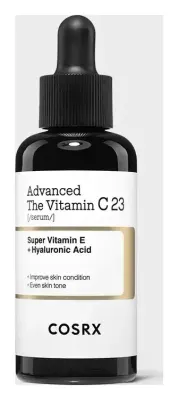 COSRX Advanced The Vitamin C 23 SerumAmazon
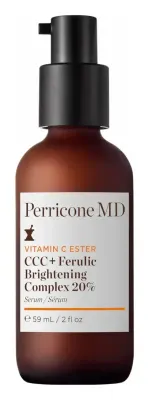 Perricone MD Vitamin C Ester CCC + Ferulic Brightening Complex 20%Amazon
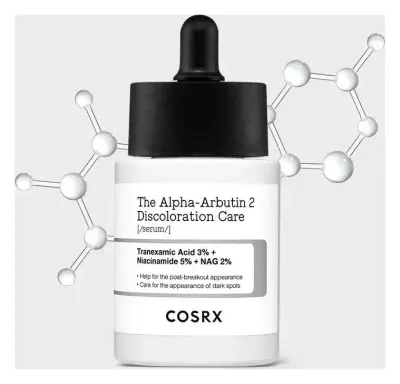 COSRX The Alpha-Arbutin 2 Discoloration Care SerumAmazon
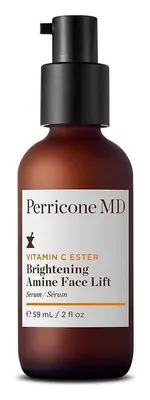 Perricone MD Vitamin C Ester Brightening Amine Face LiftAmazon
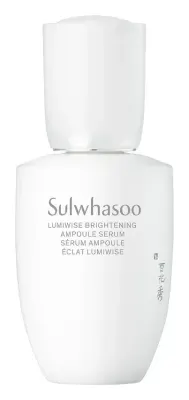 Sulwhasoo Lumiwise Brightening Ampoule SerumAmazon
 Sulwhasoo Lumiwise Discoloration CorrectorAmazon
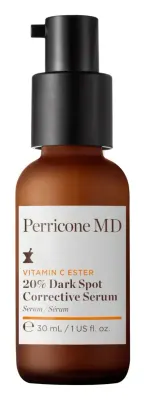 Perricone MD Vitamin C Ester 20% Dark Spot Corrective SerumAmazon
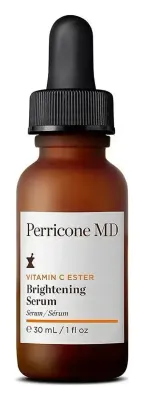 Perricone MD Vitamin C Ester Brightening SerumAmazon
Mineral Pressed Powders & Skin-Nourishing Primers (7)
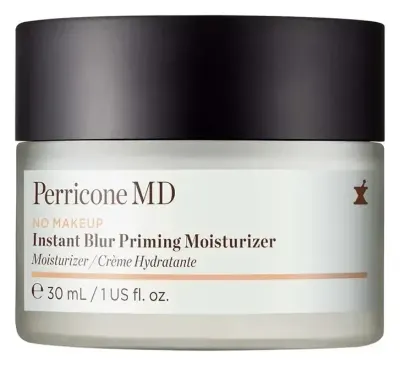 Perricone MD No Makeup Instant Blur Priming MoisturizerAmazon
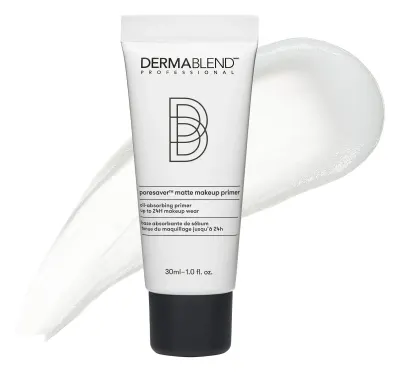 Dermablend Poresaver® Matte Makeup PrimerAmazon
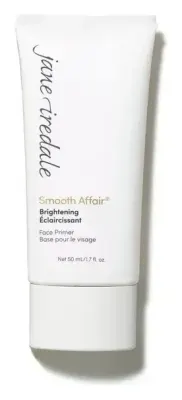 Jane Iredale Smooth Affair Brightening Face PrimerAmazon
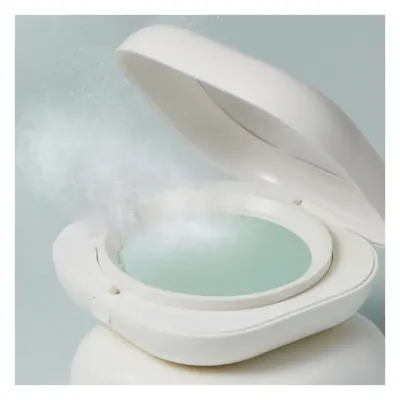 Laneige Neo Blurring PowderAmazon
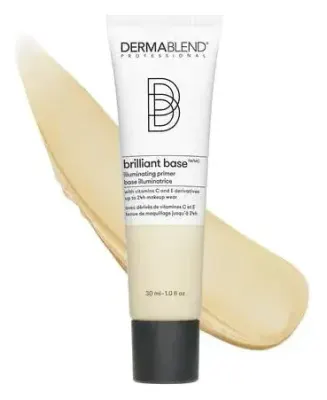 Dermablend Brilliant Base™ Illuminating PrimerAmazon
 Elizabeth Mott Thank Me Later Color Correcting Face PrimerAmazon
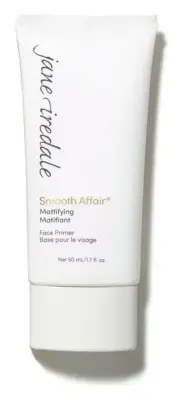 Jane Iredale Smooth Affair Mattifying Face PrimerAmazon
Daily Sunscreens & SPF Moisturizers (6)
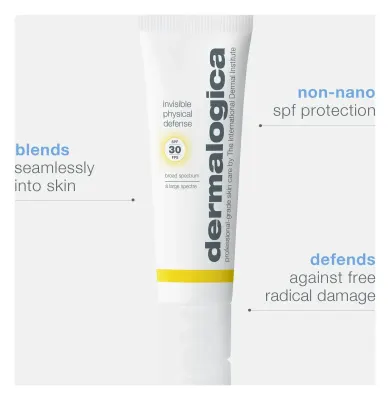 Dermalogica invisible physical defense mineral sunscreen spf30Amazon
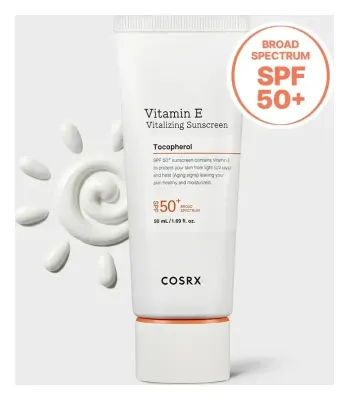 COSRX Vitamin E Vitalizing Sunscreen SPF 50+Amazon
 Elemis Pro-Collagen Marine Cream SPF 30Amazon
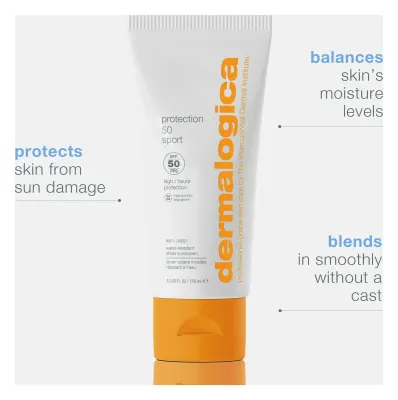 Dermalogica protection 50 sport spf50Amazon
 Dermalogica skinperfect primer spf30Amazon
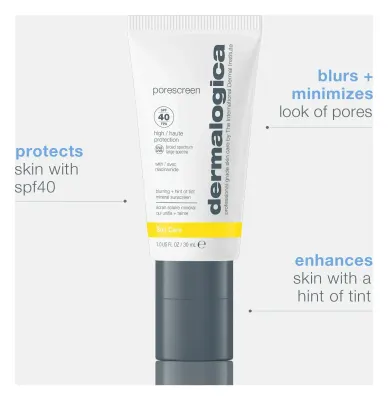 Dermalogica porescreen mineral sunscreen spf40Amazon
Blush, Bronzers & Highlighters (5)
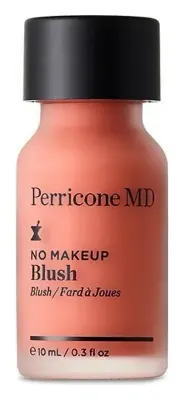
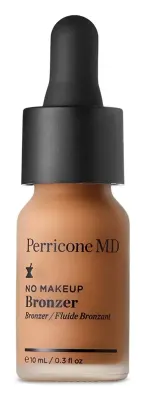
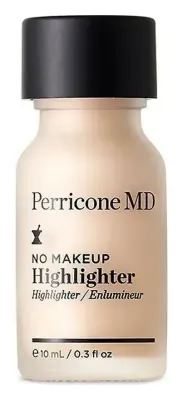
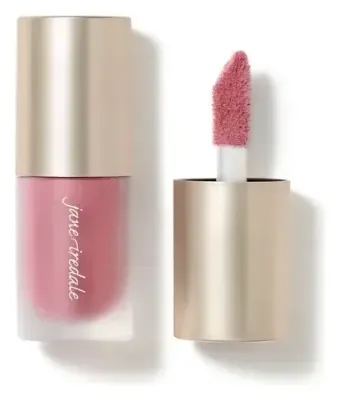
Premium Overnight Recovery Packs & Sleeping Facials (4)
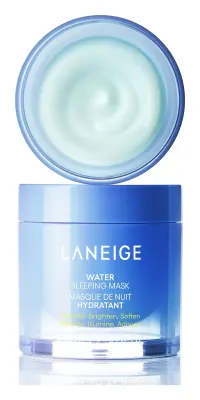
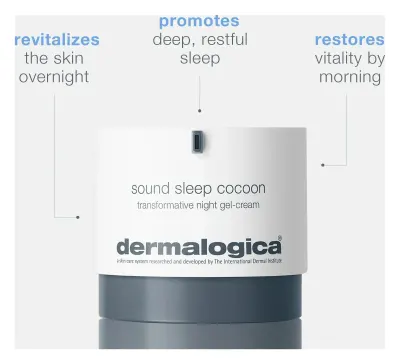

Hydrating Serums, Essences & Ampoules (4)

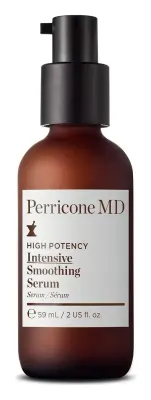
Skin Barrier Repair Creams & Recovery Jars (4)
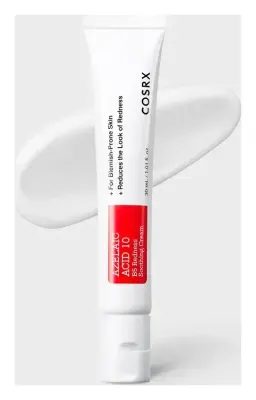

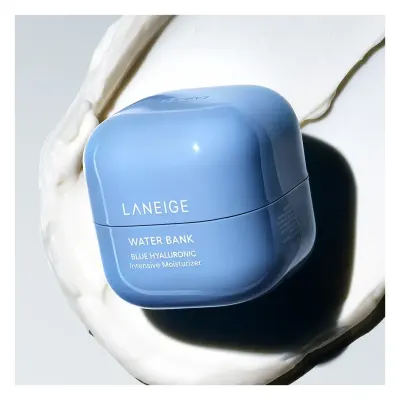
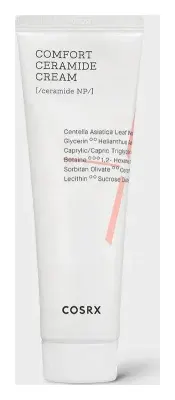
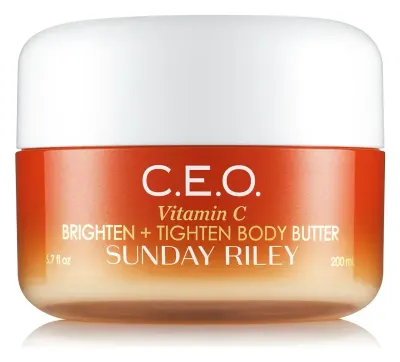
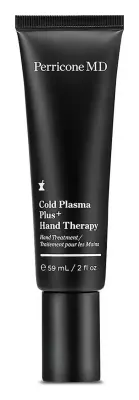
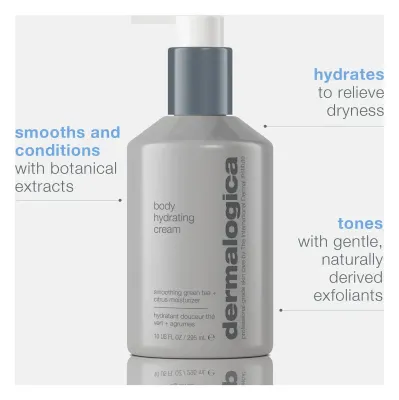
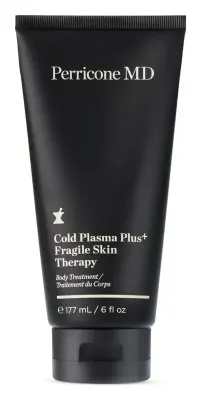
Body Creams, Butters & Body Oils (4)
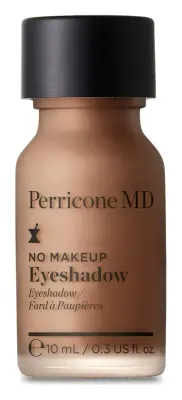
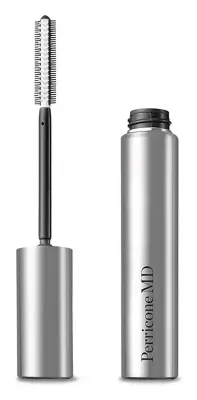
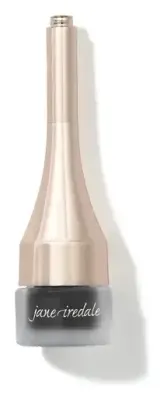
Eye Shadows, Liners, Mascara & Brow Makeup (3)
Pimple Patches & Overnight Spot Treatments (2)
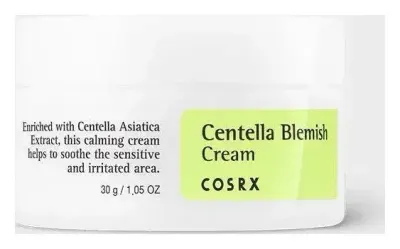
Gel, Foam & Cream Facial Cleansers (2)

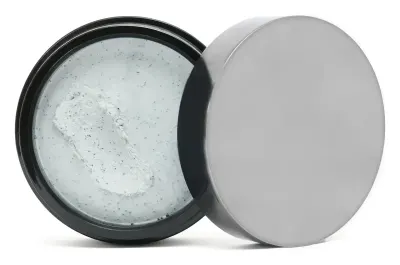
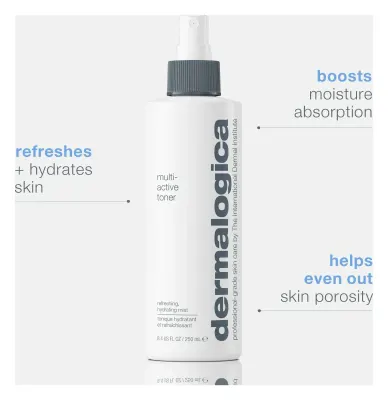
Hydrating Toners, Essence Waters & Face Mists (2)

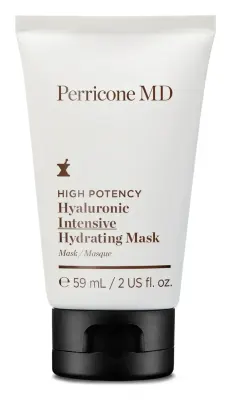
Cream & Gel Treatment Masks (2)

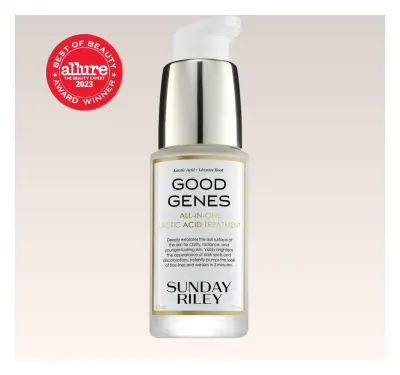
Dermatological Acne & Chemical Exfoliating Liquids (1)
Physical & Enzyme Face Exfoliants (1)
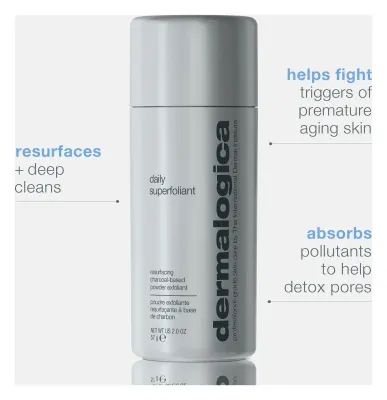
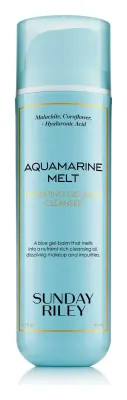
Premium Double-Cleansing Balms & Melting Gels (1)
Sheet, Hydrogel & Clay Masks (1)

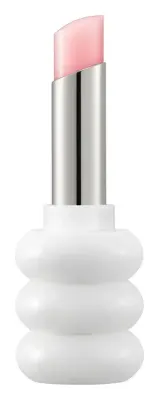
Intensive Lip Recovery Masks & Tinted Balms (1)
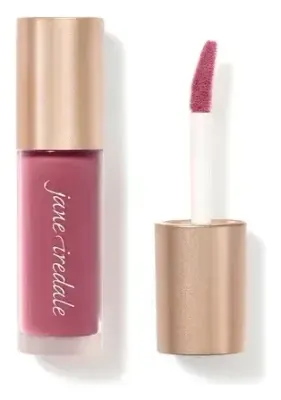
Lipsticks, Glosses & Lip Liners (1)
Common questions
What do silicones do in skincare?
Silicones such as dimethicone help give products slip and a smooth feel. Depending on the type and formula, they can also help soften skin or create a film that reduces moisture loss.
Do silicones clog pores?
Silicones as a broad category are not automatically pore-clogging, and the claim that every silicone causes breakouts is too simple. How a product feels on your skin depends on its complete formula and how you use it.
Are silicones only used in makeup?
No. They appear in primers and foundations, but also in moisturizers, sunscreens, hair care, and other cosmetics. Their roles can include improving spread, slip, or texture.
Do you need a special cleanser to remove silicones?
Usually, your normal cleanser is enough for everyday products. If you wear long-wear makeup or water-resistant sunscreen, choose a cleanser that removes those products comfortably and follow its directions.