Nylon-12
What nylon-12 powder does in makeup, primers and sunscreens, why it softens shine, and what the safety review found.
No specific flag recordedIn 9 products we cover
We may earn a commission when you buy through links on this page. It never changes what we recommend.
Quick facts
- INCI name
- Nylon-12
- Origin
- Synthetic
- Chemical class
- Polyamide (synthetic polymer powder)
- What it does in a formula
- bulking, opacifying
- Why it is in the formula
- A fine, soft powder that adds a silky feel, blurs the look of skin texture and helps reduce shine.
- Regulatory notes
- The Cosmetic Ingredient Review panel concluded nylon-12 is safe in the present practices of use and concentration, and noted that nylon polymers are not likely to penetrate the skin.
What is Nylon-12?
Nylon-12 is a synthetic polymer, a polyamide made from 12-aminododecanoic acid. It’s the same chemical family as the nylon used in fabrics, but cosmetic nylon-12 is a very fine, soft powder.
You’ll find it in foundations, primers, setting powders, mineral sunscreens and some under-eye products. It may appear high on the list in a powder and lower down in a cream or liquid. The safety review found nylons aren’t likely to penetrate the skin; the powder sits on top to change how a product looks and feels.
What does Nylon-12 do?
- Adds bulk and slip. The safety review lists nylons mainly as bulking agents. The powder makes a product feel silky and helps it spread evenly.
- Softens the look of texture. As an opacifying ingredient, it makes a product less see-through, which can soften the look of pores and uneven texture in makeup.
- Mattifies. Soft powders like this help a finish look less shiny.
It’s a texture and finish ingredient. It doesn’t change your skin; the effect is optical and lasts only while the product is on.
Who is Nylon-12 for?
It suits most skin types. If your skin gets shiny or you want a soft-focus finish from foundation or sunscreen, you may like products that use it.
The safety review concluded nylon-12 is safe as used and that nylon polymers aren’t likely to penetrate the skin. It’s a plastic, so if you prefer to avoid synthetic polymers for environmental reasons, check makeup and primer labels for nylon.
What to pair Nylon-12 with, and what to avoid
There’s nothing to pair in your routine. In formulas it often appears with silica, mica and silicones, which add to the smooth, blurred finish. If you have blemish-prone skin and wear makeup daily, the makeup for acne-prone skin guide covers what else to look for.
Quick picks with Nylon-12
Best pick with no fragrance listed
No scent or sensitivity flags recorded in our glossary
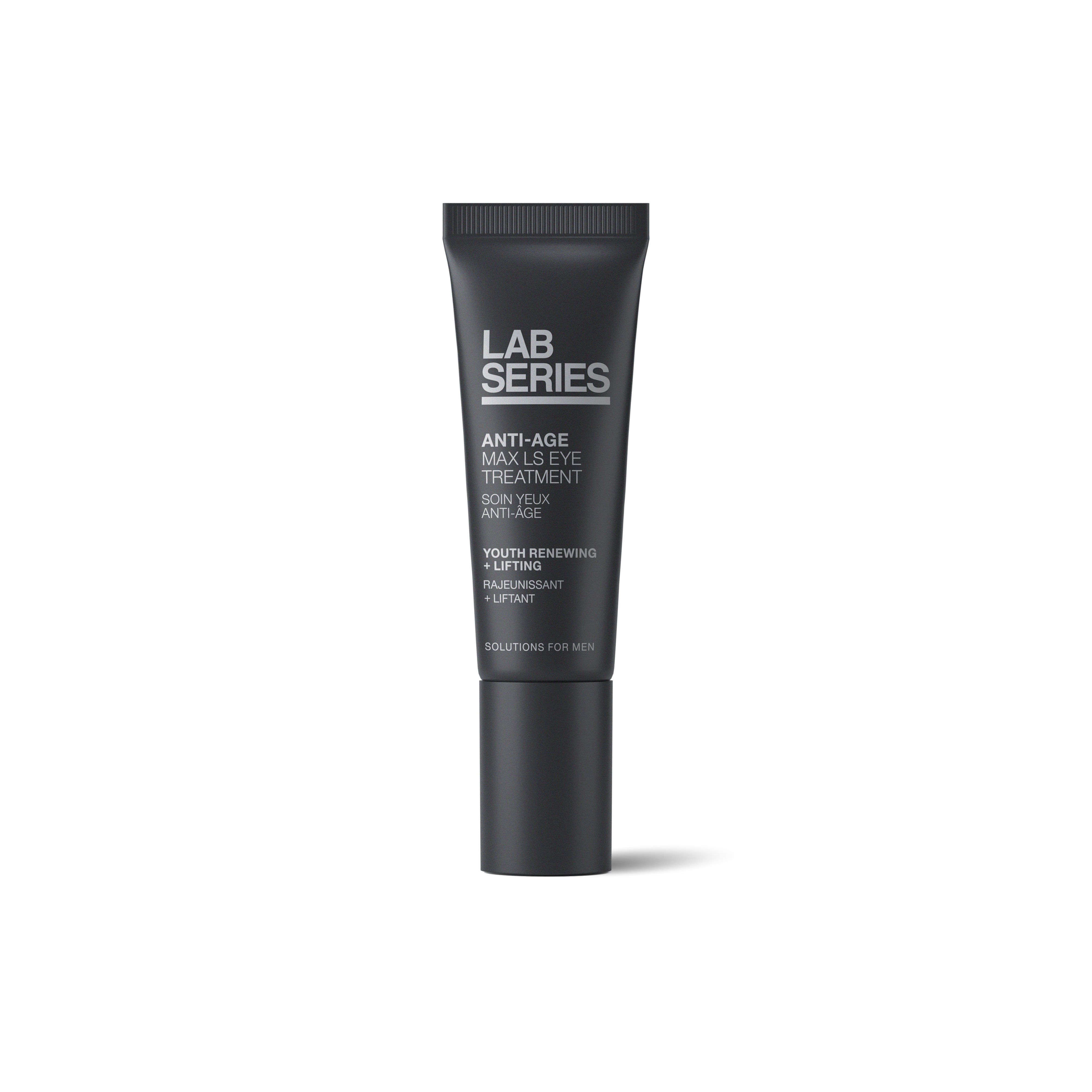
Lab Series Anti-Age Max LS Eye Treatment Gel-Cream
Palmitoyl tetrapeptide-7, acetyl hexapeptide-8, hydrolyzed rice extract, sodium hyaluronate · oily, dry, combination, sensitive, normal skin · no scent flags recorded
Best for sensitive skin
Brand lists it for sensitive skin
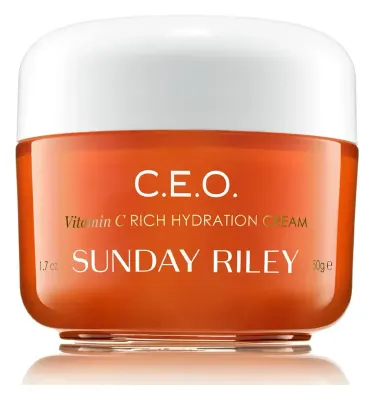
Sunday Riley C.E.O. Vitamin C Rich Hydration Cream
Vitamin C (THD Ascorbate) · sensitive skin · scent ingredients flagged
Best with SPF built in
Brand lists SPF 35
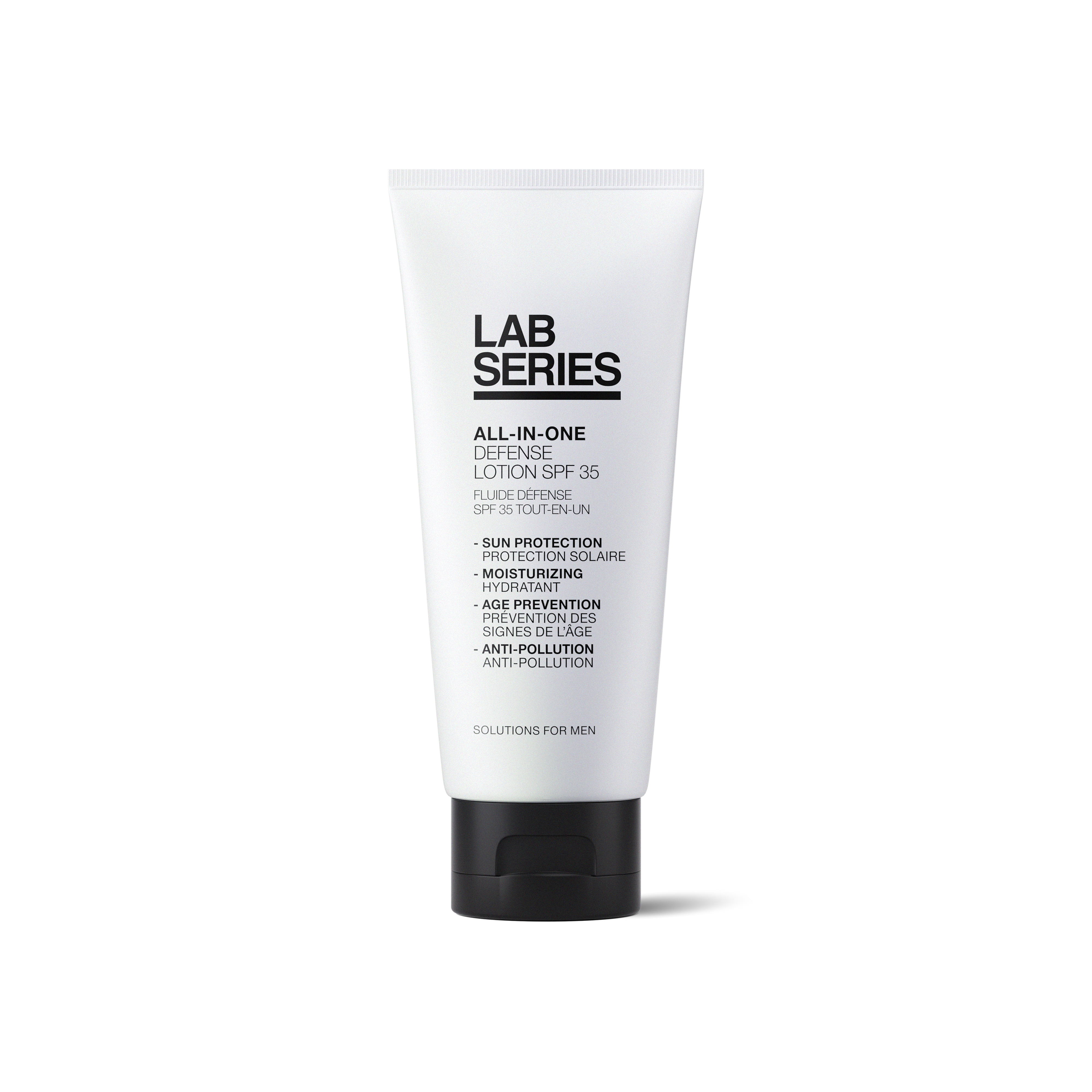
Lab Series All-In-One Defense Lotion Moisturizer SPF 35
Squalane, sodium hyaluronate, urea, caffeine, trehalose · combination, dry, normal, oily skin · scent ingredients flagged
All 9 products with Nylon-12
Daily Moisturizers & Water Gel Creams (3)
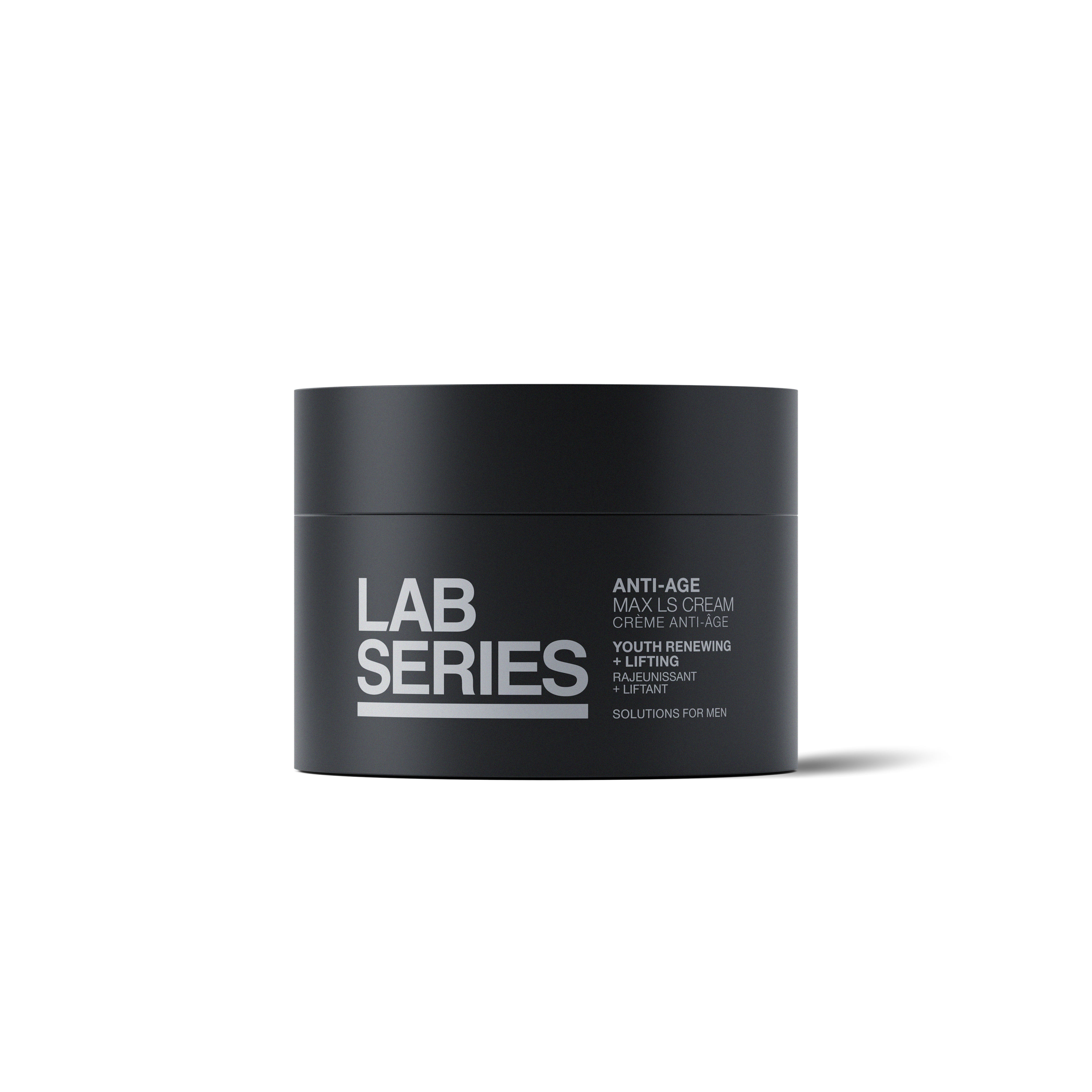
Eye Creams & Under-Eye Patches (2)

Daily Sunscreens & SPF Moisturizers (1)
Hydrating Serums, Essences & Ampoules (1)
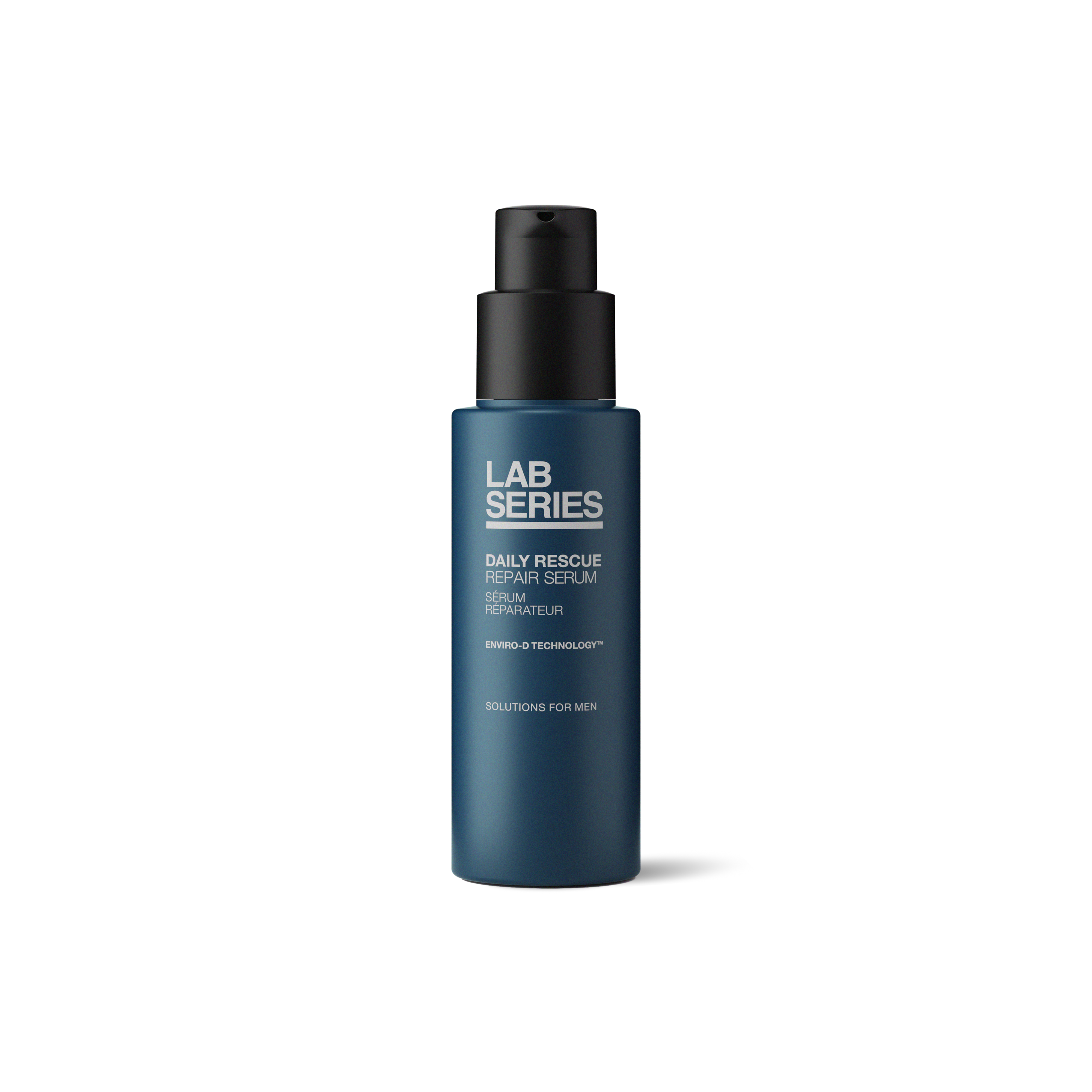
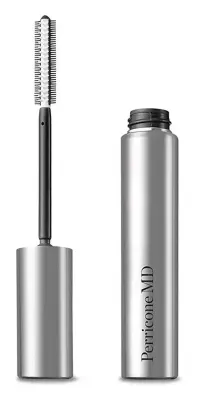
Eye Shadows, Liners, Mascara & Brow Makeup (1)
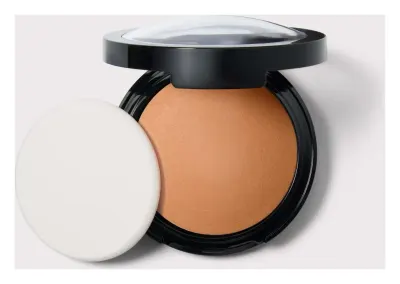
Full-Coverage Camouflage & Liquid Foundations (1)
Common questions
What does nylon-12 do in makeup and skincare?
It's a fine powder that gives products a silky, smooth feel. It's also an opacifier, which can soften the look of pores and texture, and it can make a finish look less shiny.
Is nylon-12 safe on skin?
A cosmetic safety panel concluded it is safe as used in cosmetics. The panel noted that nylon polymers are too large to be likely to penetrate the skin.
Is nylon-12 a plastic?
Yes. It's a synthetic polymer, the same chemical family as nylon fabrics, ground into a fine powder. If you prefer to avoid plastic ingredients, check labels for nylon and other polymer powders.