PEG-100 Stearate
What PEG-100 stearate does in skincare, why it helps oil and water mix, and what the ethoxylated ingredient name means.
Extremely safeIn 25 products we cover
We may earn a commission when you buy through links on this page. It never changes what we recommend.
Quick facts
- INCI name
- PEG-100 Stearate
- Origin
- Synthetic
- Chemical class
- Ethoxylated fatty-acid ester
- What it does in a formula
- emulsifying, surfactant, skin conditioning
- Why it is in the formula
- Helps emulsify oils and water so creams and lotions stay blended.
What it is
Used by chemists to create smooth, stable creams and lotions, PEG-100 stearate is an ethoxylated emulsifier produced from stearic acid and polyethylene glycol. The number 100 in the title indicates the average molecular count of ethylene oxide units, not its percentage in the product. It operates purely as a structural formulation builder rather than a targeted active ingredient.
Because oil and water naturally separate, many moisturizers need emulsifiers to keep their phases distributed. PEG-100 stearate helps with that job. It can be used alone or alongside other emulsifiers, fatty alcohols, and thickeners. As with other ethoxylated ingredients, 1,4-dioxane is a possible manufacturing byproduct. It is not the intended ingredient, and manufacturers can reduce it through processing and quality controls. This is a manufacturing-quality question, not a reason to assume a finished product is contaminated.
What it does
- Helps emulsify oil and water. It allows the two phases in a cream or lotion to form a more stable blend.
- Supports a creamy texture. Emulsifiers help prevent a formula from separating and keep each use more consistent.
- Works with other structure ingredients. A formulator may pair it with fatty alcohols or gums to adjust thickness and feel.
Who it suits
PEG-100 stearate is a helper ingredient found in finished products for a wide range of skin types. You do not need to seek it out or avoid it just because the name begins with PEG. The product’s complete formula determines whether it feels light, rich, or otherwise comfortable for you. Someone with a known sensitivity to a particular product should check the full ingredient list rather than treating one emulsifier as the explanation by default.
Some shoppers avoid ethoxylated ingredients because of concerns about manufacturing impurities. It is fair to know that the process can produce 1,4-dioxane, but the impurity is not the same thing as PEG-100 stearate and is controlled by responsible manufacturing. The ingredient label does not provide a test result for the finished product. If you have a recurring skin concern or reaction, a dermatologist can help you identify likely triggers.
What to pair it with, and what not to
There is nothing special to layer with PEG-100 stearate because it is part of the product’s structure. It can appear in a moisturizer alongside humectants such as glycerin and emollients such as caprylic/capric triglyceride. Choose the product for its overall texture and routine role, not to collect emulsifiers.
Skin Realist check: A well-behaved cream is allowed to be the most exciting part of your morning.
Quick picks with PEG-100 Stearate
Scent-free, no patch-test flags on the label
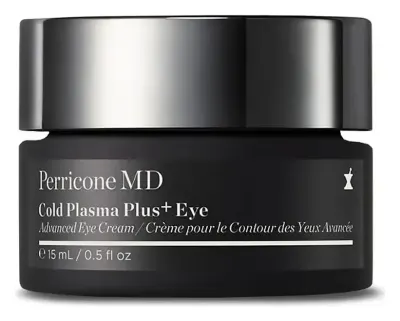
Perricone MD Cold Plasma Plus+ Advanced Eye Cream
Vitamin C Ester, omegas 3, 6 and 9, and peptides · scent-free label
AmazonBrand lists it for sensitive skin
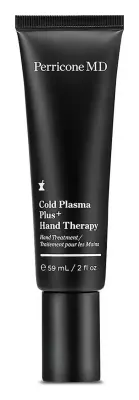
Perricone MD Cold Plasma Plus+ Hand Therapy
Shea butter, phospholipids and glycine · oily, dry, combination, sensitive, normal skin · scent-free label
AmazonBrand lists it for oily skin
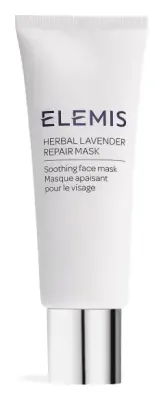
Elemis Herbal Lavender Repair Mask
Kaolin, lavender oil and rosemary oil · oily, combination, normal skin · scented
Amazon
All 25 products with PEG-100 Stearate
Daily Moisturizers & Water Gel Creams (5)



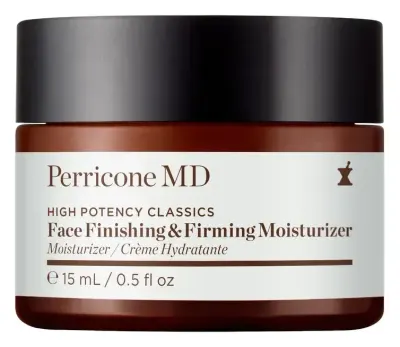
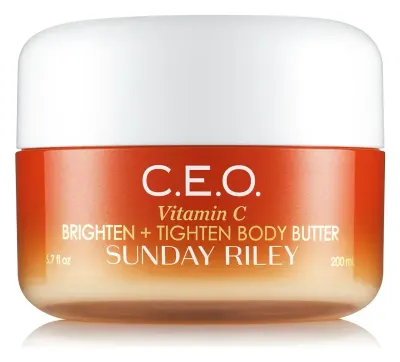
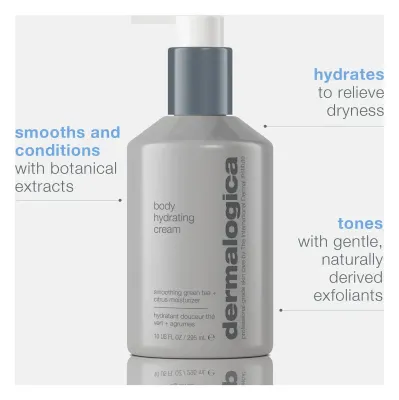
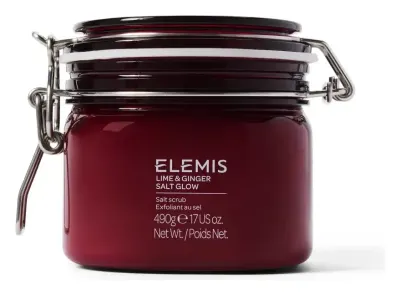
Body Creams, Butters & Body Oils (4)
Eye Creams & Under-Eye Patches (3)

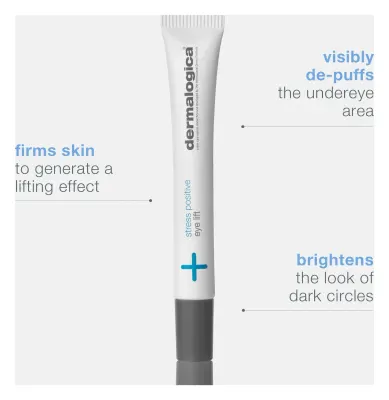
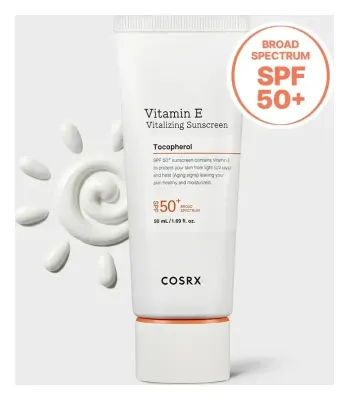
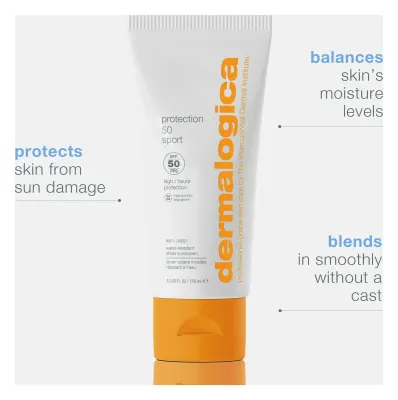
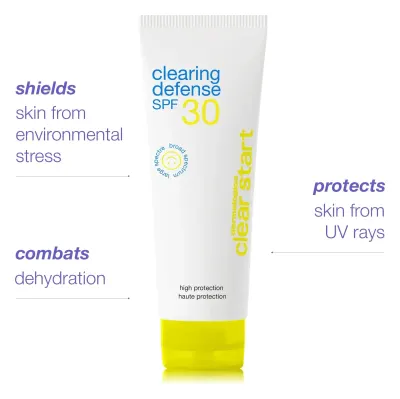
Daily Sunscreens & SPF Moisturizers (3)
Targeted Vitamin C & Brightening Correctors (2)
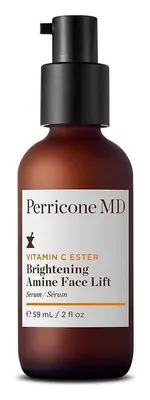

Dermatological Acne & Chemical Exfoliating Liquids (1)
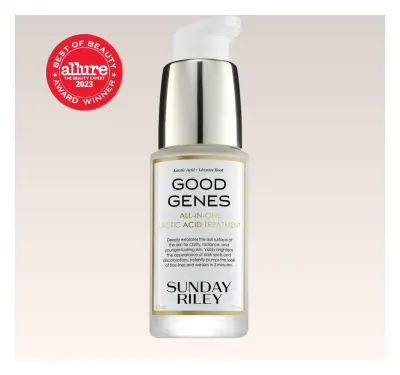
Sheet, Hydrogel & Clay Masks (1)
Cream & Gel Treatment Masks (1)

Premium Overnight Recovery Packs & Sleeping Facials (1)

Premium Double-Cleansing Balms & Melting Gels (1)
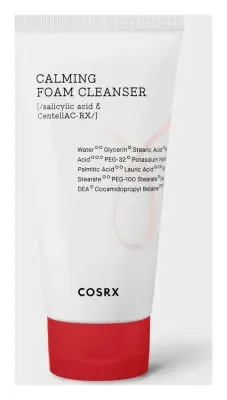
Mineral Pressed Powders & Skin-Nourishing Primers (1)
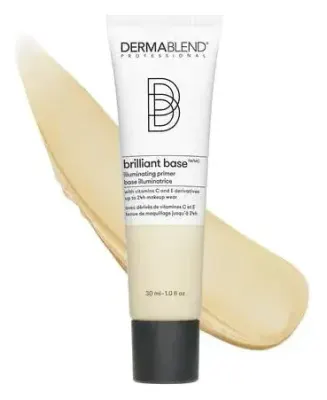
Anti-Aging & Retinoid Serums (1)

Gel, Foam & Cream Facial Cleansers (1)
Common questions
What is PEG-100 stearate in skincare?
It is an ethoxylated ingredient made from stearic acid and polyethylene glycol-related material. Formulators use it mainly to help oil and water stay mixed in creams and lotions.
Why is PEG-100 stearate in moisturizer?
Most moisturizers combine ingredients that do not naturally mix, such as water and oils. PEG-100 stearate helps form and stabilize that emulsion, which gives the product a consistent creamy texture.
Does PEG-100 stearate contain 1,4-dioxane?
Ethoxylation can create 1,4-dioxane as a possible manufacturing impurity. It is a byproduct rather than the ingredient's intended function, and reputable manufacturers control impurities through processing and quality checks.
Is PEG-100 stearate bad for skin?
Its presence alone does not predict how a finished product will suit you. The overall formula and your own sensitivities matter, so patch-test a new product if you are prone to reactions.