Caprylic/Capric Triglyceride
What caprylic/capric triglyceride does in skincare, where this lightweight emollient comes from, and who may like its feel.
Extremely safeIn 124 products we cover
We may earn a commission when you buy through links on this page. It never changes what we recommend.
Quick facts
- INCI name
- Caprylic/Capric Triglyceride
- Origin
- Plant-derived
- Chemical class
- Medium-chain triglyceride
- What it does in a formula
- emollient, skin conditioning, solvent
- Why it is in the formula
- Adds slip and softness without the heavier feel of many plant oils.
What it is
Derived from glycerin and medium-chain fatty acids typically sourced from coconut or palm kernel oil, caprylic/capric triglyceride is a lightweight emollient oil widely used in cosmetics. It provides a non-greasy, silky glide on the skin. Because it undergoes extensive refining and esterification, it behaves very differently in a formula than raw kitchen coconut oil.
You may see it in facial moisturizers, body lotions, cleansing balms, sunscreens, makeup, and hair products. It can make a formula feel smooth and help oily ingredients spread evenly. It is a supporting ingredient, not the reason to buy a product. Calling it a triglyceride describes its chemistry, not a promise that it behaves exactly like every natural oil.
What it does
- Softens skin. As an emollient, it fills in the feel of rough surface patches and leaves skin feeling more supple.
- Adds slip. It helps a cream or oil spread without as much drag, which can make application feel more comfortable.
- Helps dissolve oil-loving ingredients. Formulators may use it as a solvent or carrier for other ingredients that do not dissolve well in water.
- Shapes the texture. Its lighter oil feel can balance richer butters and waxes in a blend.
Who it suits
This ingredient may appeal to you if you want an emollient finish but find some face oils too heavy. It appears in both leave-on products and rinse-off cleansers, so the finished feel depends on the rest of the formula. Oily or combination skin is not automatically excluded, and dry skin is not automatically guaranteed to love it. Choose by the product’s texture and how your own skin responds.
It is not accurate to say that caprylic/capric triglyceride has all of coconut oil’s properties just because the fatty acids may come from coconut. Nor can its position on a label tell you how much is in the product. If a new formula causes discomfort, stop using it and consider the entire ingredient list rather than blaming a single emollient. People with a specific allergy to a source should ask the manufacturer about sourcing if that matters to them.
What to pair it with, and what not to
There is no special active it needs to accompany. It can sit in the same formula as humectants such as glycerin and barrier-supporting ceramides, with each ingredient doing a different job. For a separate face oil, apply it after lighter water-based steps if that order feels comfortable. You do not need to add another oil if your moisturizer already gives you the finish you want.
Skin Realist check: A smooth texture is a perfectly respectable reason to like a moisturizer. Your routine does not need a complicated backstory.
How it appears on labels: Caprylic/Capric Triglyceride; Caprylic/ Capric Triglyceride
Quick picks with Caprylic/Capric Triglyceride
Scent-free, no patch-test flags on the label
COSRX Advanced Snail 92 All in One Cream
Snail Secretion Filtrate · scent-free label
AmazonBrand lists it for sensitive skin
Dermalogica dynamic skin retinol serum
Retinoid Complex 3.5% · oily, dry, combination, sensitive, normal skin · scented
AmazonBrand lists it for oily skin
Perricone MD High Potency Triple Retinol Renewal Serum
Triple retinol blend, coenzyme Q10, and beta-carotene · oily, dry, combination, sensitive, normal skin · scent-free label
Amazon
All 124 products with Caprylic/Capric Triglyceride
Daily Moisturizers & Water Gel Creams (22)
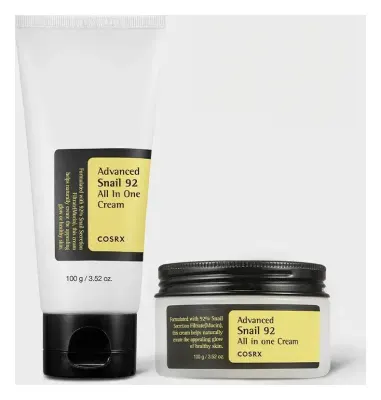 COSRX Advanced Snail 92 All in One CreamAmazon
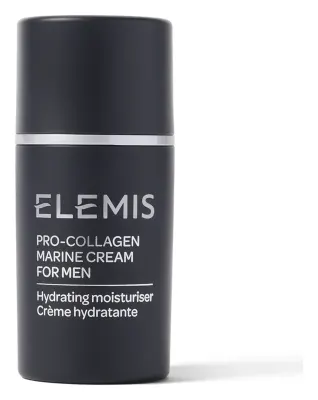 Elemis Pro-Collagen Marine Cream for MenAmazon
 Sulwhasoo Skin Strengthening Emulsion for MenAmazon
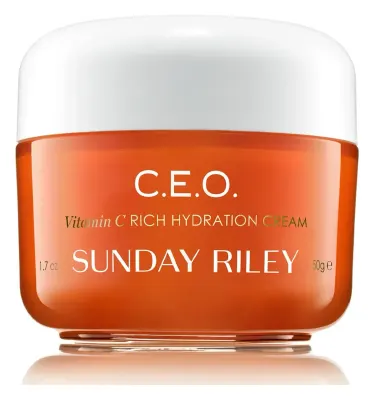 Sunday Riley C.E.O. Vitamin C Rich Hydration CreamAmazon
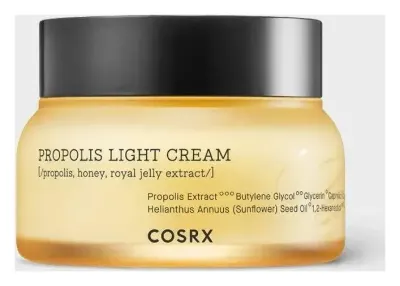 COSRX Full Fit Propolis Light CreamAmazon
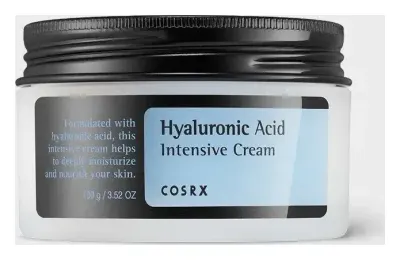 COSRX Hyaluronic Acid Intensive CreamAmazon
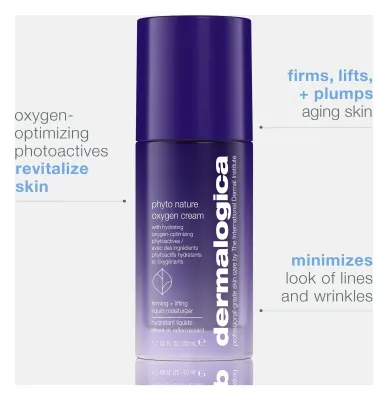 Dermalogica phyto nature oxygen creamAmazon
 COSRX Pure Fit Cica Cream IntenseAmazon
 Dermalogica skin smoothing cream moisturizerAmazon
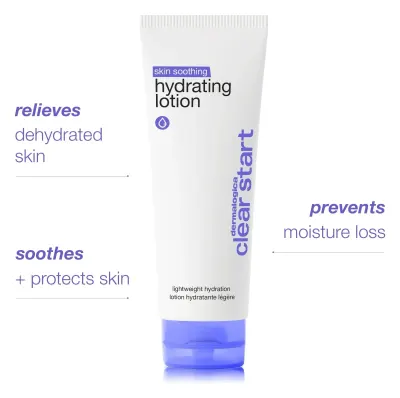 Dermalogica skin soothing hydrating lotionAmazon
 COSRX The Blue Peptide Bakuchiol Plump Bounce CreamAmazon
 Elemis ULTRA SMART Pro-Collagen Day CreamAmazon
 Perricone MD Cold Plasma Plus+ Advanced Hydrating ComplexAmazon
 Sulwhasoo Essential Firming Cream EXAmazon
 Perricone MD High Potency Hyaluronic Intensive MoisturizerAmazon
 Dermalogica multivitamin power recovery creamAmazon
 Perricone MD Neuropeptide Pro-Strength Firming MoisturizerAmazon
 Dermablend Prebiotic Daily MoisturizerAmazon
 Elemis Pro-Collagen Morning MatrixAmazon
 Elemis Pro-Collagen Rose Marine CreamAmazon
 Elemis Superfood Glow Priming MoisturiserAmazon
 Elemis ULTRA SMART Pro-Collagen Night GeniusAmazon
Anti-Aging & Retinoid Serums (10)
 Dermalogica dynamic skin retinol serumAmazon
 Perricone MD High Potency Triple Retinol Renewal SerumAmazon
 COSRX The Retinol 0.1 CreamAmazon
 COSRX The Retinol 0.3 CreamAmazon
 Dermalogica futurecode booster damage-correcting longevity serumAmazon
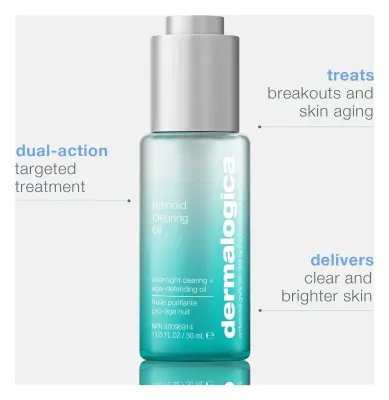 Dermalogica retinoid acne clearing oilAmazon
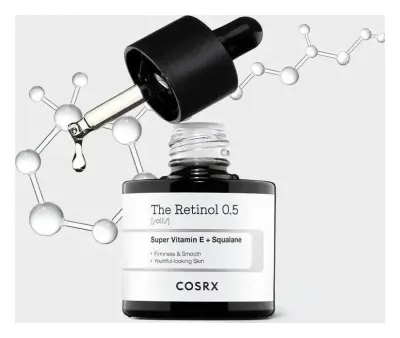 COSRX The Retinol 0.5 OilAmazon
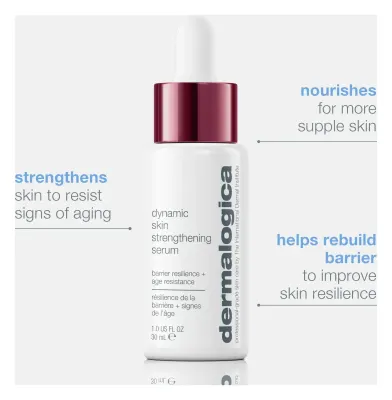 Dermalogica dynamic skin strengthening serumAmazon
 Perricone MD High Potency Retinol Recovery Overnight MoisturizerAmazon
 Perricone MD Neuropeptide Firming Facial ConcentrateAmazon
Eye Creams & Under-Eye Patches (10)
 Sunday Riley 5 Stars Retinol + Niacinamide Eye SerumAmazon
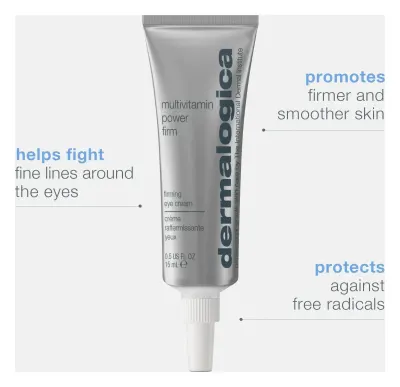 Dermalogica multivitamin power firm eye creamAmazon
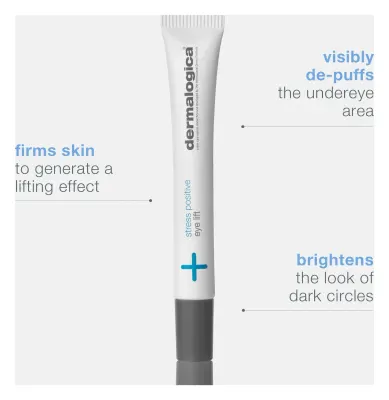 Dermalogica stress positive eye lift maskAmazon
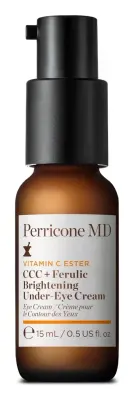 Perricone MD Vitamin C Ester CCC + Ferulic Brightening Under-Eye CreamAmazon
 Perricone MD High Potency Triple Retinol Renewal Eye SerumAmazon
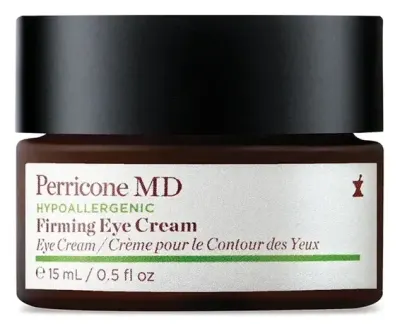 Perricone MD Hypoallergenic Firming Eye CreamAmazon
 Perricone MD Neuropeptide Corrective Brightening Under-Eye CreamAmazon
 Perricone MD No Makeup Instant Blur Priming Eye CreamAmazon
 Elemis Pro-Collagen Future Restore Eye SerumAmazon
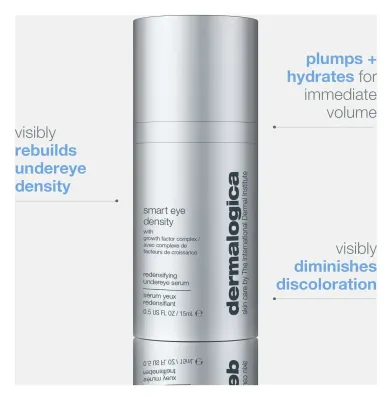 Dermalogica smart eye density undereye serumAmazon
Premium Double-Cleansing Balms & Melting Gels (8)
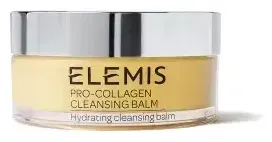 Elemis Pro-Collagen Cleansing BalmAmazon
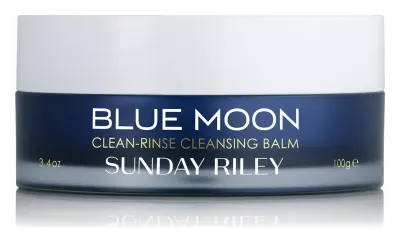 Sunday Riley Blue Moon Clean Rinse Cleansing BalmAmazon
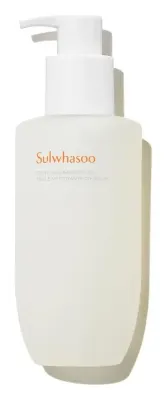 Sulwhasoo Gentle Cleansing OilAmazon
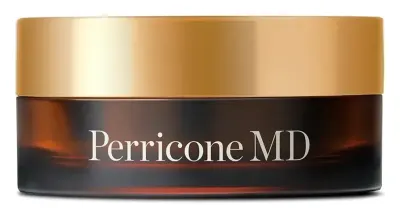 Perricone MD Neuropeptide The Cleansing BalmAmazon
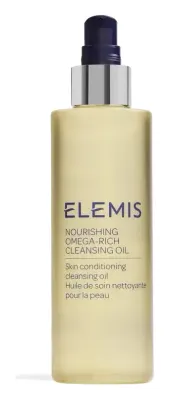 Elemis Nourishing Omega-Rich Cleansing OilAmazon
 Elemis Superfood Glow Cleansing ButterAmazon
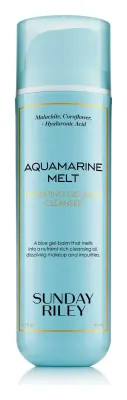 Sunday Riley Aquamarine Melt Hydrating Gel-Balm CleanserAmazon
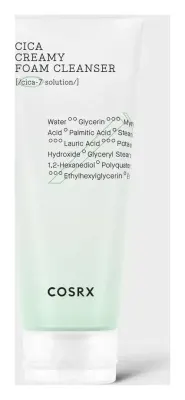 COSRX Pure Fit Cica Creamy Foam CleanserAmazon
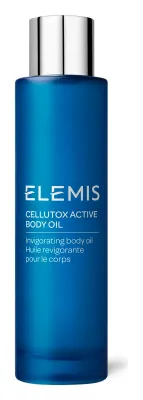
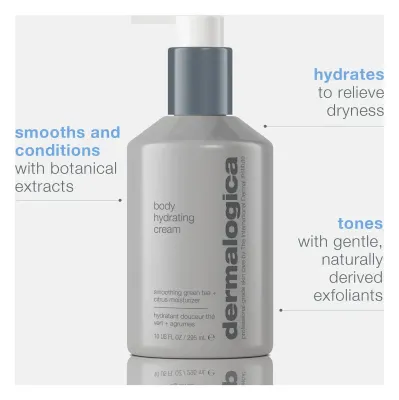
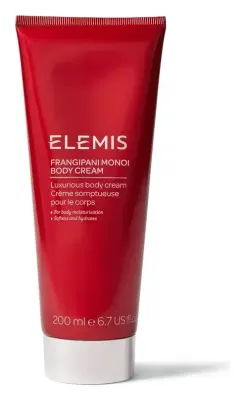
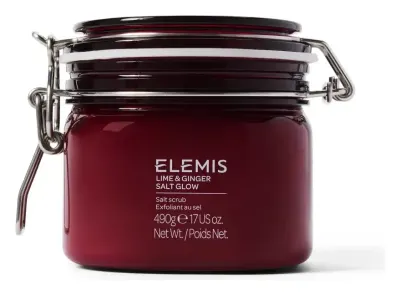
Body Creams, Butters & Body Oils (7)

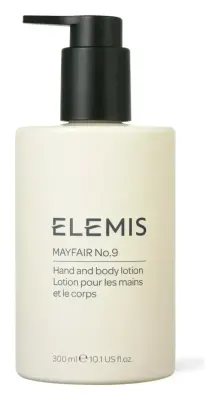
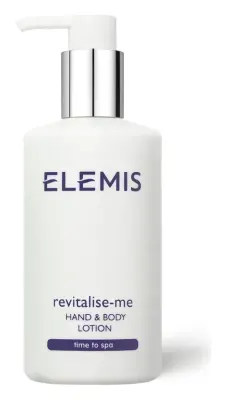
High-Definition Camouflage Concealers (7)
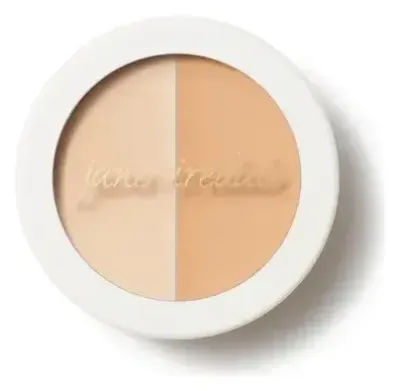 Jane Iredale Circle\Delete ConcealerAmazon
 tarte shape tape™ creamy concealerAmazon
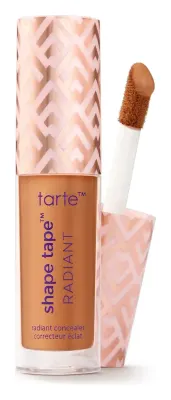 tarte travel-size shape tape™ radiant concealerAmazon
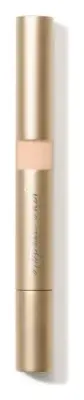 Jane Iredale Active Light Under-eye ConcealerAmazon
 Jane Iredale Corrective ColorsAmazon
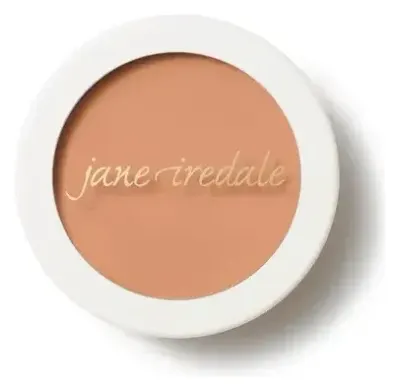 Jane Iredale Enlighten ConcealerAmazon
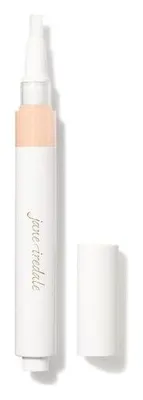 Jane Iredale Skintuition Brightening Under Eye Concealer with Active Peptide ComplexAmazon
Daily Sunscreens & SPF Moisturizers (6)
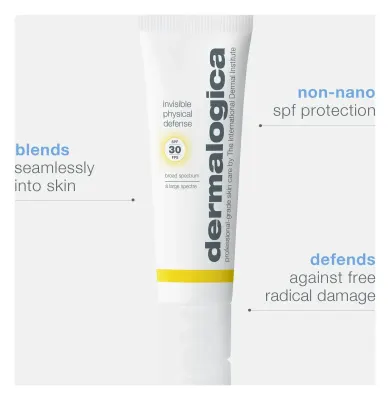 Dermalogica invisible physical defense mineral sunscreen spf30Amazon
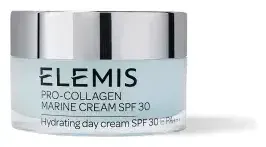 Elemis Pro-Collagen Marine Cream SPF 30Amazon
 Dermalogica biolumin-c heat aging protector spf50Amazon
 Dermalogica skinperfect primer spf30Amazon
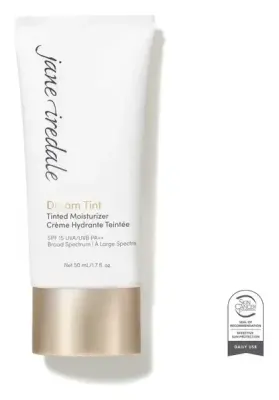 Jane Iredale Dream Tint Tinted Moisturizer SPF 15Amazon
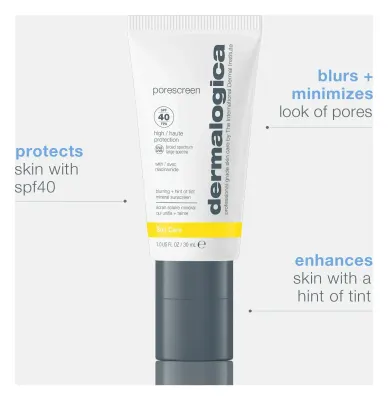 Dermalogica porescreen mineral sunscreen spf40Amazon
Mineral Pressed Powders & Skin-Nourishing Primers (6)
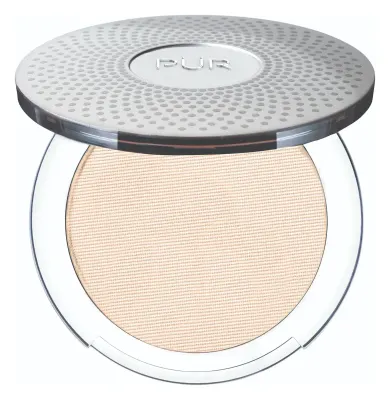 PÜR 4-in-1 Pressed Mineral Makeup Broad Spectrum SPF 15Amazon
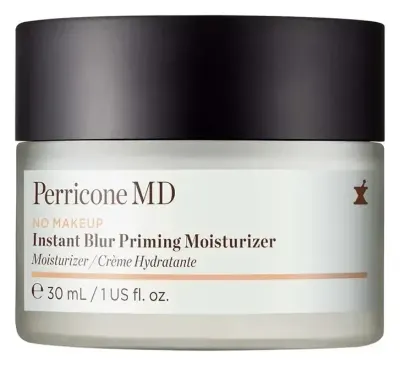 Perricone MD No Makeup Instant Blur Priming MoisturizerAmazon
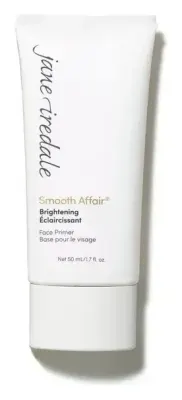 Jane Iredale Smooth Affair Brightening Face PrimerAmazon
 Laneige Neo Blurring PowderAmazon
 Elizabeth Mott Thank Me Later Color Correcting Face PrimerAmazon
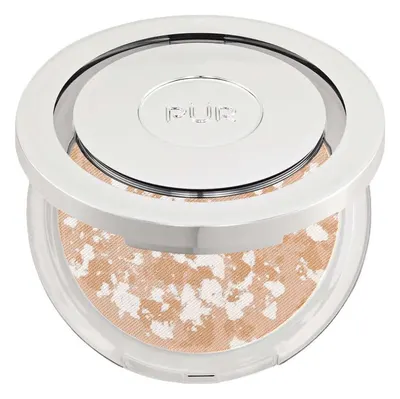 PÜR Skin Perfecting Powder Balancing Act Shine Control PowderAmazon
Hydrating Serums, Essences & Ampoules (6)
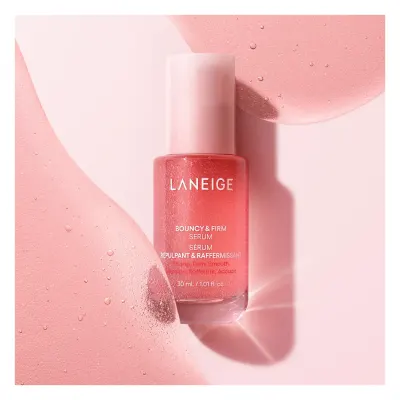
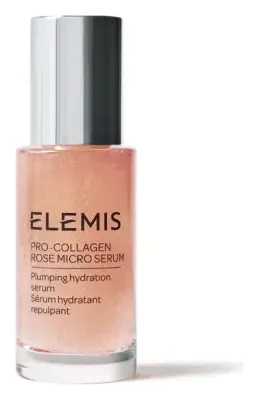
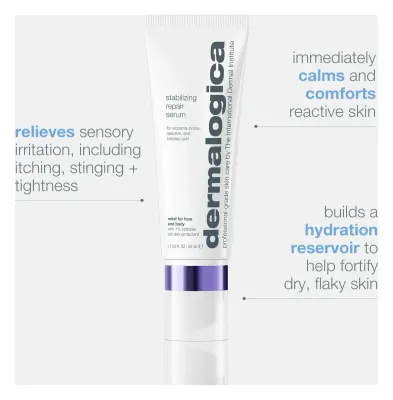



Face Oils & Treatment Oils (4)
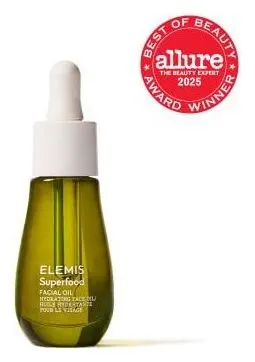
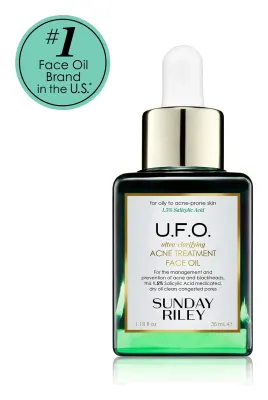
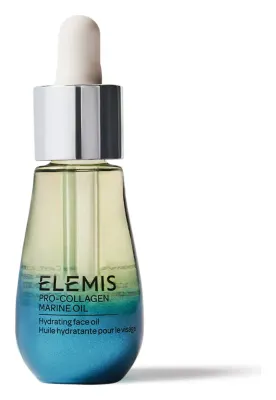
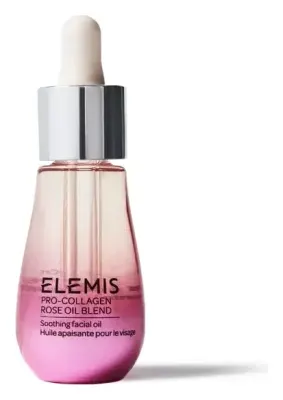
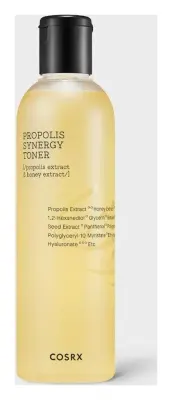
Hydrating Toners, Essence Waters & Face Mists (4)



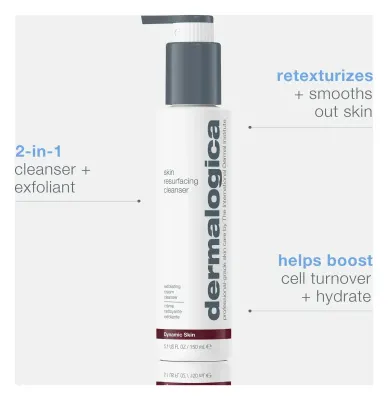
Gel, Foam & Cream Facial Cleansers (4)


Lipsticks, Glosses & Lip Liners (4)
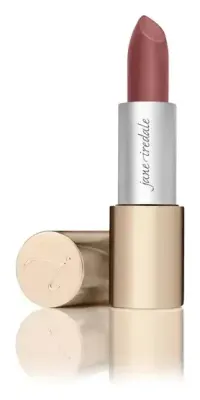
Dermatological Acne & Chemical Exfoliating Liquids (3)
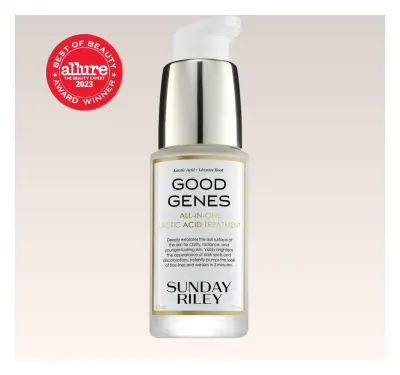

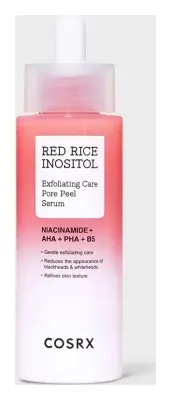
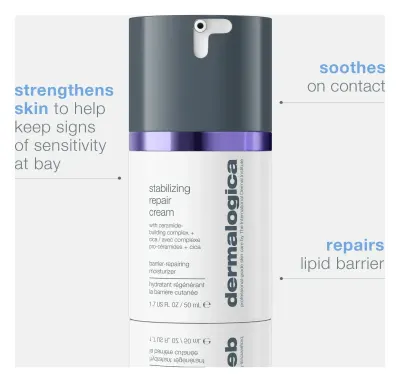
Skin Barrier Repair Creams & Recovery Jars (3)
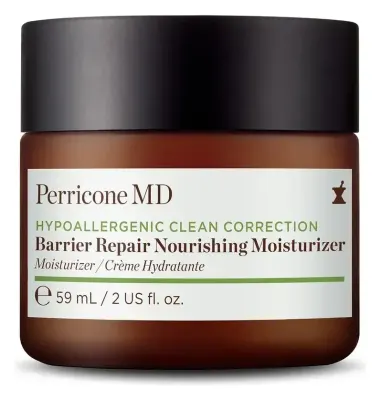
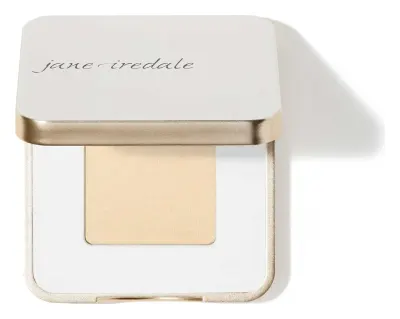
Eye Shadows, Liners, Mascara & Brow Makeup (3)
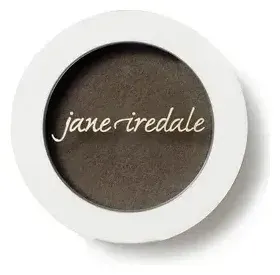
Blush, Bronzers & Highlighters (3)
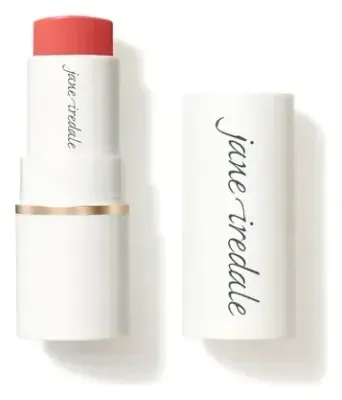
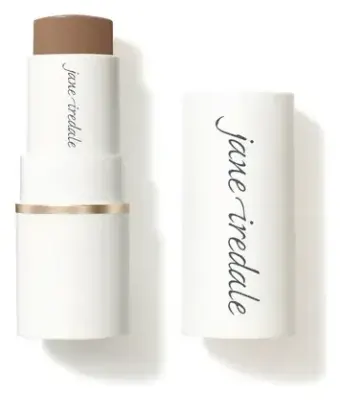
Premium Overnight Recovery Packs & Sleeping Facials (2)
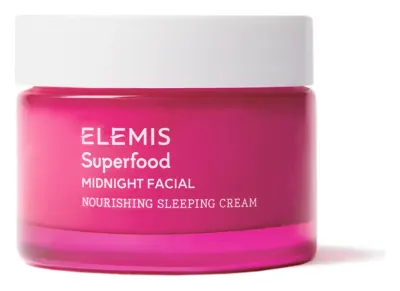

Sheet, Hydrogel & Clay Masks (2)
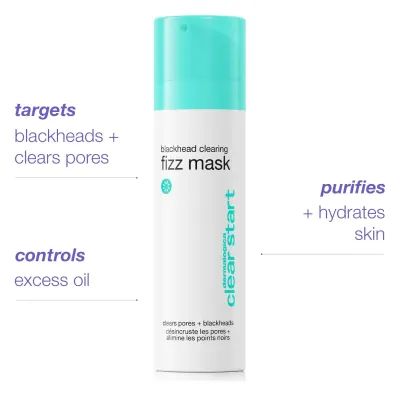

Physical & Enzyme Face Exfoliants (2)
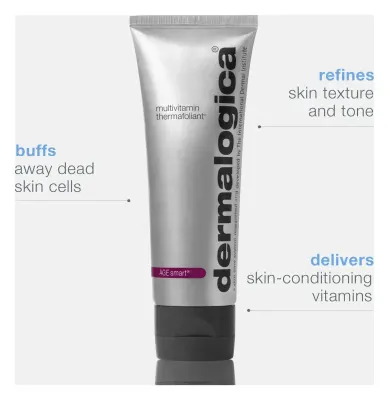
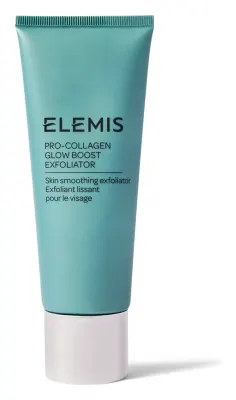
Intensive Lip Recovery Masks & Tinted Balms (2)
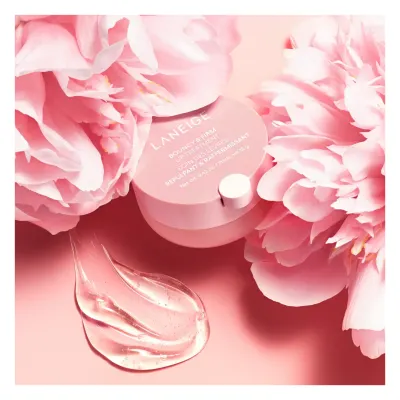
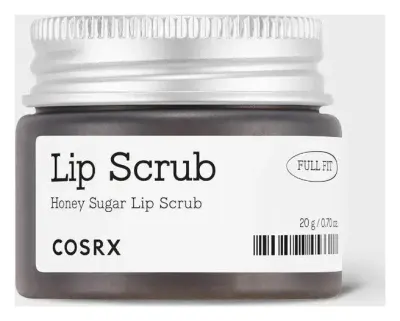
Cream & Gel Treatment Masks (2)
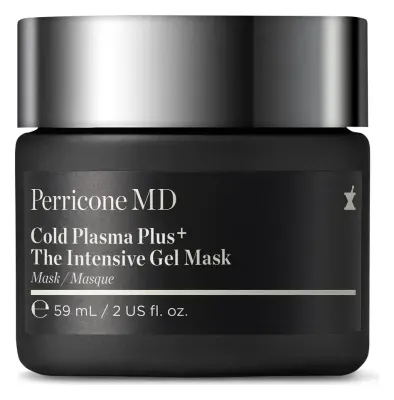
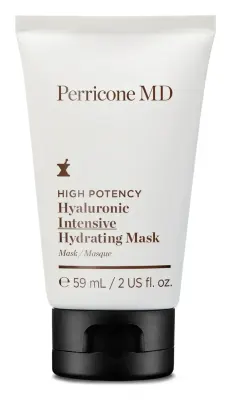
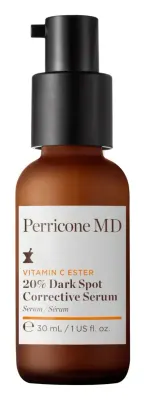
Targeted Vitamin C & Brightening Correctors (2)

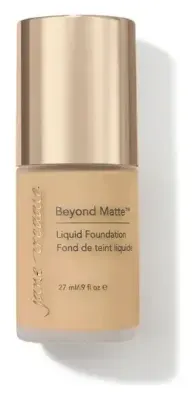
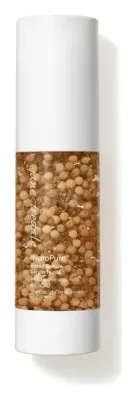
Full-Coverage Camouflage & Liquid Foundations (2)
Common questions
What is caprylic/capric triglyceride in skincare?
It is an emollient made from glycerin joined to medium-chain fatty acids, mainly caprylic and capric acids. The fatty acids are commonly sourced from coconut or palm kernel oil, then refined for cosmetic use.
Is caprylic/capric triglyceride the same as coconut oil?
No. It can be made using fatty acids sourced from coconut, but it is a refined triglyceride fraction rather than whole coconut oil. The finished ingredient usually has a lighter, more consistent feel than the original oil.
Is caprylic/capric triglyceride comedogenic?
There is no reliable ingredient-level score that predicts whether a finished product will clog your pores. Skin response depends on the full formula, how much you use, and your own skin.
Why is it in my moisturizer?
It helps soften skin and gives creams, lotions, and oils a smooth glide. It can also help dissolve oil-soluble ingredients.