Polysilicone-11
A plain-language guide to Polysilicone-11, a silicone elastomer that smooths texture and helps makeup apply evenly.
Extremely safeIn 16 products we cover
We may earn a commission when you buy through links on this page. It never changes what we recommend.
Quick facts
- INCI name
- Polysilicone-11
- Origin
- Synthetic
- Chemical class
- Silicone elastomer (crosslinked polymer)
- What it does in a formula
- film forming, skin conditioning, viscosity controlling
- Why it is in the formula
- It gives primers and makeup a smooth, cushioned slip and can help modify texture.
What it is
Distinguished by its soft, cushiony sensory feel, Polysilicone-11 is a crosslinked synthetic silicone elastomer used in primers, foundations, and moisturizers. Unlike fluid silicone oils, this crosslinked network provides a velvety matte glide and alters formulation texture. It represents a specialized polymer matrix rather than a single simple chemical compound.
The name often appears alongside other silicones or in a blend. It is not a synonym for every silicone ingredient, and general claims about silicones should not be assumed to apply equally to each material. It is also not there to deliver a specific medical effect; its most visible contribution is usually how the product spreads and feels.
What it does
- Adds slip. The elastomer can help a formula glide over skin instead of dragging.
- Softens the finish. It can create a smooth, velvety or blurred-feeling surface.
- Modifies texture. It helps a product feel more cushioned and less runny, depending on the formula.
- Supports makeup application. Primers and complexion products may use it to help spread pigment evenly.
Who it suits
This is a helper ingredient for people who like a smooth or velvety finish. It can occur in products for many skin types, but the product’s overall richness and other ingredients will shape how it wears. If you dislike primer-like slip or prefer a dewy finish, you may simply prefer a different texture.
The internet sometimes uses silicone as a catch-all villain. That is not a useful way to judge a specific formula. Polysilicone-11 is a synthetic polymer, and environmental questions about plastic-like materials are best discussed factually and in context rather than treated as a claim about what it will do to your face. If a product does not suit your skin, change products based on your experience, not an unsupported universal rule.
What to pair it with, and what not to
There is no special ingredient it needs beside it. It is often formulated with pigments, emollients or other silicones. Apply products according to texture and directions, and select makeup that gives you the finish you prefer.
Skin Realist check: A smooth finish is a texture preference, not a character flaw.
Quick picks with Polysilicone-11
Scent-free, no patch-test flags on the label
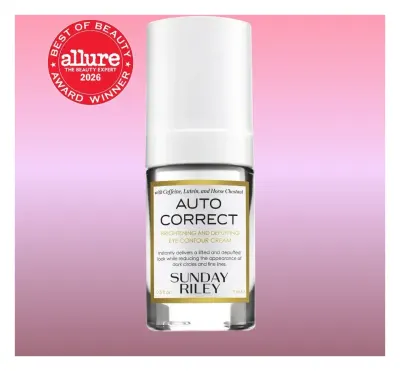
Sunday Riley Auto Correct Brightening + Depuffing Eye Cream
Caffeine · scent-free label
AmazonBrand lists it for sensitive skin
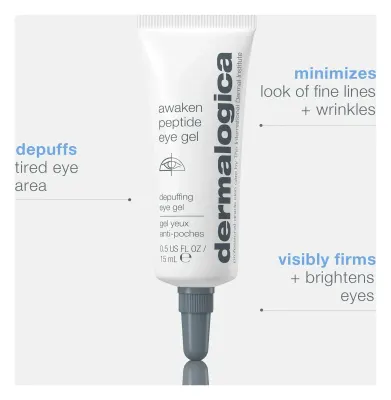
Dermalogica awaken peptide depuffing eye gel
Caffeine, tetrapeptides, rosemary leaf extract, succinic acid blend, Voandzeia subterranea seed extract and lactic acid · oily, dry, combination, sensitive, normal skin · scent-free label
AmazonBrand lists it for oily skin
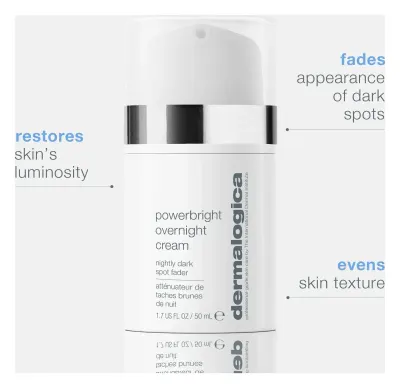
Dermalogica powerbright overnight cream
Niacinamide, hexylresorcinol, pumpkin ferment, and cranberry and raspberry seed oils · oily, dry, combination, sensitive, normal skin · scented
Amazon
All 16 products with Polysilicone-11
Anti-Aging & Retinoid Serums (5)





Eye Creams & Under-Eye Patches (4)


Mineral Pressed Powders & Skin-Nourishing Primers (2)
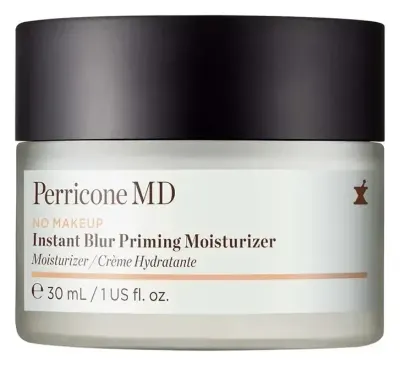
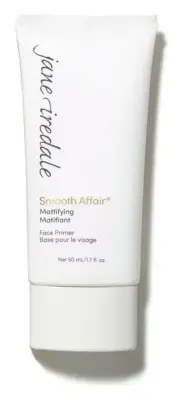
Daily Moisturizers & Water Gel Creams (2)

Hydrating Serums, Essences & Ampoules (2)
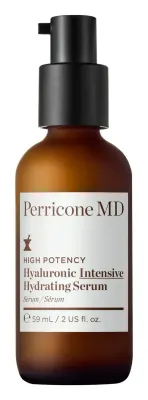
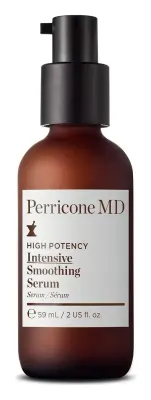
Gel, Foam & Cream Facial Cleansers (1)

Common questions
What does Polysilicone-11 do in makeup?
It is a silicone elastomer used to give products slip and a smooth, soft-focus feel. It can help primers and makeup spread more evenly.
Is Polysilicone-11 a plastic?
It is a synthetic silicone polymer used in cosmetics. The broad word plastic does not explain its chemistry, product behavior or environmental fate, so evaluate specific claims carefully.
Does Polysilicone-11 clog pores?
There is no universal comedogenic score that predicts how a finished product will behave for everyone. The overall formula and your own response matter.
Is silicone bad for skin?
Silicones are a diverse group used for texture and film-forming properties, and the word alone does not make a product unsuitable. Choose based on the finished formula and how it feels on your skin.