Saccharide Isomerate
What saccharide isomerate does as a long-lasting humectant, why it is marketed as an active, and what to expect from the label.
Extremely safeIn 13 products we cover
We may earn a commission when you buy through links on this page. It never changes what we recommend.
Quick facts
- INCI name
- Saccharide Isomerate
- Origin
- Plant-derived or Biotech (fermentation)
- Chemical class
- Carbohydrate complex
- What it does in a formula
- humectant, skin conditioning
- Why it is in the formula
- Used as a sugar-derived humectant to help skin feel hydrated and comfortable.
What it is
Derived from plant sugars, saccharide isomerate is a cosmetic humectant designed to bind water in the outer surface layers of the skin. Often featured in marketing for long-lasting hydration, its main cosmetic purpose is moisture retention. It is not an exfoliating active or a treatment for skin disorders.
You may see it in serums, moisturizers, and products promoted for long-lasting hydration. The word “isomerate” refers to a processed carbohydrate mixture rather than a single simple sugar. The exact material and its behavior depend on manufacturing and the finished formula. A label does not show how much is present or how long a product will feel moisturizing on your skin.
What it does
- Attracts and holds water. As a humectant, it supports a hydrated feel in the outer skin layers.
- Conditions skin. It may help a product leave skin feeling more comfortable.
- Supports longer wear of hydration. The ingredient is used for skin association, though the actual result depends on the whole formula.
- Plays a helper role. It is a supporting ingredient, not automatically a headline treatment.
Who it suits
If your skin feels dry or dehydrated, saccharide isomerate may be one of several humectants in a product. It does not need to be a must-have ingredient, and there is no reason to chase it over a moisturizer you already like. The product’s texture, other humectants, and emollients make a difference to comfort.
It is not a strong exfoliant or a sun-sensitizing active. But any formula can bother some people, especially if it contains fragrance or other ingredients you do not tolerate. Patch-test when appropriate and stop using a product that causes persistent irritation. For an ongoing concern, a dermatologist can help you choose a routine.
What to pair it with, and what not to
Saccharide isomerate can be used alongside glycerin or hyaluronic acid as part of a hydrating routine. An emollient moisturizer can help make the overall routine feel comfortable. Avoid layering several redundant serums simply to collect more humectants.
Skin Realist check: Hydration can be the supporting cast. Your routine does not need a plot twist.
Quick picks with Saccharide Isomerate
Scent-free, no patch-test flags on the label
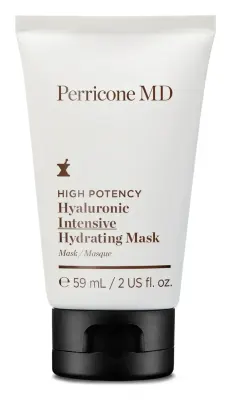
Perricone MD High Potency Hyaluronic Intensive Hydrating Mask
Hyaluronic acid complex, niacinamide, shea butter, ginseng root extract, green tea extract · scent-free label
AmazonBrand lists it for sensitive skin
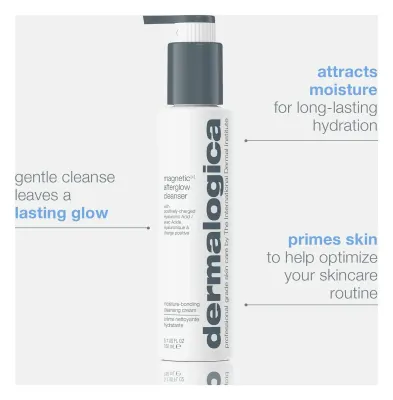
Dermalogica magnetic[+] afterglow cleanser
Positively charged hyaluronic acid, murumuru butter, oat, lotus root extract, and 10% glycerin · oily, dry, combination, sensitive, normal skin · scented
AmazonBrand lists it for oily skin
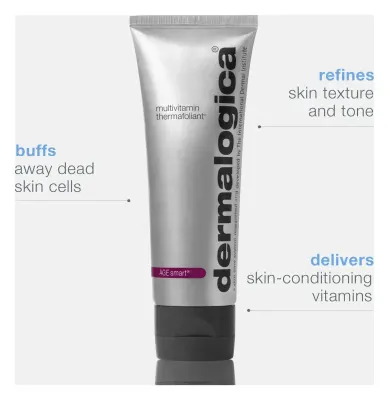
Dermalogica multivitamin thermafoliant
Lactic acid, salicylic acid, retinol, and tetrahexyldecyl ascorbate · oily, dry, combination, sensitive, normal skin · scented
Amazon
All 13 products with Saccharide Isomerate
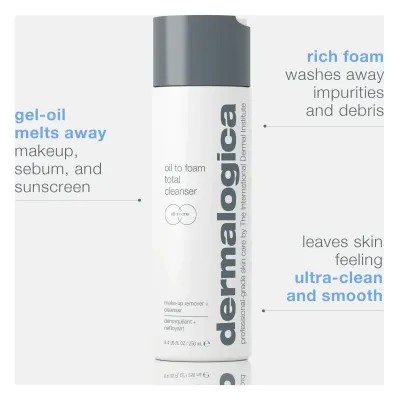
Gel, Foam & Cream Facial Cleansers (2)
Daily Moisturizers & Water Gel Creams (2)
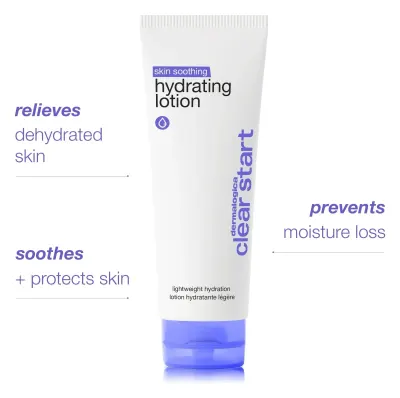

Targeted Vitamin C & Brightening Correctors (1)
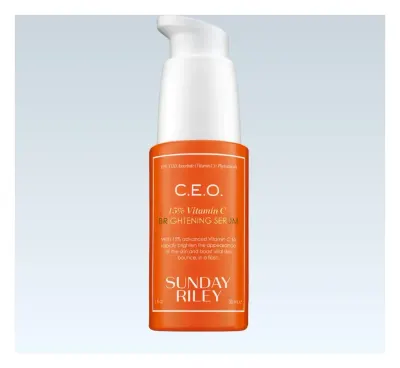
Anti-Aging & Retinoid Serums (1)

Physical & Enzyme Face Exfoliants (1)
Body Creams, Butters & Body Oils (1)
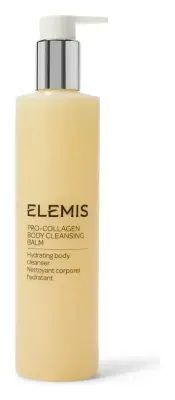
Daily Sunscreens & SPF Moisturizers (1)
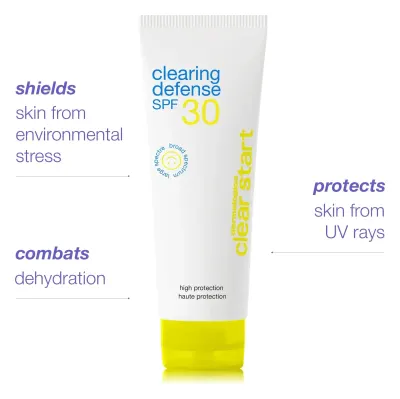
Cream & Gel Treatment Masks (1)
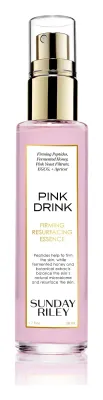
Hydrating Toners, Essence Waters & Face Mists (1)
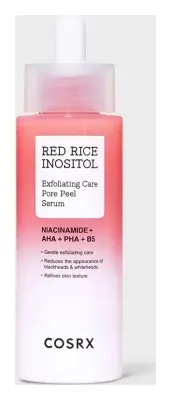
Dermatological Acne & Chemical Exfoliating Liquids (1)
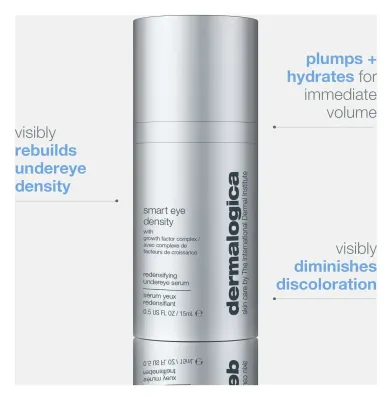
Eye Creams & Under-Eye Patches (1)
Common questions
What is saccharide isomerate in skincare?
Saccharide isomerate is a sugar-derived humectant used to support skin hydration. It is often marketed as a moisturizing active, but its practical role is water binding.
Does saccharide isomerate last longer than other humectants?
It is marketed for its ability to bind to the skin's outer layer, but the exact feel and duration depend on the finished product. Ingredient names alone do not guarantee a lasting result.
Is saccharide isomerate natural?
It is produced from sugars through processing, so a plant-derived starting material does not mean the finished ingredient is simply unprocessed. The exact sourcing varies.
Can I use saccharide isomerate with hyaluronic acid?
Yes. The two can be used in the same routine because they are both humectants. There is no need to layer multiple products if one moisturizer already feels comfortable.