Bisabolol
What bisabolol does in skincare, where this soothing-feel ingredient comes from, and what to know if you react to botanicals.
Extremely safeIn 29 products we cover
We may earn a commission when you buy through links on this page. It never changes what we recommend.
Quick facts
- INCI name
- Bisabolol
- CAS number
- 515-69-5
- Origin
- Plant-derived or Synthetic
- Chemical class
- Sesquiterpene alcohol
- What it does in a formula
- skin conditioning, soothing
- Why it is in the formula
- Usually included to condition skin and add a soothing touch to a moisturizer or serum.
What it is
Listed simply as Bisabolol on cosmetic packaging, this oily, lightly aromatic compound functions as a skin-conditioning and soothing agent. It occurs naturally in German chamomile (Matricaria recutita) flower oil and can also be produced synthetically in a laboratory. Because both routes yield the identical chemical structure, the label name alone does not disclose whether it originated in a plant or a manufacturing facility.
It appears in moisturizers, serums, and other leave-on products, often in formulas intended to feel gentle or soothing. Its reputation is tied to calming-feel positioning, but research on a particular product cannot be inferred from the ingredient name alone. Evidence for topical effects is limited and not a guarantee that a product will reduce visible irritation. It is a supporting ingredient, not the reason to buy a product.
What it does
- Conditions the skin. Bisabolol can contribute a soft, conditioned feel in a finished formula.
- Supports a soothing profile. It is used in products designed with comfort in mind, though the effect depends on the entire formula and research is limited.
- Adds a subtle scent. Plant-derived material may have a faint aroma, but it is not normally used as a primary perfume.
Who it suits
Bisabolol can fit into products for dry, normal, combination, or sensitive skin because it is used as a supporting conditioner rather than a strong exfoliant. That does not make every product containing it automatically suitable for every person. Formula, concentration, and other ingredients all influence how a product feels. If you react to chamomile or other plants in the daisy family, check the product details because a plant-derived source may matter to you.
People with a known sensitivity should patch-test or avoid a product according to advice from their dermatologist. If a product causes persistent stinging or rash, stop using it and seek professional guidance rather than assuming bisabolol is the cause. The ingredient is not a substitute for care from a dermatologist for a diagnosed skin condition.
What to pair it with, and what not to
Bisabolol does not require a special partner. It can be included in the same moisturizer as humectants such as glycerin or emollients such as squalane, but it does not neutralize a strong active or guarantee that a formula will feel soothing. Follow the directions for any retinoid or exfoliating product you use, and add only as many steps as your skin comfortably tolerates.
Skin Realist check: A calming ingredient can be nice company, but your routine does not need a designated chill pill to count as thoughtful.
Quick picks with Bisabolol
Scent-free, no patch-test flags on the label
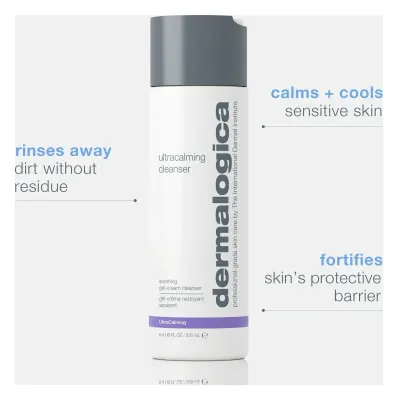
Dermalogica ultracalming cleanser
Panthenol, cucumber fruit extract, raspberry fruit extract · normal, dry, sensitive skin · scent-free label
AmazonBrand lists it for sensitive skin
Perricone MD High Potency Triple Retinol Renewal Serum
Triple retinol blend, coenzyme Q10, and beta-carotene · oily, dry, combination, sensitive, normal skin · scent-free label
AmazonBrand lists it for oily skin
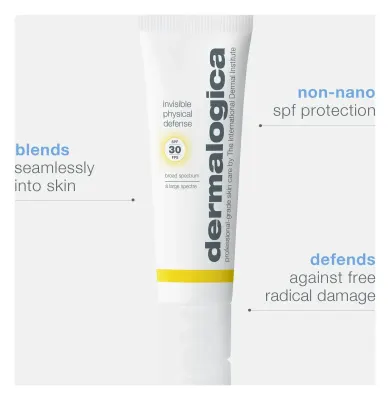
Dermalogica invisible physical defense mineral sunscreen spf30
Zinc oxide, Bio-Active Mushroom Complex, Green Tea, and Hyaluronic Acid · oily, dry, combination, sensitive, normal skin · scented
Amazon

All 29 products with Bisabolol
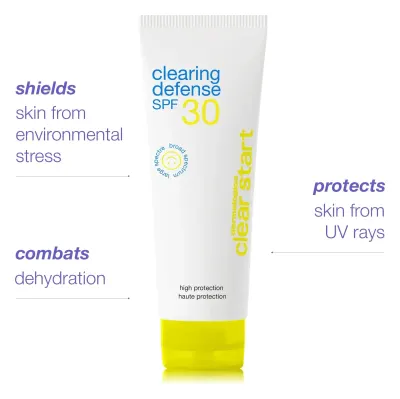
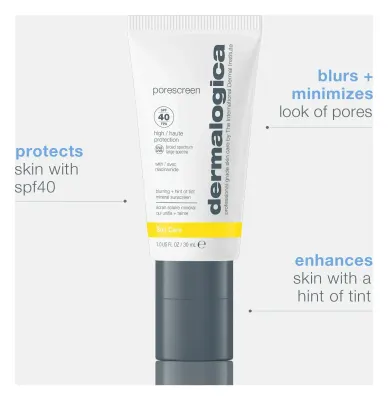
Daily Sunscreens & SPF Moisturizers (5)


Anti-Aging & Retinoid Serums (4)


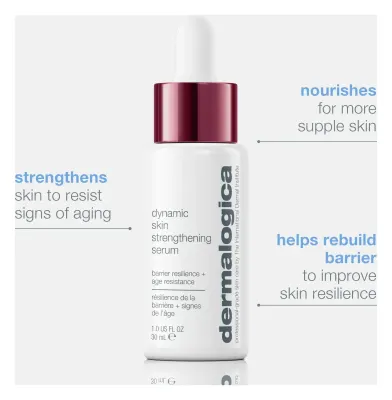
Eye Creams & Under-Eye Patches (4)



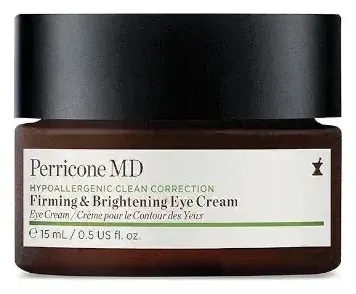
Daily Moisturizers & Water Gel Creams (4)

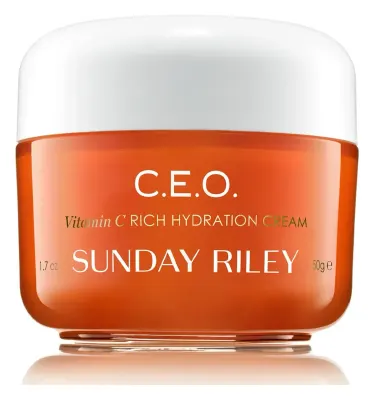


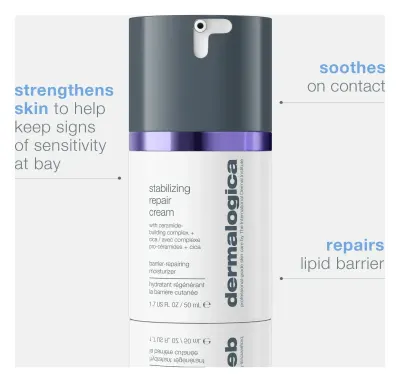
Skin Barrier Repair Creams & Recovery Jars (2)
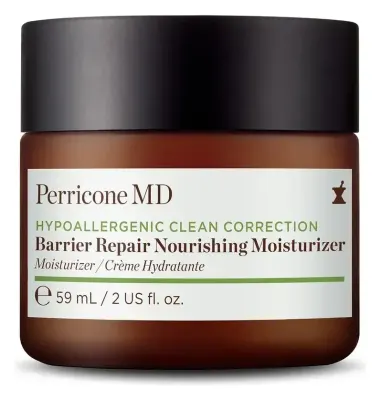
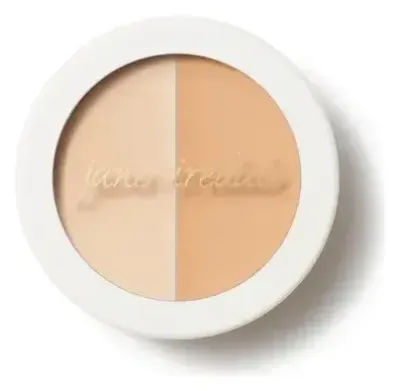
High-Definition Camouflage Concealers (2)

Gel, Foam & Cream Facial Cleansers (1)
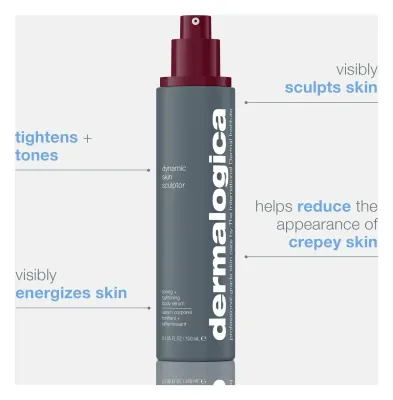
Body Creams, Butters & Body Oils (1)
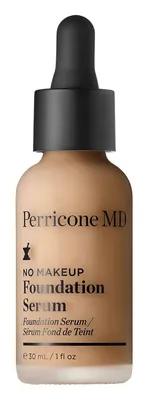
Full-Coverage Camouflage & Liquid Foundations (1)
Face Oils & Treatment Oils (1)
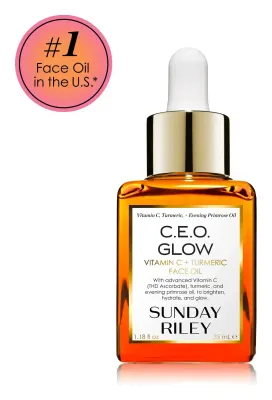
Targeted Vitamin C & Brightening Correctors (1)

Hydrating Serums, Essences & Ampoules (1)
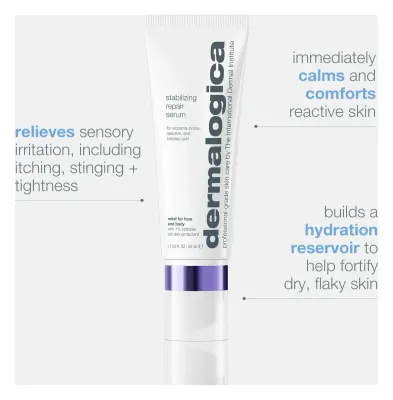
Hydrating Toners, Essence Waters & Face Mists (1)
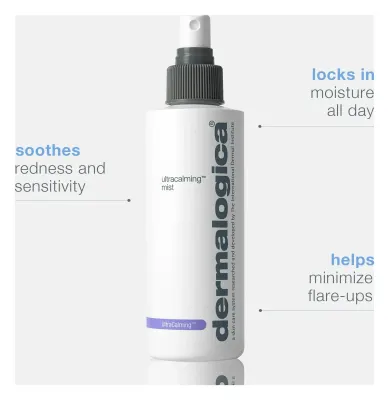
Premium Double-Cleansing Balms & Melting Gels (1)
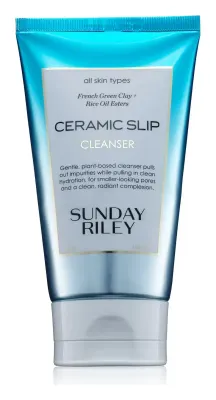
Common questions
What does bisabolol do for skin?
Bisabolol is used as a skin-conditioning ingredient, often to give a formula a soothing profile. Evidence for specific topical benefits is limited, so think of it as a supporting ingredient rather than a guaranteed result.
Is bisabolol the same as chamomile?
No. Bisabolol is a compound associated with some chamomile oils, but it can also be made synthetically. A label that lists bisabolol does not necessarily mean the product contains chamomile extract.
Can bisabolol irritate sensitive skin?
It is generally used as a conditioning ingredient, but a reaction is possible, especially if you are sensitive to a botanical source or another part of the formula. Patch-test a new product if you are prone to reactions.
Is bisabolol natural?
It can be derived from plants, including chamomile, or produced synthetically. The ingredient label usually does not tell you which source was used.