Centella Asiatica (Cica)
What centella asiatica does in skincare, who it suits, how to pair it, and what to know about cica extracts.
Extremely safeIn 38 products we cover
We may earn a commission when you buy through links on this page. It never changes what we recommend.
What it is
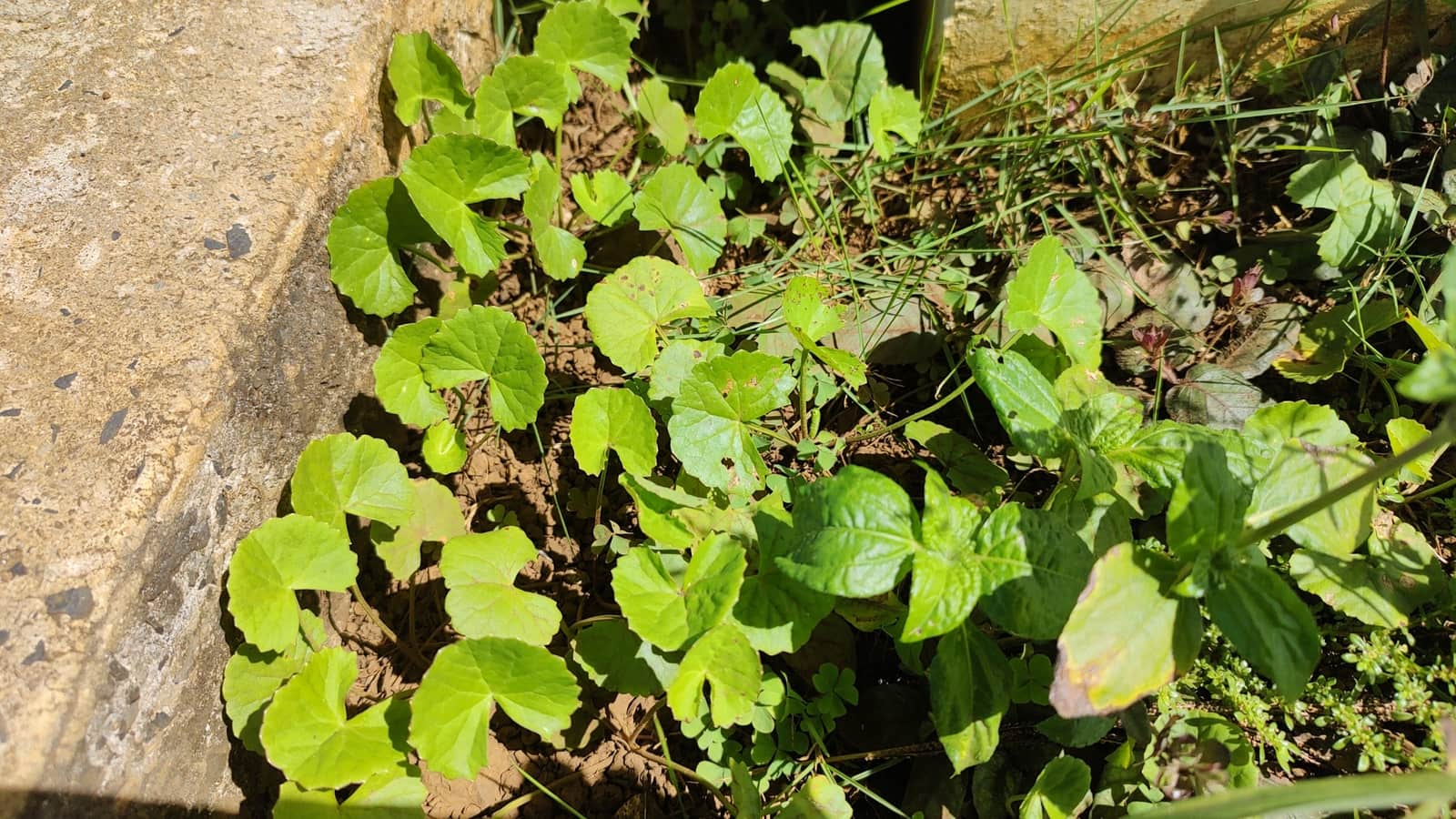
Centella asiatica is a leafy plant also known as cica or gotu kola. In skincare, you may see the whole-plant extract or names for compounds associated with it, including madecassoside, asiaticoside and asiatic acid. These are related names, but they are not interchangeable descriptions of one standardized ingredient. A formula may use one, several, or none of the isolated compounds.
Centella appears in serums, creams, masks and cleansers, often in products positioned for comfort or barrier support. As with other botanicals, the amount and type of extract can vary a lot between products, so the effects you notice can vary too. The ingredient name alone does not tell you the concentration, extraction method or how it performs in the finished formula.
What it does
- Supports a comfortable feel. Centella and its derivatives are often used in formulas designed to soothe the feel of skin. That is a cosmetic role, not a treatment for a skin condition.
- Pairs with moisturizing ingredients. You will often find it alongside humectants and emollients, which help skin feel hydrated and less tight.
- Adds a plant-derived option. The extract can be part of a simple moisturizer or a more elaborate serum. The rest of the formula still determines texture and how well it fits your routine.
Who it suits
Centella may appeal if you want a moisturizer or serum with a soothing focus, including when your skin feels dry or easily bothered. It can be used by different skin types, but botanical does not automatically mean gentle for every person. Check the full formula for fragrance or other ingredients you know your skin dislikes, and patch-test a new product.
If you have persistent redness, itching or another ongoing concern, a cosmetic ingredient is not a substitute for advice from a dermatologist. Keep expectations modest: the exact extract and its place in the formula matter more than a prominent cica label.
What to pair it with, and what not to
Centella can sit alongside familiar hydrators such as hyaluronic acid, ceramides and panthenol. It also fits into a routine that includes retinol, but it does not prevent every possible irritation from an active ingredient. Introduce new products one at a time so you can tell what your skin is responding to.
Skin Realist check: A plant name can make a routine sound more botanical than it is. The ingredient list, not the mood board, gets the final say.
How it appears on labels: Centella Asiatica Extract; Madecassoside; Asiaticoside; Asiatic Acid; Madecassic Acid; Centella Asiatica Leaf Extract; Centella Asiatica Leaf Water; Centella Asiatica Root Extract; Centella Asiatica Flower/leaf/stem Extract; Centella Asiatica Oil
Quick picks with Centella Asiatica
Scent-free, no patch-test flags on the label
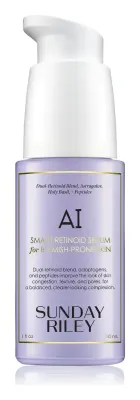
Sunday Riley A.I. Smart Retinoid Serum
Hydroxypinacolone Retinoate · scent-free label
AmazonBrand lists it for sensitive skin
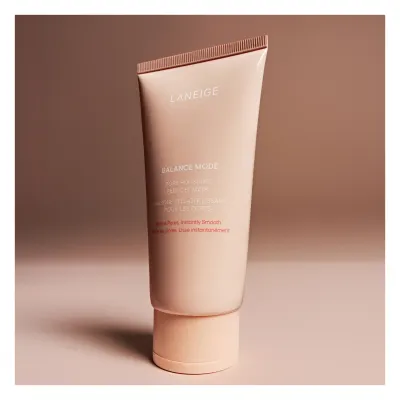
Laneige Balance Mode Shine Control Weightless Moisturizer
Rice bran water, niacinamide, squalane, madecassoside, and rice ferment · oily, combination, sensitive, normal skin · scent-free label
AmazonBrand lists it for oily skin
Dermalogica biolumin-c vitamin c gel moisturizer
Vitamin C complex, squalane, five types of hyaluronic acid, Verbascum thapsus flower extract, phytic acid and pumpkin enzymes · oily, dry, combination, sensitive, normal skin · scented
Amazon
All 38 products with Centella Asiatica
Daily Moisturizers & Water Gel Creams (7)
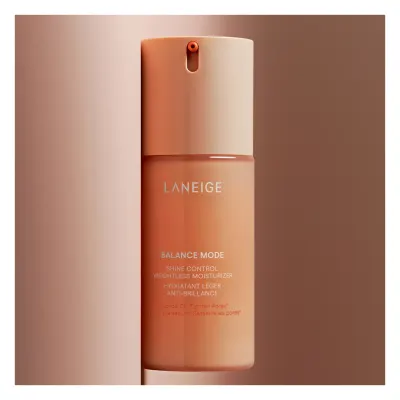 Laneige Balance Mode Shine Control Weightless MoisturizerAmazon
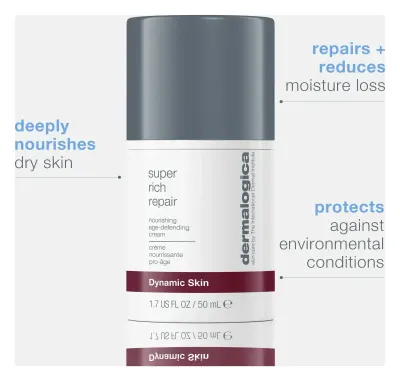 Dermalogica super rich repair moisturizerAmazon
 Dermalogica biolumin-c vitamin c gel moisturizerAmazon
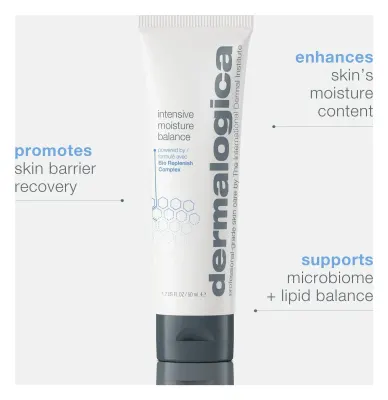 Dermalogica intensive moisture balance moisturizerAmazon
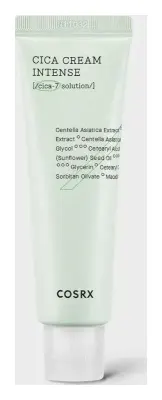 COSRX Pure Fit Cica Cream IntenseAmazon
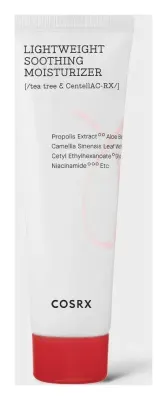 COSRX AC Collection Lightweight Soothing MoisturizerAmazon
 Perricone MD Cold Plasma Plus+ Advanced Hydrating ComplexAmazon
Hydrating Serums, Essences & Ampoules (4)
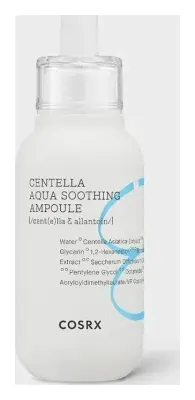
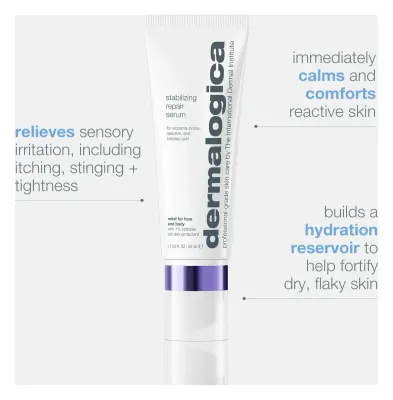
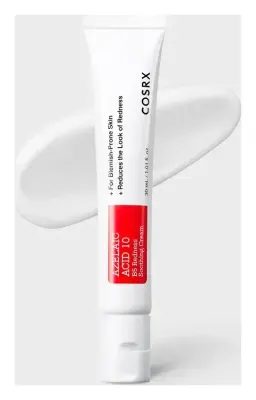
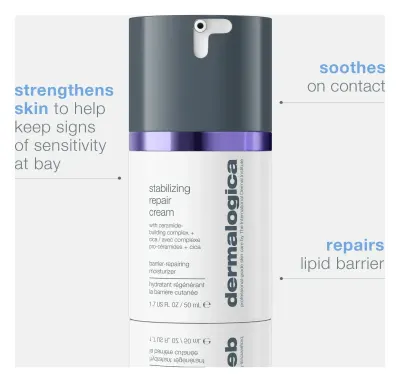
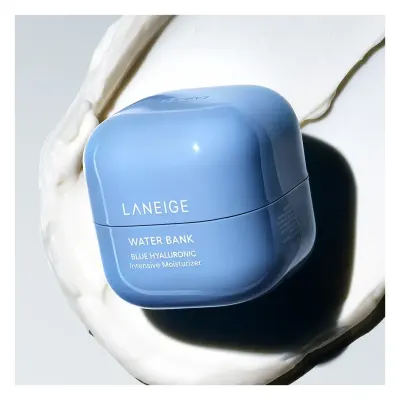
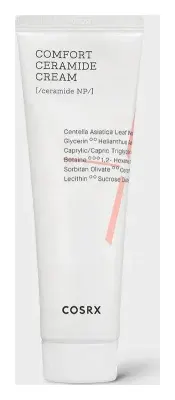
Skin Barrier Repair Creams & Recovery Jars (4)
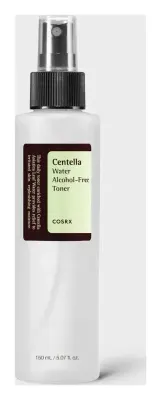
Hydrating Toners, Essence Waters & Face Mists (3)
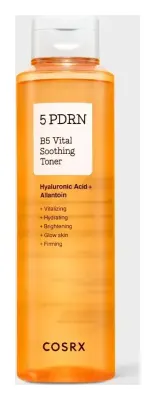

Sheet, Hydrogel & Clay Masks (3)

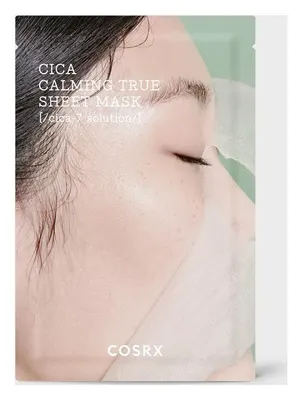
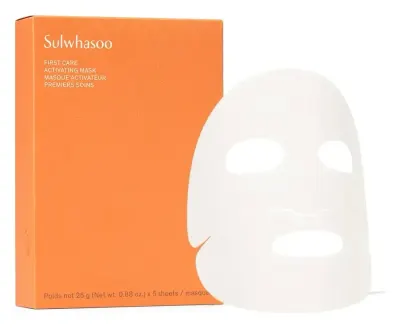
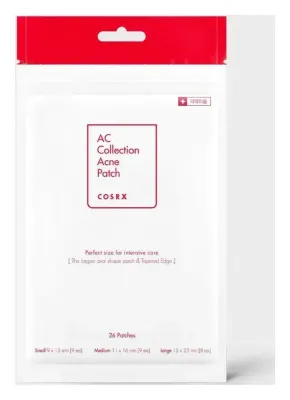
Pimple Patches & Overnight Spot Treatments (2)
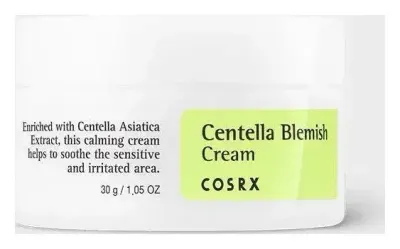
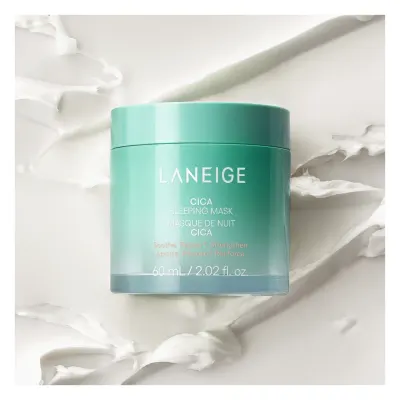
Premium Overnight Recovery Packs & Sleeping Facials (2)

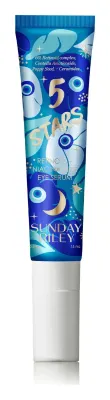
Eye Creams & Under-Eye Patches (2)

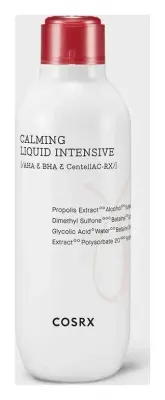
Dermatological Acne & Chemical Exfoliating Liquids (2)
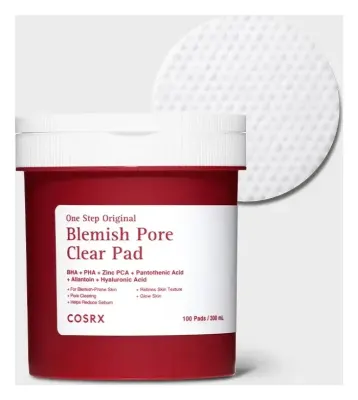
Premium Double-Cleansing Balms & Melting Gels (2)
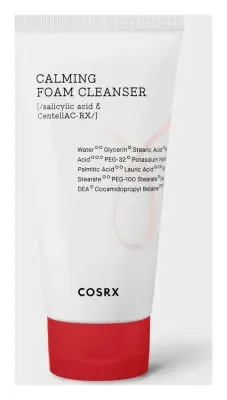
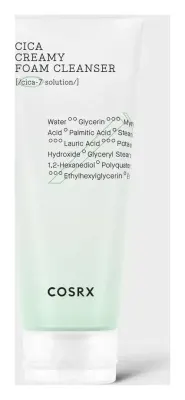
Anti-Aging & Retinoid Serums (1)
Physical & Enzyme Face Exfoliants (1)
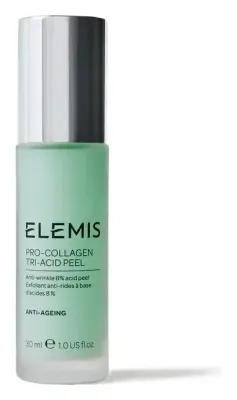
Targeted Vitamin C & Brightening Correctors (1)
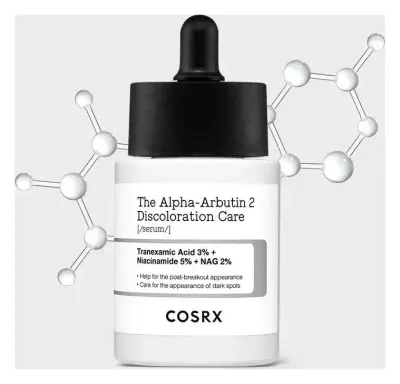
Cream & Gel Treatment Masks (1)
Mineral Pressed Powders & Skin-Nourishing Primers (1)

High-Definition Camouflage Concealers (1)
Full-Coverage Camouflage & Liquid Foundations (1)
Common questions
What is centella asiatica in skincare?
Centella asiatica, often called cica or gotu kola, is a plant used in skincare extracts. Its characteristic compounds include madecassoside, asiaticoside and asiatic acid. A product may contain the plant extract, an isolated compound or both.
What does centella asiatica do for skin?
Centella is commonly included in formulas intended to soothe the feel of skin and support a comfortable-looking skin barrier. Research on its compounds is ongoing, and a cosmetic product should not be expected to treat a skin condition. The formula and amount used matter.
Is centella good for sensitive skin?
It is often used in products marketed for sensitive or easily bothered skin, but any ingredient can cause a reaction. Check the whole ingredient list and patch-test a new product, especially if your skin is reactive.
Can you use centella with retinol?
Yes, centella can be used in the same routine as retinol. A soothing moisturizer containing centella may make a routine feel more comfortable, but it does not cancel out retinol irritation. Introduce retinol gradually and simplify your routine if your skin becomes uncomfortable.