Magnesium Aluminum Silicate
What magnesium aluminum silicate does as a mineral thickener and oil absorber in creams and makeup, and what the safety review says.
No specific flag recordedIn 10 products we cover
We may earn a commission when you buy through links on this page. It never changes what we recommend.
Quick facts
- INCI name
- Magnesium Aluminum Silicate
- Origin
- Mineral
- Chemical class
- Complex silicate refined from naturally occurring minerals
- What it does in a formula
- absorbent, anticaking, bulking, opacifying, slip modifier, viscosity controlling
- Why it is in the formula
- Thickens and stabilizes water-based products and gives a soft, less shiny finish.
- Regulatory notes
- The Cosmetic Ingredient Review panel (2021) concluded silicates, including this one, are safe when formulated to be non-irritating. The conclusion excludes naturally sourced silicates in products that may be incidentally inhaled, such as sprays or loose powders, because data were insufficient for that use.
What is Magnesium Aluminum Silicate?
Magnesium aluminum silicate is a mineral powder. The Cosmetic Ingredient Review panel describes it as a complex silicate refined from naturally occurring minerals, obtained by mining. It belongs to the same broad family as clays such as bentonite and kaolin.
You’ll find it in creams, lotions, sunscreens, clay masks, cleansers and makeup. It often appears with xanthan gum or other thickeners, and usually sits in the middle or lower part of the ingredient list.
What does Magnesium Aluminum Silicate do?
- Thickens and stabilizes. In water, it swells into a gel-like structure that thickens the product and keeps pigments and other particles from settling.
- Absorbs oil. It’s listed as an absorbent, so it can take up some oil and help a product look less shiny.
- Improves feel and finish. It’s also listed as a slip modifier and opacifying agent, which helps a cream spread smoothly and look less transparent.
It’s a texture and stability ingredient. It isn’t there to treat anything.
Who is Magnesium Aluminum Silicate for?
It suits most skin types. If you have oily or combination skin, you may like the softer, less shiny finish that oil-absorbing minerals give a moisturizer or sunscreen.
The safety review concluded silicates are safe when formulated to be non-irritating. It excluded naturally sourced silicates in products that may be breathed in, such as sprays and loose powders, because there wasn’t enough data on inhalation. The review also noted that some trade-name mixtures contained small amounts of crystalline silica, while testing of one supplier’s lots found none.
What to pair Magnesium Aluminum Silicate with, and what to avoid
There’s nothing to pair in your routine. It works inside the formula with the other thickeners and powders. If you’re choosing between products for oily skin, the oily-skin moisturizer guide covers what else to look for.
Quick picks with Magnesium Aluminum Silicate
Best fragrance-free pick
No scent or sensitivity flags recorded in our glossary
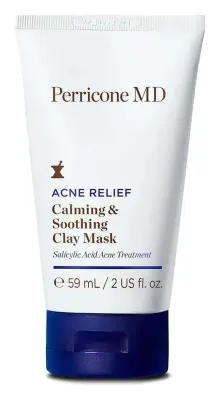
Perricone MD Acne Relief Calming & Soothing Clay Mask
Salicylic Acid 2% · no scent flags recorded
Best for oily skin
Brand lists it for oily skin
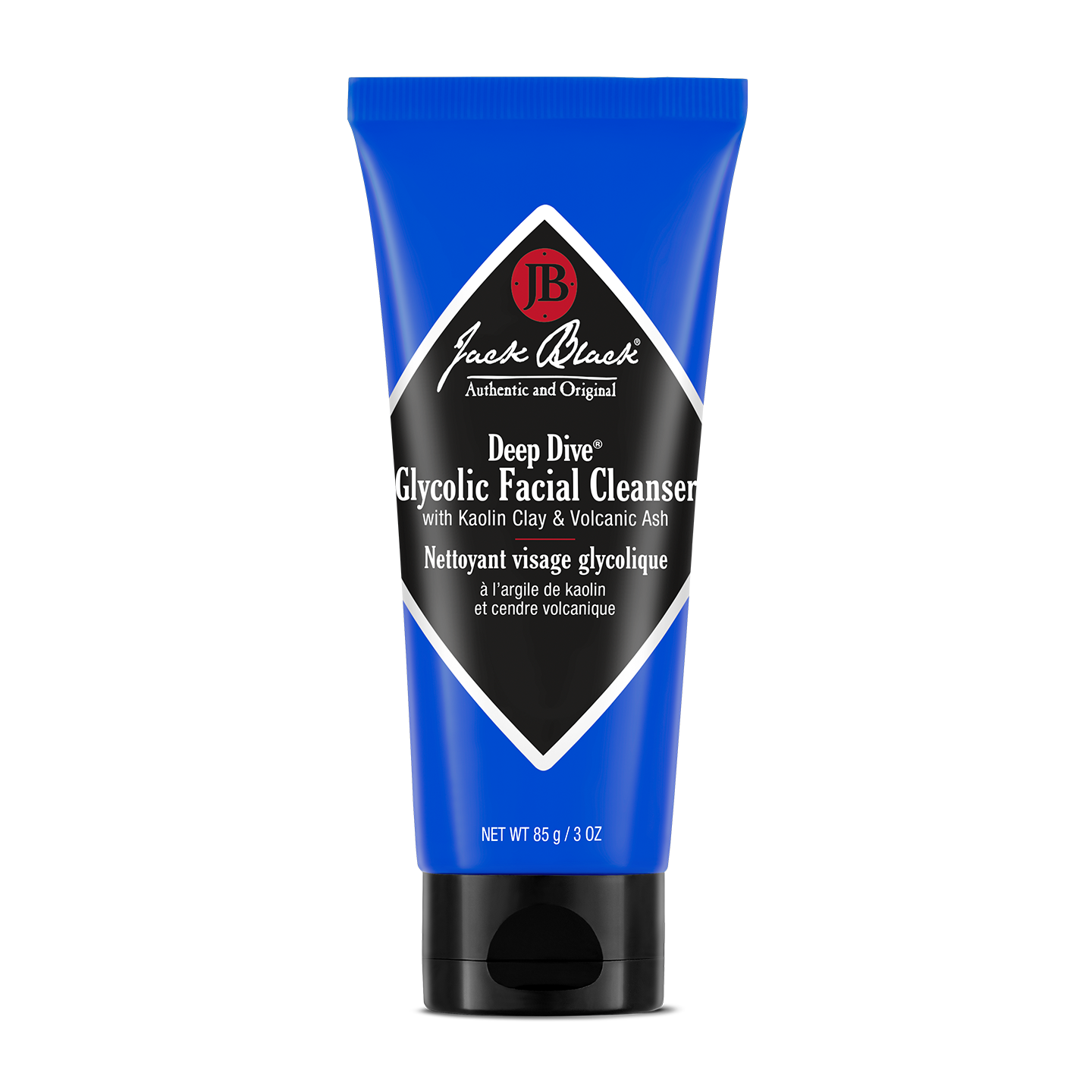
Jack Black Deep Dive Glycolic Facial Cleanser
Glycolic acid, kaolin clay and volcanic ash · normal, combination, oily skin · no scent flags recorded
Best for combination skin
Brand lists it for combination skin
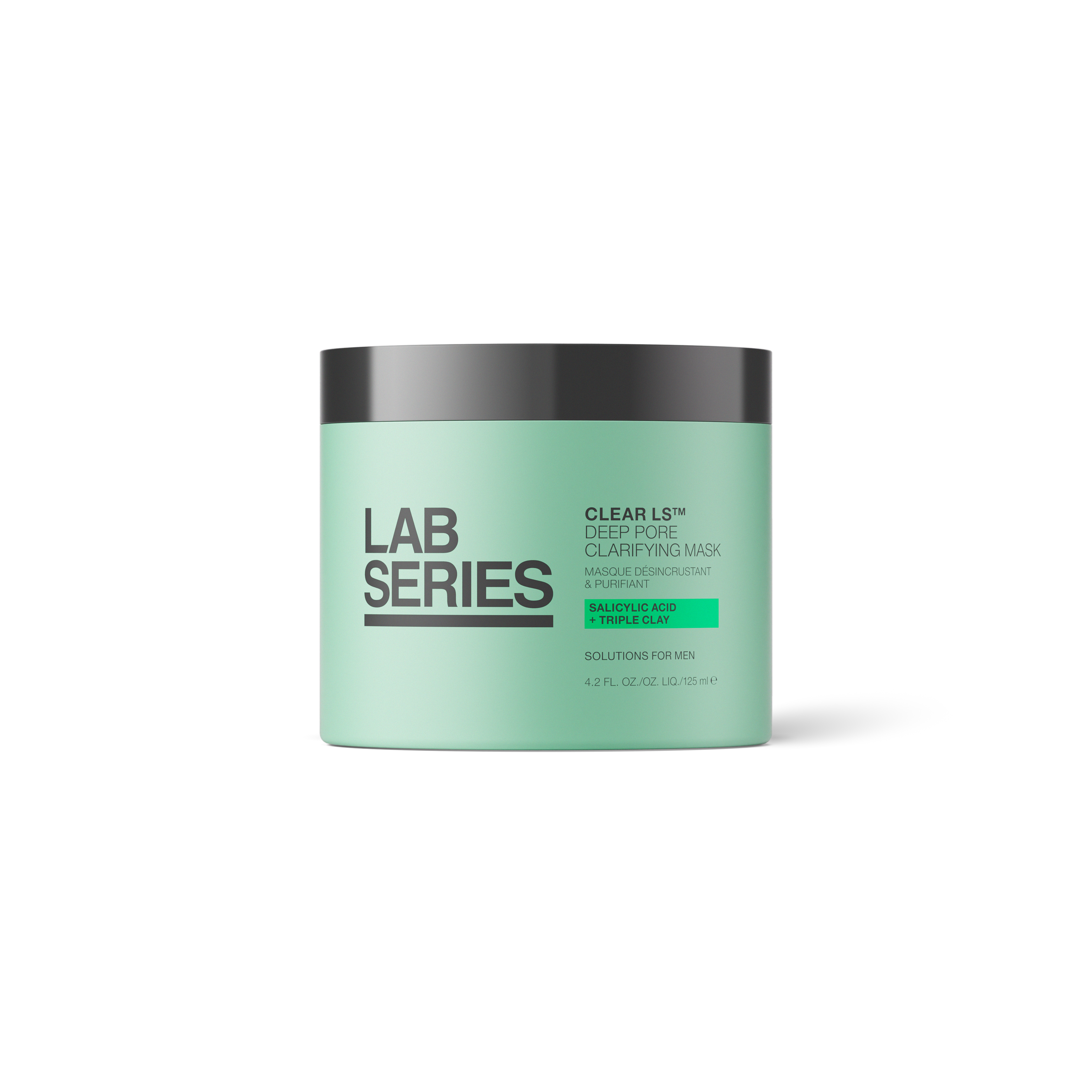
Lab Series Clear LS Deep Pore Clarifying Clay Mask
Three clays, salicylic acid · combination, normal, oily skin · scent ingredients flagged
All 10 products with Magnesium Aluminum Silicate
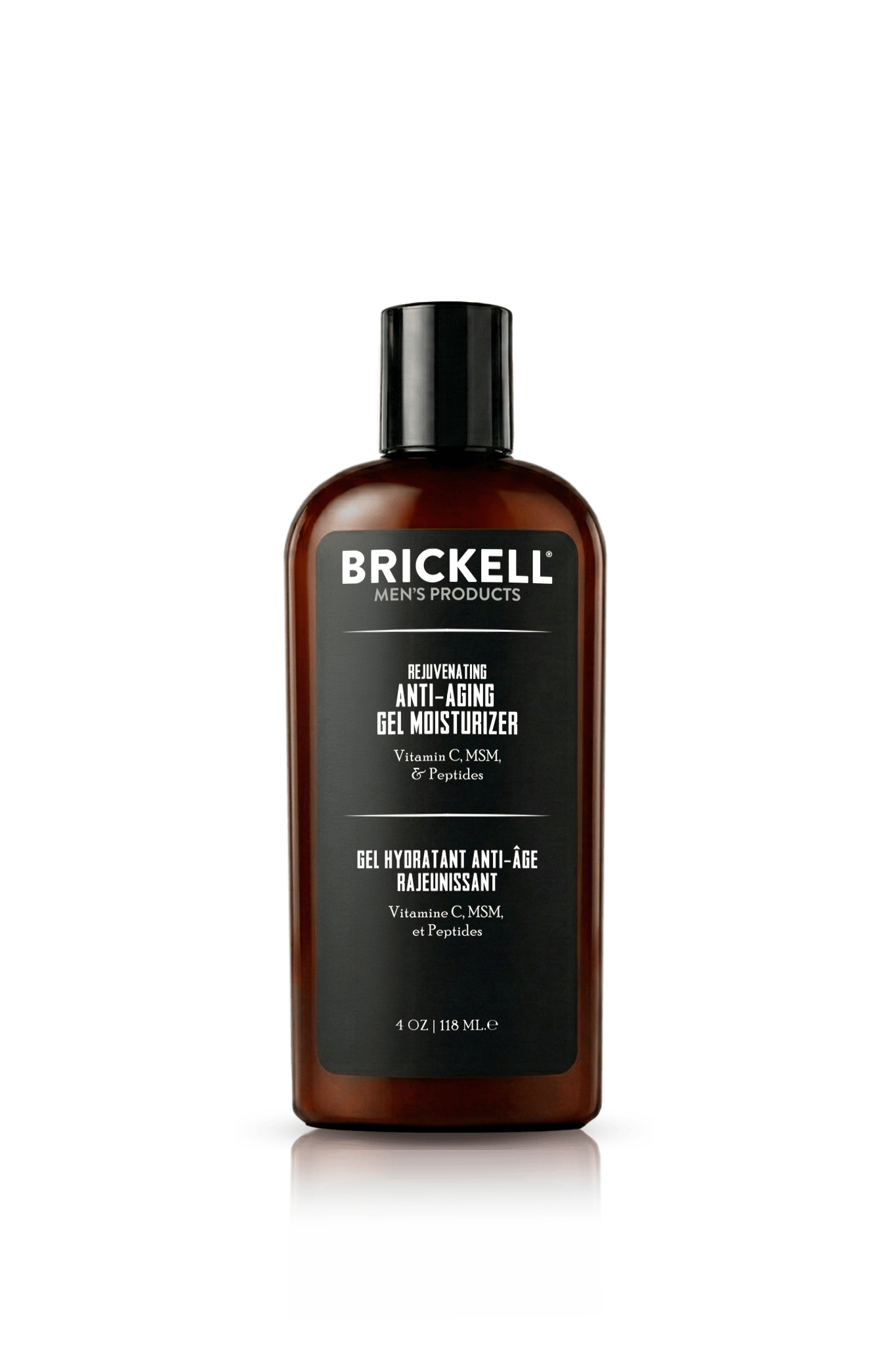
Daily Moisturizers & Water Gel Creams (2)
Sheet, Hydrogel & Clay Masks (2)
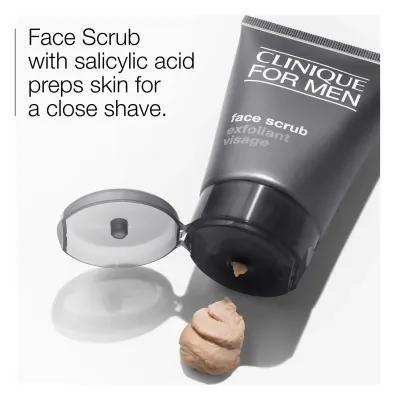
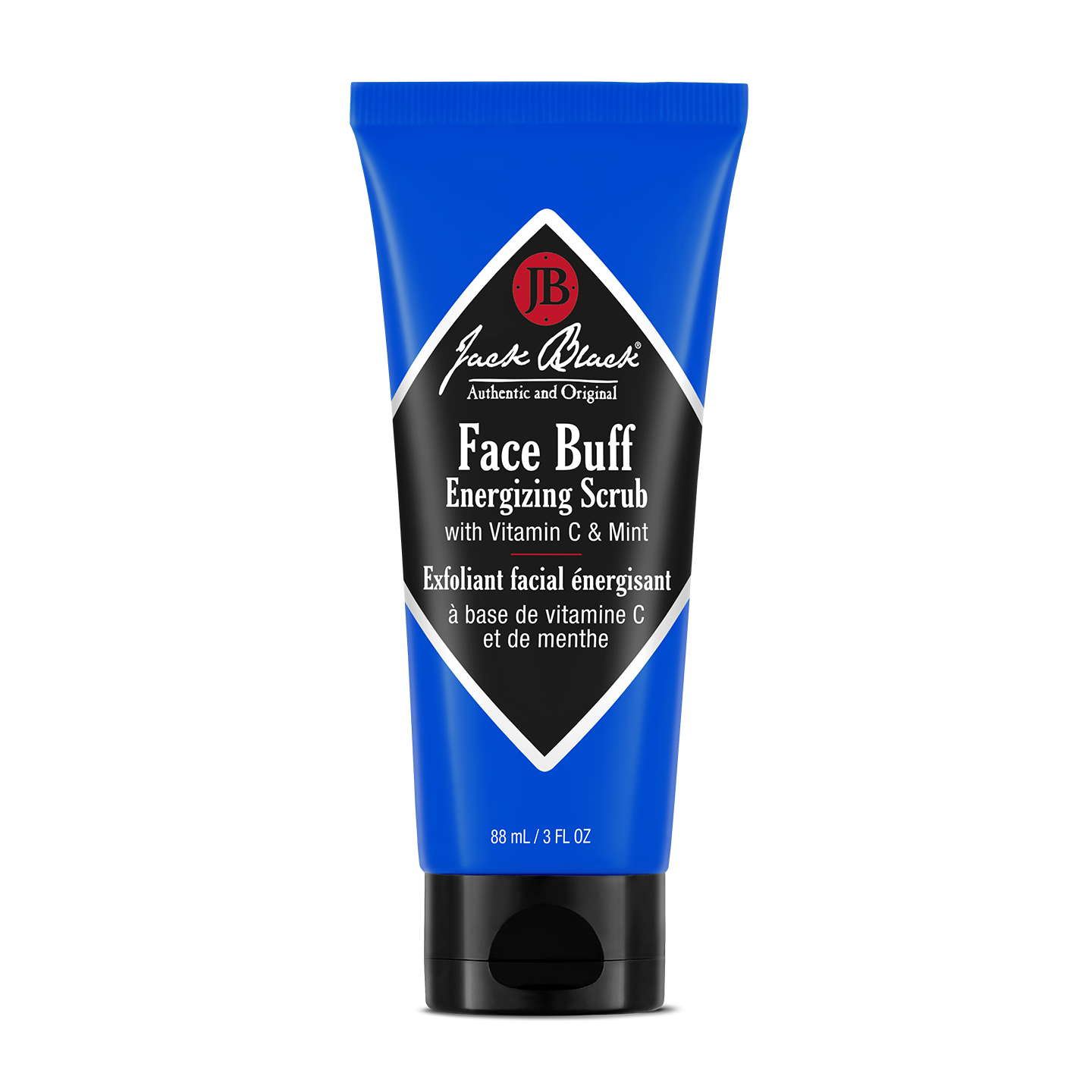
Physical & Enzyme Face Exfoliants (2)
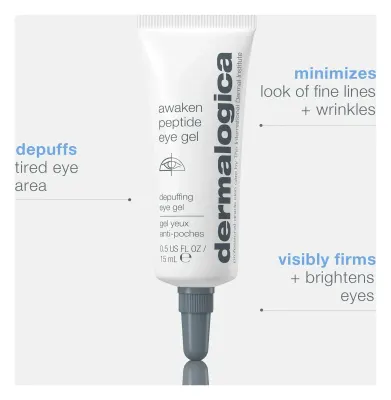
Eye Creams & Under-Eye Patches (1)
Gel, Foam & Cream Facial Cleansers (1)
Hydrating Serums, Essences & Ampoules (1)

Full-Coverage Camouflage & Liquid Foundations (1)
Common questions
What does magnesium aluminum silicate do in skincare?
It's a mineral powder that thickens water-based formulas, keeps ingredients evenly suspended and can absorb some oil. It also helps a product feel smooth and look less shiny on skin.
Is magnesium aluminum silicate natural?
It's refined from naturally occurring, mined minerals. The safety review describes it that way, and one supplier reported its material as fully naturally sourced.
Is magnesium aluminum silicate safe?
A cosmetic safety panel concluded it is safe when formulated to be non-irritating. The panel didn't extend that to naturally sourced silicates in products you might breathe in, such as sprays and loose powders, because there wasn't enough data for that use.
Does aluminum in this ingredient matter?
The aluminum here is locked into a silicate mineral structure, the same family as clays. The safety review assessed the silicate as a whole and found it safe as used on skin.