Resveratrol
What resveratrol does as an antioxidant in serums and creams, what the evidence on skin actually shows, and what to pair it with.
No specific flag recordedIn 14 products we cover
We may earn a commission when you buy through links on this page. It never changes what we recommend.
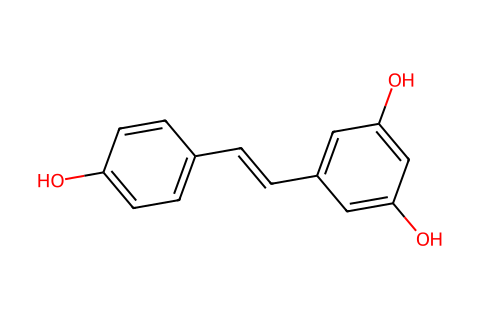
Quick facts
- INCI name
- Resveratrol
- CAS number
- 501-36-0
- Origin
- Plant-derived or Synthetic or Biotech (fermentation)
- Chemical class
- Stilbene polyphenol
- What it does in a formula
- antioxidant, skin conditioning
- Why it is in the formula
- Added as an antioxidant, often alongside other antioxidants in serums and creams aimed at the look of aging skin.
What is Resveratrol?
Resveratrol is a polyphenol, a type of plant antioxidant, from the stilbene family. It occurs naturally in grape skins, berries and peanuts. For skincare, it’s usually extracted from plants such as Japanese knotweed, or made by synthesis or fermentation.
The form used in skincare is trans-resveratrol. It’s sensitive to light: ultraviolet light can convert it to a different form, the cis isomer. It also dissolves poorly in water. Both make it tricky to keep stable and get into skin, which is why reviews of resveratrol spend so much time on packaging and delivery methods.
What does Resveratrol do?
- Works as an antioxidant. Resveratrol neutralizes free radicals, which is why it’s added to serums and creams aimed at the look of aging skin.
- Is studied for the look of tone and redness. Reviews describe lab and early human research on uneven tone and redness, but most human studies are small and test multi-ingredient formulas.
- Supports other antioxidants. It’s often combined with vitamin E, ferulic acid or niacinamide rather than used alone.
The honest summary: the lab science is interesting, and the human evidence on skin is still limited. A product’s results depend on the whole formula and the amount used, which labels rarely show.
Who is Resveratrol for?
It suits most skin types and is usually well tolerated. You may like it if you want an antioxidant serum or already use one. If your skin is sensitive, the rest of the formula, such as fragrance or a low-pH vitamin C, is more likely to cause stinging than resveratrol. Patch-test new products and introduce one at a time.
For persistent redness, dark spots or other skin changes, see a dermatologist rather than relying on an antioxidant serum.
What to pair Resveratrol with, and what to avoid
Resveratrol fits well in a morning routine under sunscreen, and pairs naturally with other antioxidants such as vitamin C and vitamin E. There’s no known ingredient you need to keep it away from. Store the product closed and away from sunlight, since light can degrade it.
Quick picks with Resveratrol
Best fragrance-free pick
No scent or sensitivity flags recorded in our glossary
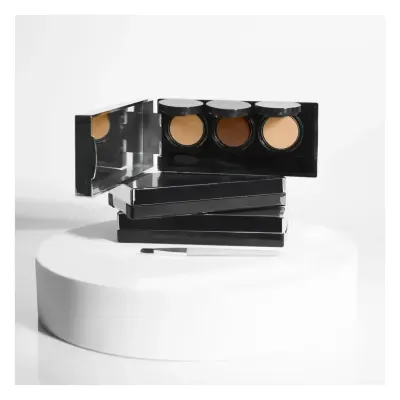
Dermaflage Coverage+ Concealer for Rosacea
no scent flags recorded
Good for most skin types
Brand lists it for all skin types
Lab Series Anti-Age Max LS Cream Moisturizer
Palmitoyl tetrapeptide-7, acetyl hexapeptide-8, sodium hyaluronate, coffee seed oil · oily, dry, combination, sensitive, normal skin · scent ingredients flagged
Most covered in our guides
Featured in our guides
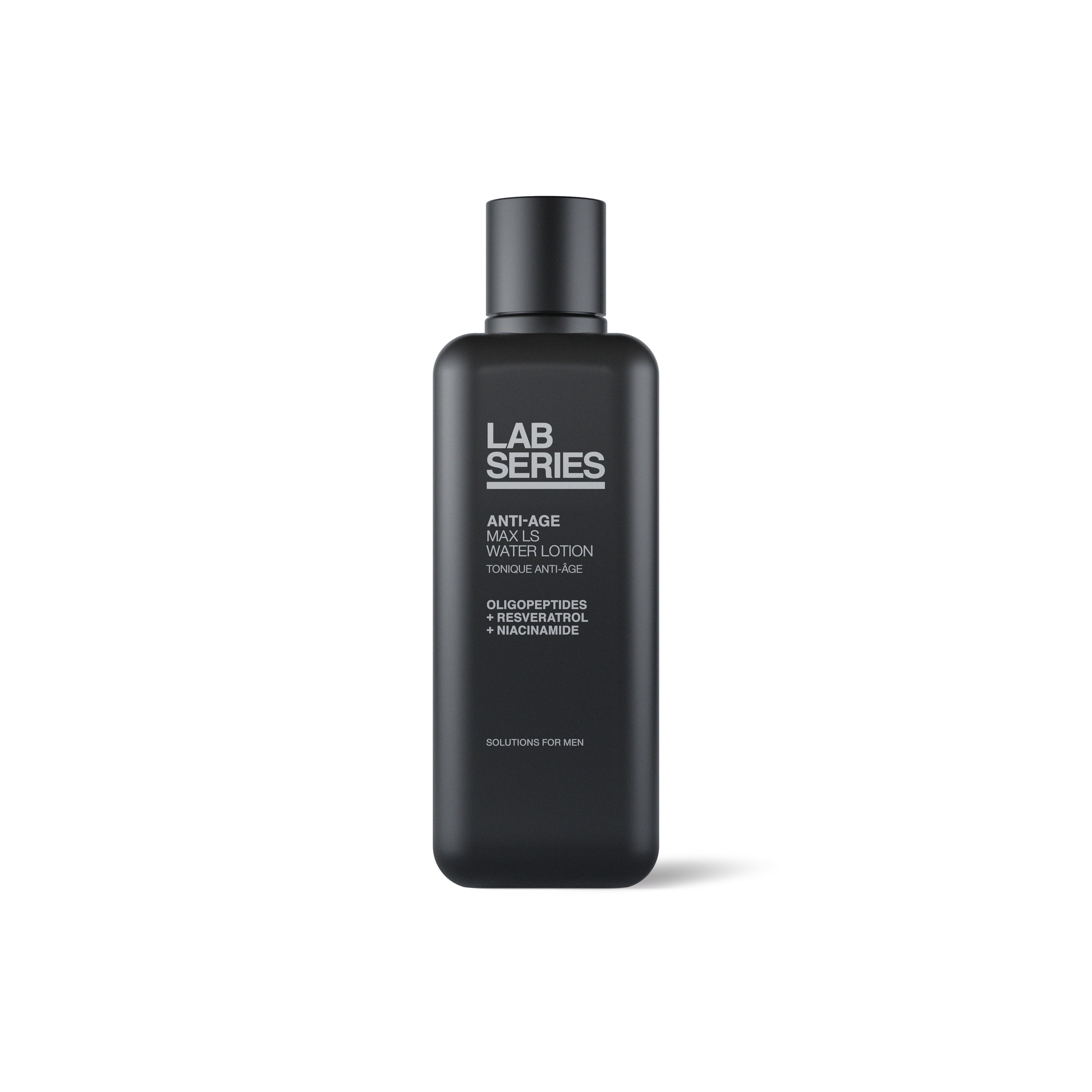
Lab Series Anti-Age Max LS Moisturizing Water Lotion Toner
5% niacinamide + resveratrol complex, peptides, sodium hyaluronate · oily, dry, combination, sensitive, normal skin · scent ingredients flagged
All 14 products with Resveratrol
Daily Moisturizers & Water Gel Creams (4)
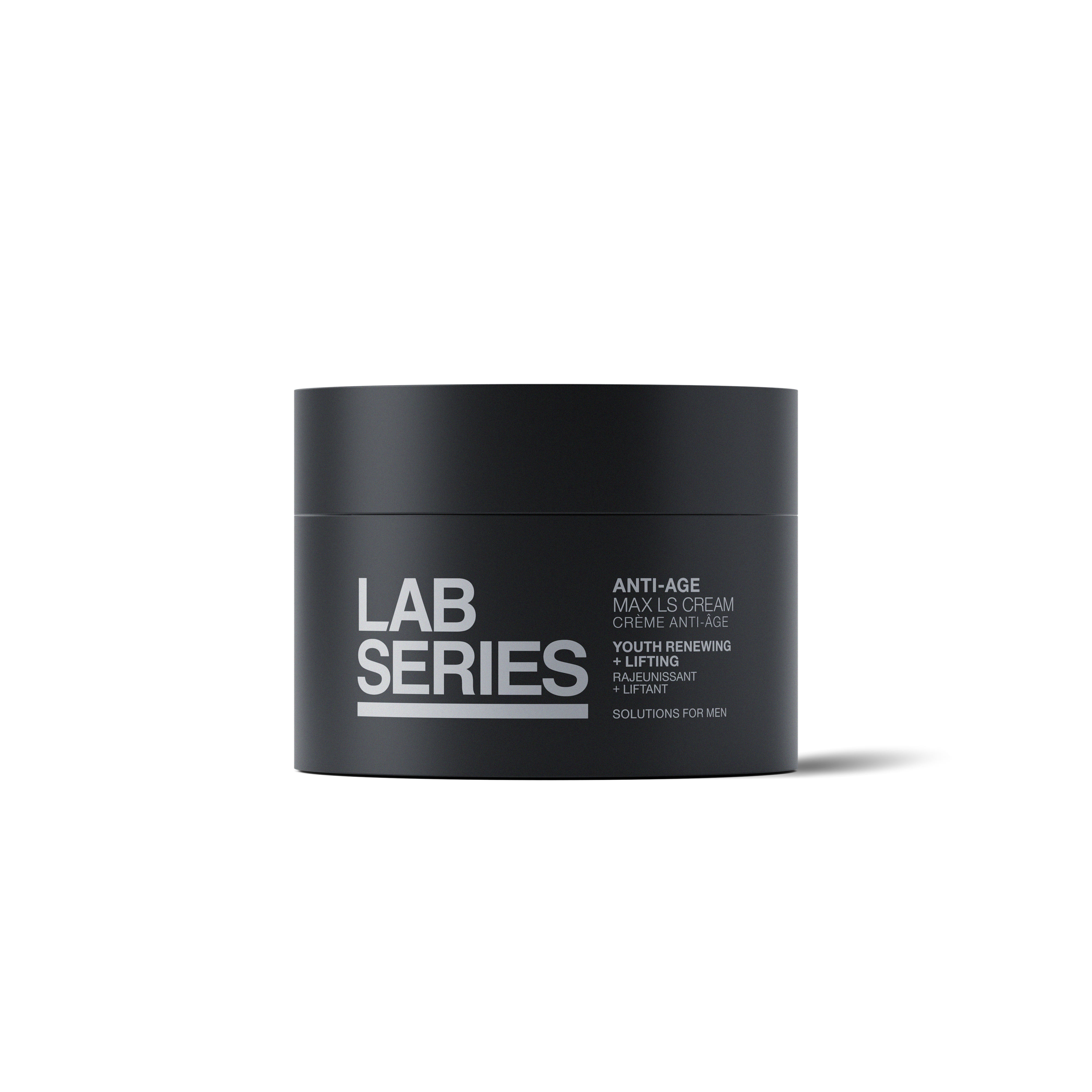 Lab Series Anti-Age Max LS Cream MoisturizerCheck price on Amazon
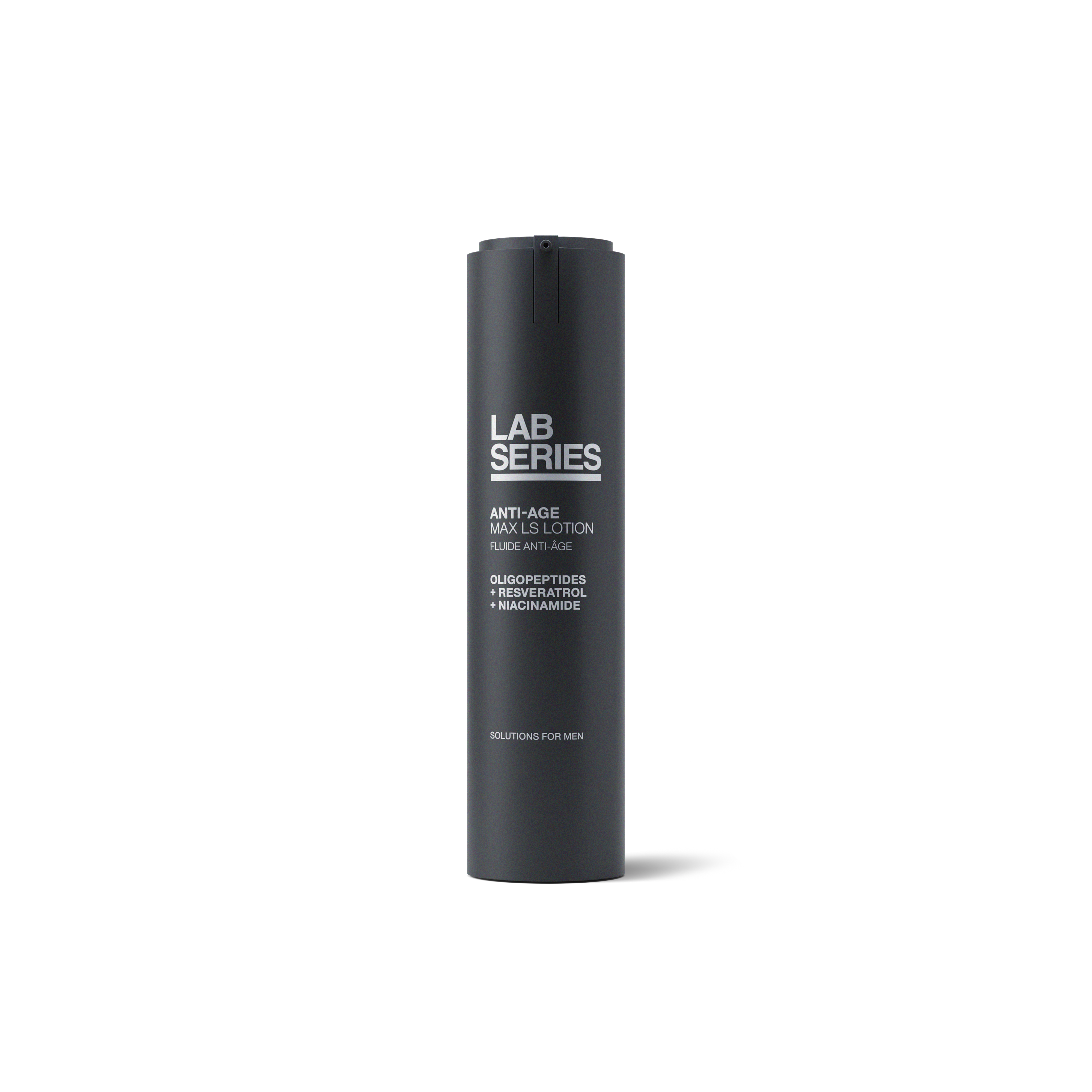 Lab Series Anti-Age Max LS Ultra-Light Lotion MoisturizerCheck price on Amazon
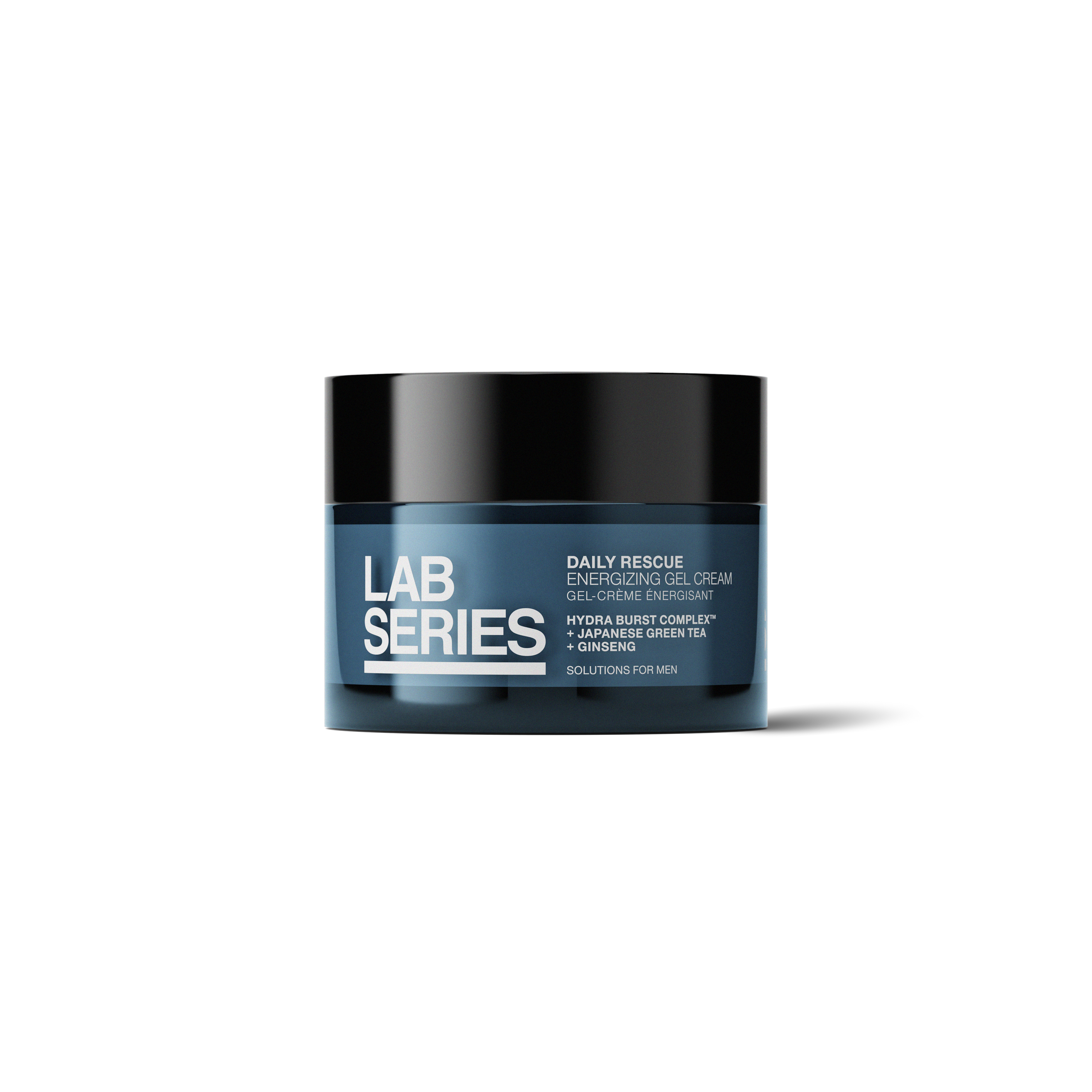 Lab Series Daily Rescue Energizing Gel Cream MoisturizerCheck price on Amazon
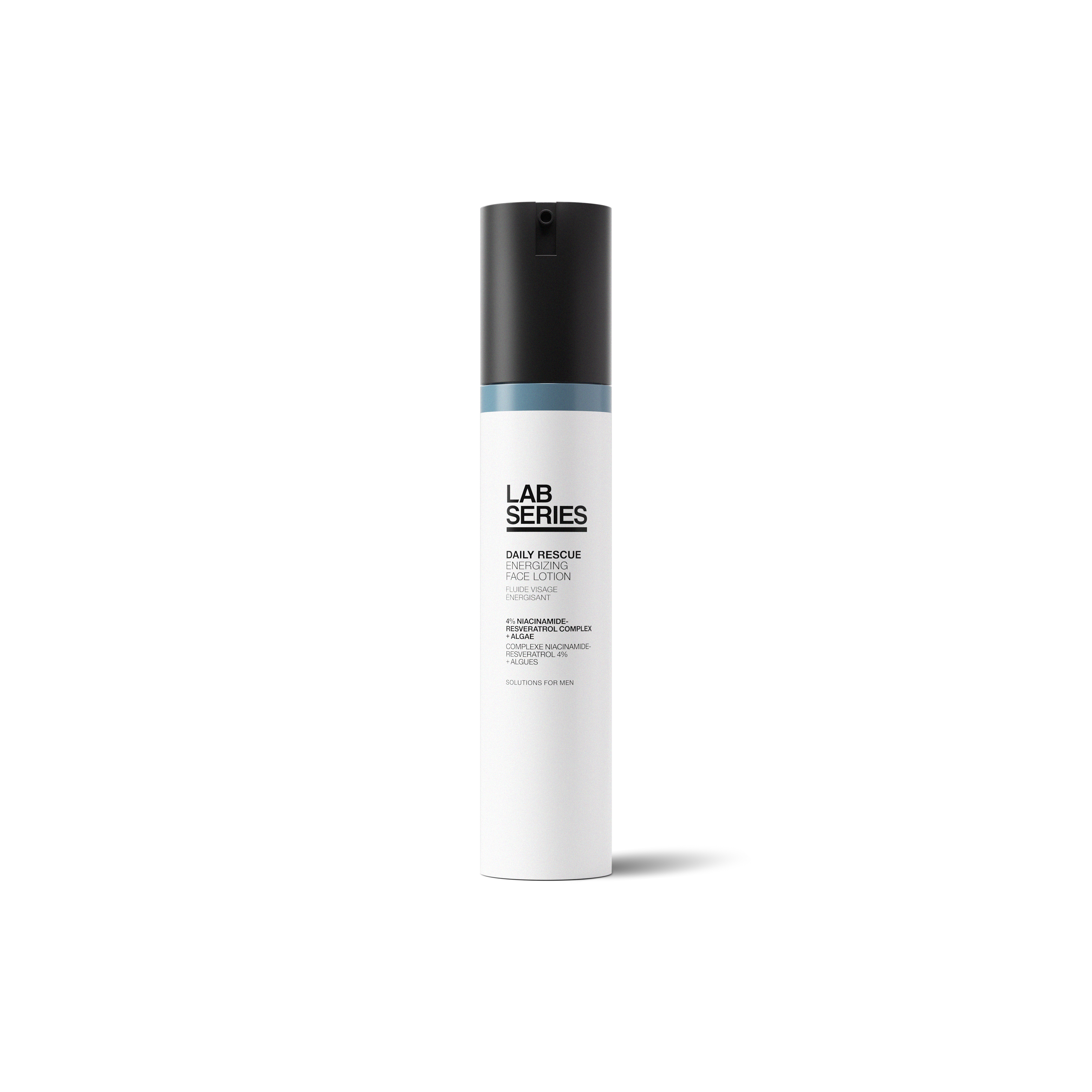 Lab Series Daily Rescue Energizing Lightweight Lotion MoisturizerCheck price on Amazon
Hydrating Toners, Essence Waters & Face Mists (2)
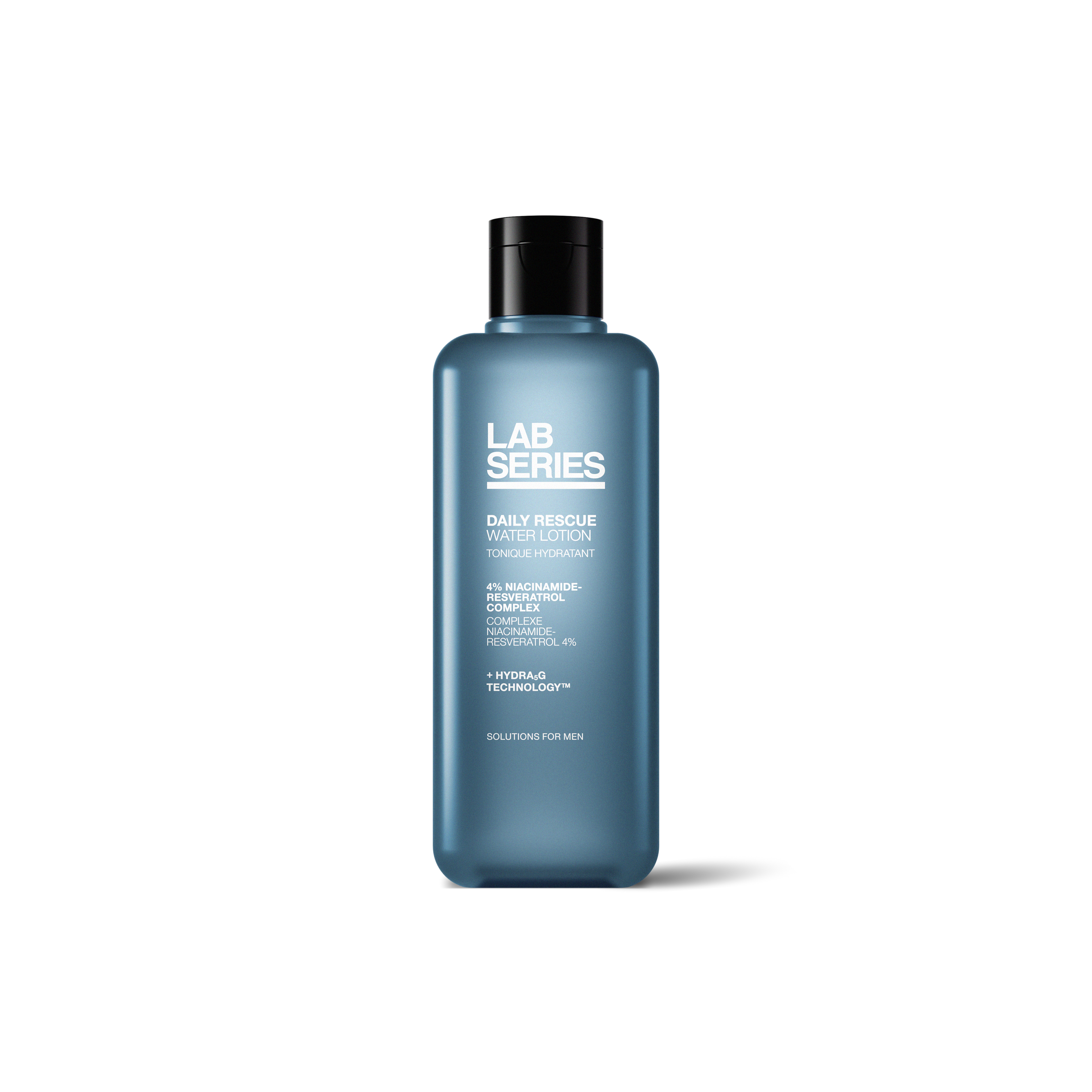
High-Definition Camouflage Concealers (1)
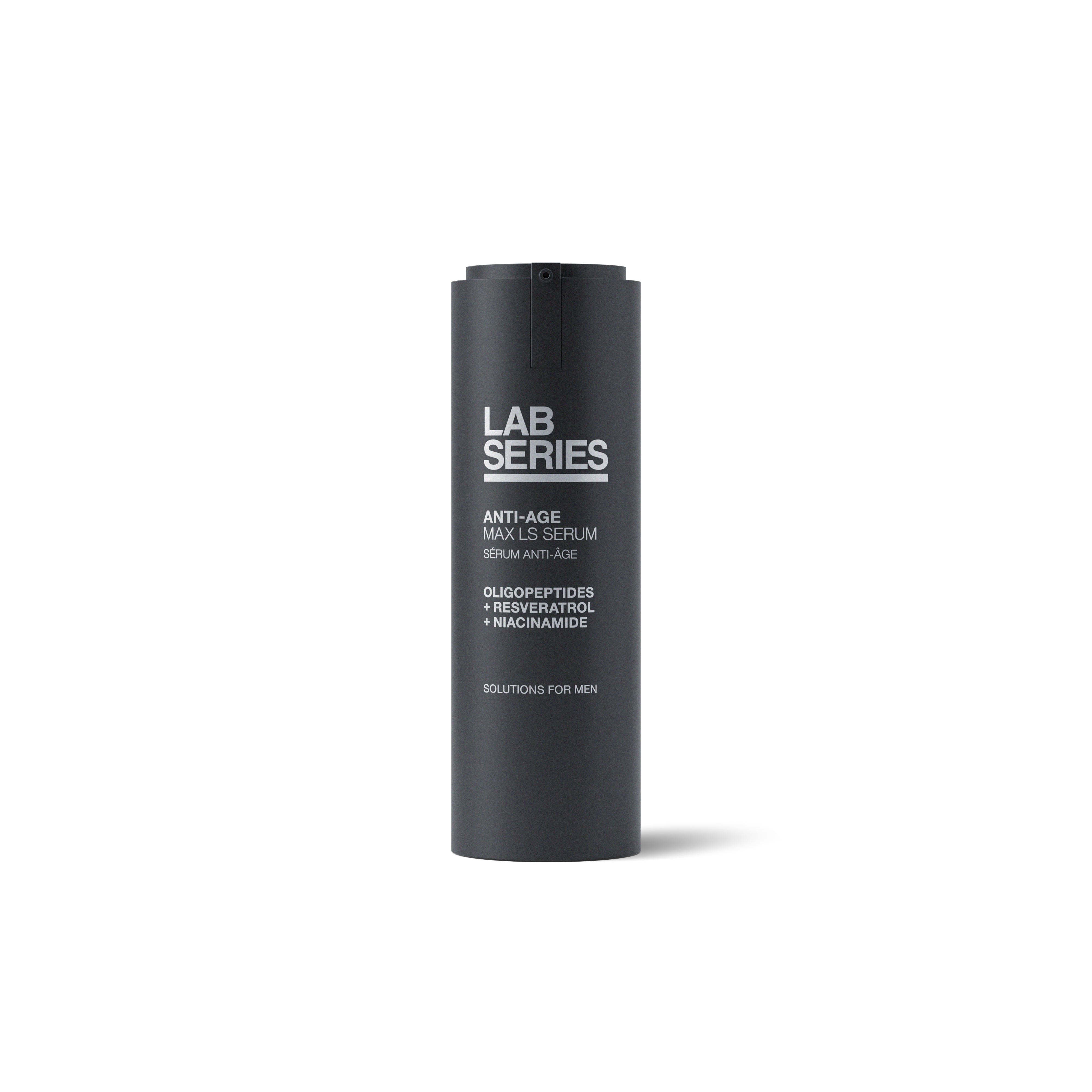
Anti-Aging & Retinoid Serums (1)
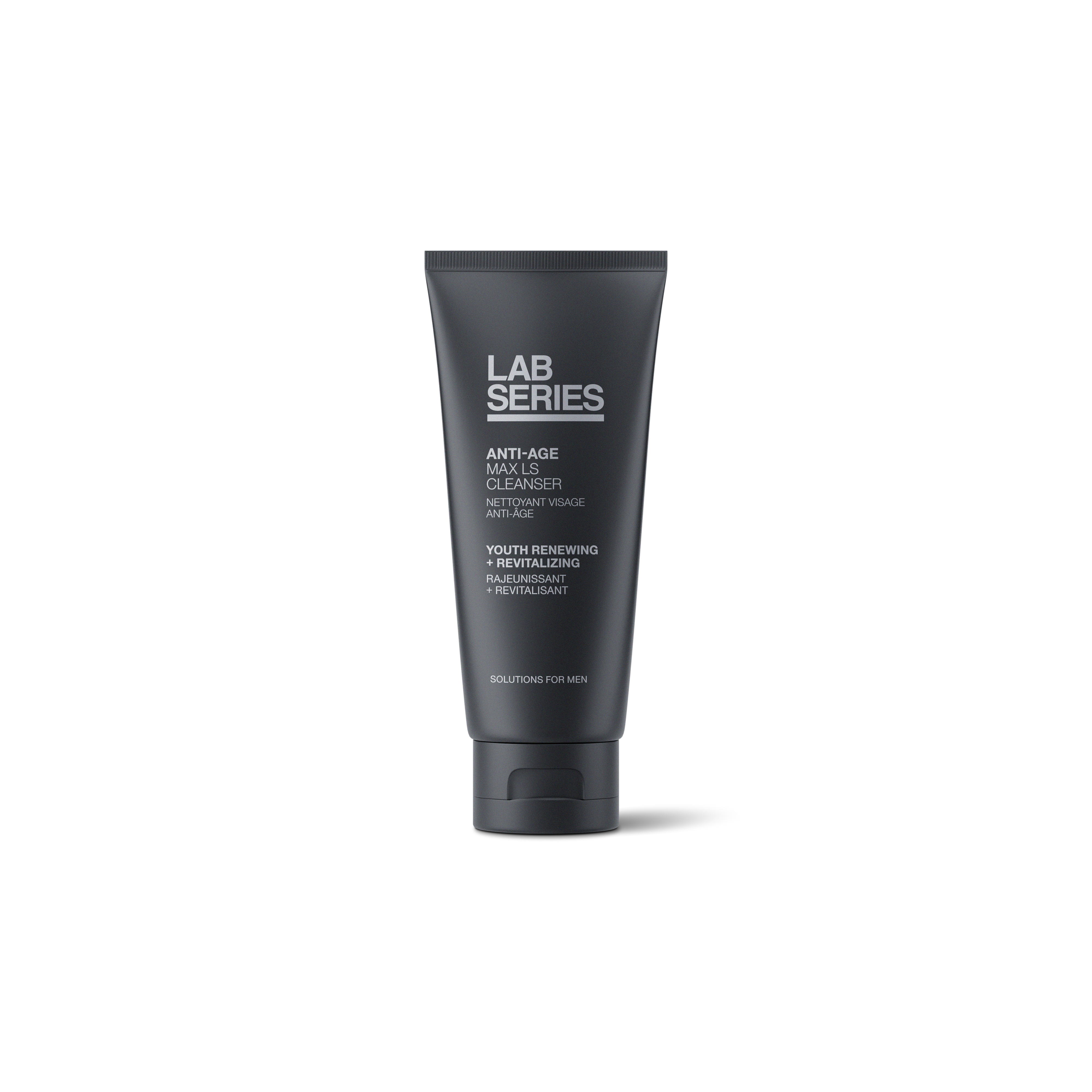
Gel, Foam & Cream Facial Cleansers (1)
Daily Sunscreens & SPF Moisturizers (1)
From stores: products with Resveratrol
Hydrating Serums, Essences & Ampoules (4)


Common questions
What does resveratrol do for skin?
It's an antioxidant, so it's added to help protect the formula and the skin's surface from oxidative stress. Lab research is extensive, but human studies on skin are fewer and often test resveratrol mixed with other ingredients, so results from one product don't transfer to another.
Is resveratrol from red wine?
Resveratrol occurs naturally in grape skins, berries and peanuts, and red wine contains some. The resveratrol in skincare is usually extracted from plants such as Japanese knotweed or made in a lab or by fermentation.
Can I use resveratrol with vitamin C?
They often appear in the same routine, and some serums combine several antioxidants. If you use separate products, introduce one at a time and follow each product's directions.
Do I still need sunscreen if I use resveratrol?
Yes, in the sense that an antioxidant doesn't replace sunscreen. Use a daily sunscreen whether or not your routine includes antioxidants.