Sodium Lactate
A water-binding ingredient found in moisturizers and skin's natural moisturizing factor, often marketed as a hydration active.
Extremely safeIn 28 products we cover
We may earn a commission when you buy through links on this page. It never changes what we recommend.
Quick facts
- INCI name
- Sodium Lactate
- CAS number
- 72-17-3
- Origin
- Biotech (fermentation) or Synthetic
- Chemical class
- Organic acid salt (lactate)
- What it does in a formula
- humectant, skin conditioning, buffering
- Why it is in the formula
- It attracts water and contributes to the moisture-binding blend in many leave-on formulas.
What it is
As a key component of the skin’s natural moisturizing factor, sodium lactate is the water-soluble sodium salt of lactic acid. Commercially produced through sugar fermentation or synthesis, it serves as an effective cosmetic humectant that attracts and holds water in the upper layers of the skin.
The word active sometimes appears in descriptions of sodium lactate, but it is most useful to think of it as a hydrator in the formula. It is not the same as using a leave-on acid exfoliant. You may see it in moisturizers, serums, cleansers, and other water-based products.
What it does
- Attracts water. As a humectant, sodium lactate helps hold water in a formula and can contribute to a more hydrated skin feel.
- Supports skin conditioning. It can be part of a blend of humectants that makes a moisturizer feel comfortable and less tight.
- Helps manage formula properties. Depending on the product, it can contribute to pH control and the overall water balance of the formula.
- Plays a supporting role. It is usually one component of a broader moisturizing system, not a stand-alone treatment.
Who it suits
Sodium lactate may appear in products for dry, combination, or normal skin because humectants are useful across skin types. If your skin feels tight after cleansing, a moisturizer containing several water-binding ingredients may be more comfortable than relying on one humectant alone. The rest of the formula, including its emollients and texture, affects how it feels.
It can sting on compromised or very reactive skin, especially depending on the product’s overall composition. That does not make it an exfoliant or mean everyone will react. Try a new leave-on product cautiously if your skin is sensitive, and stop if it causes persistent irritation. For a diagnosed skin condition or recurring reaction, ask a dermatologist rather than relying on an ingredient label to explain it.
What to pair it with, and what not to
Sodium lactate works naturally alongside other humectants such as glycerin and with emollients that soften the skin. You do not need to layer it with an acid just because the names are related. Use the product as directed and choose the rest of your routine for the finish and level of moisture your skin prefers.
Skin Realist check: Hydration does not need a dramatic entrance. Sometimes it is a small supporting role in a sensible moisturizer.
Quick picks with Sodium Lactate
Scent-free, no patch-test flags on the label
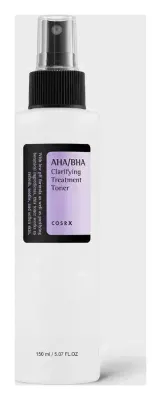
COSRX AHA/BHA Clarifying Treatment Toner
Glycolic Acid (AHA) + Betaine Salicylate (BHA) · scent-free label
AmazonBrand lists it for sensitive skin
Dermalogica age reversal eye complex
Microencapsulated retinol, niacinamide, ash tree bark extract, vitamin C and peptides · oily, dry, combination, sensitive, normal skin · scent-free label
AmazonBrand lists it for oily skin
Dermalogica antioxidant hydramist
Pea extract, rose extract, clove extract, and antioxidant support · dry, oily, combination, sensitive, normal skin · scented
Amazon

All 28 products with Sodium Lactate
Eye Creams & Under-Eye Patches (6)
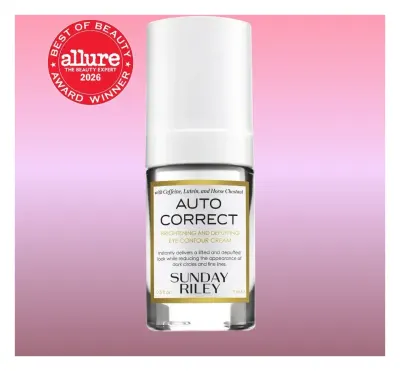 Sunday Riley Auto Correct Brightening + Depuffing Eye CreamAmazon
 Dermalogica age reversal eye complexAmazon
 Perricone MD Neuropeptide Corrective Brightening Under-Eye CreamAmazon
 Perricone MD No Makeup Instant Blur Priming Eye CreamAmazon
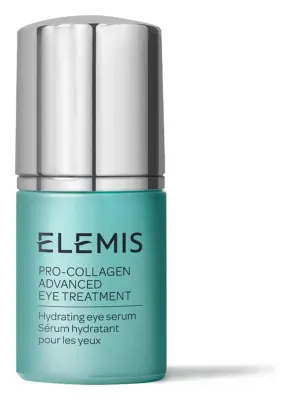 Elemis Pro-Collagen Advanced Eye TreatmentAmazon
 Elemis Pro-Collagen Eye Revive MaskAmazon
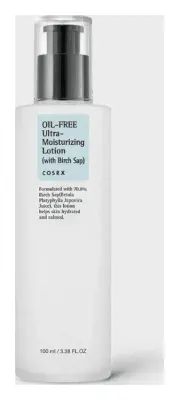
Daily Moisturizers & Water Gel Creams (4)



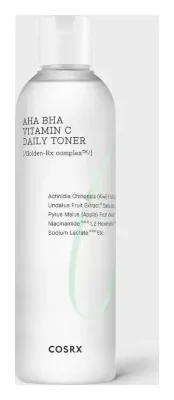
Dermatological Acne & Chemical Exfoliating Liquids (3)
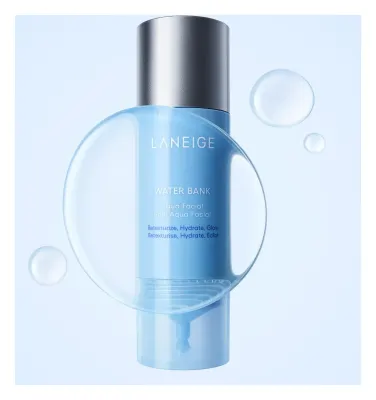
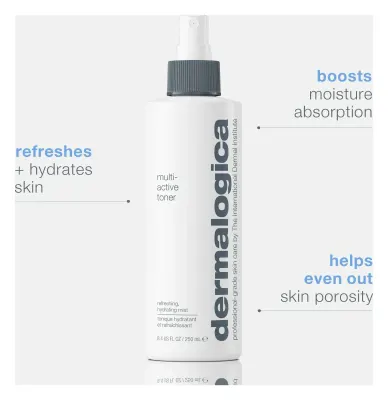
Hydrating Toners, Essence Waters & Face Mists (3)

Gel, Foam & Cream Facial Cleansers (3)
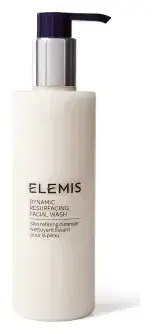


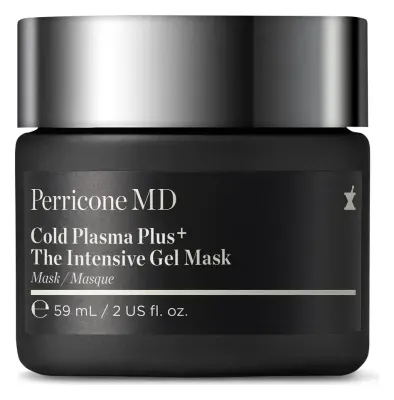
Cream & Gel Treatment Masks (3)


Hydrating Serums, Essences & Ampoules (3)



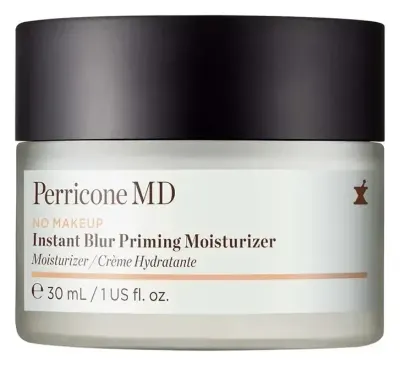
Mineral Pressed Powders & Skin-Nourishing Primers (1)
Anti-Aging & Retinoid Serums (1)

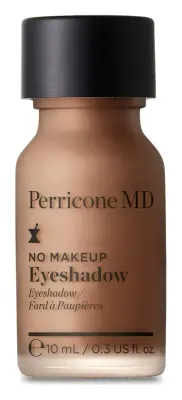
Eye Shadows, Liners, Mascara & Brow Makeup (1)
Common questions
What does sodium lactate do for skin?
Sodium lactate is a humectant that helps attract and hold water. It is also one of the components associated with skin's natural moisturizing factor, though a cosmetic product's effect depends on its full formula.
Is sodium lactate the same as lactic acid?
They are related but not identical. Sodium lactate is a salt of lactic acid and is mainly used as a humectant in cosmetics, while lactic acid can be used for pH adjustment or exfoliation depending on the formula.
Is sodium lactate an exfoliant?
It is primarily used as a water-binding humectant, not as a standalone exfoliating active. Do not infer an exfoliating effect from the shared lactate name alone.
Is sodium lactate natural?
Lactic acid can be produced through fermentation, and sodium lactate can also be made through chemical processing. The label does not identify the source or process used by a manufacturer.