Chlorphenesin
What chlorphenesin does as a cosmetic preservative, why water-based formulas need preservation, and who may patch-test first.
Extremely safeIn 46 products we cover
We may earn a commission when you buy through links on this page. It never changes what we recommend.
Quick facts
- INCI name
- Chlorphenesin
- CAS number
- 104-29-0
- Origin
- Synthetic
- Chemical class
- Chlorinated aromatic alcohol
- What it does in a formula
- preservative, antimicrobial
- Why it is in the formula
- Usually included in a preservation system to help limit microbial growth during normal product use.
What it is
Added to protect water-containing formulas against microbial growth, chlorphenesin is a synthetic preservative commonly included in moisturizers, cleansers, and makeup. It operates behind the scenes to maintain product freshness and structural integrity during consumer use. It has no aromatic fragrance properties and is not an active skincare treatment ingredient.
Preservation matters because water-containing products can provide conditions where unwanted microorganisms grow. Packaging, storage, and how a product is handled also affect product quality. A preservative is selected as part of the complete formula, not used as a substitute for clean manufacturing or appropriate packaging.
What it does
- Helps limit microbial growth. Chlorphenesin contributes to keeping a cosmetic formula properly preserved.
- Supports product quality. It works as part of a preservation system during normal storage and use.
- Makes water-based formats practical. Preservatives allow many lotions and similar formulas to remain usable after opening.
Who it suits
For most shoppers, chlorphenesin is simply one name in a larger formula. It does not tell you the product’s exact preservation method or how much is present. If you have a known sensitivity to it, check the ingredient list and consider asking a dermatologist about alternatives. Anyone can react to a cosmetic product, so stop using one that causes persistent discomfort.
A product labeled preservative-free is not automatically a better choice, especially if it contains water. Different formats may use other preservation approaches, but product quality still depends on appropriate formulation and packaging. Follow the storage instructions and do not use a product that has changed noticeably.
Preservation systems are tested and selected for a particular formula, packaging, and use pattern. A preservative’s effectiveness cannot be judged from the ingredient order alone. That context is why replacing a preservative with a trendy ingredient is not a simple one-for-one swap.
What to pair it with, and what not to
Chlorphenesin is a helper, not an active that needs a companion ingredient. It may appear alongside other preservatives such as phenoxyethanol or parabens in a broader preservation system. Choose based on the complete formula and your known sensitivities.
Skin Realist check: Preservatives are the quiet part of the label that helps a product stay a product. Not every ingredient needs a dramatic entrance to earn its place.
Quick picks with Chlorphenesin
Scent-free, no patch-test flags on the label
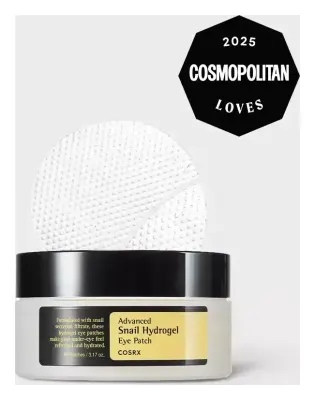
COSRX Advanced Snail Hydrogel Eye Patch
Snail Secretion Filtrate · scent-free label
AmazonBrand lists it for sensitive skin
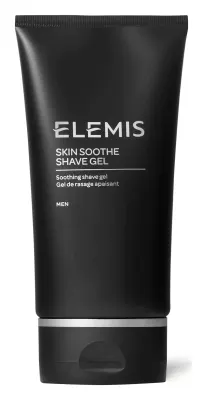
Elemis Skin Soothe Shave Gel
Aloe vera, witch hazel, jojoba esters, arnica, chamomile, and menthol · sensitive skin · scented
AmazonBrand lists it for oily skin
Elemis Pro-Collagen Marine Cream for Men
Padina pavonica, ginkgo biloba, and wheat germ oil · combination, dry, normal, oily skin · scented
Amazon
All 46 products with Chlorphenesin
Daily Moisturizers & Water Gel Creams (10)
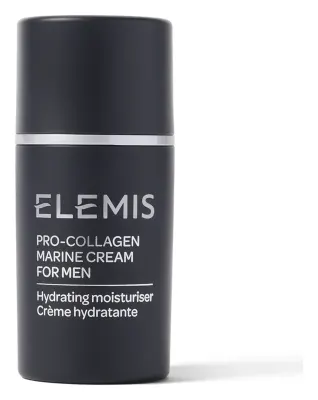 Elemis Pro-Collagen Marine Cream for MenAmazon
 Elemis Pro-Collagen Night CreamAmazon
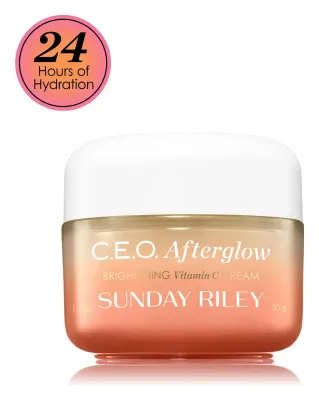 Sunday Riley C.E.O. Afterglow Brightening Vitamin C Gel CreamAmazon
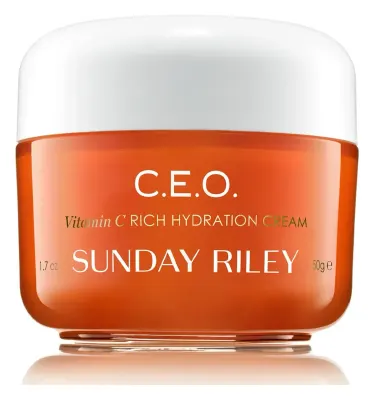 Sunday Riley C.E.O. Vitamin C Rich Hydration CreamAmazon
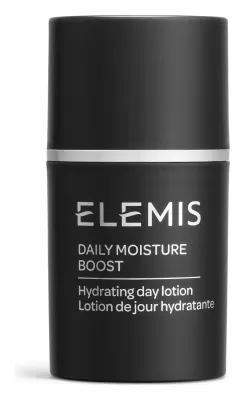 Elemis Daily Moisture BoostAmazon
 Elemis ULTRA SMART Pro-Collagen Day CreamAmazon
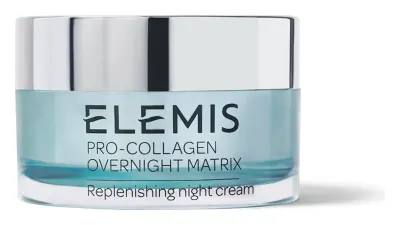 Elemis Pro-Collagen Overnight MatrixAmazon
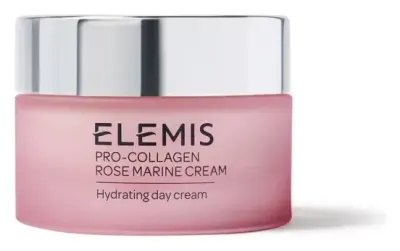 Elemis Pro-Collagen Rose Marine CreamAmazon
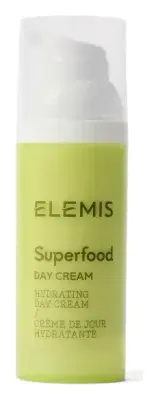 Elemis Superfood Day CreamAmazon
 Elemis ULTRA SMART Pro-Collagen Night GeniusAmazon
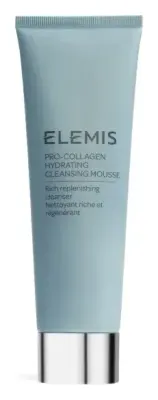
Gel, Foam & Cream Facial Cleansers (5)
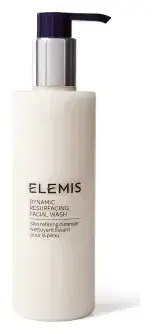
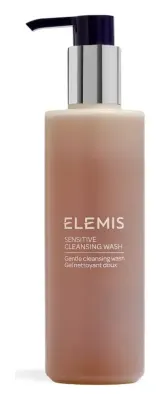
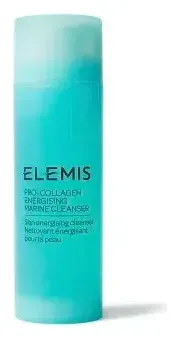

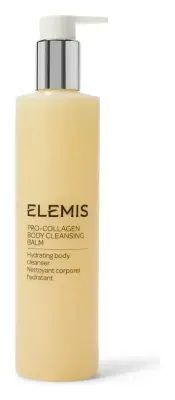
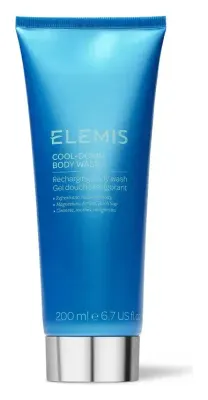
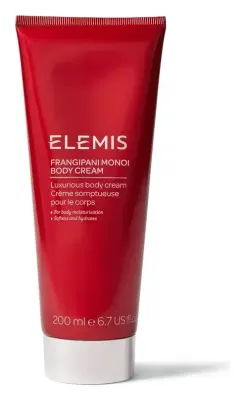
Body Creams, Butters & Body Oils (5)
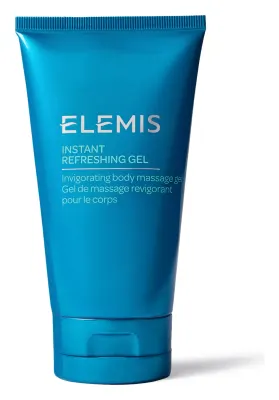
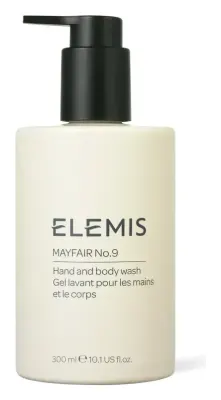
Hydrating Toners, Essence Waters & Face Mists (5)
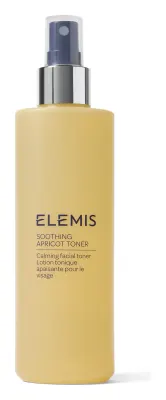
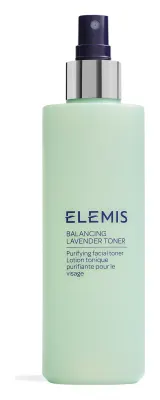
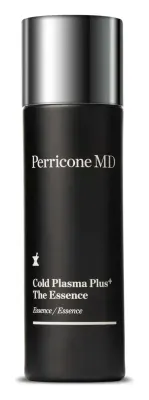
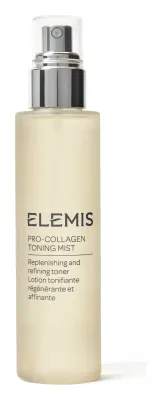
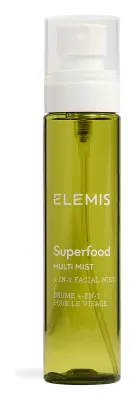
Eye Creams & Under-Eye Patches (4)
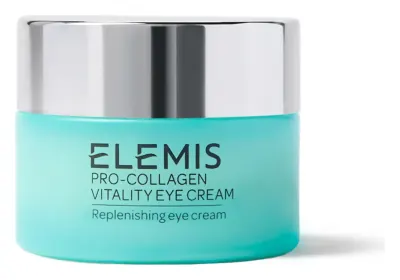
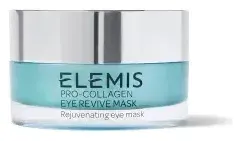

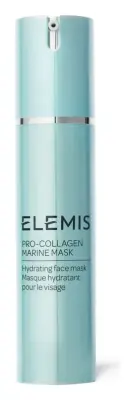
Cream & Gel Treatment Masks (3)


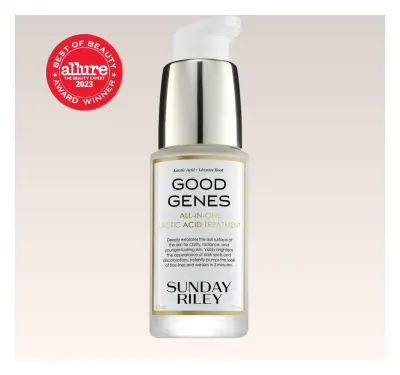
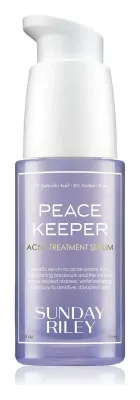
Dermatological Acne & Chemical Exfoliating Liquids (2)
Physical & Enzyme Face Exfoliants (2)
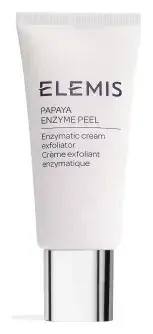
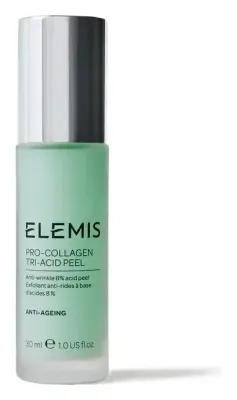
Mineral Pressed Powders & Skin-Nourishing Primers (2)
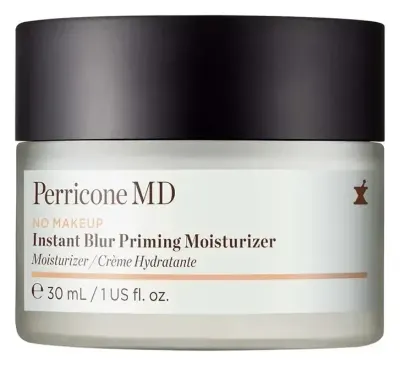

Hydrating Serums, Essences & Ampoules (2)
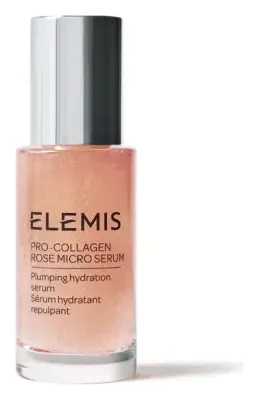

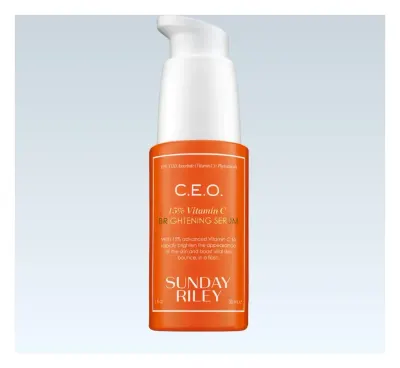
Targeted Vitamin C & Brightening Correctors (1)
Shaving Creams, Gels & Oils (1)
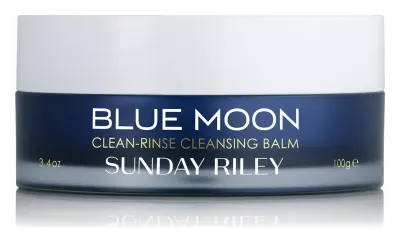
Premium Double-Cleansing Balms & Melting Gels (1)
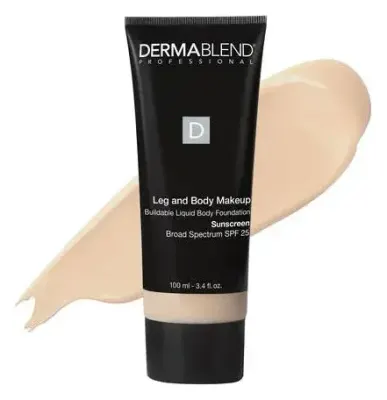
Full-Coverage Camouflage & Liquid Foundations (1)
Daily Sunscreens & SPF Moisturizers (1)
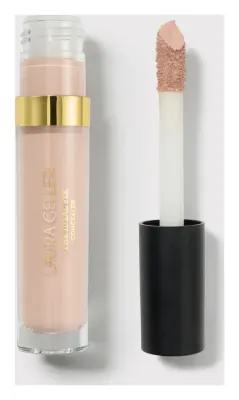
High-Definition Camouflage Concealers (1)
Common questions
What does chlorphenesin do in skincare?
Chlorphenesin is used as a preservative in cosmetics. It helps limit the growth of microorganisms in a formula during normal storage and use.
Why do water-based products need preservatives?
Water-containing formulas can support microbial growth if they are not adequately preserved. A suitable preservative system works alongside packaging and normal handling to maintain product quality.
Is chlorphenesin the same as phenoxyethanol?
No. They are different ingredients that can both be used in cosmetic preservation systems. A formula may use one, the other, or a combination selected by its maker.
Who should check for chlorphenesin?
Anyone with a known sensitivity to chlorphenesin may want to check labels and patch-test first. If a product causes persistent irritation, stop using it and ask a dermatologist about recurring reactions.