Rosemary Leaf Extract and Oil
How rosemary leaf extract and rosemary leaf oil differ in cosmetics, including antioxidant use, fragrance, and essential-oil cautions.
Probably fineIn 45 products we cover
We may earn a commission when you buy through links on this page. It never changes what we recommend.
Quick facts
- INCI name
- Rosmarinus Officinalis Leaf Extract
- Origin
- Plant-derived
- Chemical class
- Botanical leaf extract and essential oil
- What it does in a formula
- antioxidant, skin conditioning, fragrance
- Why it is in the formula
- Leaf extract is used mainly for antioxidant and conditioning roles, while leaf oil is mainly aromatic.
What it is
On ingredient labels for products containing the aromatic herb Rosmarinus officinalis, you may see either a rosemary leaf extract or a volatile rosemary leaf oil. These two botanical preparations serve different functions and are not interchangeable. Formulators typically include the extract for skin conditioning or antioxidant support, whereas the volatile leaf oil mainly supplies fragrance.
The asterisk sometimes printed after a botanical name is a label or database notation, not a separate rosemary ingredient. It does not tell you the source or amount of the extract. Neither extract nor leaf oil should be treated as a substitute for a properly formulated preservative system or as a treatment for a skin condition.
What it does
- Leaf extract can provide antioxidant support. It may help protect components in a formula from oxidation, though its effect depends on the formula.
- Leaf extract can condition skin. This is a supporting role, not proof of a specific skin result.
- Leaf oil adds fragrance. The aromatic oil is used mainly to contribute a herbal scent.
- The forms are distinct. Check which rosemary ingredient appears on the label rather than assuming all rosemary materials act alike.
Who it suits
A rosemary leaf extract may suit shoppers who are comfortable with botanical ingredients in a formula. Rosemary leaf oil should be considered as an essential oil and fragrance ingredient. People who know they react to scented products may prefer a formula without it. A botanical origin does not guarantee that an ingredient will suit every person.
If you have a known fragrance sensitivity, check for both rosemary leaf oil and other fragrance ingredients such as fragrance or other essential oils. Patch-test a new product if you are uncertain and stop if it causes persistent irritation. For a recurring reaction, ask a dermatologist rather than trying to identify a trigger by guesswork.
What to pair it with, and what not to
Rosemary ingredients do not need a special active alongside them. Use a product for its overall formula and follow its directions. Do not rely on rosemary extract as the sole preservation system in a water-containing cosmetic, and avoid layering multiple new scented products if you are trying to identify a sensitivity.
Skin Realist check: Herbal on the label is not a promise that a formula will smell like a quiet garden.
How it appears on labels: Rosmarinus Officinalis (Rosemary) Leaf Extract; Rosmarinus Officinalis (Rosemary) Leaf Oil; Rosmarinus Officinalis (Rosemary) Leaf Extract*
Quick picks with Rosemary Leaf Extract and Oil
Scent-free, no patch-test flags on the label
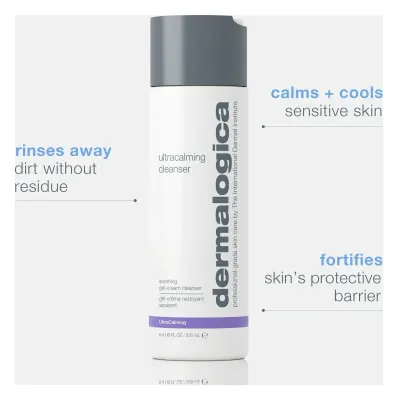
Dermalogica ultracalming cleanser
Panthenol, cucumber fruit extract, raspberry fruit extract · normal, dry, sensitive skin · scent-free label
AmazonBrand lists it for sensitive skin
Dermalogica dynamic skin retinol serum
Retinoid Complex 3.5% · oily, dry, combination, sensitive, normal skin · scented
AmazonBrand lists it for oily skin
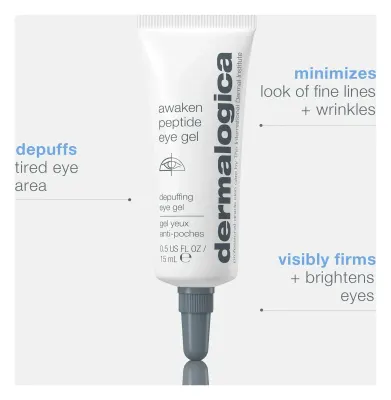
Dermalogica awaken peptide depuffing eye gel
Caffeine, tetrapeptides, rosemary leaf extract, succinic acid blend, Voandzeia subterranea seed extract and lactic acid · oily, dry, combination, sensitive, normal skin · scent-free label
Amazon

All 45 products with Rosemary Leaf Extract and Oil
Daily Moisturizers & Water Gel Creams (8)
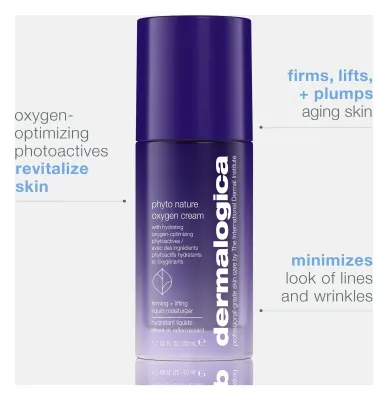 Dermalogica phyto nature oxygen creamAmazon
 Dermalogica acne biotic moisturizerAmazon
 Perricone MD Cold Plasma Plus+ Advanced Hydrating ComplexAmazon
 Perricone MD Cold Plasma Plus+ Sub-D/NeckAmazon
 Perricone MD High Potency Hyaluronic Intensive MoisturizerAmazon
 Dermalogica multivitamin power recovery creamAmazon
 Dermalogica pro-collagen banking water creamAmazon
 Elemis Superfood Day CreamAmazon
Body Creams, Butters & Body Oils (5)
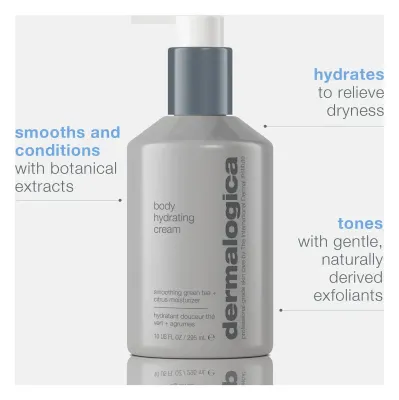
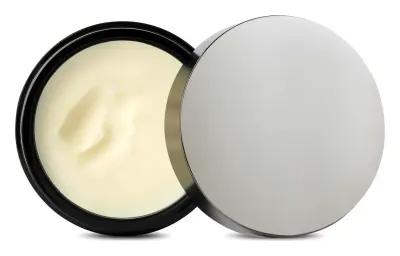
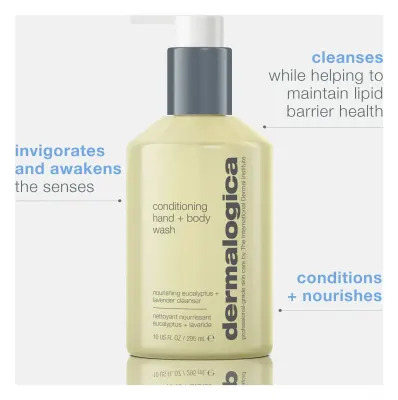
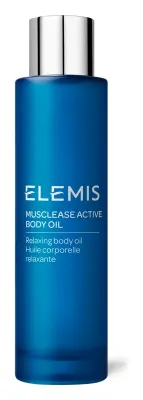
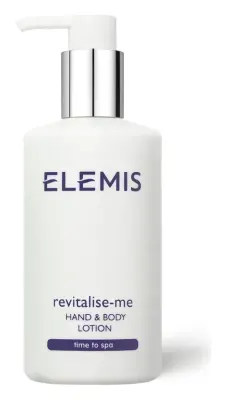
Anti-Aging & Retinoid Serums (4)
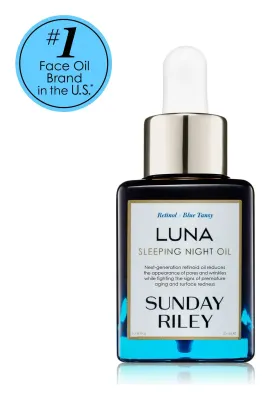


Gel, Foam & Cream Facial Cleansers (4)

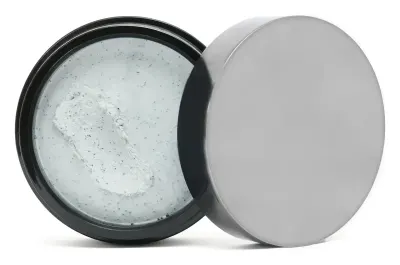

Hydrating Toners, Essence Waters & Face Mists (4)
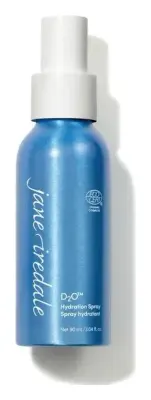
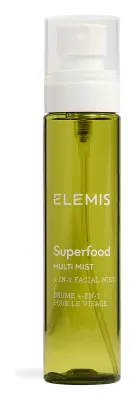
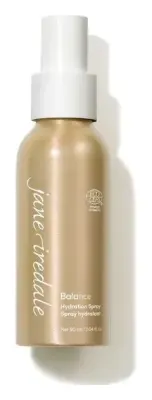
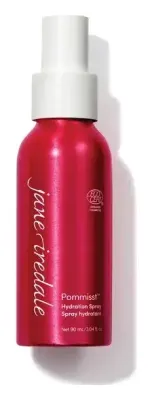
Eye Creams & Under-Eye Patches (3)
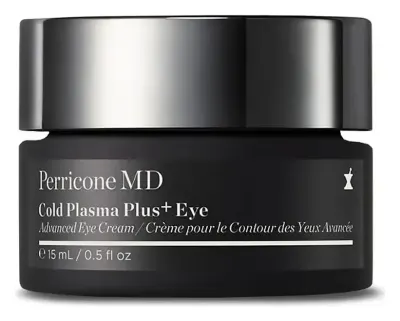

Face Oils & Treatment Oils (3)
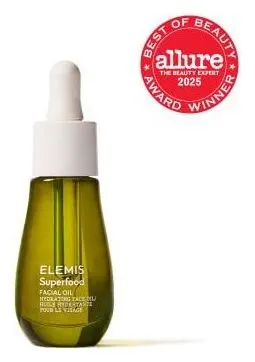
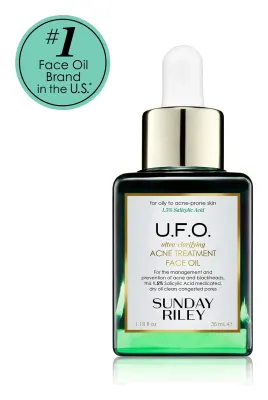
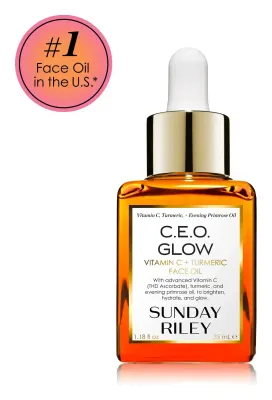
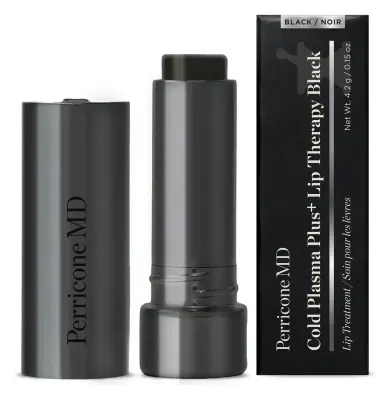
Intensive Lip Recovery Masks & Tinted Balms (2)
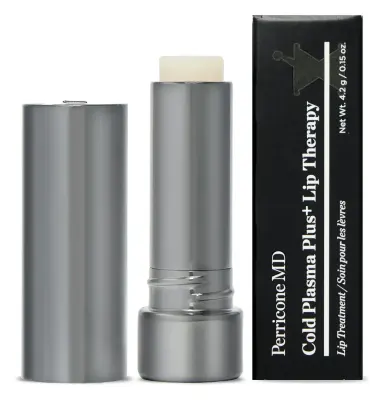
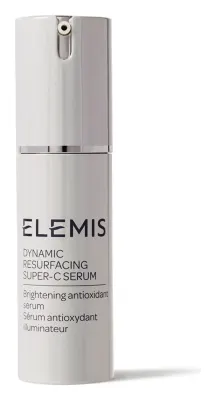
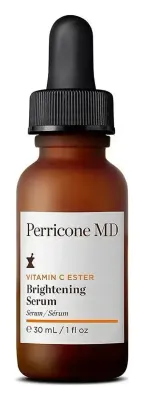
Targeted Vitamin C & Brightening Correctors (2)
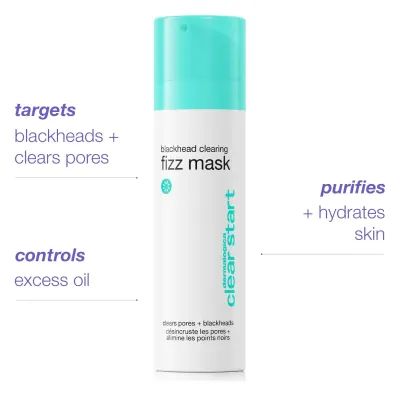
Sheet, Hydrogel & Clay Masks (2)
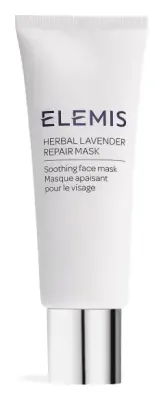
Premium Double-Cleansing Balms & Melting Gels (2)
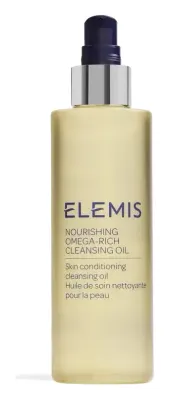
Pimple Patches & Overnight Spot Treatments (1)
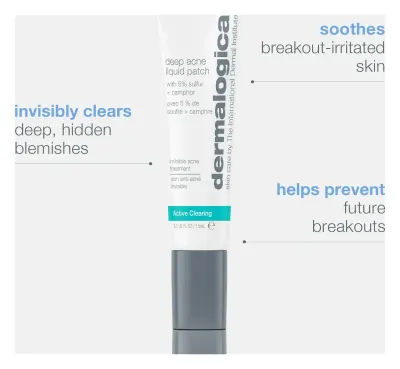
Dermatological Acne & Chemical Exfoliating Liquids (1)
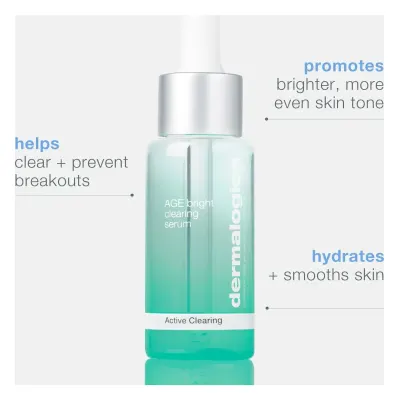
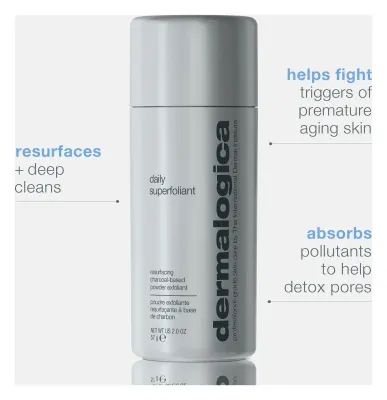
Physical & Enzyme Face Exfoliants (1)
High-Definition Camouflage Concealers (1)
Eye Shadows, Liners, Mascara & Brow Makeup (1)
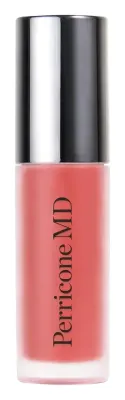
Lipsticks, Glosses & Lip Liners (1)
Common questions
What is rosemary in skincare?
Rosemary ingredients come from the leaves of Rosmarinus officinalis. The extract and the essential oil are different preparations with different typical roles.
Is rosemary extract the same as rosemary oil?
No. Rosemary leaf extract is generally included for antioxidant or skin-conditioning roles, while rosemary leaf oil is a volatile aromatic oil used mainly for fragrance.
Can rosemary oil irritate skin?
Essential oils and scented ingredients can bother some people, especially those with fragrance sensitivity. Check the full formula and patch-test a new product if you are unsure.
Does rosemary extract preserve a product?
Rosemary extract may provide antioxidant activity, but it should not be assumed to preserve a water-based product against bacteria, yeast, or mold. Products need an appropriate preservation system.