Sodium Lauroyl Lactylate
What sodium lauroyl lactylate does as an emulsifier in creams and cleansers, how it differs from SLS, and who should patch-test.
No specific flag recordedIn 41 products we cover
We may earn a commission when you buy through links on this page. It never changes what we recommend.
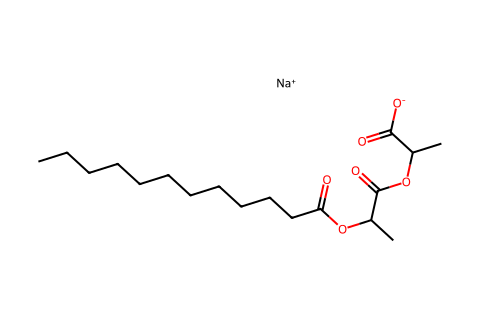
Quick facts
- INCI name
- Sodium Lauroyl Lactylate
- Origin
- Synthetic
- Chemical class
- Fatty acid lactylate salt (anionic emulsifier)
- What it does in a formula
- emulsifying, surfactant
- Why it is in the formula
- Usually a co-emulsifier that helps oil and water stay blended in creams, lotions and gentle cleansers.
- Regulatory notes
- The Cosmetic Ingredient Review panel (2019) concluded that alkanoyl lactyl lactate salts, including this one, are safe in the present practices of use and concentration when formulated to be non-irritating and non-sensitizing.
What is Sodium Lauroyl Lactylate?
Sodium lauroyl lactylate is an emulsifier made from lauric acid, a fatty acid, joined to lactic acid units and turned into a sodium salt. The Cosmetic Ingredient Review panel describes it as the sodium salt of the lauric acid ester of lactyl lactate.
You’ll see it in creams, lotions, cleansing milks and some gentle face washes, usually in the middle or lower part of the ingredient list. Some labels shorten it to lauroyl lactylate. Despite the similar-looking name, it isn’t sodium lauroyl sarcosinate or sodium lauryl sulfate. Each of those is a different molecule with a different job.
What does Sodium Lauroyl Lactylate do?
- Keeps oil and water together. Its structure has a water-loving end and an oil-loving end, so it helps an emulsion stay smooth instead of separating in the jar.
- Adds mild cleansing. It is classed as a surfactant, so in a cleanser it can help lift oil and makeup, usually alongside a main cleansing agent.
- Shapes the feel of a cream. As a co-emulsifier it can help a lotion spread evenly and feel lighter.
It is a helper ingredient. There isn’t good evidence that it does anything for your skin on its own beyond helping the formula work.
Who is Sodium Lauroyl Lactylate for?
It shows up in products for every skin type, including formulas aimed at dry or sensitive skin. Most people won’t notice it at all.
The safety review found it may cause skin sensitization in animal tests, and its safe-use conclusion assumes the finished product is formulated to be non-irritating and non-sensitizing. If you’ve reacted to several emulsified creams and can’t find the cause, it’s one ingredient to note when you compare labels. A dermatologist can patch-test you to find a real trigger. For everyone else, it’s a routine part of how creams are made.
What to pair Sodium Lauroyl Lactylate with, and what to avoid
There’s nothing to pair. It works inside the formula with other emulsifiers, oils and water. You don’t need to seek it out or avoid it. If your skin barrier feels stressed, the barrier repair guide covers what to look for in the moisturizer as a whole.
How it appears on labels: Sodium Lauroyl Lactylate; Lauroyl Lactylate
Quick picks with Sodium Lauroyl Lactylate
Best fragrance-free pick
No scent or sensitivity flags recorded in our glossary
CeraVe Hydrating Facial Cleanser
Ceramides NP, AP and EOP, hyaluronic acid · normal, dry skin · no scent flags recorded
Best for sensitive skin
Brand lists it for sensitive skin
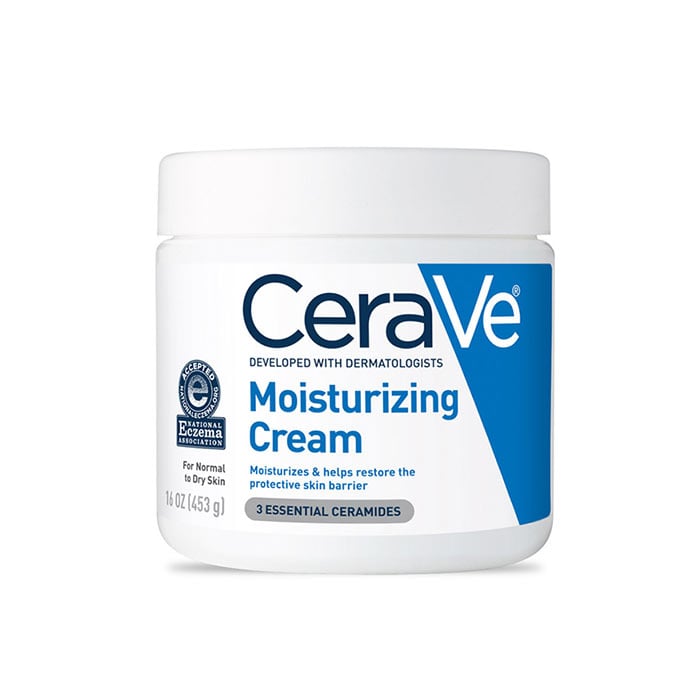
CeraVe Moisturizing Cream
normal, dry, sensitive skin · no scent flags recorded
Best for oily skin
Brand lists it for oily skin
CeraVe Foaming Facial Cleanser
Ceramides, niacinamide, hyaluronic acid · normal, oily skin · no scent flags recorded
All 41 products with Sodium Lauroyl Lactylate
Gel, Foam & Cream Facial Cleansers (9)
 CeraVe Hydrating Facial CleanserCheck price on Amazon
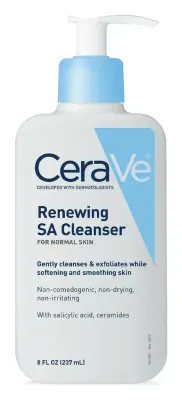 CeraVe Renewing SA CleanserCheck price on Amazon
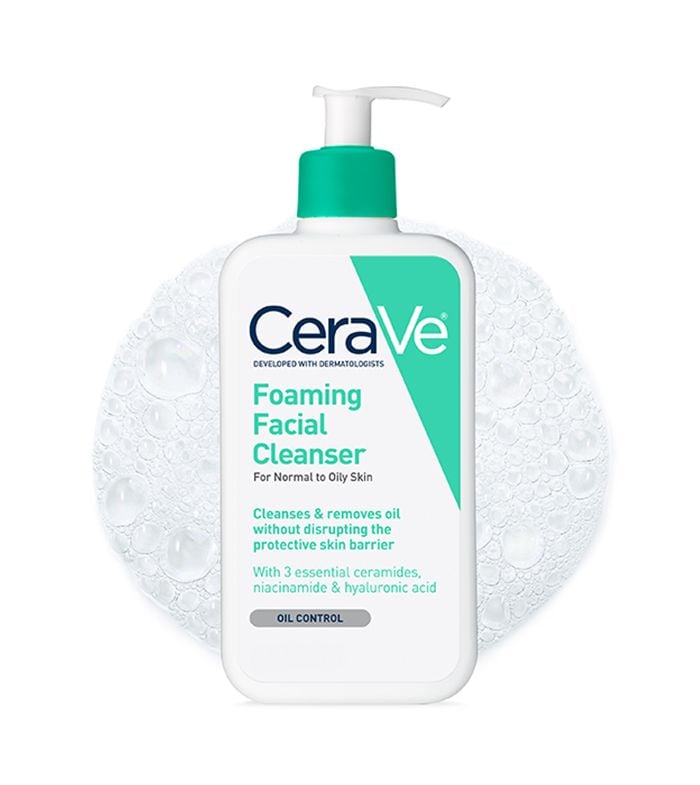 CeraVe Foaming Facial CleanserCheck price on Amazon
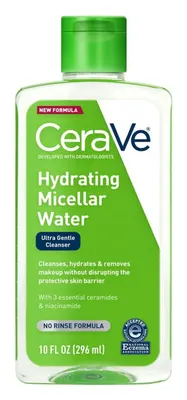 CeraVe Hydrating Micellar WaterCheck price on Amazon
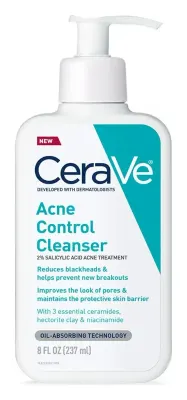 CeraVe Acne Control Cleanser
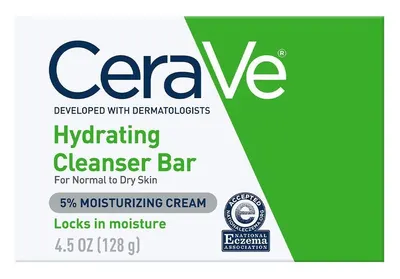 CeraVe Hydrating Cleanser BarCheck price on Amazon
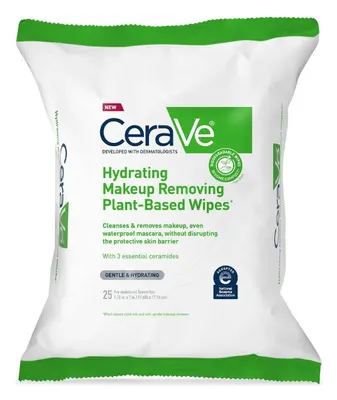 CeraVe Hydrating Makeup Removing Plant-Based WipesCheck price on Amazon
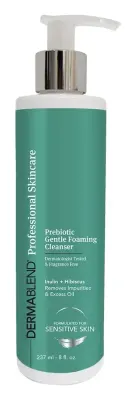 Dermablend Prebiotic Gentle Foaming CleanserCheck price on Amazon
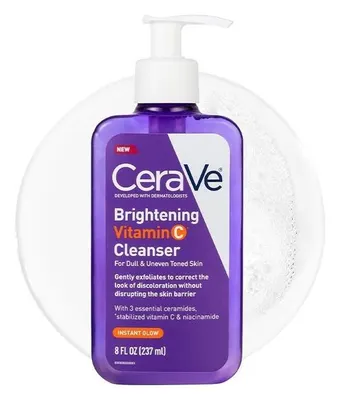 CeraVe Brightening Vitamin C CleanserCheck price on Amazon
Body Creams, Butters & Body Oils (7)
 CeraVe Daily Moisturizing LotionCheck price on Amazon
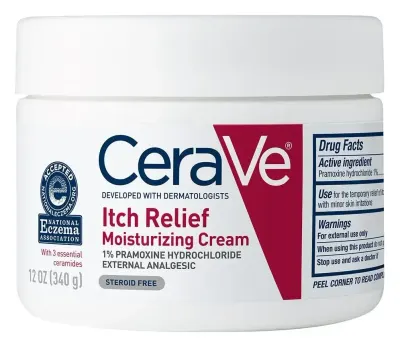 CeraVe Itch Relief CreamCheck price on Amazon
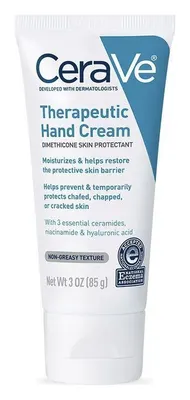 CeraVe Therapeutic Hand CreamCheck price on Amazon
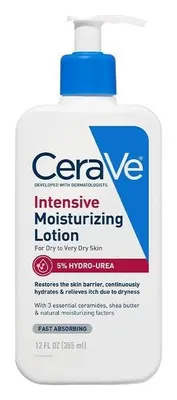 CeraVe Intensive Moisturizing LotionCheck price on Amazon
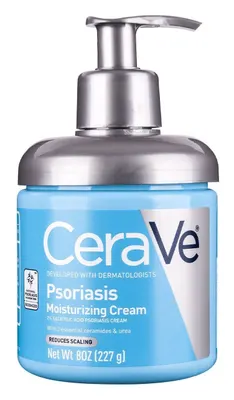 CeraVe Psoriasis Moisturizing CreamCheck price on Amazon
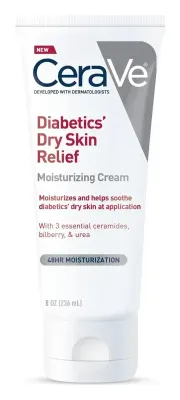 CeraVe Diabetics Dry Skin Relief Moisturizing CreamCheck price on Amazon
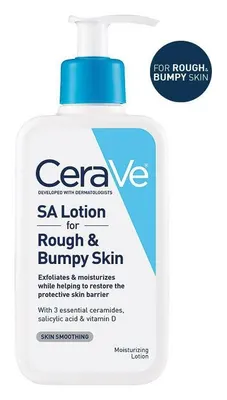 CeraVe SA Lotion for Rough & Bumpy SkinCheck price on Amazon
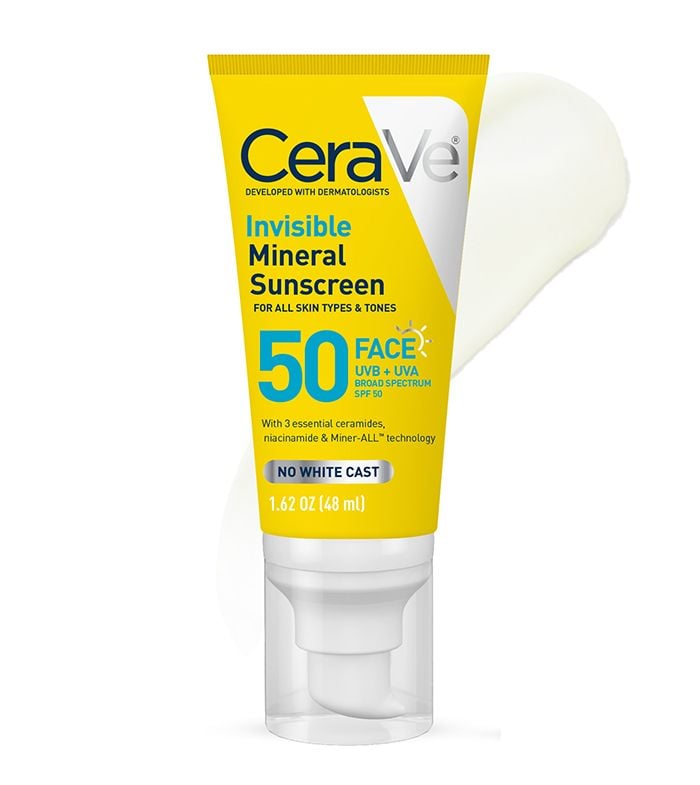
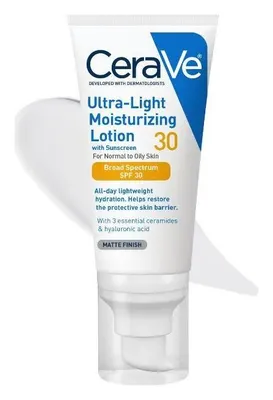
Daily Sunscreens & SPF Moisturizers (4)


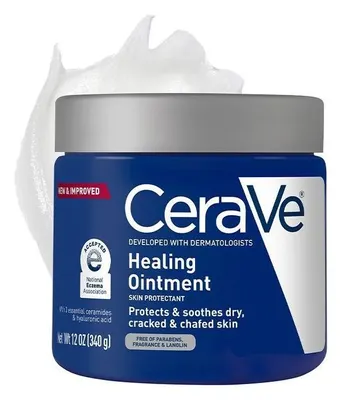
Skin Barrier Repair Creams & Recovery Jars (4)
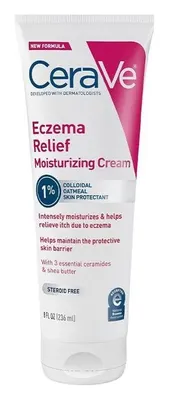
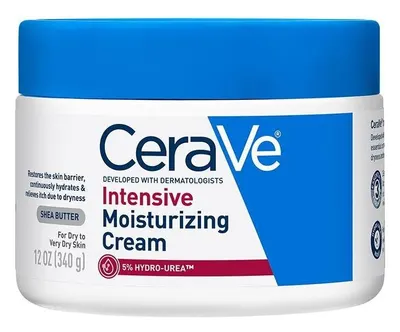
Daily Moisturizers & Water Gel Creams (3)
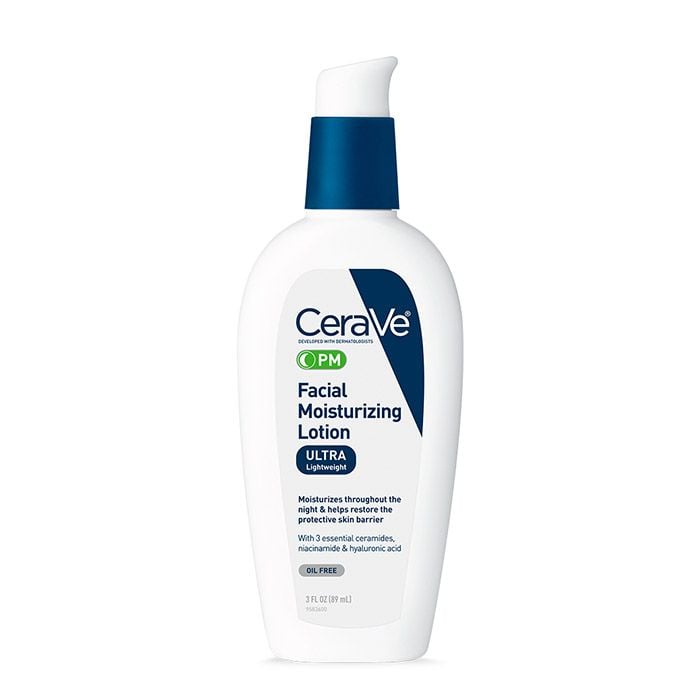
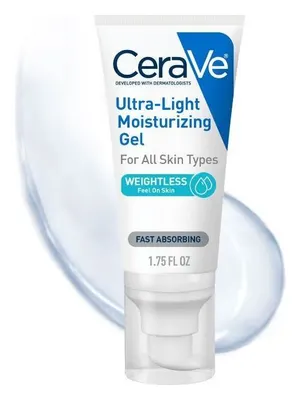
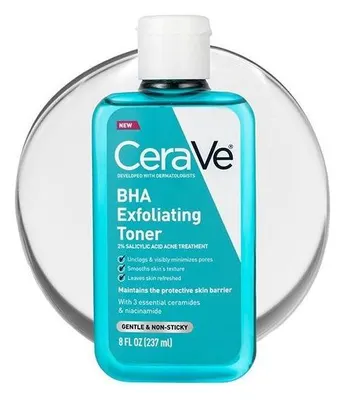
Dermatological Acne & Chemical Exfoliating Liquids (3)
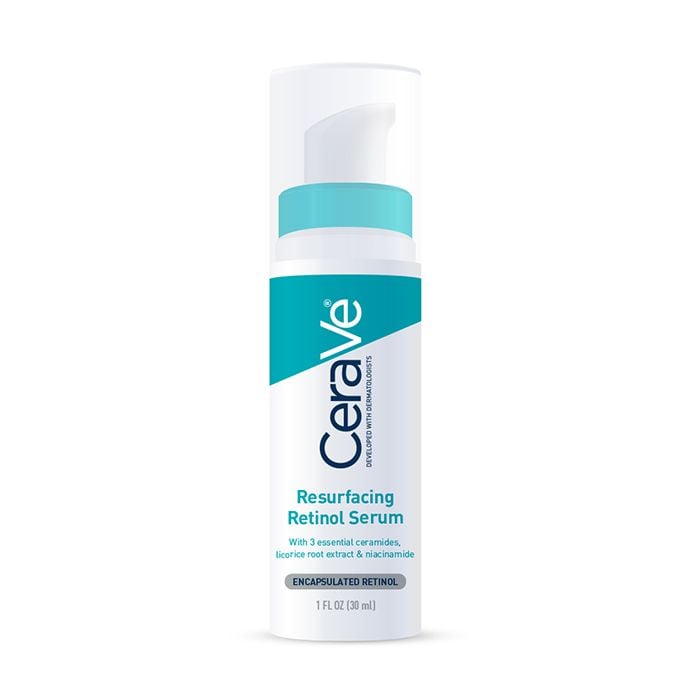
Anti-Aging & Retinoid Serums (3)
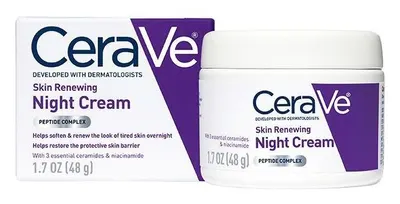
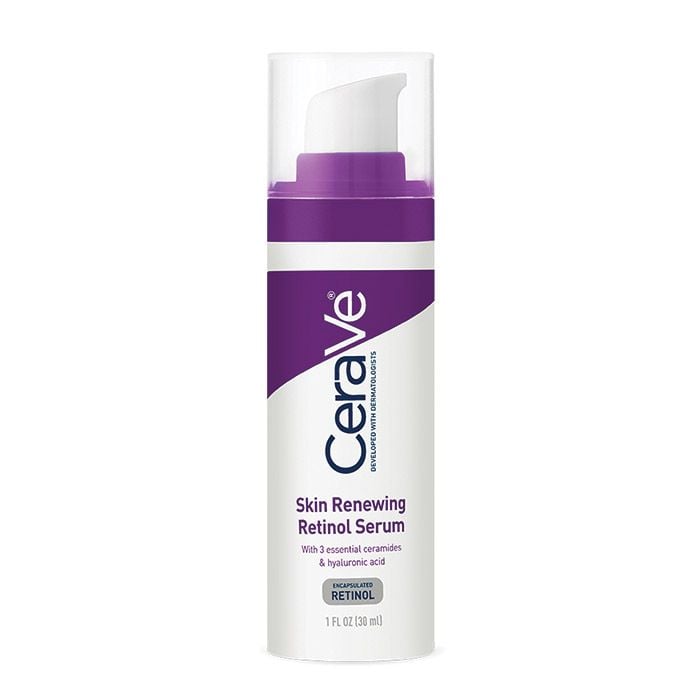
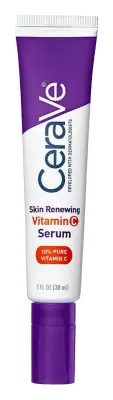
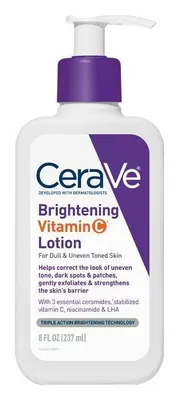
Targeted Vitamin C & Brightening Correctors (2)
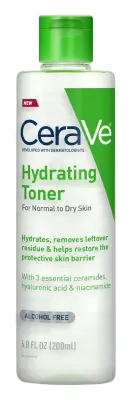
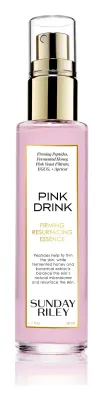
Hydrating Toners, Essence Waters & Face Mists (2)
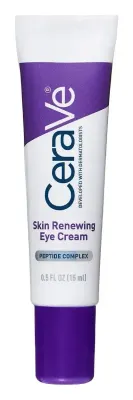
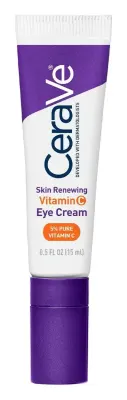
Eye Creams & Under-Eye Patches (2)
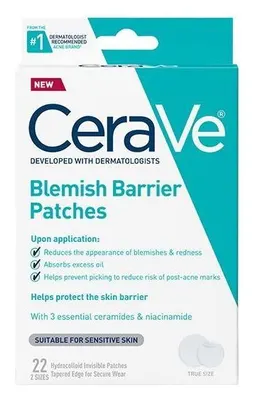
Pimple Patches & Overnight Spot Treatments (1)
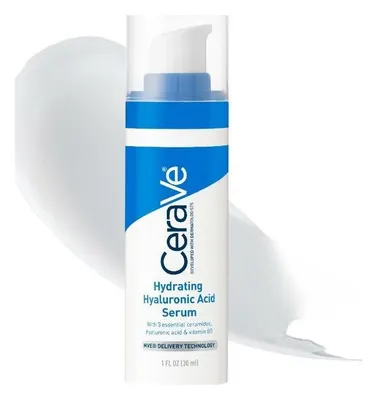
Hydrating Serums, Essences & Ampoules (1)
Common questions
Is sodium lauroyl lactylate the same as sodium lauryl sulfate?
No. The names look alike because both contain a lauric-acid-based chain, but they are different molecules. Sodium lauroyl lactylate pairs that chain with lactic acid units and is mostly used as an emulsifier, while sodium lauryl sulfate is a strong cleansing surfactant.
What does sodium lauroyl lactylate do in a moisturizer?
It helps oil and water stay mixed, so the cream keeps an even texture. It is usually one of several emulsifiers in the formula rather than the main one.
Is sodium lauroyl lactylate bad for your skin?
A cosmetic safety panel concluded it is safe as used when formulas are made to be non-irritating and non-sensitizing. Animal tests in that review showed it can be a weak sensitizer, so if you have very reactive skin, patch-test a new product first.
Is sodium lauroyl lactylate natural?
It is made by combining lauric acid, a fatty acid found in plant oils, with lactic acid and then forming the sodium salt. The starting materials can be plant-derived, but the ingredient itself is made in a lab.