Allantoin
What allantoin does in skincare, how it supports a soft and comfortable feel, who may like it, and what to pair it with.
Extremely safeIn 74 products we cover
We may earn a commission when you buy through links on this page. It never changes what we recommend.
What it is
Allantoin is a common cosmetic ingredient used to condition skin and improve the feel of a formula. It may be included in moisturizers, lotions, cleansers, and other products, often alongside humectants and emollients. Although its name sounds a little clinical, its everyday role in skincare is gentle and practical.
Allantoin is not an exfoliating acid, and it should not be confused with an active treatment for a skin condition. The way a product feels depends on its complete formula, how often you use it, and the rest of your routine.
What it does
- Conditions the skin. Allantoin is used to help leave skin feeling soft and comfortable.
- Supports a soothing feel. It is a familiar addition to products intended for dry or sensitive-feeling skin, though no ingredient can guarantee that a product will suit everyone.
- Makes a useful supporting player. Allantoin often works alongside moisturizing ingredients rather than serving as the only reason to choose a product.
Who it suits
Allantoin may appeal if you want a moisturizer or cleanser that emphasizes comfort, especially when your routine includes stronger active ingredients. It is common in products for a wide range of skin types. A good ingredient reputation, however, is not a promise about every finished formula. If you know you are sensitive to fragrance or other ingredients, read the complete label. Consider patch-testing a new product, particularly if your skin tends to react.
If a product causes ongoing discomfort, stop using it and consider getting advice from a dermatologist. Allantoin can be part of a cosmetic routine, but it is not a substitute for professional care for a persistent skin concern. You do not need to seek it out if your current moisturizer already keeps your skin comfortable.
What to pair it with, and what not to
Allantoin pairs easily with glycerin, panthenol, ceramides, and moisturizer. It can be used in the same routine as retinol or exfoliating acids, but keep those products within their directions and introduce them carefully. Allantoin is not a buffer that makes aggressive use of actives automatically comfortable. Apply sunscreen as directed during the day.
Skin Realist check: A good supporting ingredient does not have to headline the routine. Sometimes quiet is a perfectly respectable job description.
Quick picks with Allantoin
Scent-free, no patch-test flags on the label
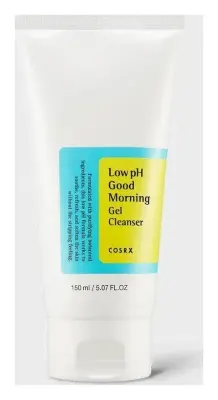
COSRX Low pH Good Morning Gel Cleanser
scent-free label
AmazonBrand lists it for sensitive skin
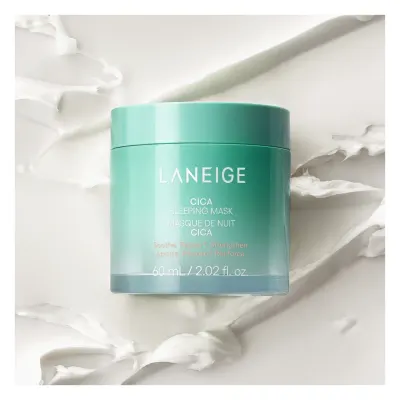
Laneige Cica Sleeping Mask with Centella Asiatica for Moisture Barrier Support
Centella asiatica, madecassoside, panthenol, squalane, niacinamide · normal, dry, combination, sensitive skin · scent-free label
AmazonBrand lists it for oily skin
Perricone MD High Potency Triple Retinol Renewal Serum
Triple retinol blend, coenzyme Q10, and beta-carotene · oily, dry, combination, sensitive, normal skin · scent-free label
Amazon

All 74 products with Allantoin
Daily Moisturizers & Water Gel Creams (14)
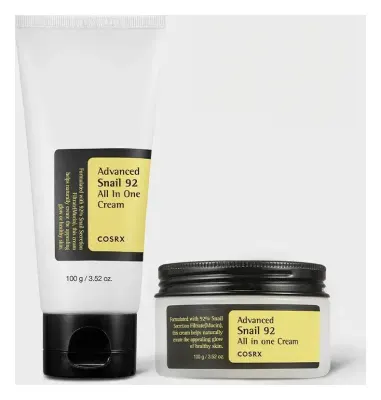 COSRX Advanced Snail 92 All in One CreamAmazon
 Dermalogica biolumin-c vitamin c gel moisturizerAmazon
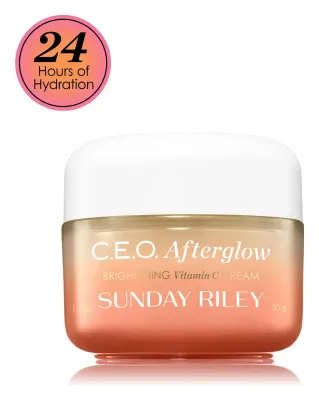 Sunday Riley C.E.O. Afterglow Brightening Vitamin C Gel CreamAmazon
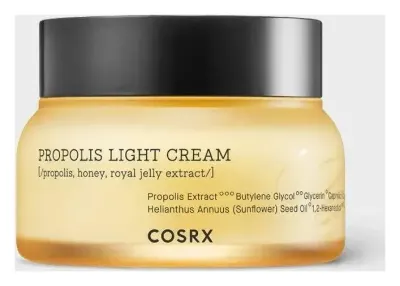 COSRX Full Fit Propolis Light CreamAmazon
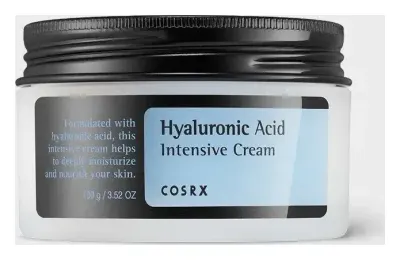 COSRX Hyaluronic Acid Intensive CreamAmazon
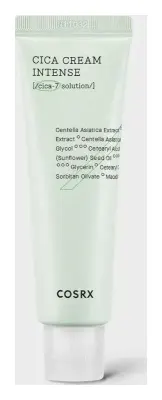 COSRX Pure Fit Cica Cream IntenseAmazon
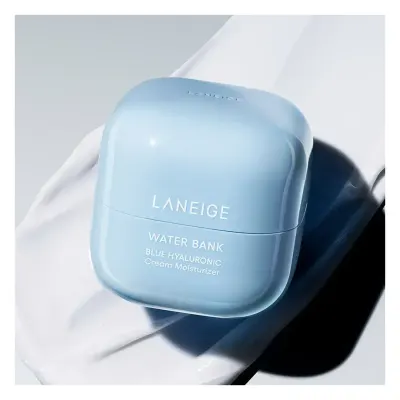 Laneige Water Bank Blue Hyaluronic Cream MoisturizerAmazon
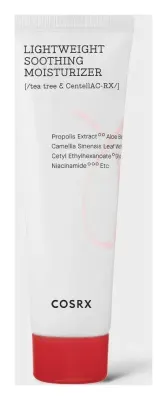 COSRX AC Collection Lightweight Soothing MoisturizerAmazon
 Sulwhasoo Essential Firming Cream EXAmazon
 Perricone MD High Potency Hyaluronic Intensive MoisturizerAmazon
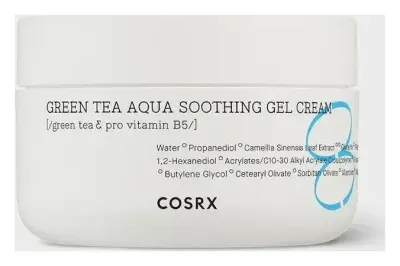 COSRX Hydrium Green Tea Aqua Soothing Gel CreamAmazon
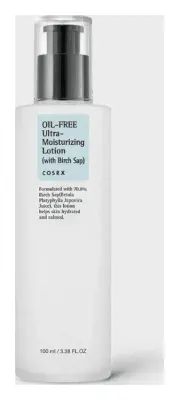 COSRX Oil-Free Ultra-Moisturizing Lotion with Birch SapAmazon
 Dermalogica pro-collagen banking water creamAmazon
 Elemis Pro-Collagen Morning MatrixAmazon
Eye Creams & Under-Eye Patches (10)
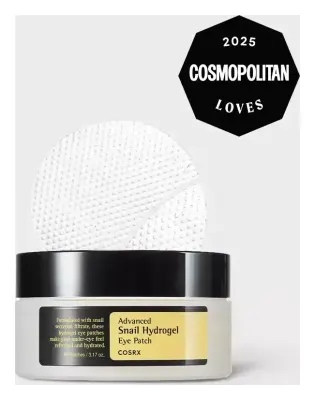 COSRX Advanced Snail Hydrogel Eye PatchAmazon
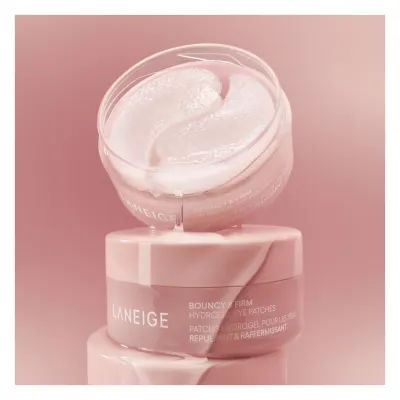 Laneige Bouncy & Firm Hydrogel Eye PatchesAmazon
 Dermalogica phyto nature lifting eye creamAmazon
 COSRX 5 PDRN Collagen Vitalizing Hydrogel Eye PatchAmazon
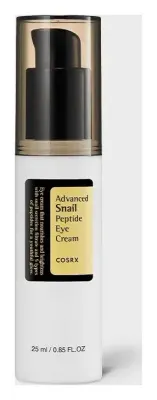 COSRX Advanced Snail Peptide Eye CreamAmazon
 Perricone MD High Potency Triple Retinol Renewal Eye SerumAmazon
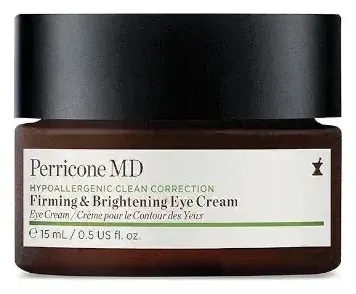 Perricone MD Hypoallergenic Clean Correction Firming & Brightening Eye CreamAmazon
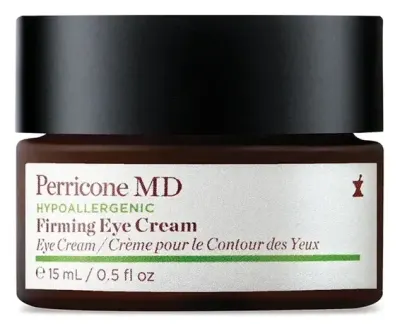 Perricone MD Hypoallergenic Firming Eye CreamAmazon
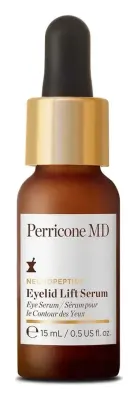 Perricone MD Neuropeptide Eyelid Lift SerumAmazon
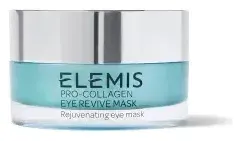 Elemis Pro-Collagen Eye Revive MaskAmazon
Hydrating Serums, Essences & Ampoules (7)
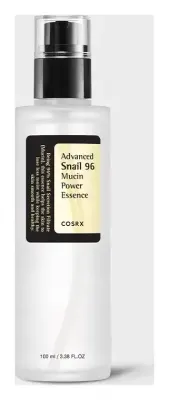 COSRX Advanced Snail 96 Mucin Power EssenceAmazon
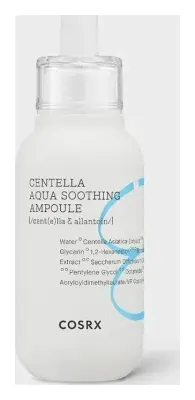 COSRX Hydrium Centella Aqua Soothing AmpouleAmazon
 COSRX The 6 Peptide Skin Booster SerumAmazon
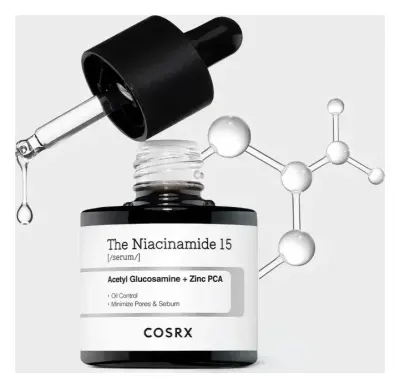 COSRX The Niacinamide 15 SerumAmazon
 COSRX 5 PDRN Collagen Intense Vitalizing SerumAmazon
 COSRX Advanced Snail Radiance Dual EssenceAmazon
 Jane Iredale HydroPure Color Correcting Serum with Hyaluronic Acid & CoQ10Amazon
Dermatological Acne & Chemical Exfoliating Liquids (6)
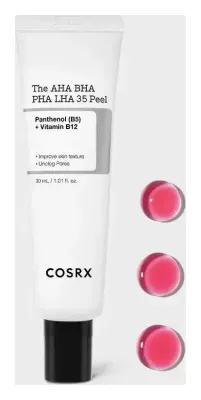
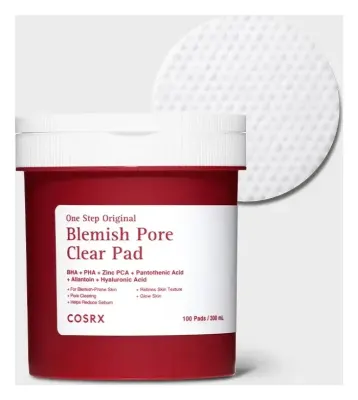
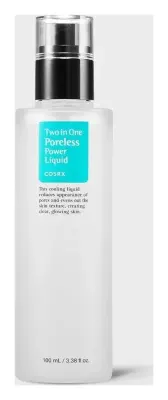
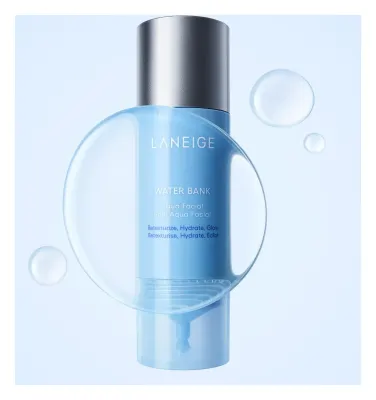
Premium Overnight Recovery Packs & Sleeping Facials (5)

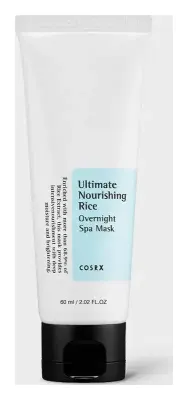

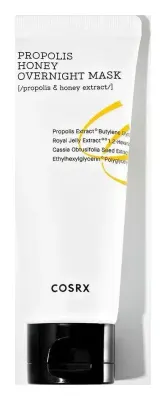
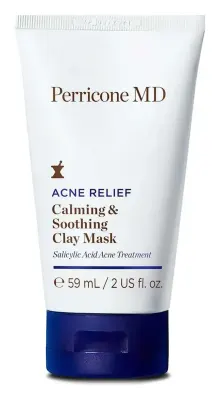
Sheet, Hydrogel & Clay Masks (5)

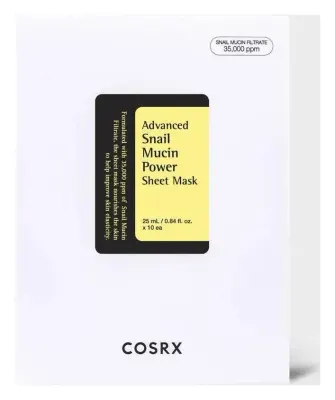


Targeted Vitamin C & Brightening Correctors (4)
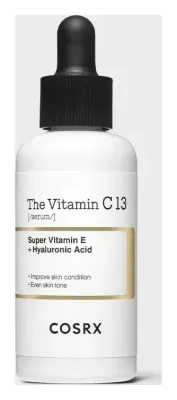
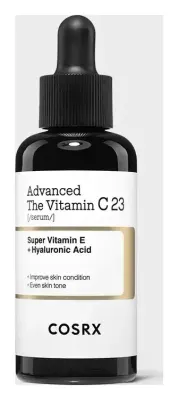
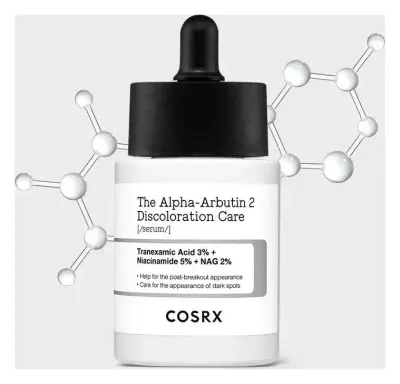

Anti-Aging & Retinoid Serums (4)



Gel, Foam & Cream Facial Cleansers (4)
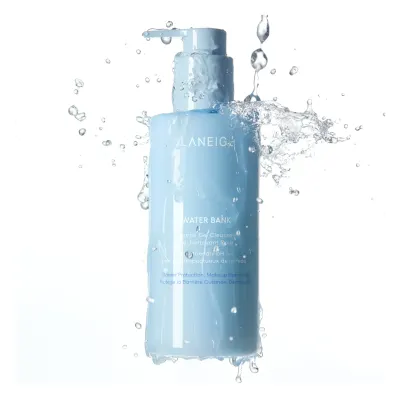
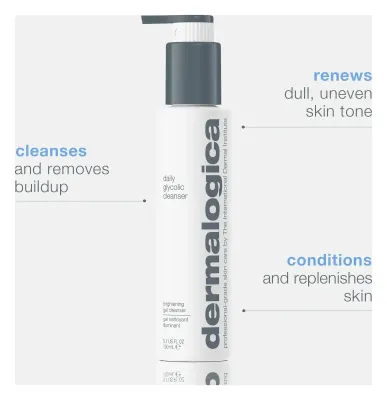

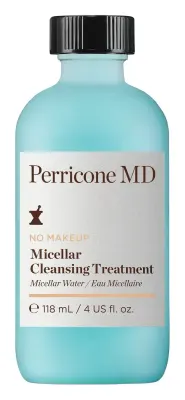
Hydrating Toners, Essence Waters & Face Mists (3)
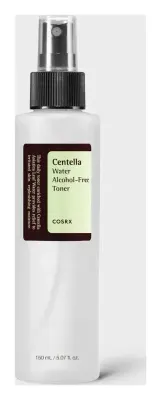
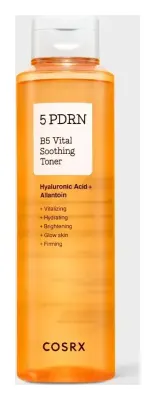

Skin Barrier Repair Creams & Recovery Jars (2)
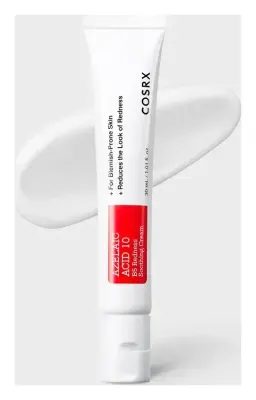

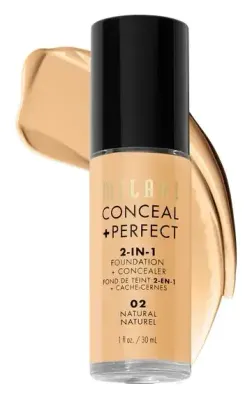
Full-Coverage Camouflage & Liquid Foundations (2)
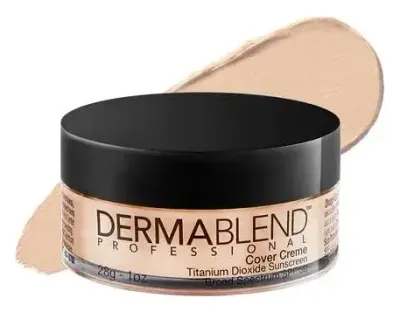
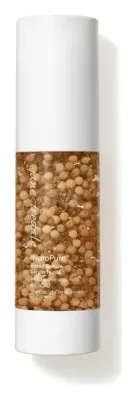
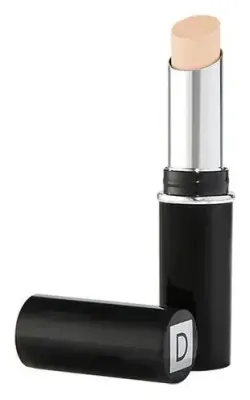
High-Definition Camouflage Concealers (2)
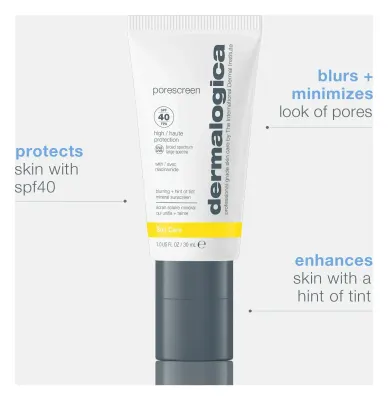
Daily Sunscreens & SPF Moisturizers (2)

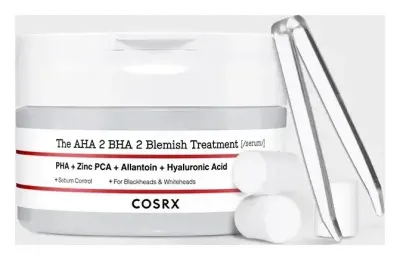
Cream & Gel Treatment Masks (2)


Premium Double-Cleansing Balms & Melting Gels (1)
Pimple Patches & Overnight Spot Treatments (1)
Common questions
What does allantoin do in skincare?
Allantoin is a skin-conditioning ingredient used to help leave skin feeling soft and comfortable. It often appears in moisturizers and formulas intended for dry or sensitive-feeling skin.
Is allantoin good for sensitive skin?
Allantoin is generally considered a gentle cosmetic ingredient, but a finished product can contain other ingredients some people find irritating. Patch-test a new formula if your skin is reactive.
Can you use allantoin with retinol?
Yes. Allantoin can be used in the same routine as retinol, often in a moisturizer. It cannot guarantee that retinol will not irritate your skin, so use retinol as directed.
Is allantoin an exfoliating acid?
No. Allantoin is not an exfoliating acid. It is used primarily as a skin-conditioning ingredient, despite the similar-sounding chemical name.