Cetearyl Alcohol
What cetearyl alcohol does in skincare, why it is not a drying alcohol, and how it helps creams feel smooth and substantial.
Extremely safeIn 69 products we cover
We may earn a commission when you buy through links on this page. It never changes what we recommend.
Quick facts
- INCI name
- Cetearyl Alcohol
- Origin
- Plant-derived or Animal-derived or Synthetic
- Chemical class
- Fatty alcohol blend
- What it does in a formula
- emollient, emulsion stabilizing, viscosity controlling
- Why it is in the formula
- Usually used to thicken and stabilize creams while giving them a soft, cushioned feel.
What it is
Despite containing the word alcohol, cetearyl alcohol is a waxy fatty alcohol rather than a volatile drying alcohol. Usually composed of a blend of cetyl and stearyl alcohols, it is solid at room temperature and imparts a rich, cushiony texture to creams and lotions. It shares none of the fast-drying properties of alcohol denat., functioning instead as an emollient and stabilizer.
Cetearyl alcohol can come from fatty acids sourced from plant oils, such as coconut or palm, from animal fats, or from synthetic production. The ingredient label rarely says which route was used, and the exact source can vary by manufacturer. It appears in creams, lotions, conditioners, and cleansing products. Here it usually helps give a product a thicker texture and a soft, creamy finish.
What it does
- Thickens the formula. The waxy material adds body, helping a lotion feel less watery and making a cream hold its shape.
- Supports emulsions. It helps stabilize mixtures of oil and water so a cream can stay uniform during normal storage and use.
- Softens skin. As an emollient, it contributes to a smooth, less rough-feeling surface.
- Improves product feel. It can make a formula feel rich and cushiony without being the featured active ingredient.
Who it suits
Cetearyl alcohol can appear in products for many skin types. It is a fatty alcohol, not the same ingredient type as alcohol denat.. The feel of the finished cream depends on its full formula. If you have a known sensitivity or recurring irritation, review the whole label and ask a dermatologist.
What to pair it with, and what not to
There is no special active to pair with cetearyl alcohol. It is part of a cream’s texture and structure, and it can sit alongside humectants such as glycerin or emollients such as squalane. Choose the overall formula for the way you want it to feel. If a cream is too heavy, switching to a lighter product is more useful than trying to counteract one helper ingredient with another.
Skin Realist check: The word alcohol is doing a poor job of introducing this ingredient. A label can be chemically precise and still sound a little alarming.
Quick picks with Cetearyl Alcohol
Scent-free, no patch-test flags on the label
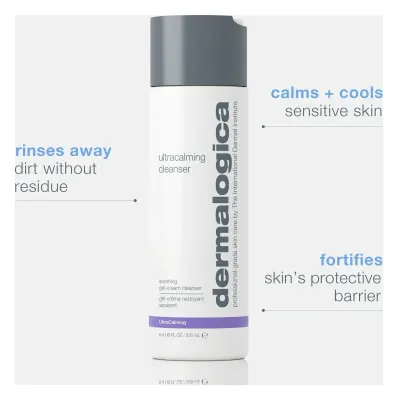
Dermalogica ultracalming cleanser
Panthenol, cucumber fruit extract, raspberry fruit extract · normal, dry, sensitive skin · scent-free label
AmazonBrand lists it for sensitive skin
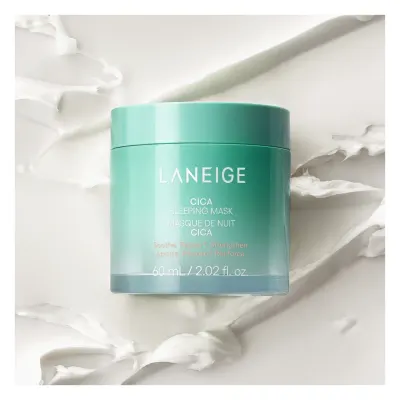
Laneige Cica Sleeping Mask with Centella Asiatica for Moisture Barrier Support
Centella asiatica, madecassoside, panthenol, squalane, niacinamide · normal, dry, combination, sensitive skin · scent-free label
AmazonBrand lists it for oily skin
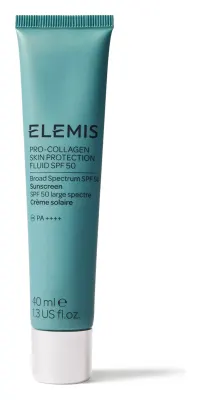
Elemis Pro-Collagen Skin Protection Fluid SPF 50
Padina pavonica, collagen amino acids, leuconostoc/radish root ferment filtrate · combination, dry, normal, oily, sensitive skin · scent-free label
Amazon
All 69 products with Cetearyl Alcohol
Daily Moisturizers & Water Gel Creams (22)
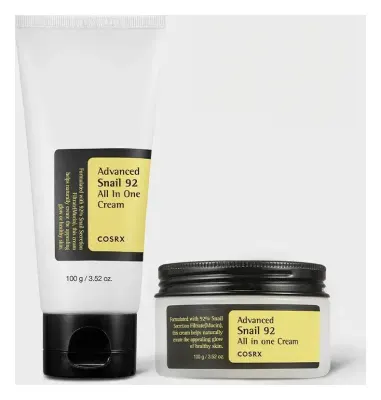 COSRX Advanced Snail 92 All in One CreamAmazon
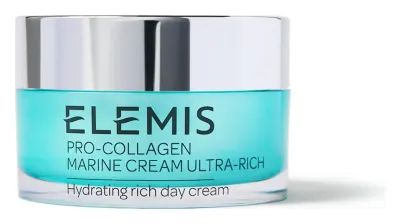 Elemis Pro-Collagen Marine Cream Ultra-RichAmazon
 Sulwhasoo Concentrated Ginseng Rejuvenating CreamAmazon
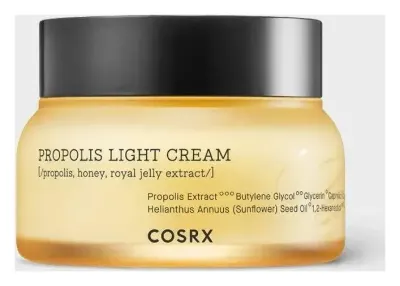 COSRX Full Fit Propolis Light CreamAmazon
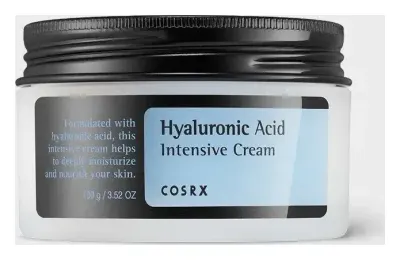 COSRX Hyaluronic Acid Intensive CreamAmazon
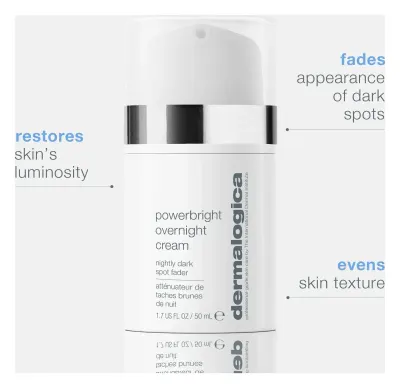 Dermalogica powerbright overnight creamAmazon
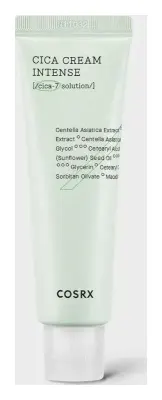 COSRX Pure Fit Cica Cream IntenseAmazon
 Dermalogica skin smoothing cream moisturizerAmazon
 COSRX The Blue Peptide Bakuchiol Plump Bounce CreamAmazon
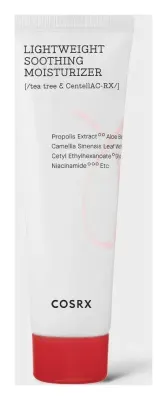 COSRX AC Collection Lightweight Soothing MoisturizerAmazon
 Perricone MD Cold Plasma Plus+ Advanced Hydrating ComplexAmazon
 Sulwhasoo Concentrated Ginseng Rejuvenating Cream RichAmazon
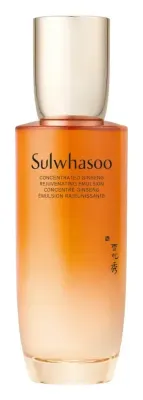 Sulwhasoo Concentrated Ginseng Rejuvenating EmulsionAmazon
 Sulwhasoo Essential Firming Cream EXAmazon
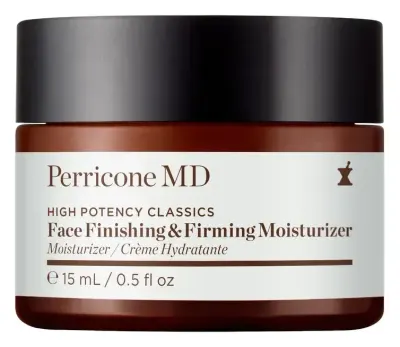 Perricone MD High Potency Classics Face Finishing & Firming MoisturizerAmazon
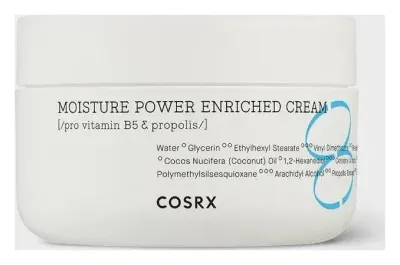 COSRX Hydrium Moisture Power Enriched CreamAmazon
 Dermalogica multivitamin power recovery creamAmazon
 Perricone MD Neuropeptide Pro-Strength Firming MoisturizerAmazon
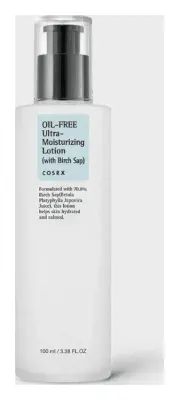 COSRX Oil-Free Ultra-Moisturizing Lotion with Birch SapAmazon
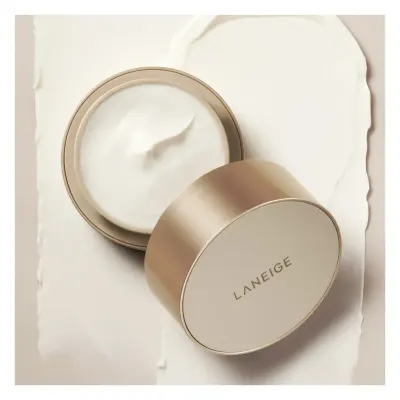 Laneige Perfect Renew 3x Cream AdvancedAmazon
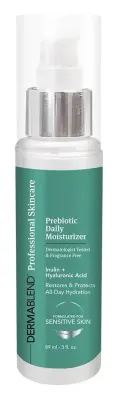 Dermablend Prebiotic Daily MoisturizerAmazon
 Elemis Superfood Glow Priming MoisturiserAmazon
Eye Creams & Under-Eye Patches (9)
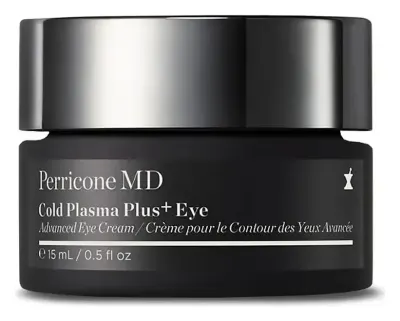 Perricone MD Cold Plasma Plus+ Advanced Eye CreamAmazon
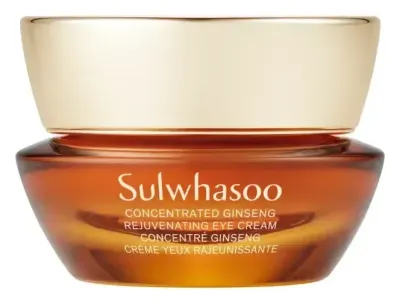 Sulwhasoo Concentrated Ginseng Rejuvenating Eye CreamAmazon
 Dermalogica phyto nature lifting eye creamAmazon
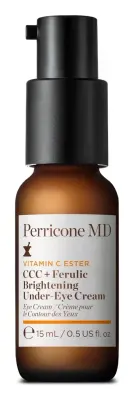 Perricone MD Vitamin C Ester CCC + Ferulic Brightening Under-Eye CreamAmazon
 Sulwhasoo First Care Activating Eye SerumAmazon
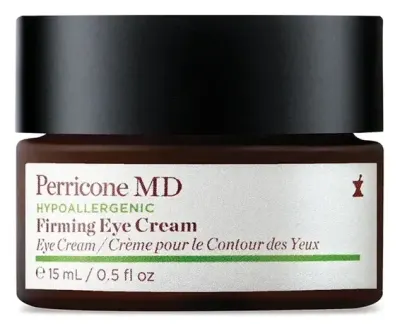 Perricone MD Hypoallergenic Firming Eye CreamAmazon
 Perricone MD Neuropeptide Corrective Brightening Under-Eye CreamAmazon
 Perricone MD No Makeup Instant Blur Priming Eye CreamAmazon
 Laneige Water Bank Blue Hyaluronic Eye CreamAmazon
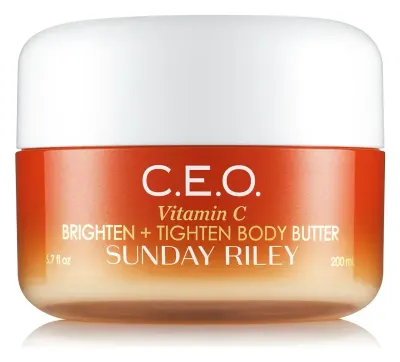
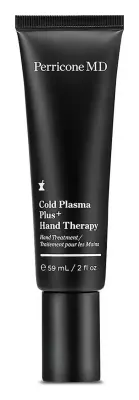
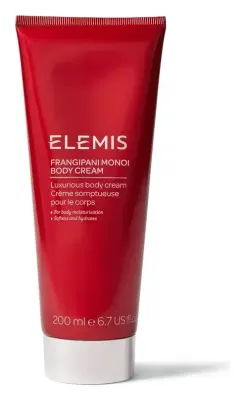
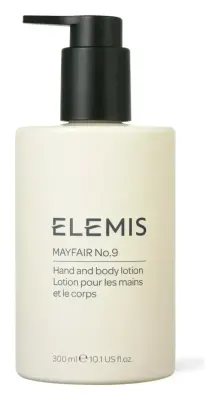
Body Creams, Butters & Body Oils (6)
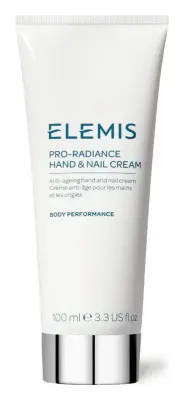
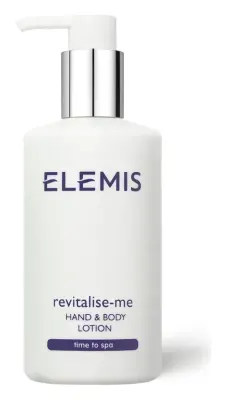
Skin Barrier Repair Creams & Recovery Jars (5)
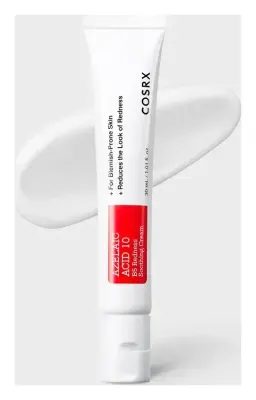
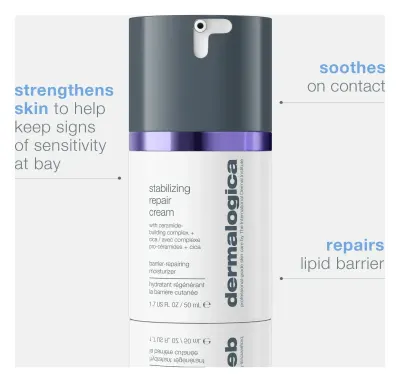

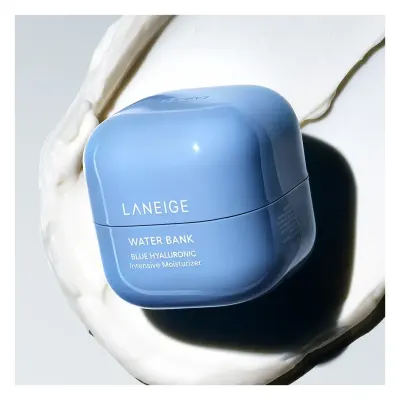
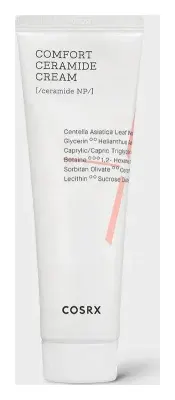
Anti-Aging & Retinoid Serums (5)



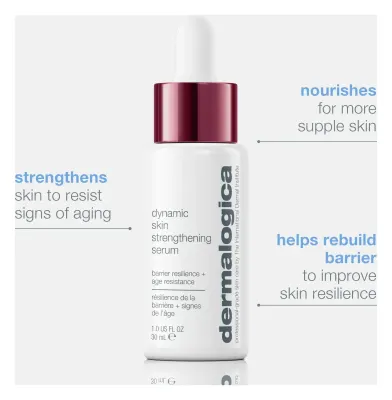

Premium Overnight Recovery Packs & Sleeping Facials (3)

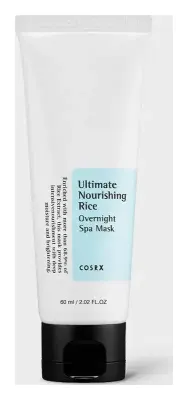
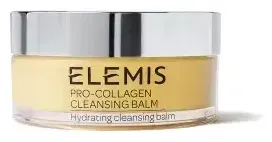
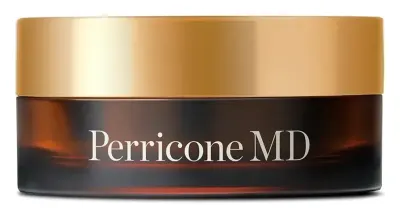
Premium Double-Cleansing Balms & Melting Gels (3)
Sheet, Hydrogel & Clay Masks (3)



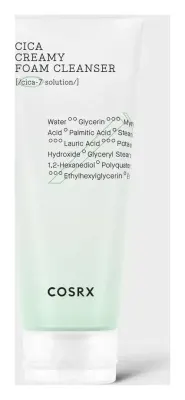
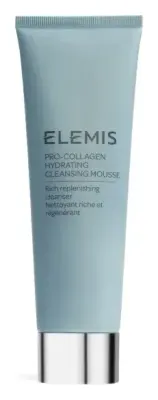
Gel, Foam & Cream Facial Cleansers (2)
Pimple Patches & Overnight Spot Treatments (2)
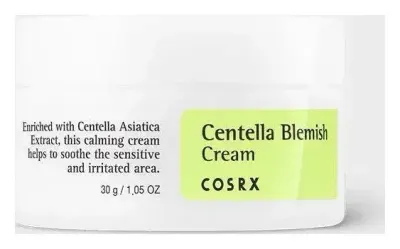
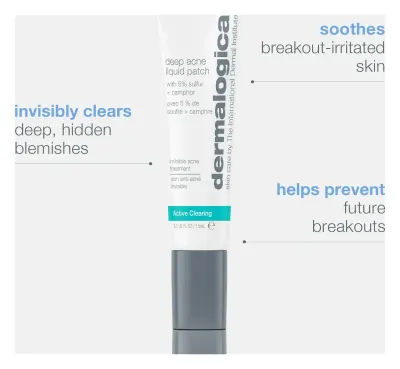
Hydrating Serums, Essences & Ampoules (2)
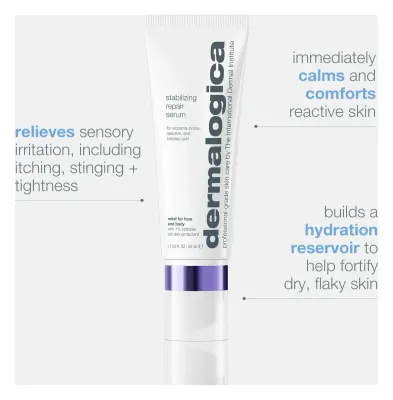
Targeted Vitamin C & Brightening Correctors (2)
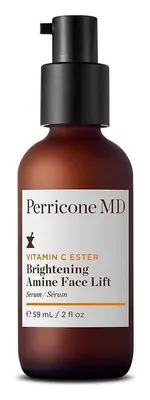

Dermatological Acne & Chemical Exfoliating Liquids (1)
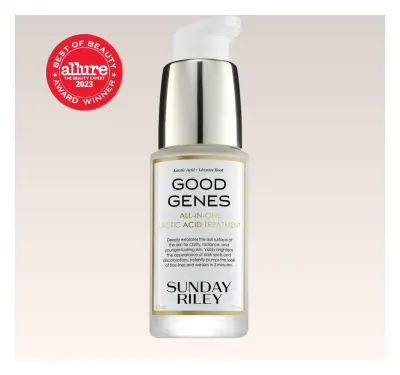
Daily Sunscreens & SPF Moisturizers (1)
Cream & Gel Treatment Masks (1)
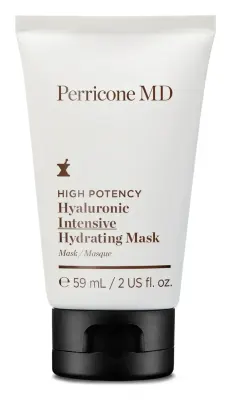
Mineral Pressed Powders & Skin-Nourishing Primers (1)

Hydrating Toners, Essence Waters & Face Mists (1)

Common questions
Is cetearyl alcohol a drying alcohol?
No. Cetearyl alcohol is a fatty alcohol, a waxy material that helps soften and thicken creams. It is different from volatile alcohols such as alcohol denat., which can feel drying in some formulas.
What does cetearyl alcohol do in moisturizer?
It helps give creams body, supports the oil-and-water emulsion, and contributes an emollient feel. It is a supporting ingredient, not the reason to buy a product.
Is cetearyl alcohol natural?
It can be made from fatty materials sourced from plants or animals, or produced synthetically. The label usually does not identify the source, so ask the manufacturer if origin matters to you.
Can cetearyl alcohol irritate skin?
Most people use products containing fatty alcohols without a problem, but individual reactions are possible. If a cream repeatedly causes irritation, consider the complete formula and discuss recurring symptoms with a dermatologist.