Coconut Acid
What coconut acid does in shave creams and cleansers, how it becomes soap in the formula, and who might find it drying.
No specific flag recordedIn 9 products we cover
We may earn a commission when you buy through links on this page. It never changes what we recommend.
Quick facts
- INCI name
- Coconut Acid
- Origin
- Plant-derived
- Chemical class
- Mixture of fatty acids from coconut oil
- What it does in a formula
- surfactant, cleansing
- Why it is in the formula
- Reacts with a base in the formula to form soap, which gives shave creams and cleansers their lather.
- Regulatory notes
- The Cosmetic Ingredient Review panel first found coconut acid safe in 1986, and its 2008 amended assessment concluded coconut oil and related coconut-derived ingredients, including coconut acid, are safe as cosmetic ingredients.
What is Coconut Acid?
Coconut acid is the blend of fatty acids made by splitting coconut oil. Coconut oil itself is made of triglycerides, fats built from three fatty acids joined to glycerin. Breaking those apart frees the fatty acids, and that mix is sold as coconut acid. Coconut oil is about half lauric acid, with myristic acid next, so coconut acid is rich in those shorter-chain fatty acids.
On the products we cover, coconut acid shows up mostly in shave creams and soaps, plus some face washes, exfoliating cleansers and a cleansing balm. Hydrogenated coconut acid, a version treated to make it more saturated and stable, is covered here too.
What does Coconut Acid do?
- Becomes soap. In soap-based products it’s paired with a base such as potassium hydroxide or sodium hydroxide. The two react in the formula to form soap.
- Cleans and lathers. The safety review lists it as a cleansing surfactant, used mainly in soaps, detergents and shaving creams.
The label lists the starting ingredients, not the finished soap, which is why you see an acid and a strong base side by side.
Who is Coconut Acid for?
It suits people who like a rich, foamy shave cream or a classic soap-based cleanser. The safety review concluded coconut acid is safe as a cosmetic ingredient. In its human tests, soaps made from coconut fatty acids ranged from very minimal to moderate irritation.
Soap-based cleansers clean thoroughly, and some people with dry or sensitive skin find they leave skin feeling tight. If that’s you, rinse soon after lathering, use lukewarm water and follow with a moisturizer, or compare it with a cleanser built on milder synthetic surfactants.
What to pair Coconut Acid with, and what to avoid
There’s nothing to pair in the formula beyond what the maker already added. After shaving or washing with a soap-based product, follow with a moisturizer or aftershave balm. The shave routine guide covers the steps.
How it appears on labels: Coconut Acid; Hydrogenated Coconut Acid
Quick picks with Coconut Acid
Best fragrance-free pick
No scent or sensitivity flags recorded in our glossary
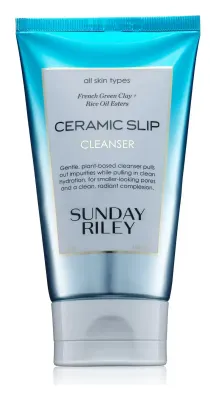
Sunday Riley Ceramic Slip Cleanser
no scent flags recorded
Best for oily skin
Brand lists it for oily skin
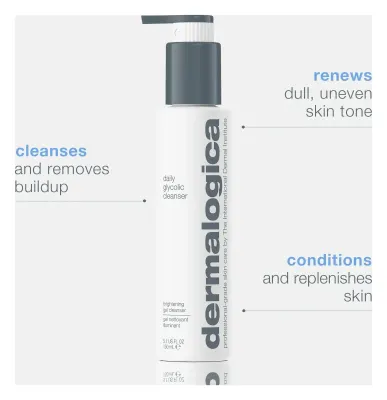
Dermalogica Daily Glycolic Cleanser
Glycolic acid, jojoba seed oil and calendula extract · normal, combination, oily skin · scent ingredients flagged
Best for dry skin
Brand lists it for dry skin
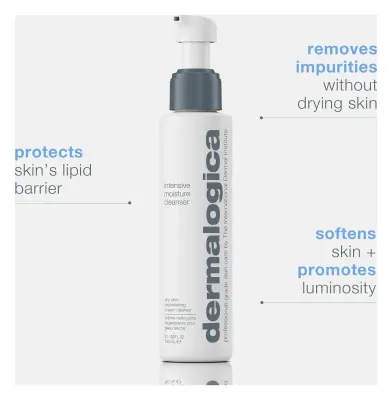
Dermalogica Intensive Moisture Cleanser
Ceramide NP, phytosterols, shea butter, murumuru seed butter, and conditioning oils · dry, normal skin · scent ingredients flagged
All 9 products with Coconut Acid
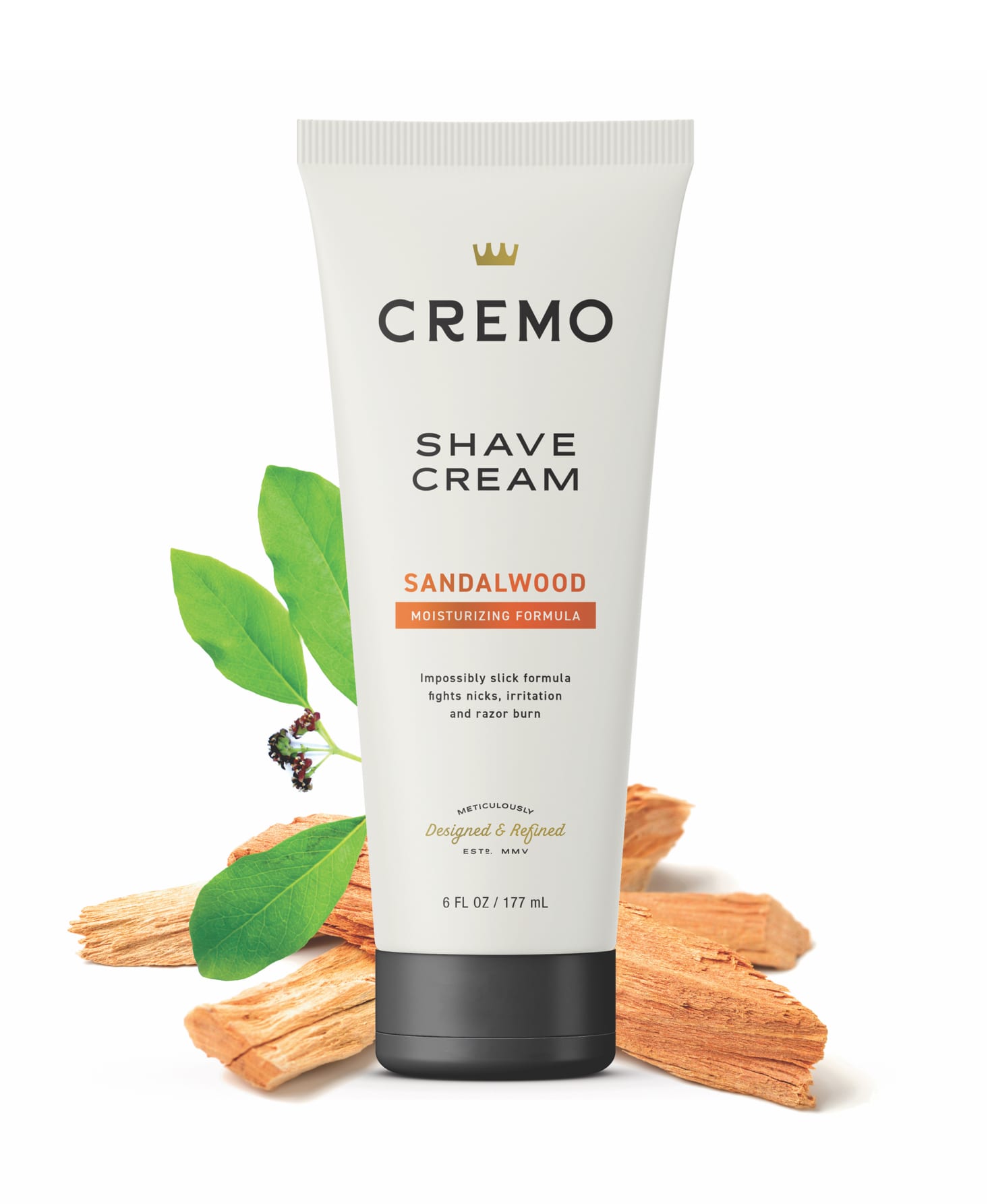
Shaving Creams, Gels & Oils (5)
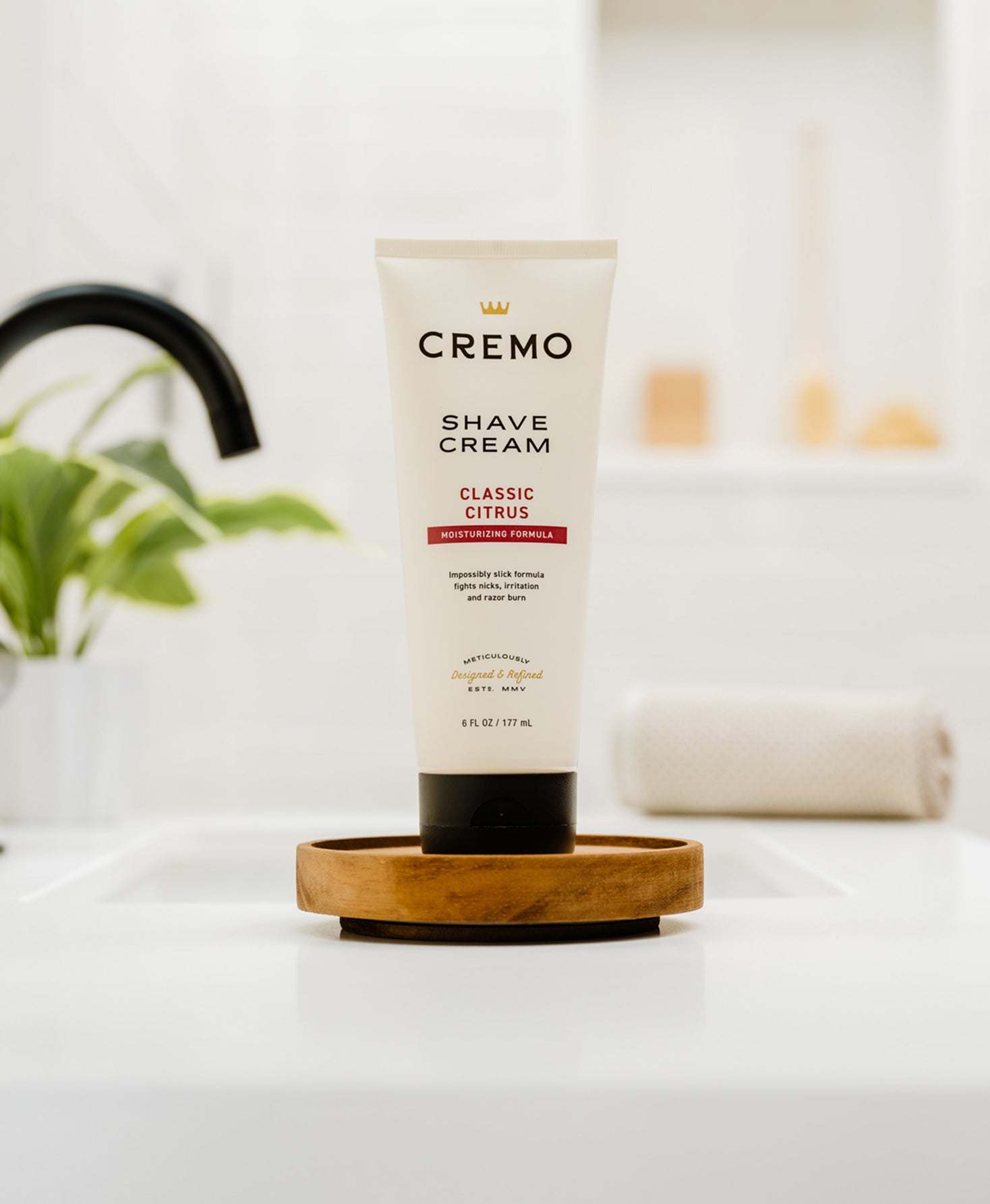
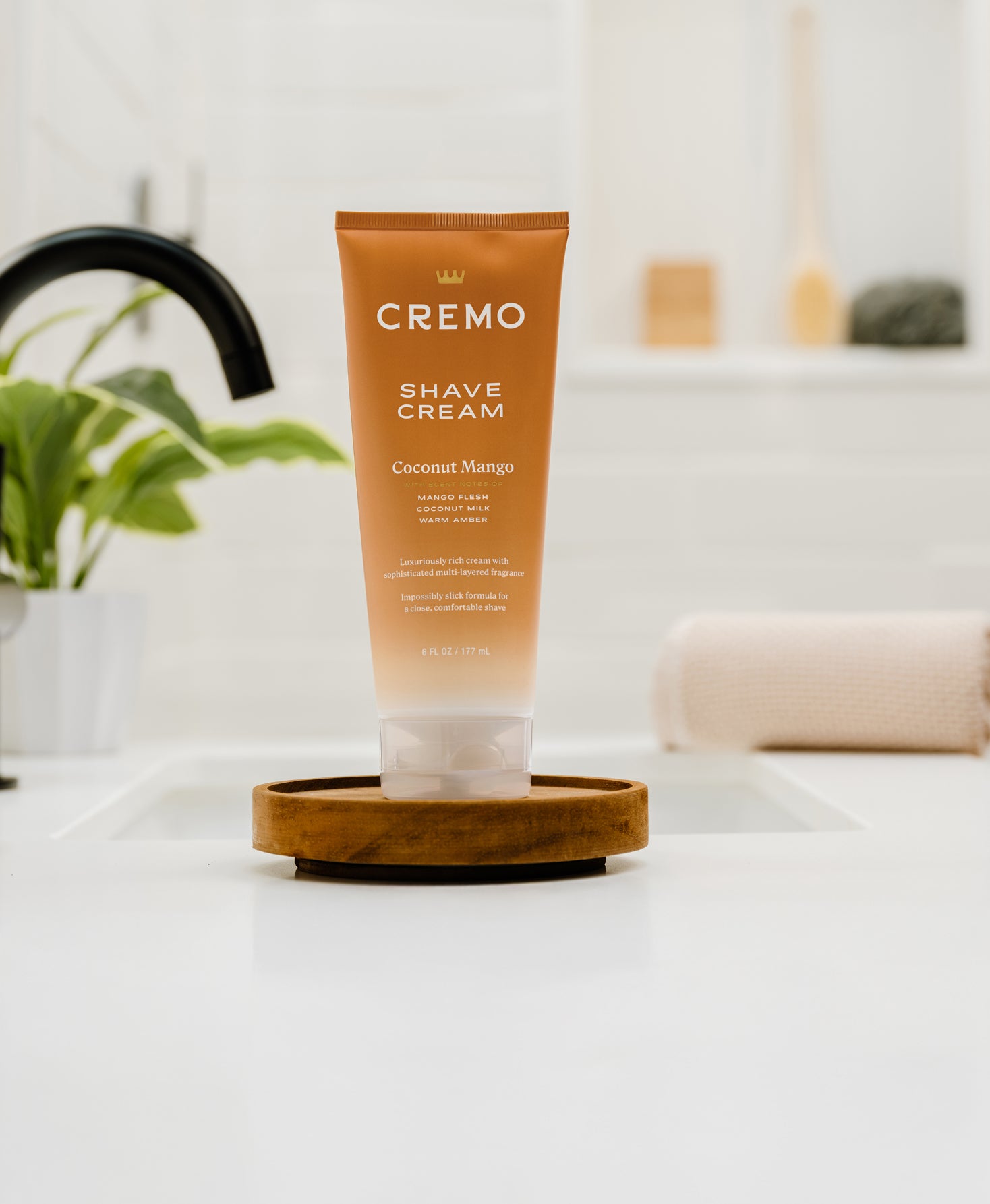
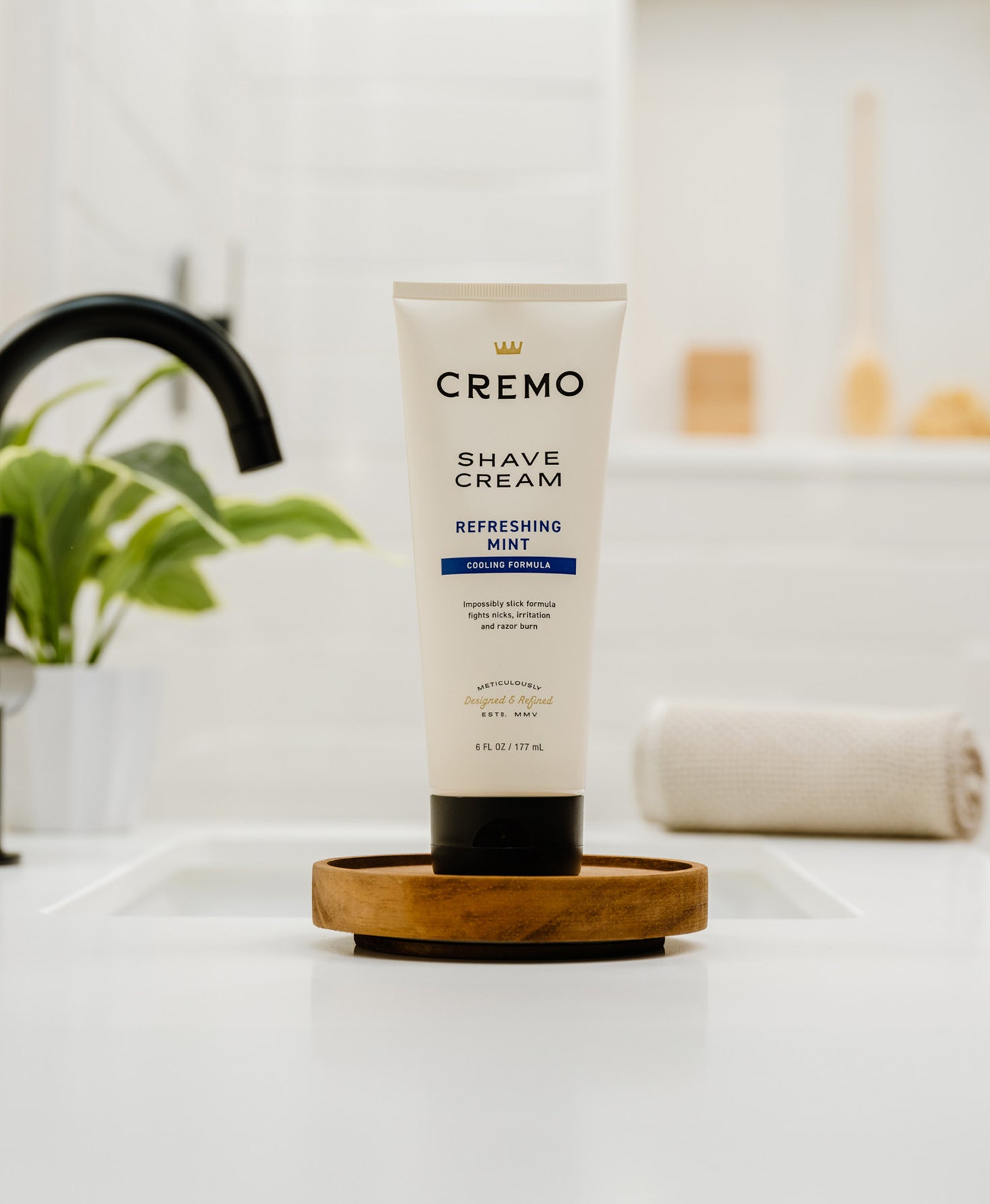
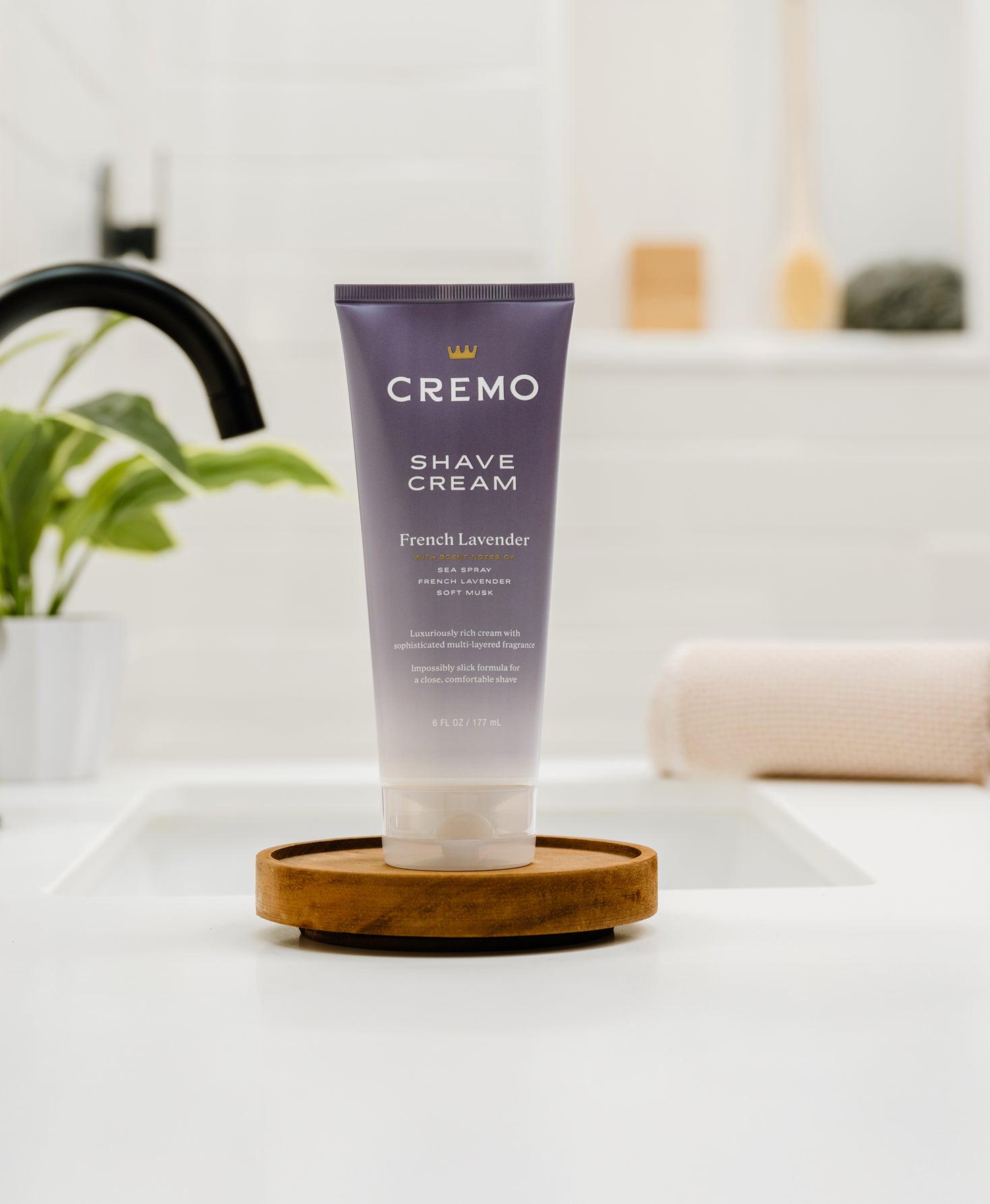
Gel, Foam & Cream Facial Cleansers (2)
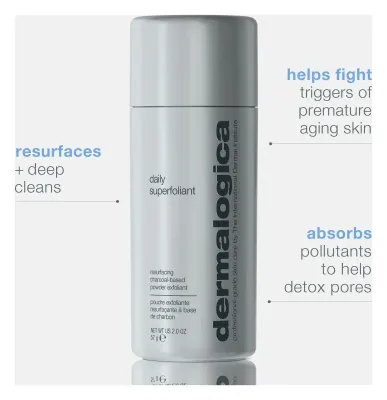
Physical & Enzyme Face Exfoliants (1)
Double-Cleansing Balms & Melting Gels (1)
Common questions
What is coconut acid?
It's the mix of fatty acids you get from coconut oil. Coconut oil is about half lauric acid, a shorter-chain fatty acid, which is why it lathers so readily once it's turned into soap.
Is coconut acid the same as coconut oil?
No. Coconut oil is made of fats called triglycerides. Coconut acid is the free fatty acids released from those fats. In a cleanser or shave cream, it usually reacts with a base to become soap.
Is coconut acid drying?
It can be for some people. Once it's turned into soap, it cleans well and lathers richly, and strong soaps can leave dry or sensitive skin feeling tight. How much you notice depends on the whole formula and how long it stays on your skin.
Is coconut acid an exfoliating acid?
No. It's a fatty acid, not an alpha or beta hydroxy acid. Its job is to form soap and help with cleansing, not to exfoliate.