PHAs (Gluconolactone and Lactobionic Acid)
What polyhydroxy acids do in skincare, how gluconolactone and lactobionic acid compare, and what to pair with them.
Probably fineIn 22 products we cover
We may earn a commission when you buy through links on this page. It never changes what we recommend.
What it is
Polyhydroxy acids, or PHAs, are a group of exfoliating ingredients that includes gluconolactone and lactobionic acid. They are related to alpha hydroxy acids, but their molecular structures are larger. This is often associated with a more gradual, surface-focused feel, though no ingredient family can promise that a product will be irritation-free.
Both gluconolactone and lactobionic acid are used in leave-on products such as toners, serums and moisturizers. They can act as humectants as well as exfoliants, helping attract water to the outer layers of skin. The finished formula and directions still matter, so start with how the product is meant to be used rather than assuming all PHAs are alike.
What it does
- Gently exfoliates the surface. PHAs help loosen dead skin cells and may make rough texture look smoother over time.
- Brightens the look of skin. Consistent use may improve the appearance of dullness and uneven tone.
- Adds humectant support. Gluconolactone and lactobionic acid can help skin hold water, which may make them comfortable additions to some formulas.
- Can still cause irritation. Redness, stinging, dryness or flaking are possible, particularly if you overuse them or combine them with other active products.
Who it suits
PHAs may appeal to someone interested in a surface exfoliant who wants to consider an option often described as gentler than AHAs. They are not guaranteed to suit sensitive skin, and they are not essential for everyone. If you are new to exfoliation, choose one product and use it sparingly at first. People with persistent skin irritation or a skin condition should ask a dermatologist for advice rather than trying to exfoliate their way through it.
What to pair it with, and what not to
Use one PHA product according to its directions, then follow with a moisturizer. Hyaluronic acid can be a compatible hydrating step if it suits your skin. Use sunscreen as directed during the day while using exfoliating acids.
Avoid over-layering PHAs with glycolic acid, lactic acid or salicylic acid when you are starting out. A retinoid can also make a busy active routine harder to tolerate. Add products one at a time, patch-test first and back off if irritation persists. A simple routine is a valid routine.
Skin Realist check: An acid with a softer reputation is still an acid. You can take it slowly, and you do not have to earn your moisturizer by exfoliating first.
How it appears on labels: Gluconolactone; Lactobionic Acid
Quick picks with PHAs
Scent-free, no patch-test flags on the label
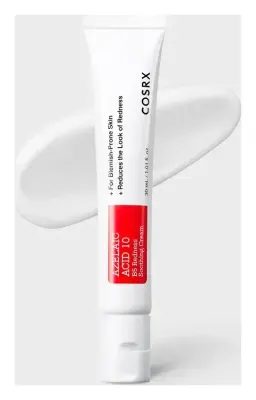
COSRX Azelaic Acid 10 B5 Redness Soothing Cream
Azelaic Acid 10% · scent-free label
AmazonBrand lists it for sensitive skin
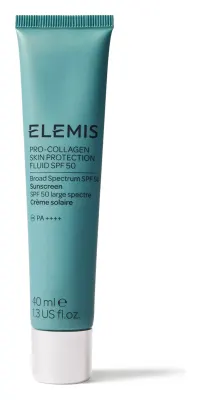
Elemis Pro-Collagen Skin Protection Fluid SPF 50
Padina pavonica, collagen amino acids, leuconostoc/radish root ferment filtrate · combination, dry, normal, oily, sensitive skin · scent-free label
AmazonBrand lists it for oily skin
Dermalogica biolumin-c heat aging protector spf50
Ultra-stable vitamin C complex, ThermaRadiance Complex, Physalis, vitamin E, safflower oleosomes · combination, dry, normal, oily, sensitive skin · scented
Amazon

All 22 products with PHAs
Dermatological Acne & Chemical Exfoliating Liquids (6)
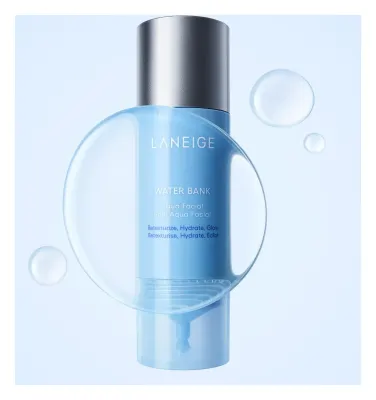

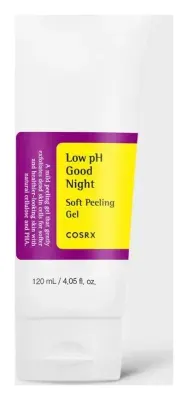
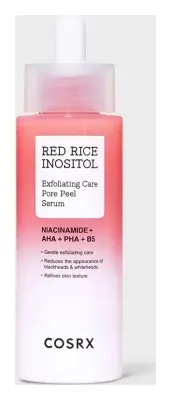
Daily Sunscreens & SPF Moisturizers (2)
Eye Creams & Under-Eye Patches (2)

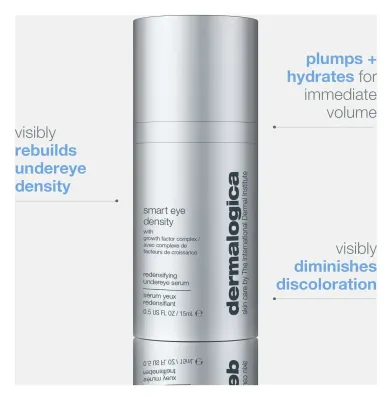
Gel, Foam & Cream Facial Cleansers (2)
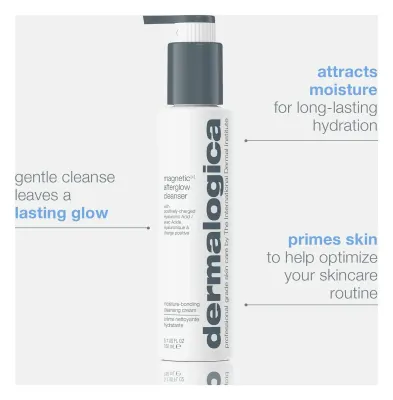

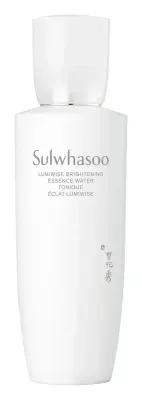
Hydrating Toners, Essence Waters & Face Mists (2)
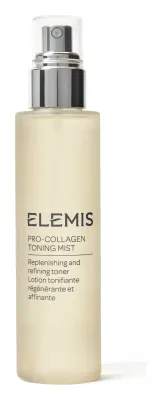
Skin Barrier Repair Creams & Recovery Jars (1)
Physical & Enzyme Face Exfoliants (1)
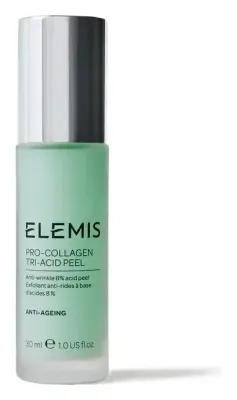
Hydrating Serums, Essences & Ampoules (1)
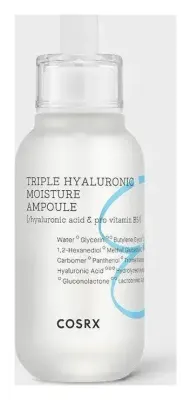
Premium Overnight Recovery Packs & Sleeping Facials (1)

Targeted Vitamin C & Brightening Correctors (1)

Pimple Patches & Overnight Spot Treatments (1)
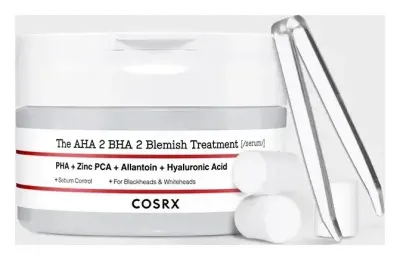
High-Definition Camouflage Concealers (1)
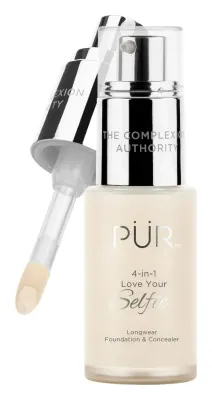
Premium Double-Cleansing Balms & Melting Gels (1)
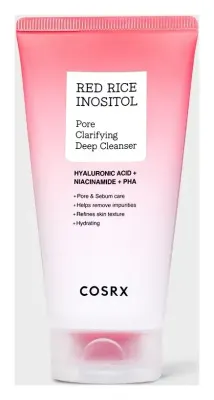
Common questions
What are PHAs in skincare?
PHAs are polyhydroxy acids, a group of exfoliating ingredients that includes gluconolactone and lactobionic acid. They are used to smooth the look of skin and can also act as humectants.
Are PHAs gentler than AHAs?
PHAs have larger molecular structures than common AHAs, so they are often described as gentler. That is not a guarantee, and individual formulas can still irritate.
What is the difference between gluconolactone and lactobionic acid?
Both are PHAs used in skincare and share exfoliating and humectant roles. They are different ingredients, and the product formula affects how each feels on skin.
Can I use PHAs with retinol?
Combining an exfoliant with a retinoid can increase irritation for some people. Consider alternating nights and introduce only one new active at a time.