Razor Bumps vs Razor Burn: What Helps
Razor bumps are ingrown hairs; razor burn is surface irritation. How to tell them apart, the shaving changes dermatologists suggest, and gentle products for before and after.
We may earn a commission when you buy through links on this page. It never changes what we recommend.
What this means for you
Start with what you notice
If you get red bumps under your jaw or on your neck a day or two after shaving, they are probably razor bumps, which need a different fix from the instant sting of razor burn.
The ingredient names, translated
Razor burn is irritation from the blade dragging over skin, and it shows up during or right after the shave. Razor bumps (pseudofolliculitis barbae) happen when a shaved hair curls back and grows into the skin, causing an inflamed bump. Curly, coarse hair makes bumps more likely. Lubrication and moisturizers make shaving more comfortable, but changing how and how often you shave matters more.
How to decide
- Stinging right after shaving? Treat it as razor burn: more lubrication, a sharp blade, lighter strokes and no scented aftershave.
- Bumps that appear a day or two later, often under the jaw? Shave with the grain, shave less often, or switch to an electric shaver or clippers.
- Bumps keep coming back or leave dark marks, scars or pus? See a dermatologist rather than trying more products.
What to expect
Dermatology sources say bumps usually settle within weeks once you stop shaving or change technique. No product guarantees prevention, and we haven't tested the ones below.
General guidance, not a test of these products: AAD: razor bump remedies (shaving technique, frequency, aftercare); DermNet: pseudofolliculitis barbae (cause, who gets it, management); AAD: skin care tips for men (razor choice, fragrance). Each product's label source is linked on its product page.
Our label-based picks
Each pick is matched to a need using what the brand's label says. We haven't tested these, so they aren't winners or guarantees of suitability.
Best for razor bumps
Why it fits: A clear post-shave gel with mandelic acid, allantoin and licorice extract, made for razor bumps and ingrown hairs.
Manufacturer source · checked 2026-10-23Best shave cream for sensitive skin
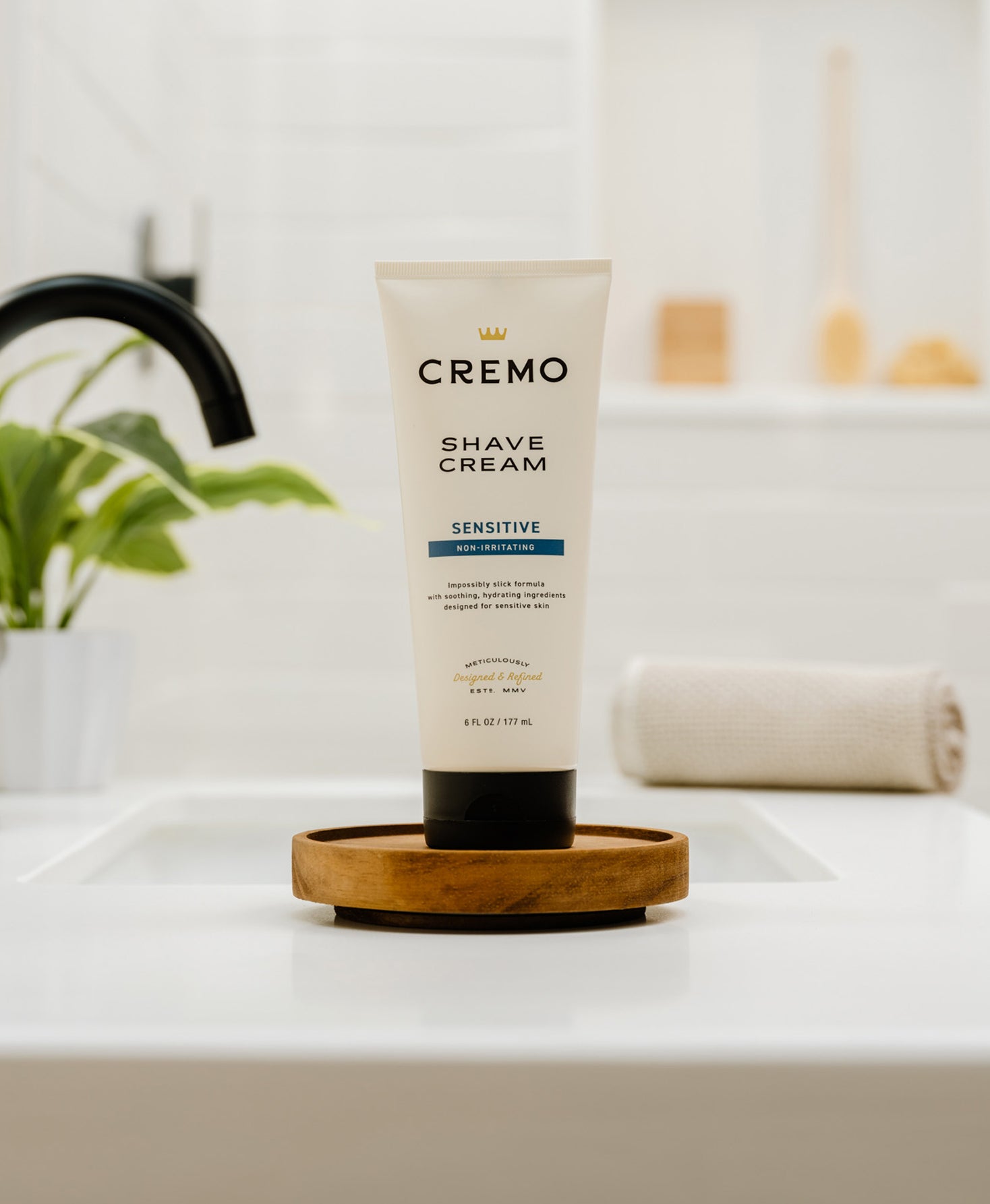
Why it fits: Cremo's sensitive-skin cream, with aloe and allantoin and no synthetic fragrance, applied as a thin, slick layer.
Manufacturer source · checked 2026-10-23Best with no fragrance listed
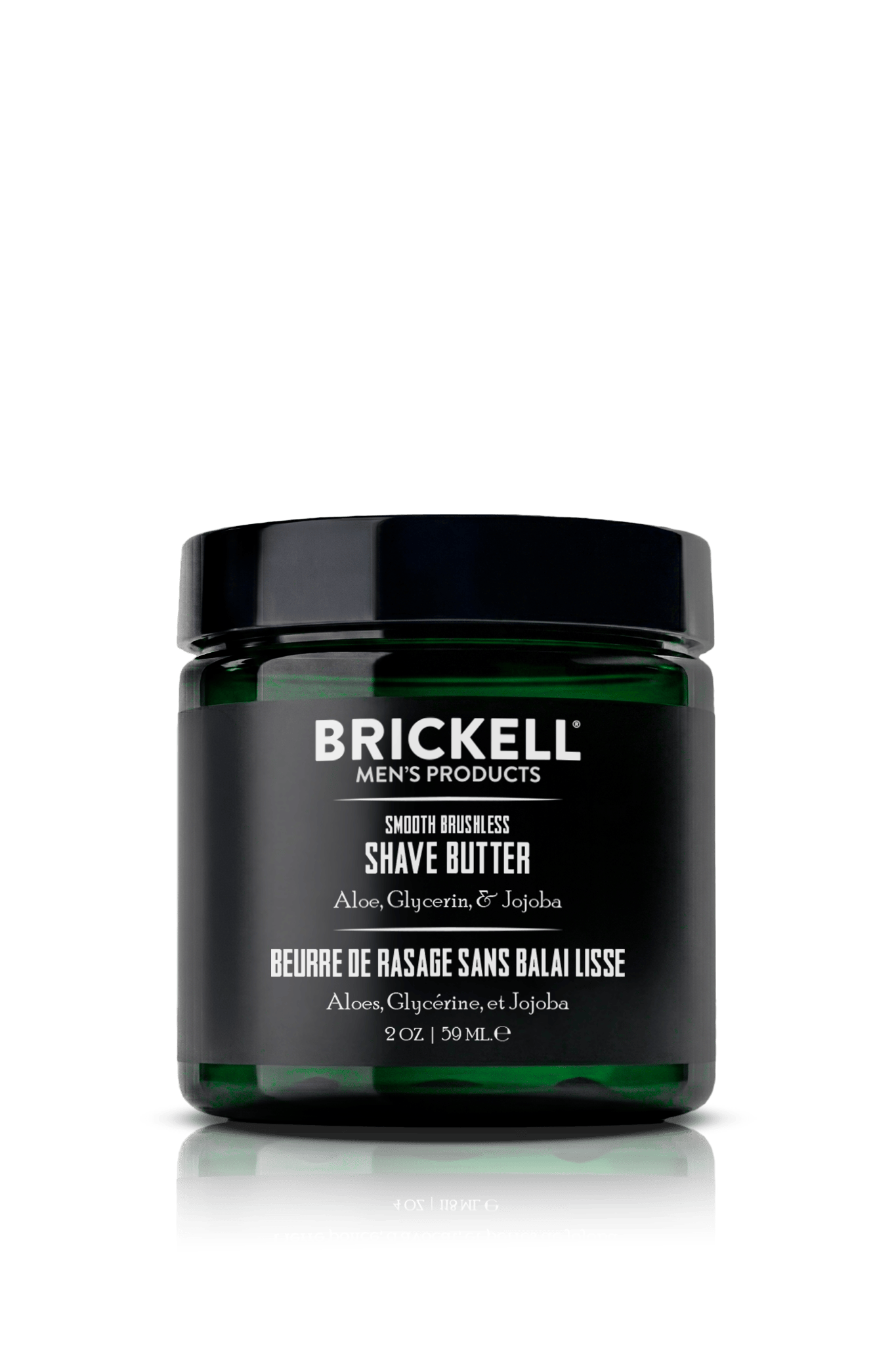
Why it fits: A non-lathering shave butter whose recorded unscented formula lists no fragrance or essential oils.
Manufacturer source · checked 2026-10-23


Razor burn and razor bumps are two different problems. Razor burn is irritation from the blade dragging across your skin, and you feel it during or right after a shave. Razor bumps are ingrown hairs: a shaved hair curls back into the skin and causes a red or skin-colored bump a day or two later. The best fix for both is changing how you shave, not finding a stronger product. The AAD’s razor bump guidance and DermNet’s overview cover the details.
If your neck looks like a gravel path every Tuesday, it isn’t bad luck or bad hygiene. Bumps come from the shape of your hair and the way it’s cut. That’s frustrating, but it also means small changes can make a real difference.
What’s the difference between razor burn and razor bumps?
| Razor burn | Razor bumps | |
|---|---|---|
| When it appears | During or right after shaving | Usually a day or more later |
| What it looks like | Redness, stinging, a raw feeling | Raised bumps, sometimes with a hair visible under the skin |
| Common spots | Anywhere you shave | Under the jawline and on the neck |
| Main cause | Friction from the blade | Shaved hairs growing back into the skin |
DermNet explains that shaving leaves a sharp tip on each hair. With curly or coarse hair, that tip can curve back and pierce the skin, which triggers inflammation. Bumps can affect anyone who shaves, but DermNet notes they’re most common in men with tightly curled hair, including many men of African ancestry. Bumps can also look like folliculitis, which is an infection of the hair follicle. The two can occur together.
Skin Realist check: A closer shave sounds like the goal, but for bump-prone skin it’s the problem. A hair cut slightly above the skin has less chance of curling back into it.
How do you prevent razor bumps?
These are the changes the AAD and DermNet recommend, roughly in order of impact.
- Shave less often. The AAD suggests daily at most, or every two to three days if you can.
- Shave with the grain. Go in the direction your hair grows, with short strokes and light pressure. Don’t stretch the skin tight.
- Limit passes. The AAD says no more than two passes over any area. DermNet suggests leaving a little stubble.
- Use a sharp blade. The AAD suggests replacing a single-blade razor after five to seven shaves. Its men’s skin care page also suggests a single- or double-blade razor if you get bumps.
- Consider an electric shaver or clippers. DermNet lists switching from a blade as an option.
- Grow it out. DermNet calls stopping shaving the most reliable fix. The AAD says bumps should start to clear within a month of growing a beard.
Never shave dry, and don’t pluck hairs out of bumps.
Before you shave: prepare the skin and hair
The AAD suggests washing gently first, then softening your beard with a warm compress for five minutes or shaving at the end of a shower.
Gentle wash: Laneige Water Bank Gentle Gel Cleanser
Laneige Water Bank Gentle Gel Cleanser is a low-pH gel cleanser that Laneige sells as fragrance free, with no fragrance or essential oils on the label. Laneige describes it as non-stripping and suitable for sensitive skin, and glycerin is second on the ingredient list. That makes it a sensible pre-shave wash when your skin is already irritated, since you’re not adding scent or an exfoliating acid to the mix.
During the shave: lubrication
The AAD recommends a moisturizing shaving product every time, even with an electric razor. The point is to reduce friction so the blade glides instead of drags.
Elemis Skin Soothe Shave Gel
Elemis Skin Soothe Shave Gel is a 150 mL clear gel that Elemis positions for sensitive skin, with aloe vera, witch hazel, jojoba esters, arnica and chamomile. Apply a small amount to cleansed, damp skin.
Read the label before buying, though. Denatured alcohol is third on the list, and it also contains fragrance and menthol. If those already sting your skin, look for a fragrance-free shave cream instead. Browse our shaving creams, gels and oils to compare labels.
After the shave: calm, then moisturize
The AAD suggests rinsing, holding a cool compress on the area for five minutes, then applying a product formulated for razor bumps. It also says to stop using any aftershave that burns or stings. In practice that rules out many classic alcohol-and-fragrance splashes for irritated skin.
Alcohol-free splash: COSRX Centella Water Alcohol-Free Toner
COSRX Centella Water Alcohol-Free Toner is a 150 mL spray-type toner with nine ingredients. COSRX highlights centella asiatica leaf water at 10% and says it helps soothe irritated skin. It’s sold as fragrance free, and the label lists no fragrance, essential oils or exfoliating acids.
It gives you the splash-on feel of an aftershave without the alcohol. It won’t treat bumps, but it’s unlikely to add sting the way a scented aftershave can.
→ See the COSRX Centella Water on Amazon
Cooling moisturizer: COSRX Hydrium Green Tea Aqua Soothing Gel Cream
COSRX Hydrium Green Tea Aqua Soothing Gel Cream is a 50 mL gel moisturizer with a cooling, non-oily texture, according to COSRX. Green tea extract is third on the list, and COSRX highlights panthenol and allantoin. The brand sells it as fragrance free, and the label lists no fragrance, essential oils or exfoliating acids.
Apply it to damp skin after your rinse. If your skin is dry rather than oily, you may want a richer cream. Our aftershave vs moisturizer guide has more options.
Skin Realist check: If your aftershave makes you wince, that isn’t proof it’s working. It’s your skin asking you to stop.
Mistakes that make bumps worse
- Shaving against the grain for a closer finish. It cuts hair below the surface, where it can curl back in.
- Pulling the skin tight while you shave. The AAD advises against it.
- Plucking or digging out hairs. This can inflame the area further and leave marks.
- Using a dull blade. A dull blade needs more pressure and more passes.
- Hiding bumps under a scented aftershave. It can add sting to skin that’s already inflamed.
When to see a dermatologist
See a dermatologist if bumps keep coming back after you’ve changed your routine, or if you notice pus, spreading redness, dark marks or scarring. The AAD warns that long-term bumps can cause deep grooves and raised scars. A dermatologist can check for infection and discuss prescription treatments and longer-term hair removal options.
Products from men’s and drugstore brands
None of these replaces the technique changes above, but they can support them.
For bumps: Baxter of California Anti-Bump Treatment
Baxter of California Anti-Bump Treatment is a clear gel with mandelic acid, an AHA, plus allantoin and licorice extract, for razor bumps and ingrown hairs on the face and neck. Baxter doesn’t state the acid percentage. The label lists eucalyptus oil and menthol, which can tingle on just-shaved skin.
For the beard area and neck: CeraVe Renewing SA Cleanser
CeraVe Renewing SA Cleanser is a fragrance-free salicylic acid cleanser for face and body, with ceramides and niacinamide. Washing with a gentle exfoliating cleanser on days you don’t shave can help keep hairs from getting trapped. Don’t pair it with other acids on the same day if your skin gets dry.
For a lower-scent shave
- Cremo Sensitive Skin Shave Cream has no synthetic fragrance but does list essential oils, including lavender and geranium. You only need a thin, almond-sized coat; it doesn’t lather.
- Brickell Smooth Brushless Shave Butter is a rich, non-lathering butter you apply by hand. Brickell sells scented and unscented versions as separate listings, so check which one you buy.
The bottom line
Razor burn is a lubrication and technique problem. Razor bumps are a hair-growth problem that mostly improves when you shave less often, with the grain, or stop shaving for a while. Products play a supporting role. If you only add one thing, make it a fragrance-free soother like COSRX Hydrium Green Tea Aqua Soothing Gel Cream after every shave. For the full routine, see our men’s shave guide and men’s skincare basics.
Common questions
How long do razor bumps take to go away?
DermNet says they usually settle about four to six weeks after you stop the hair removal that causes them. The AAD says growing your beard should reduce bumps within a month and clear them within three months.
Should I pop or pluck a razor bump?
No. The AAD advises against plucking hairs from bumps. Picking can make inflammation worse and raise the risk of infection and marks.
Is an electric razor better for razor bumps?
It can help. DermNet lists switching from a blade to an electric shaver as an option, and the AAD suggests still using a moisturizing shaving product with one.
When should I see a dermatologist about razor bumps?
If bumps continue after you change your shaving routine, or you see pus, scarring or dark marks. The AAD warns that persistent bumps can cause deep grooves and raised scars.