Phenylalanine
What phenylalanine does as a conditioning amino acid in skincare blends, why it isn't an exfoliating acid, and who it suits.
No specific flag recordedIn 17 products we cover
We may earn a commission when you buy through links on this page. It never changes what we recommend.
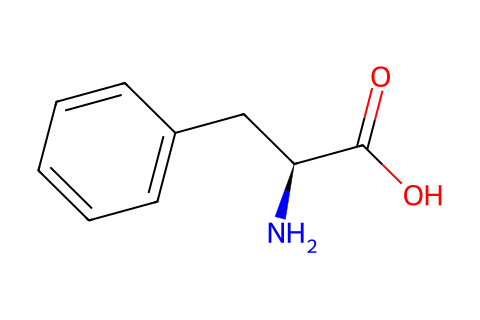
Quick facts
- INCI name
- Phenylalanine
- CAS number
- 63-91-2
- Origin
- Biotech (fermentation) or Synthetic
- Chemical class
- Amino acid
- What it does in a formula
- skin conditioning, humectant, hair conditioning
- Why it is in the formula
- Usually one of several amino acids in a blend that helps a formula hold water and leave a conditioned feel.
- Regulatory notes
- The Cosmetic Ingredient Review panel concluded that alpha-amino acids, including phenylalanine, are safe in the present practices of use and concentration in cosmetics.
What is Phenylalanine?
Phenylalanine is one of the amino acids your body uses to build proteins. Cosmetic phenylalanine is usually made by fermentation or chemical synthesis, and the label name doesn’t tell you which.
Phenylalanine has a ring-shaped side chain, which makes it one of the more oil-loving amino acids. In skincare it almost always appears as part of a longer list of amino acids rather than on its own.
On a label it usually sits in a group with other amino acids, such as glycine, alanine, serine, proline and aspartic acid. You’ll find it in serums, toners, moisturizers and some hair products.
What does Phenylalanine do?
- Conditions skin. The safety review describes amino acids as working mainly as skin and hair conditioning agents.
- Helps hold water. Amino acids are also listed as humectants, so they help a product hold moisture at the skin’s surface.
- Rounds out a blend. Alongside other amino acids and humectants, it adds to a soft, hydrated finish.
It’s a supporting ingredient. The safety review reported it at no more than about 0.03% in cosmetics, so it isn’t a reason to buy a product on its own.
Who is Phenylalanine for?
It suits most skin types, including dry and sensitive skin. The safety panel reviewed alpha-amino acids as a group and concluded they are safe as used in cosmetics.
The “acid” in “amino acid” sometimes worries people with sensitive skin. Phenylalanine isn’t an exfoliating acid. If a product that lists it stings, other ingredients in the formula, such as fragrance or an exfoliating acid, are more likely to be responsible. Patch-test new products if your skin reacts easily.
What to pair Phenylalanine with, and what to avoid
It already sits alongside other amino acids and humectants such as glycerin and hyaluronic acid in most formulas. There’s nothing you need to avoid with it, and you don’t need a separate phenylalanine product.
Quick picks with Phenylalanine
Best pick with no fragrance listed
No scent or sensitivity flags recorded in our glossary
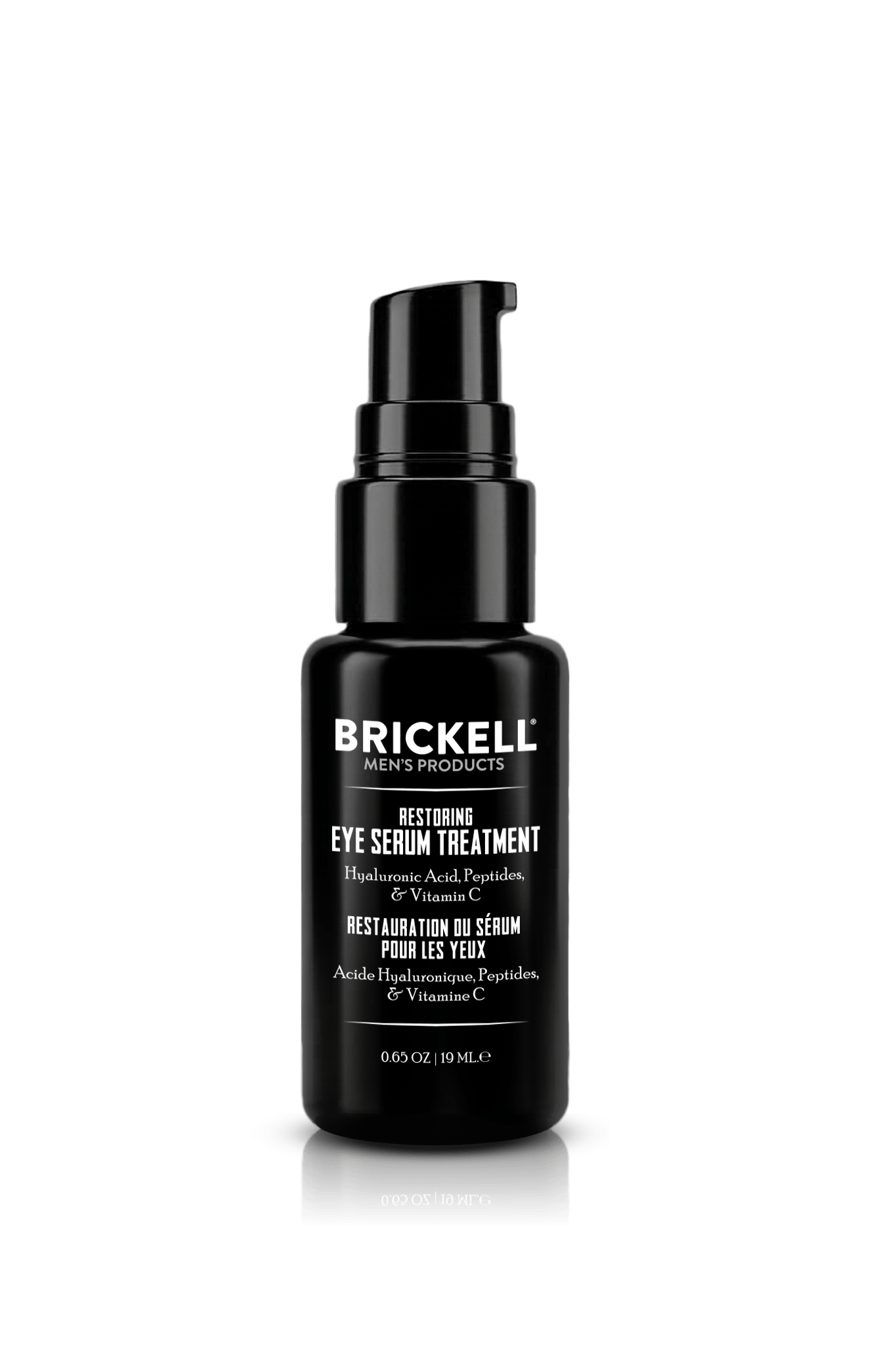
Brickell Restoring Eye Serum Treatment for Men
Hyaluronic acid, peptides, vitamin C, reishi mushroom · oily, dry, combination, sensitive, normal skin · no scent flags recorded
Good for most skin types
Brand lists it for all skin types
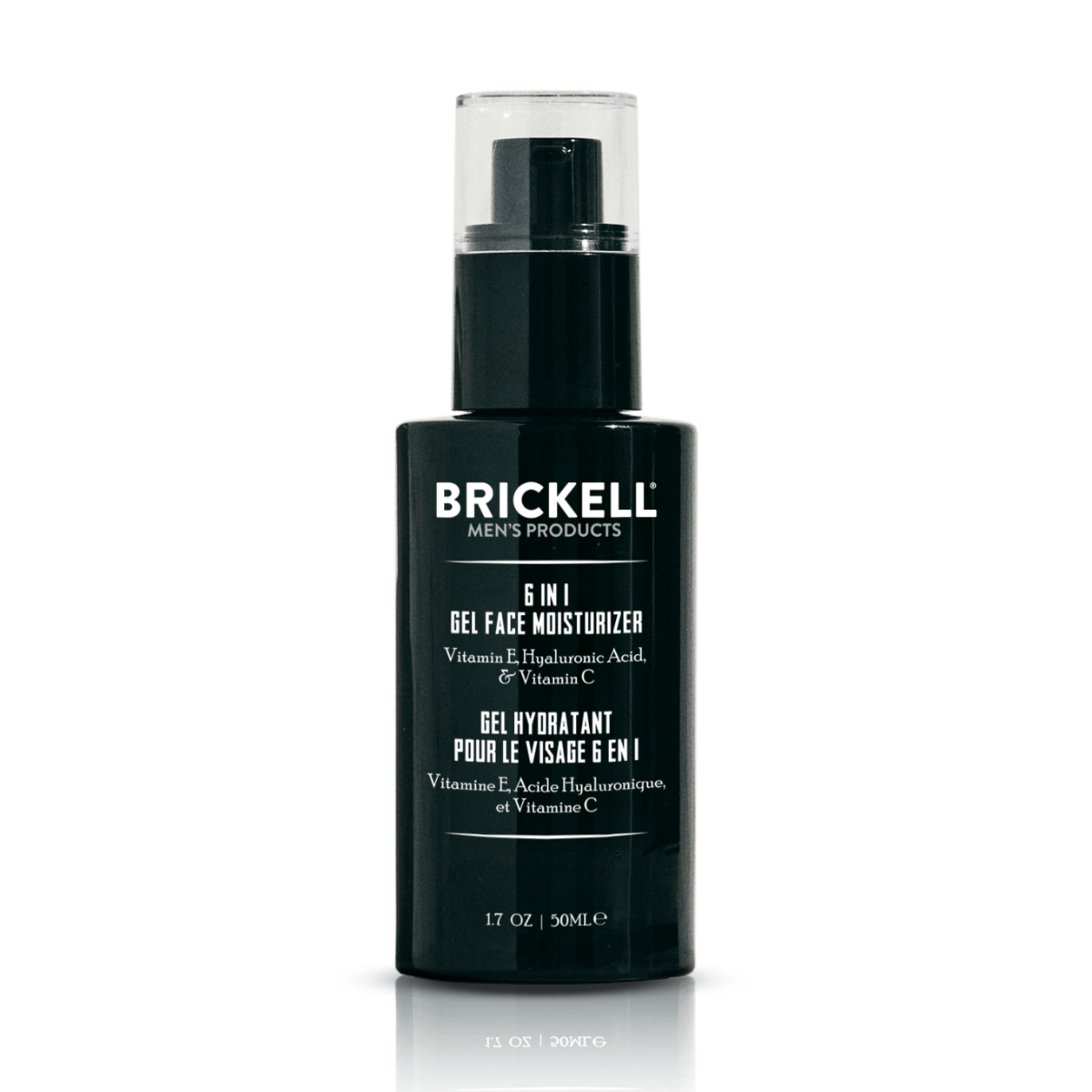
Brickell 6 in 1 Gel Face Moisturizer
Aloe, centella, jojoba, sodium hyaluronate, sodium ascorbyl phosphate, amino acids · oily, dry, combination, sensitive, normal skin · no scent flags recorded
Most covered in our guides
Featured in our guides
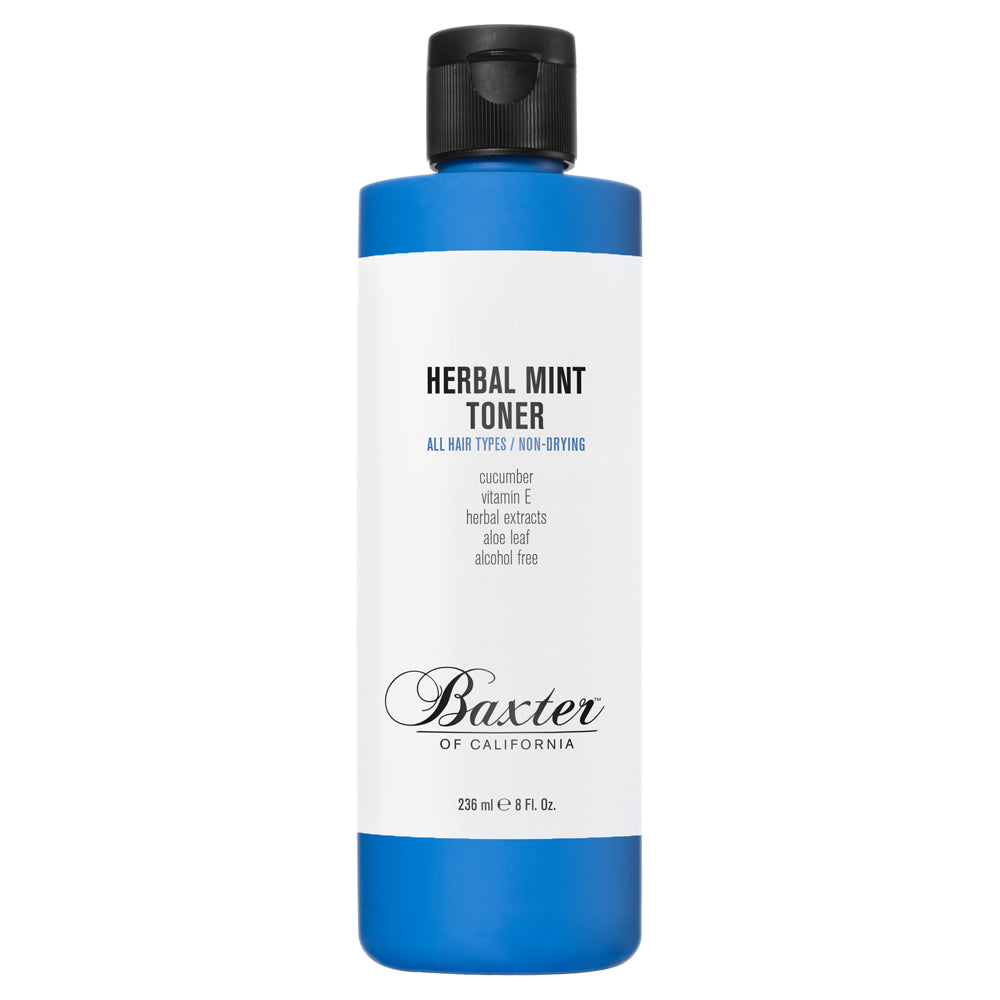
Baxter of California Herbal Mint Toner
Witch hazel water, cucumber, aloe, chamomile, vitamin E, allantoin · scent ingredients flagged
All 17 products with Phenylalanine
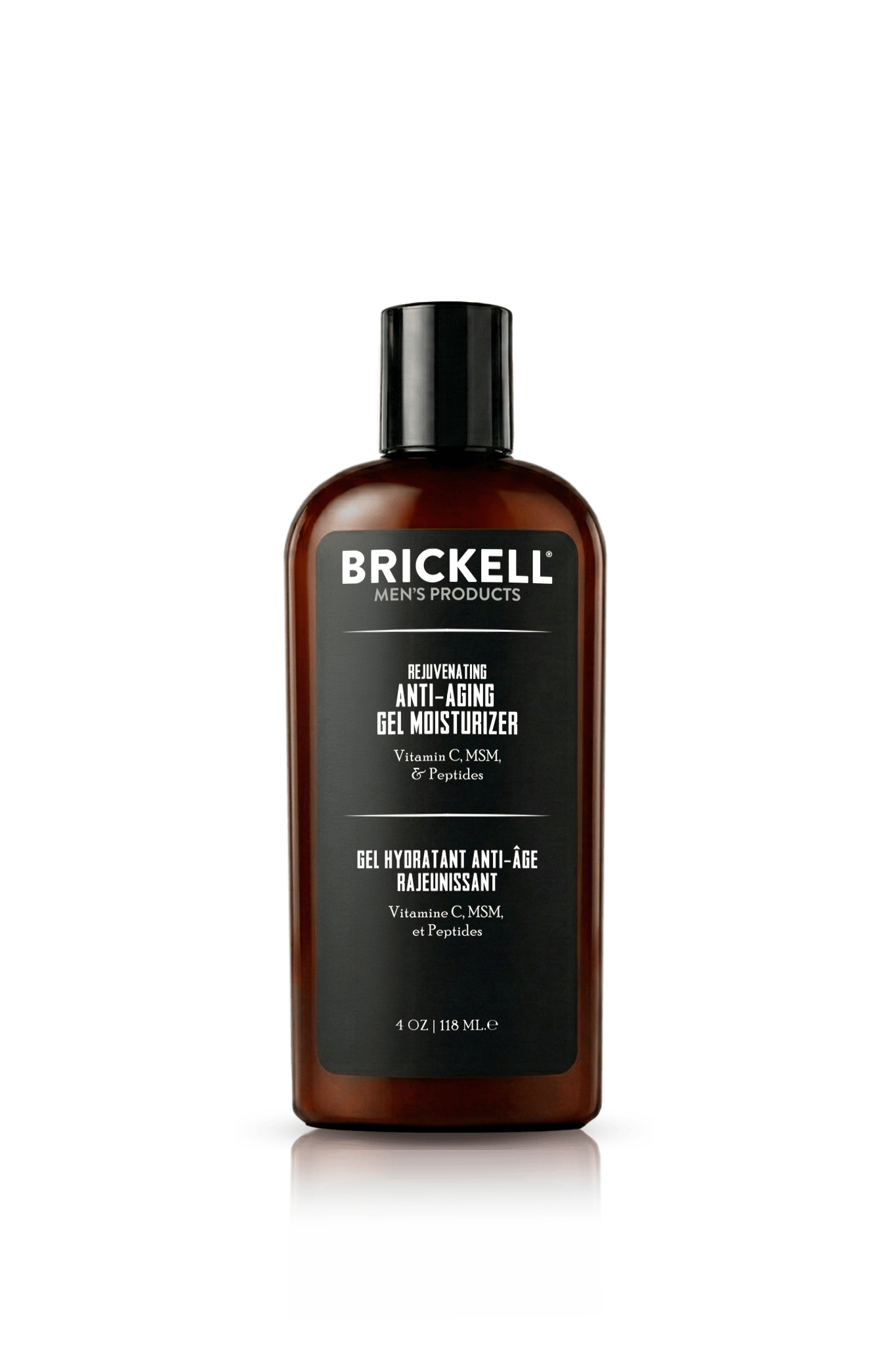
Daily Moisturizers & Water Gel Creams (2)
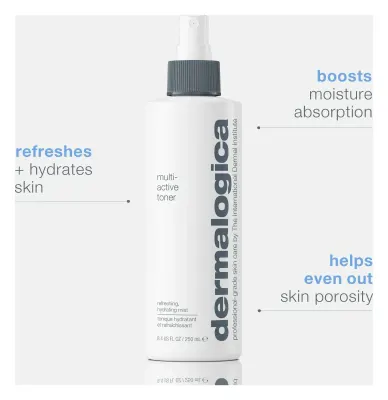
Hydrating Toners, Essence Waters & Face Mists (2)
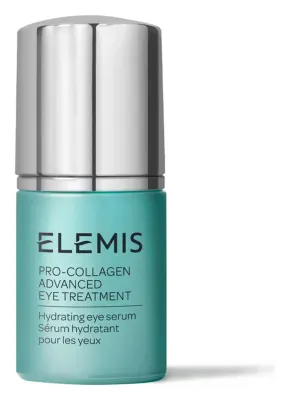
Eye Creams & Under-Eye Patches (2)
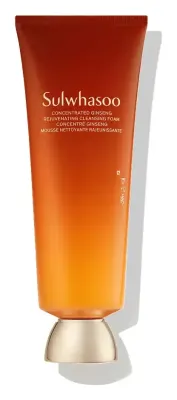
Gel, Foam & Cream Facial Cleansers (1)
Hydrating Serums, Essences & Ampoules (1)
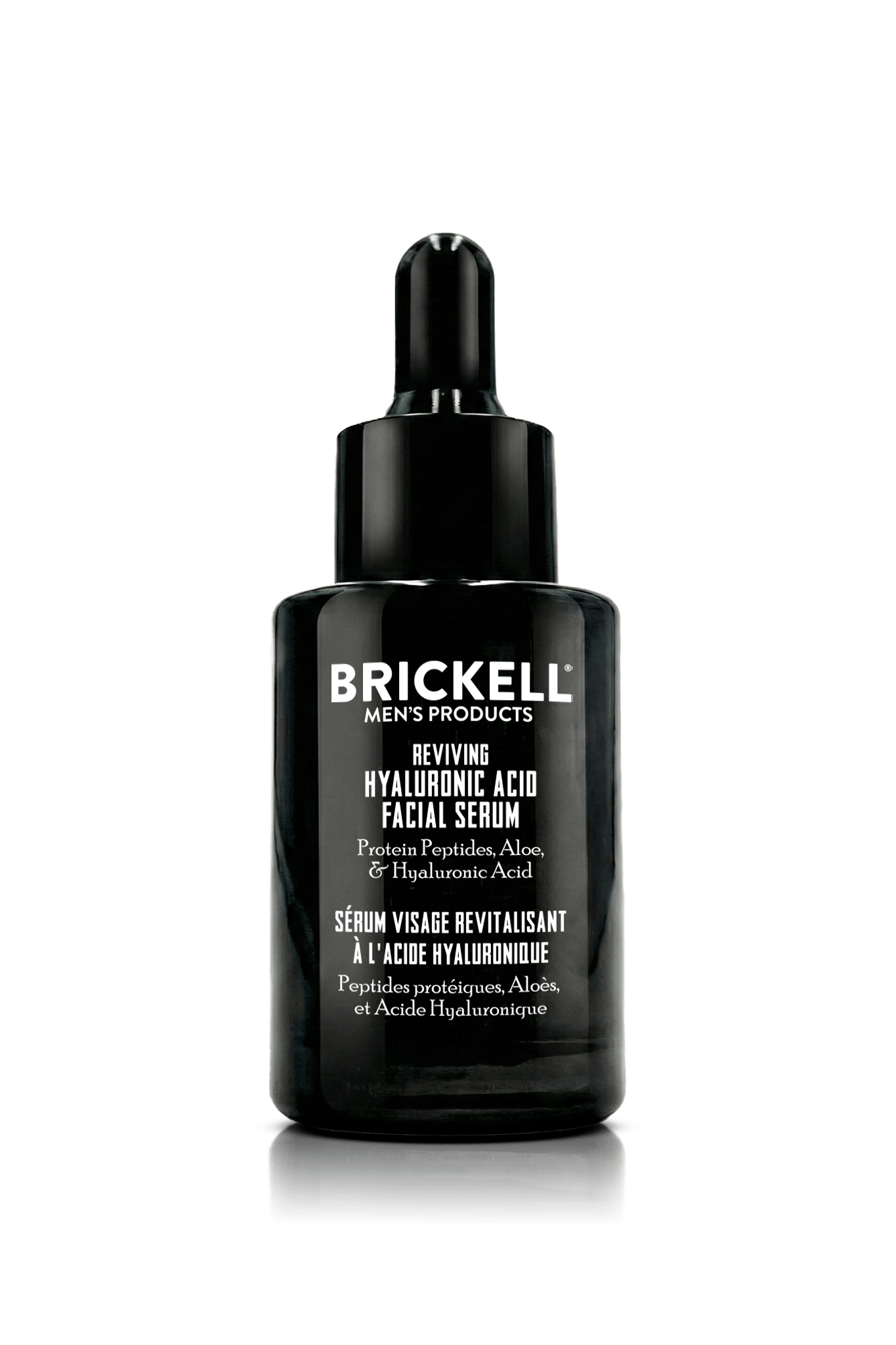
From stores: products with Phenylalanine
Hydrating Serums, Essences & Ampoules (6)


Hydrating Toners, Essence Waters & Face Mists (1)

Mineral Pressed Powders & Skin-Nourishing Primers (2)


Common questions
What does phenylalanine do in skincare?
It's an amino acid used as a skin-conditioning ingredient and humectant. It helps the formula hold water and leaves skin feeling softer, usually as part of a blend with other amino acids.
Is phenylalanine an exfoliating acid?
No. The word acid refers to its chemistry as an amino acid. In skincare it's used for conditioning and water-binding, not to exfoliate like glycolic or salicylic acid.
Is phenylalanine safe for skin?
A cosmetic safety panel concluded alpha-amino acids, including phenylalanine, are safe as used in cosmetics. As with any product, stop using one that stings or leaves you red.
I've seen phenylalanine warnings on food labels. Does that apply to skincare?
Food warnings about phenylalanine are for people with phenylketonuria (PKU), a genetic condition. The cosmetic safety panel noted that concern and concluded that the amounts in cosmetics would not be significantly absorbed. If you have PKU and questions about a product, ask your doctor or pharmacist.