Citronellol
A plain-English guide to citronellol, a fragrance ingredient that may occur in essential oils and can matter if you avoid scent.
We may earn a commission when you buy through links on this page. It never changes what we recommend.
Quick facts
- INCI name
- Citronellol
- CAS number
- 106-22-9
- Origin
- Plant-derived or Synthetic
- Chemical class
- Monoterpene alcohol
- What it does in a formula
- perfuming, masking, deodorant
- Why it is in the formula
- Usually included as a fragrance component to give a product a floral, citrus-like scent.
- Regulatory notes
- EU rules require citronellol to be listed by name above specified levels in leave-on and rinse-off products.
What it is
Listed as Citronellol on cosmetic ingredient decks, this fragrant terpene alcohol delivers a characteristic fresh, floral aroma. It occurs naturally in various botanical essential oils and can also be produced synthetically for fragrance blends. The standardized INCI name discloses its presence but does not distinguish between plant-derived and laboratory sources.
In skincare and makeup, citronellol is mainly a scent ingredient. It can contribute a floral, citrus-like note to a formula or help cover the smell of other ingredients. It is not an exfoliant, moisturizer, or treatment active. Some essential oils contain citronellol naturally, which is one reason a botanical-scented product can still contain fragrance components that matter to people avoiding scent.
EU rules require citronellol to appear by name on ingredient lists above specified levels. In the United States, it may be listed by name or included under a general term such as Fragrance or Parfum, depending on the product and label. Not seeing its name on a US label does not prove the product is fragrance-free.
What it does
- Adds fragrance. Citronellol contributes to a product’s scent rather than changing the core skincare function.
- Masks other odors. It may help cover the natural smell of oils, extracts, or other formula ingredients.
- Appears through different sources. It can be used as an isolated fragrance ingredient or come along with certain essential oils.
Who it suits
Citronellol is a known contact allergen for some people. If you already know fragrance tends to bother your skin, choose fragrance-free products and check for this ingredient as well as broader terms such as Fragrance or Parfum. People avoiding fragrance should skip products that list citronellol. That is a practical preference, not a prediction that everyone will react.
If a scented product leaves your skin uncomfortable, stop using it and consider the full formula. Do not assume one listed fragrance ingredient is automatically responsible. A dermatologist can help identify a recurring contact reaction, especially when several products contain overlapping fragrance ingredients. You do not need citronellol for a skincare benefit, so there is no reason to keep it in a routine if you are trying to avoid scent.
What to pair it with, and what not to
Citronellol does not need to be paired with another skincare ingredient. It is part of a product’s fragrance profile, and adding an unscented moisturizer does not cancel that out. For context, compare it with fragrance and essential oils. If you want to avoid fragrance, choose products without either named fragrance components or general fragrance declarations.
Skin Realist check: A scent can be pleasant and still be optional. If fragrance is not your thing, your routine does not need a persuasive speech.
How it appears on labels: Citronellol; Citronellol.
Quick picks with Citronellol
Brand lists it for sensitive skin
Dermalogica antioxidant hydramist
Pea extract, rose extract, clove extract, and antioxidant support · dry, oily, combination, sensitive, normal skin · scented
AmazonBrand lists it for oily skin
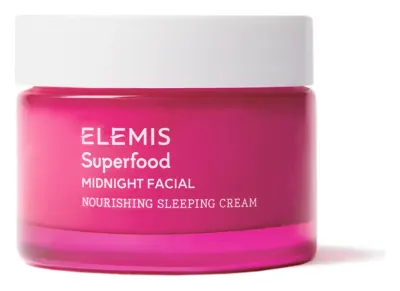
Elemis Superfood Midnight Facial
Cocoa seed butter, banana flower extract, camu camu, and prebiotic alpha-glucan oligosaccharide · combination, dry, normal, oily skin · scented
AmazonBrand lists it for dry skin
Elemis Pro-Collagen Marine Cream Ultra-Rich
Padina pavonica, Chlorella vulgaris, Ginkgo biloba, cocoa seed butter, and collagen amino acids · dry skin · scented
Amazon

All 64 products with Citronellol
Body Creams, Butters & Body Oils (12)
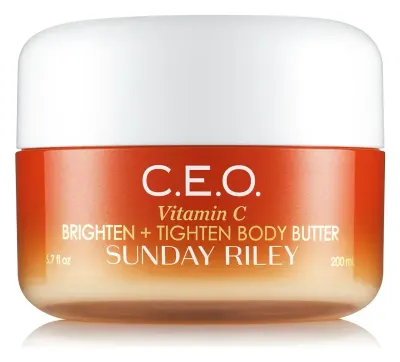 Sunday Riley C.E.O. Body ButterAmazon
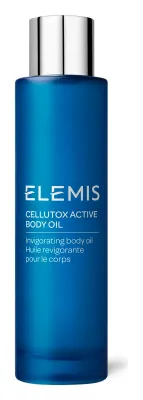 Elemis Cellutox Active Body OilAmazon
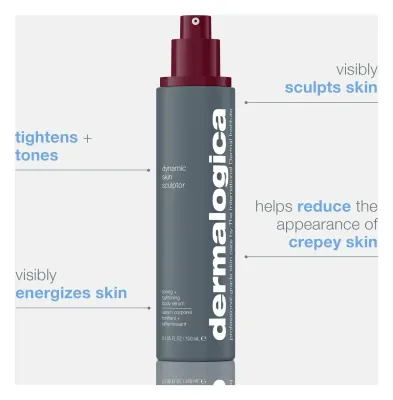 Dermalogica dynamic skin sculptor body serumAmazon
 Elemis Pro-Collagen Marine Body CreamAmazon
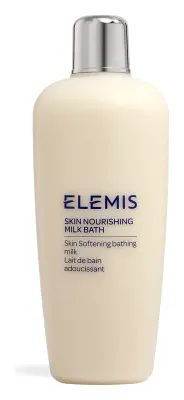 Elemis Skin Nourishing Milk BathAmazon
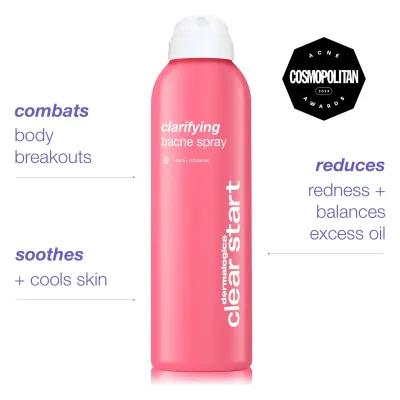 Dermalogica clarifying bacne sprayAmazon
 Perricone MD Cold Plasma Plus + The Intensive Hydrating Body BalmAmazon
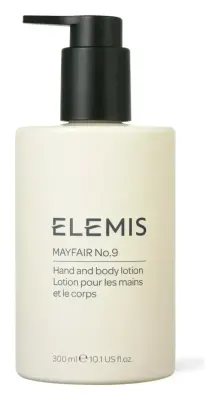 Elemis Mayfair No.9 Hand & Body LotionAmazon
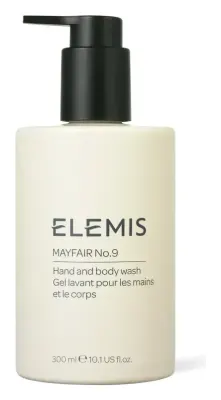 Elemis Mayfair No.9 Hand & Body WashAmazon
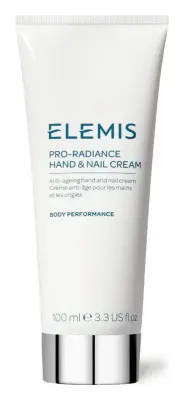 Elemis Pro-Radiance Hand & Nail CreamAmazon
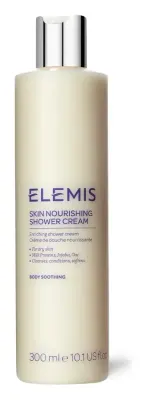 Elemis Skin Nourishing Shower CreamAmazon
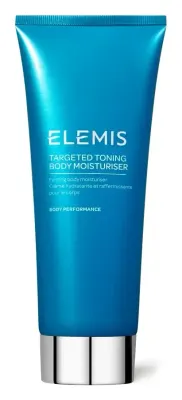 Elemis Targeted Toning Body MoisturiserAmazon
Daily Moisturizers & Water Gel Creams (11)
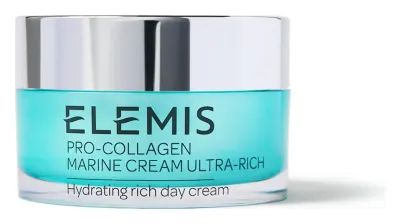 Elemis Pro-Collagen Marine Cream Ultra-RichAmazon
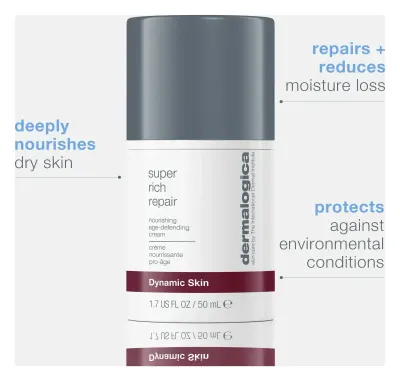 Dermalogica super rich repair moisturizerAmazon
 Elemis Pro-Collagen Night CreamAmazon
 Elemis ULTRA SMART Pro-Collagen Day CreamAmazon
 Sulwhasoo Essential Firming Cream EXAmazon
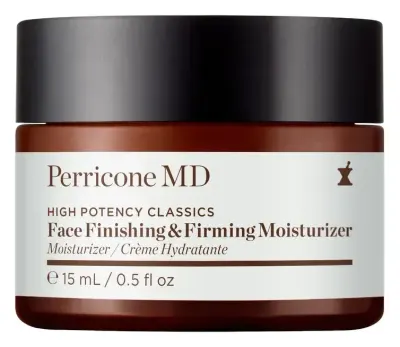 Perricone MD High Potency Classics Face Finishing & Firming MoisturizerAmazon
 Dermalogica multivitamin power recovery creamAmazon
 Perricone MD Neuropeptide Pro-Strength Firming MoisturizerAmazon
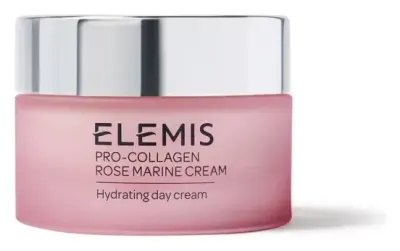 Elemis Pro-Collagen Rose Marine CreamAmazon
 Elemis Superfood Glow Priming MoisturiserAmazon
 Elemis ULTRA SMART Pro-Collagen Night GeniusAmazon
Hydrating Serums, Essences & Ampoules (7)
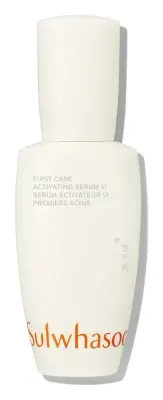 Sulwhasoo First Care Activating Serum VIAmazon
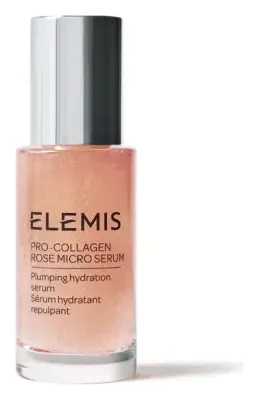 Elemis Pro-Collagen Rose Micro SerumAmazon
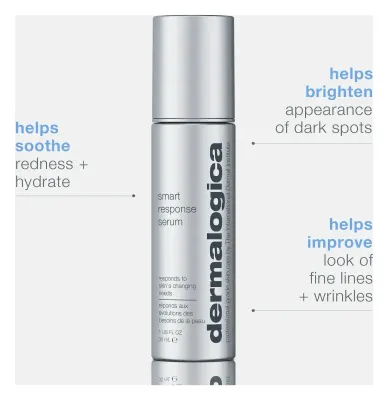 Dermalogica Smart Response SerumAmazon
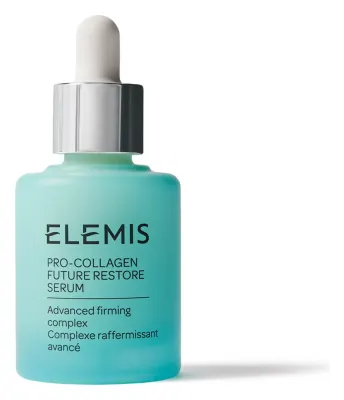 Elemis Pro-Collagen Future Restore SerumAmazon
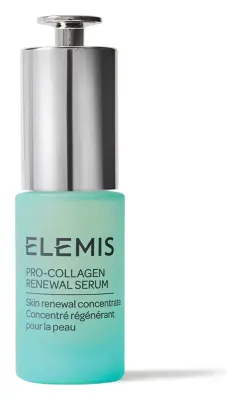 Elemis Pro-Collagen Renewal SerumAmazon
 Elemis ULTRA SMART Pro-Collagen Complex SerumAmazon
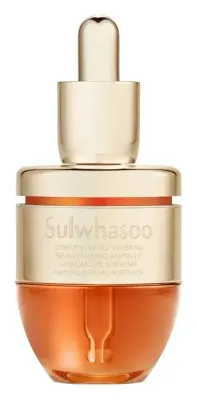 Sulwhasoo Concentrated Ginseng Rejuvenating AmpouleAmazon
Hydrating Toners, Essence Waters & Face Mists (5)

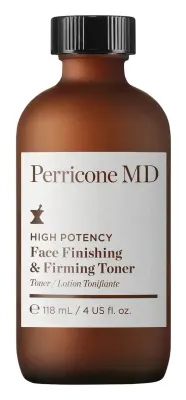
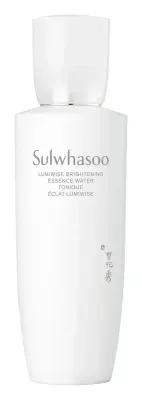
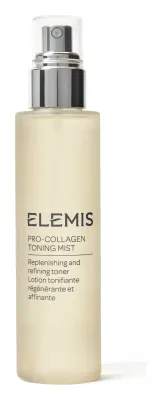
Daily Sunscreens & SPF Moisturizers (5)
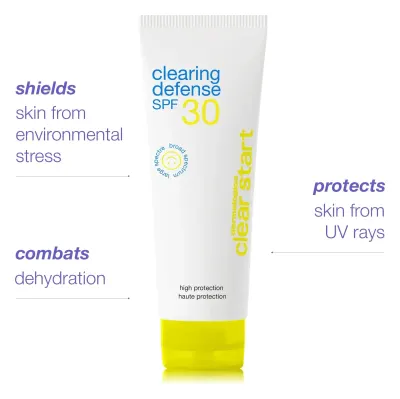 Dermalogica clearing defense spf30Amazon
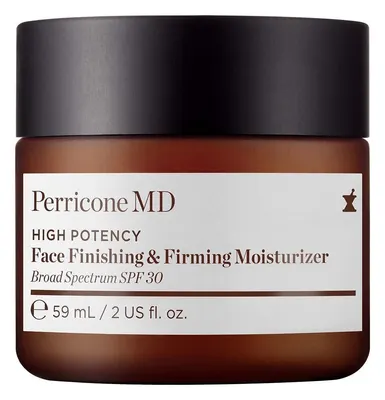 Perricone MD High Potency Face Finishing & Firming Moisturizer Broad Spectrum SPF 30Amazon
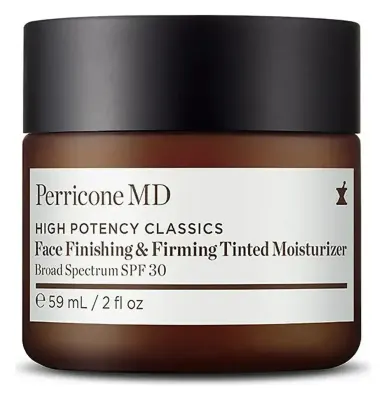 Perricone MD High Potency Face Finishing & Firming Tinted Moisturizer Broad Spectrum SPF 30Amazon
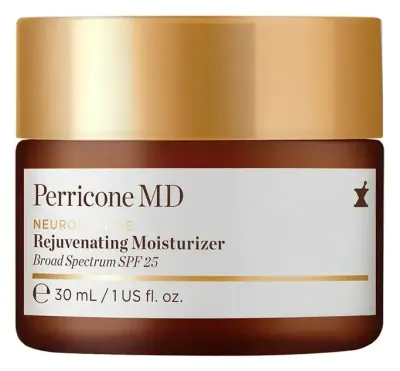 Perricone MD Neuropeptide Rejuvenating Moisturizer Broad Spectrum SPF 25Amazon
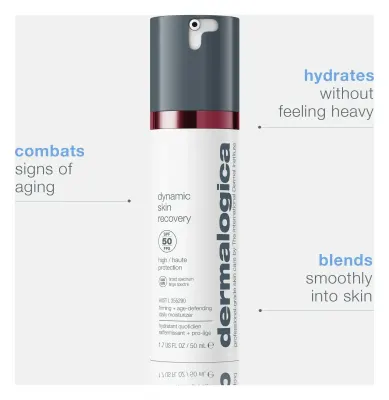 Dermalogica dynamic skin recovery spf50 moisturizerAmazon
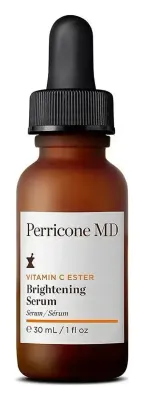
Targeted Vitamin C & Brightening Correctors (4)
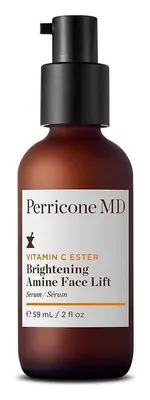
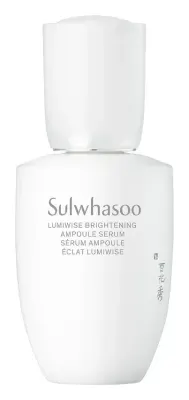

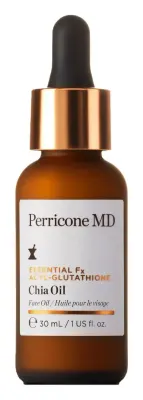
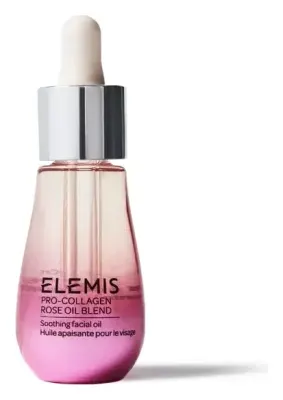
Face Oils & Treatment Oils (3)
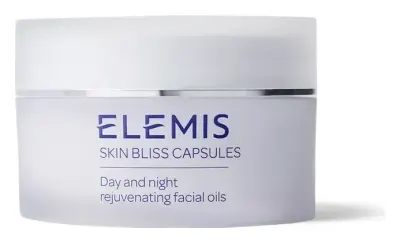
Skincare Sets & Routine Kits (3)
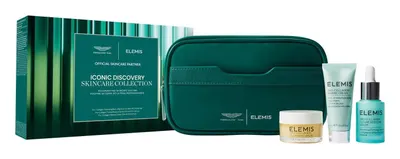
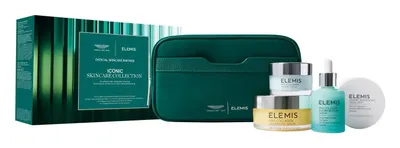
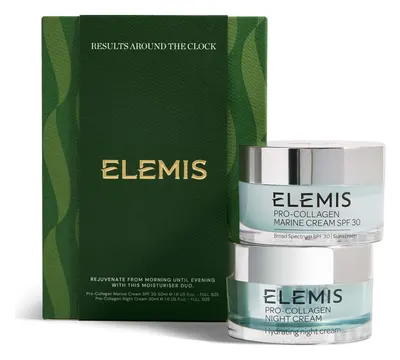
Premium Overnight Recovery Packs & Sleeping Facials (2)

Cream & Gel Treatment Masks (2)

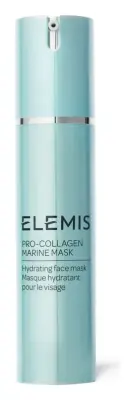
Intensive Lip Recovery Masks & Tinted Balms (2)
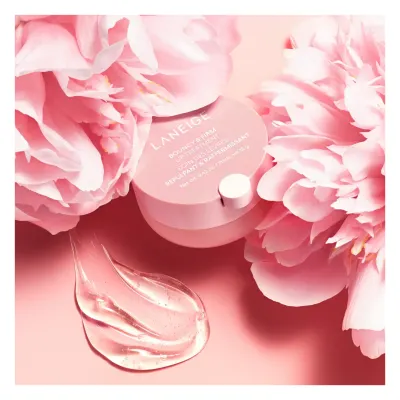
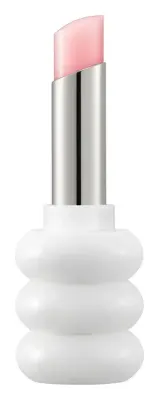
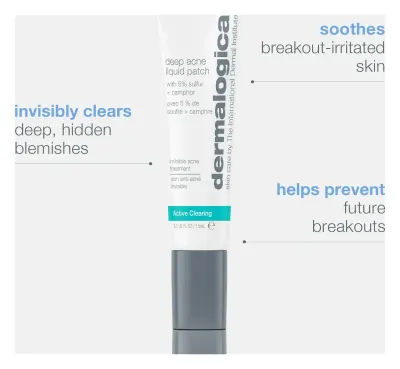
Pimple Patches & Overnight Spot Treatments (1)
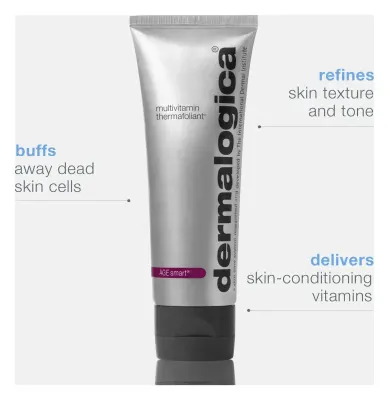
Physical & Enzyme Face Exfoliants (1)
Premium Double-Cleansing Balms & Melting Gels (1)
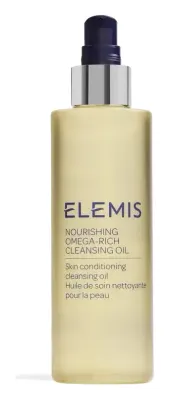
Gel, Foam & Cream Facial Cleansers (1)
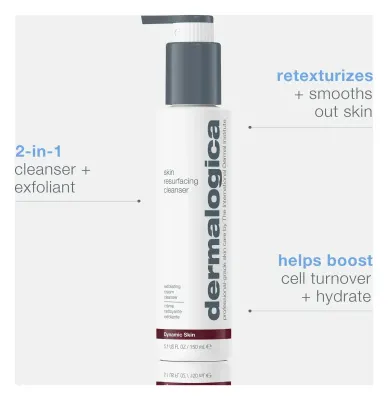
Eye Creams & Under-Eye Patches (1)

Sheet, Hydrogel & Clay Masks (1)
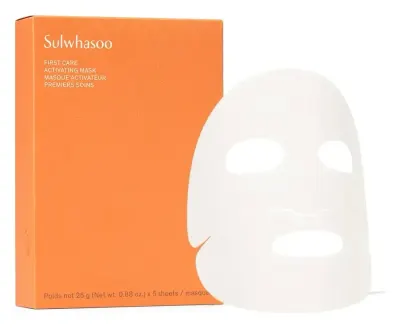
Anti-Aging & Retinoid Serums (1)

Lipsticks, Glosses & Lip Liners (1)
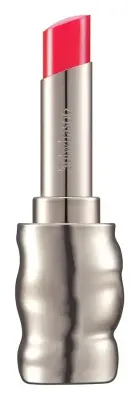
Common questions
What is citronellol in skincare?
Citronellol is a fragrant compound used to scent cosmetics. It can also occur naturally in some essential oils, so it may arrive in a formula as part of a botanical fragrance ingredient.
Is citronellol bad for your skin?
It is a known contact allergen for some people, but that does not mean everyone will react. If you have a known fragrance allergy or repeated reactions to scented products, avoid it and ask a dermatologist for guidance.
Why is citronellol on an ingredient label?
It is usually there for fragrance. EU labeling rules require the name above specified levels, while in the United States it may appear individually or as part of a general fragrance declaration.
Is citronellol natural?
It can occur in plants and essential oils, and it can also be made synthetically. The ingredient name alone does not identify the source in a particular product.