Dimethyl MEA
What Dimethyl MEA does in skincare, its usual role in cosmetic formulas, who may prefer it, and what to know before using it.
Extremely safeIn 14 products we cover
We may earn a commission when you buy through links on this page. It never changes what we recommend.
Quick facts
- INCI name
- Dimethyl MEA
- CAS number
- 108-01-0
- Origin
- Synthetic
- Chemical class
- Tertiary amino alcohol
- What it does in a formula
- pH adjusting, skin conditioning
- Why it is in the formula
- Usually used in small amounts as a pH adjuster or supporting skin-conditioning ingredient.
What it is
Commonly listed as DMAE or dimethylethanolamine, dimethyl MEA is a small synthetic amino alcohol used for skin conditioning and pH adjustment. Products featuring this ingredient are often marketed around a firmer-looking appearance, though the name alone does not predict overall product performance.
A pH adjuster is used to fine-tune the acidity or alkalinity of a formula, typically in small amounts. The ingredient list does not show concentration or whether pH adjustment is its primary role. It is a supporting ingredient, not a reason on its own to expect a particular visible result.
What it does
- Helps adjust pH. Its basic chemical character can bring a formula toward its intended pH.
- Can condition skin. It may be included as a supporting ingredient in leave-on products.
- Does not define the whole product. Formula, packaging, and directions determine what the product is like.
This ingredient is a supporting part of a finished formula. Its contribution can vary with product type, manufacturing, and other materials used alongside it. Ingredient lists are not concentration labels, so they cannot tell you how strong a particular effect will be.
Who it suits
Dimethyl MEA is not an exfoliating acid or a moisturizer by itself. It can appear in products for different skin types, but if your skin is easily irritated, introduce any new formula gradually and pay attention to the whole ingredient list. Do not assume a pH-adjusting ingredient tells you the finished formula?s pH or performance.
The overall texture and the rest of the ingredient list matter as much as this one name. If a new product causes persistent discomfort, stop using it and ask a dermatologist for advice. Patch-testing can help you introduce unfamiliar formulas more cautiously.
What to pair it with, and what not to
No special routine pairing is needed. Formulators may use it with other pH-adjusting ingredients to reach a target formula balance. Do not try to alter the pH of a finished product by adding acids or bases at home. There is no need to build a routine around this ingredient alone. Choose compatible textures, follow product directions, and let the complete formula do its intended job.
Skin Realist check: A complicated-sounding label name does not have to become the main plot of your routine.
Quick picks with Dimethyl MEA
Scent-free, no patch-test flags on the label
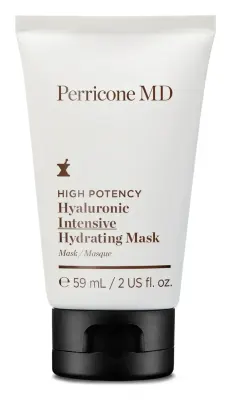
Perricone MD High Potency Hyaluronic Intensive Hydrating Mask
Hyaluronic acid complex, niacinamide, shea butter, ginseng root extract, green tea extract · scent-free label
AmazonBrand lists it for sensitive skin
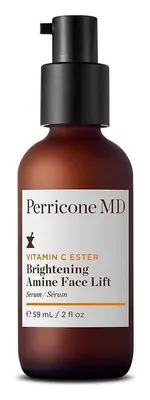
Perricone MD Vitamin C Ester Brightening Amine Face Lift
Vitamin C Ester, glycolic acid and copper complex · oily, dry, combination, sensitive, normal skin · scented
Amazon
All 14 products with Dimethyl MEA
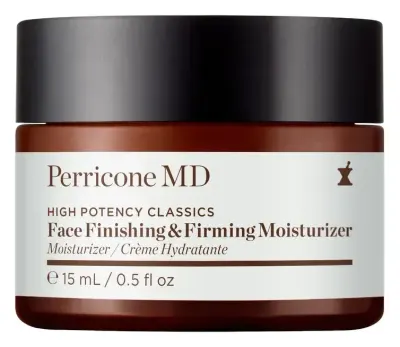
Daily Moisturizers & Water Gel Creams (3)


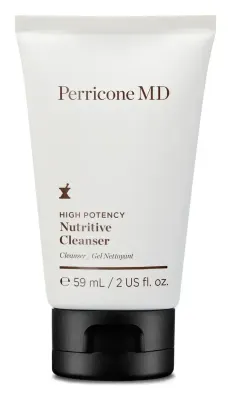
Gel, Foam & Cream Facial Cleansers (2)
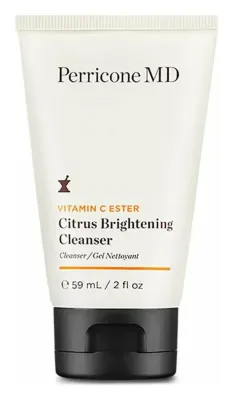
Hydrating Serums, Essences & Ampoules (2)
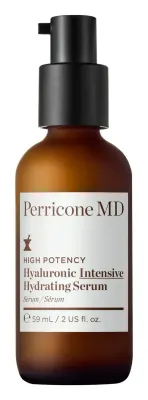
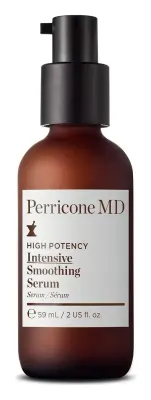
Anti-Aging & Retinoid Serums (2)


Targeted Vitamin C & Brightening Correctors (1)
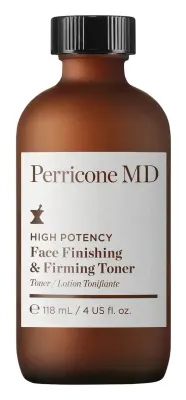
Hydrating Toners, Essence Waters & Face Mists (1)
Cream & Gel Treatment Masks (1)
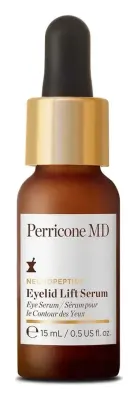
Eye Creams & Under-Eye Patches (1)
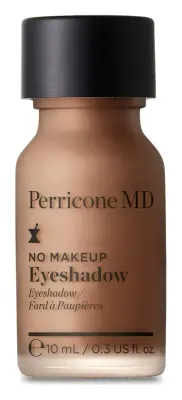
Eye Shadows, Liners, Mascara & Brow Makeup (1)
Common questions
What does Dimethyl MEA do in skincare?
It may act as a pH adjuster or skin-conditioning ingredient. It is a supporting component, and its role depends on the formula.
Is Dimethyl MEA the same as DMAE?
Dimethyl MEA is also called dimethylethanolamine or DMAE. The name does not reveal how much is present or what role it has in a particular product.
Is Dimethyl MEA an active ingredient?
It may appear in products marketed for a particular appearance, but it is often used as a supporting pH adjuster. Do not infer a specific result from the name alone.