Linalool
What linalool does in skincare, why it appears on some labels as a fragrance allergen, and who may want to avoid it.
We may earn a commission when you buy through links on this page. It never changes what we recommend.
What it is
Linalool is an aromatic compound found naturally in many plants and used as part of fragrance blends. It can be associated with floral or herbal scents, but the ingredient name does not tell you the exact smell or source in a finished product. It can appear in a formula as a separately listed ingredient or come from an aromatic material such as an essential oil.
Linalool is among the fragrance allergens that EU cosmetic labeling rules require to be identified by name above specified concentration thresholds. The rule can make it easier for someone with a known allergy to check a label. It does not mean linalool is the only fragrance component in the product, or that a product without a separate linalool line has no scent ingredients.
What it does
- Adds fragrance. Linalool contributes an aromatic note to perfumes and scented cosmetics.
- Can occur in plant materials. Essential oils and other aromatic ingredients may naturally contain it.
- Helps identify a specific allergen. Its name on a label can be useful when someone is avoiding a known trigger.
Who it suits
People who enjoy scented products and have no known sensitivity to linalool may choose to use a product that contains it. Someone with a confirmed linalool allergy should check ingredient lists and may wish to avoid it. If you are choosing products because you prefer scent-free skincare, look beyond linalool too: a formula may contain other fragrance ingredients, including fragrance or essential oils.
Linalool can oxidize after exposure to air. Its oxidation products can be more allergenic than the unoxidized ingredient for some people, which is why older or repeatedly opened fragranced products may draw extra attention from people with a fragrance allergy. This does not predict how your skin will respond to a particular product. If you have a known contact allergy, follow the guidance you received from your clinician and check the full label. Stop using a product that causes a reaction.
What to pair it with, and what not to
Linalool is a fragrance ingredient, not a step that needs to be combined with an active. There is no need to add another ingredient to balance it. If you are simplifying your routine, choose one product at a time and avoid introducing multiple new scented formulas together. Use an intact product according to its package directions, and do not keep using a product that has changed noticeably in smell, color, or texture. If your aim is to avoid fragrance, choosing a formula labeled fragrance-free and checking its ingredient list is more useful than looking for linalool alone.
Skin Realist check: A lovely scent is still optional. If your skin prefers a quieter ingredient list, you can shop by the label instead of negotiating with the perfume.
How it appears on labels: Linalool; Linalool.
Quick picks with Linalool
Brand lists it for sensitive skin
Dermalogica dynamic skin retinol serum
Retinoid Complex 3.5% · oily, dry, combination, sensitive, normal skin · scented
AmazonBrand lists it for oily skin
Dermalogica calm water gel
Dual hyaluronic acid technology, aloe vera and prickly pear extract · oily, dry, combination, sensitive, normal skin · scented
AmazonBrand lists it for dry skin
Laneige Water Sleeping Mask
Squalane, niacinamide, ceramides, three types of hyaluronic acid · dry, normal skin · scented
Amazon

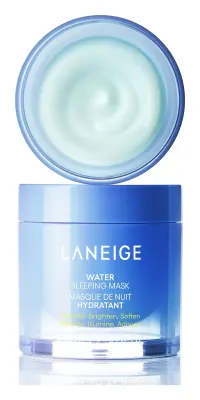
All 132 products with Linalool
Body Creams, Butters & Body Oils (24)
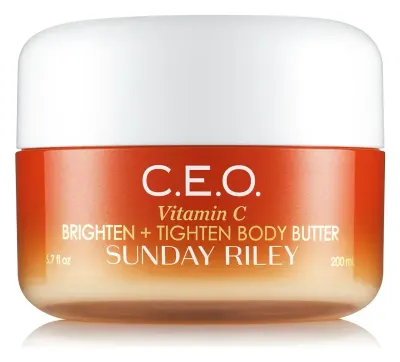 Sunday Riley C.E.O. Body ButterAmazon
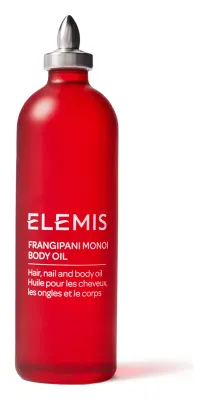 Elemis Frangipani Monoi Body OilAmazon
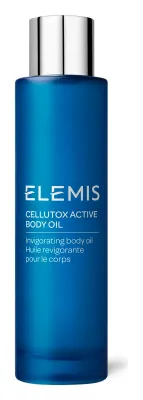 Elemis Cellutox Active Body OilAmazon
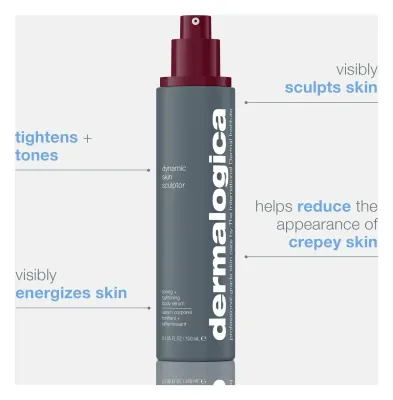 Dermalogica dynamic skin sculptor body serumAmazon
 Elemis Pro-Collagen Marine Body CreamAmazon
 Elemis Pro-Collagen Body Cleansing BalmAmazon
 Elemis Skin Nourishing Milk BathAmazon
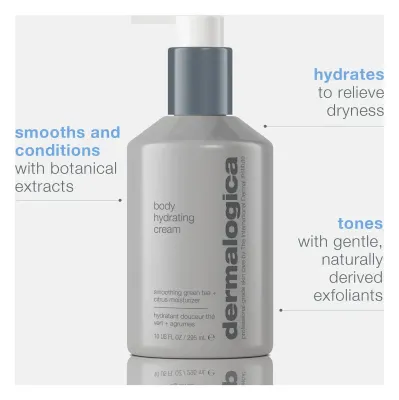 Dermalogica body hydrating creamAmazon
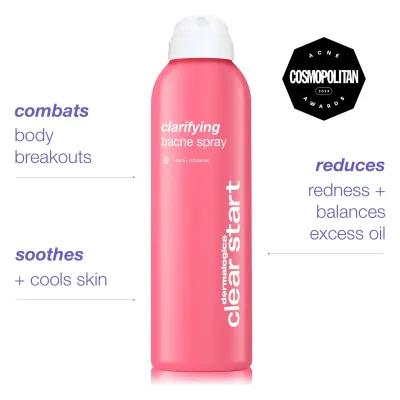 Dermalogica clarifying bacne sprayAmazon
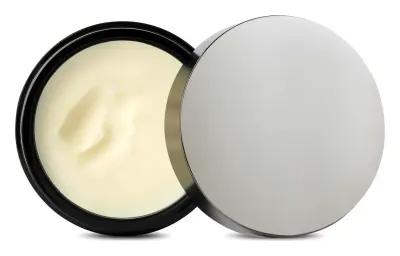 Perricone MD Cold Plasma Plus + The Intensive Hydrating Body BalmAmazon
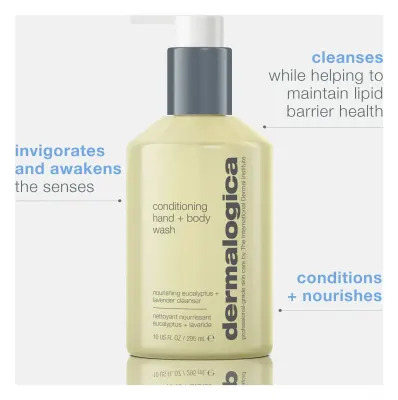 Dermalogica conditioning hand + body washAmazon
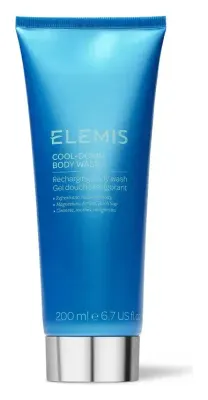 Elemis Cool-Down Body WashAmazon
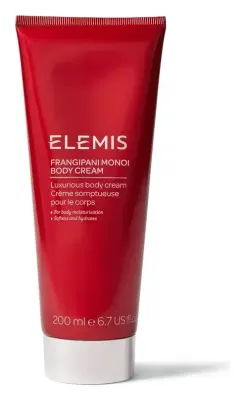 Elemis Frangipani Monoi Body CreamAmazon
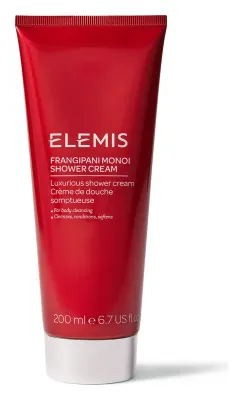 Elemis Frangipani Monoi Shower CreamAmazon
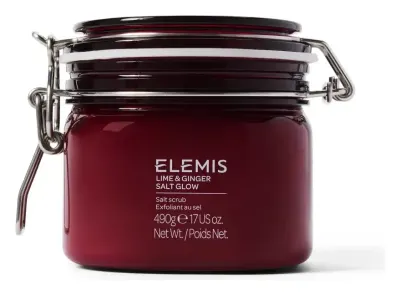 Elemis Lime & Ginger Salt GlowAmazon
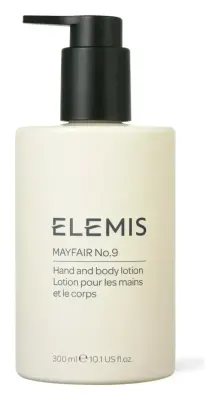 Elemis Mayfair No.9 Hand & Body LotionAmazon
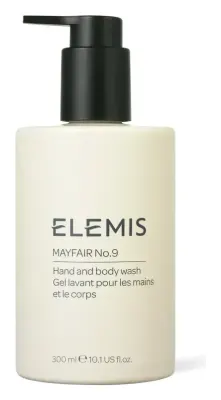 Elemis Mayfair No.9 Hand & Body WashAmazon
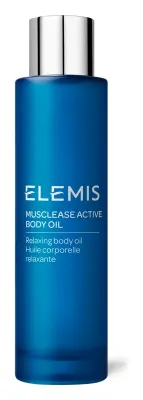 Elemis Musclease Active Body OilAmazon
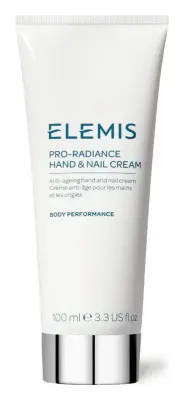 Elemis Pro-Radiance Hand & Nail CreamAmazon
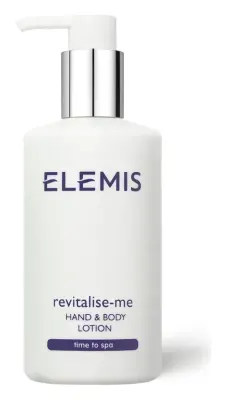 Elemis Revitalise-Me Hand & Body LotionAmazon
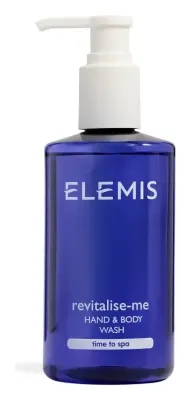 Elemis Revitalise-Me Hand & Body WashAmazon
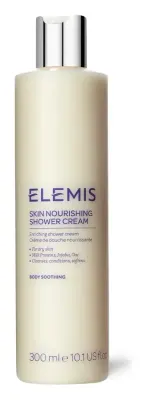 Elemis Skin Nourishing Shower CreamAmazon
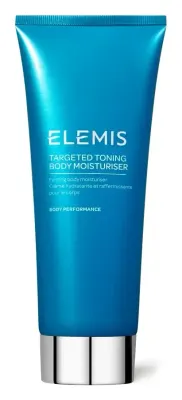 Elemis Targeted Toning Body MoisturiserAmazon
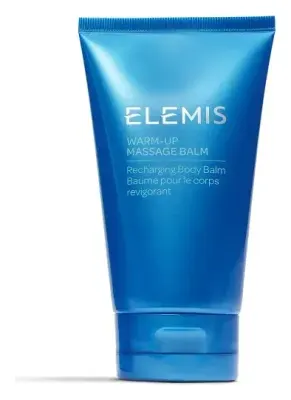 Elemis Warm-Up Massage BalmAmazon
Daily Moisturizers & Water Gel Creams (23)
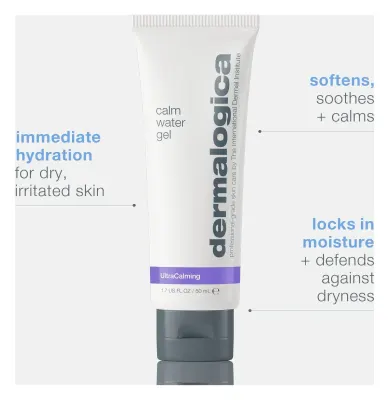 Dermalogica calm water gelAmazon
 Elemis Pro-Collagen Marine Cream for MenAmazon
 Elemis Pro-Collagen Marine Cream Ultra-RichAmazon
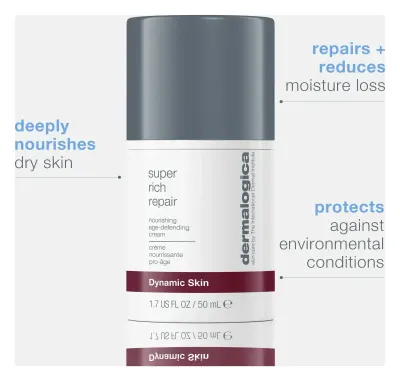 Dermalogica super rich repair moisturizerAmazon
 Sulwhasoo Concentrated Ginseng Rejuvenating CreamAmazon
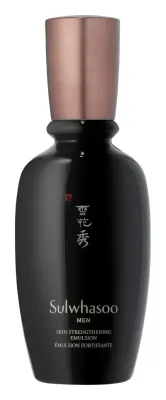 Sulwhasoo Skin Strengthening Emulsion for MenAmazon
 Elemis Pro-Collagen Night CreamAmazon
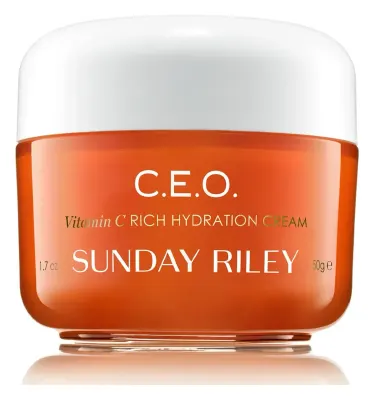 Sunday Riley C.E.O. Vitamin C Rich Hydration CreamAmazon
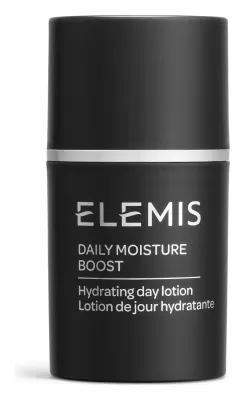 Elemis Daily Moisture BoostAmazon
 Dermalogica skin smoothing cream moisturizerAmazon
 Elemis ULTRA SMART Pro-Collagen Day CreamAmazon
 Dermalogica acne biotic moisturizerAmazon
 Sulwhasoo Concentrated Ginseng Rejuvenating Cream RichAmazon
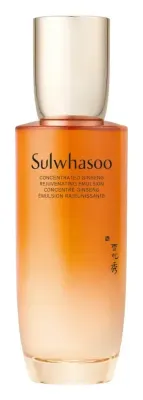 Sulwhasoo Concentrated Ginseng Rejuvenating EmulsionAmazon
 Sulwhasoo Essential Firming Cream EXAmazon
 Dermalogica multivitamin power recovery creamAmazon
 Perricone MD Neuropeptide Pro-Strength Firming MoisturizerAmazon
 Dermalogica pro-collagen banking water creamAmazon
 Elemis Pro-Collagen Morning MatrixAmazon
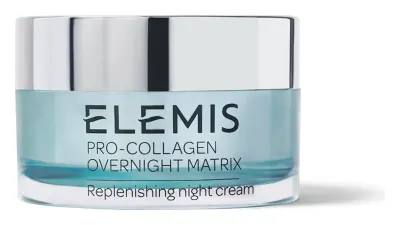 Elemis Pro-Collagen Overnight MatrixAmazon
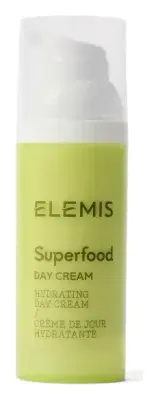 Elemis Superfood Day CreamAmazon
 Elemis Superfood Glow Priming MoisturiserAmazon
 Elemis ULTRA SMART Pro-Collagen Night GeniusAmazon
Hydrating Toners, Essence Waters & Face Mists (9)
 Dermalogica antioxidant hydramistAmazon
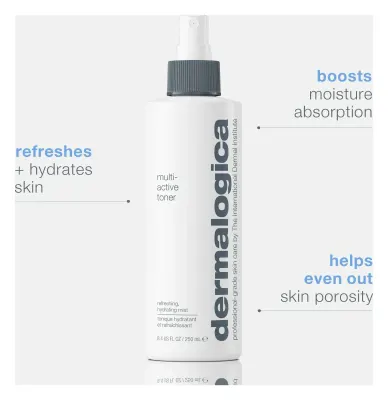 Dermalogica multi-active tonerAmazon
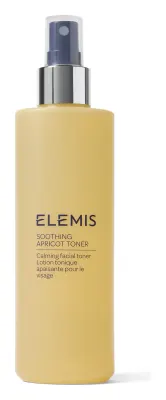 Elemis Soothing Apricot TonerAmazon
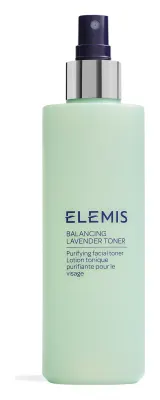 Elemis Balancing Lavender TonerAmazon
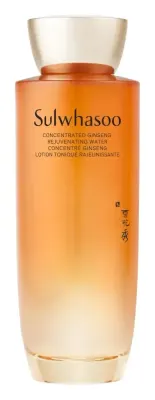 Sulwhasoo Concentrated Ginseng Rejuvenating WaterAmazon
 Sulwhasoo First Care Activating Serum MistAmazon
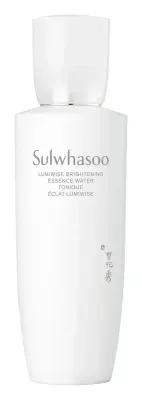 Sulwhasoo Lumiwise Brightening Essence WaterAmazon
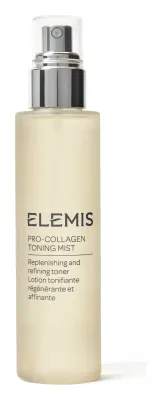 Elemis Pro-Collagen Toning MistAmazon
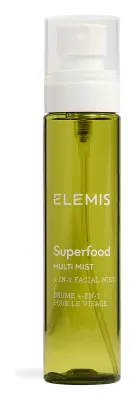 Elemis Superfood Multi MistAmazon
Hydrating Serums, Essences & Ampoules (8)
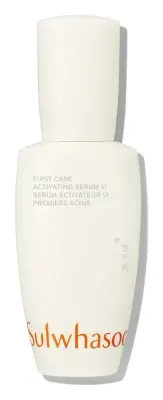 Sulwhasoo First Care Activating Serum VIAmazon
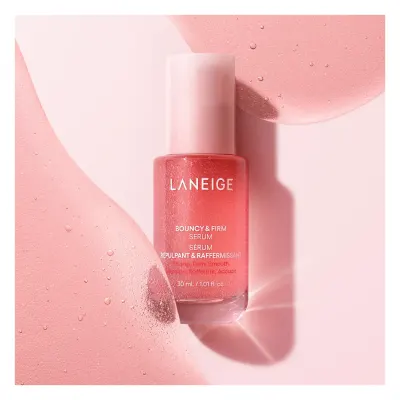 Laneige Bouncy & Firm SerumAmazon
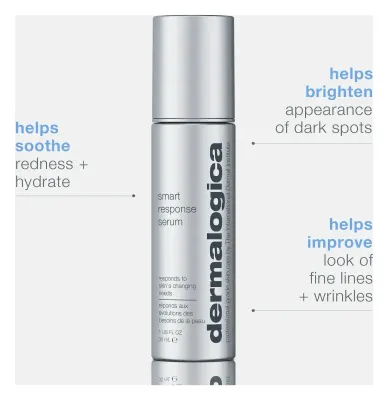 Dermalogica Smart Response SerumAmazon
 Dermalogica circular hydration serum with hyaluronic acidAmazon
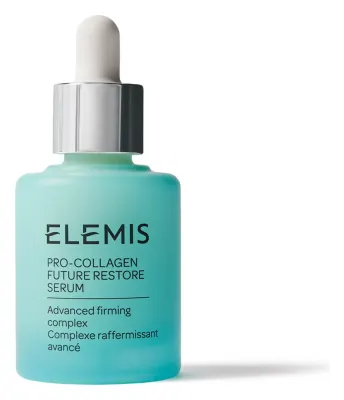 Elemis Pro-Collagen Future Restore SerumAmazon
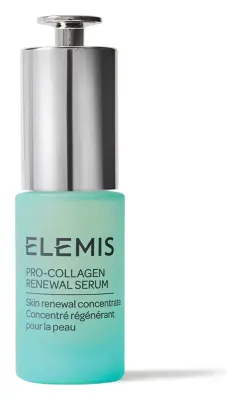 Elemis Pro-Collagen Renewal SerumAmazon
 Elemis ULTRA SMART Pro-Collagen Complex SerumAmazon
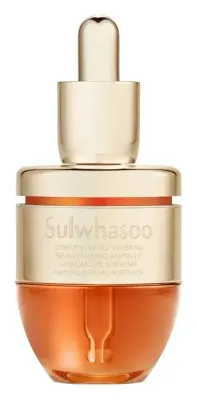 Sulwhasoo Concentrated Ginseng Rejuvenating AmpouleAmazon
Gel, Foam & Cream Facial Cleansers (8)
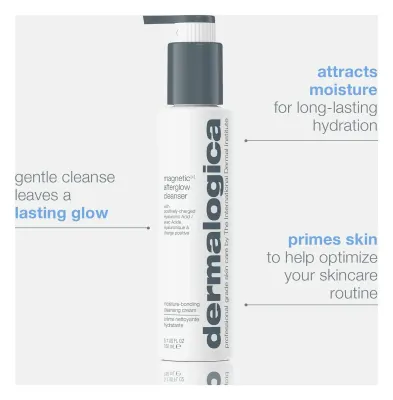 Dermalogica magnetic[+] afterglow cleanserAmazon
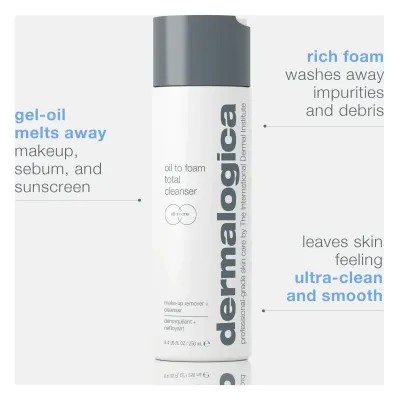 Dermalogica oil to foam total cleanserAmazon
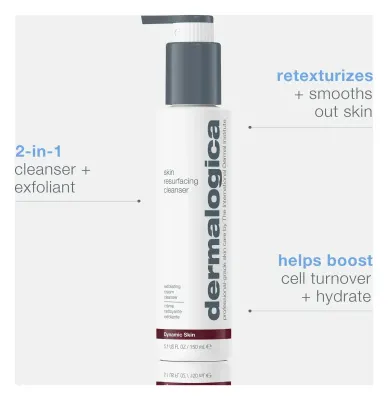 Dermalogica skin resurfacing lactic acid cleanserAmazon
 Sulwhasoo Concentrated Ginseng Rejuvenating Cleansing FoamAmazon
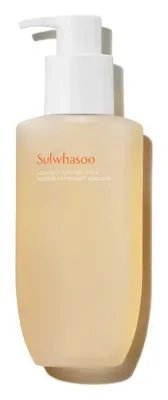 Sulwhasoo Gentle Cleansing FoamAmazon
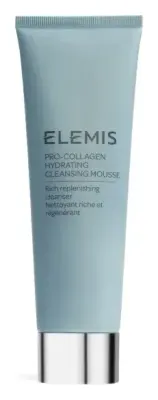 Elemis Pro-Collagen Hydrating Cleansing MousseAmazon
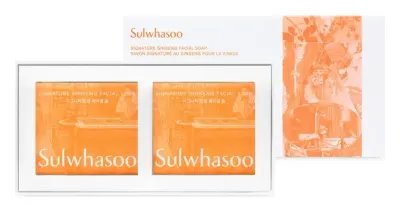 Sulwhasoo Signature Ginseng Facial SoapAmazon
 Elemis Superfood Facial WashAmazon
Targeted Vitamin C & Brightening Correctors (7)
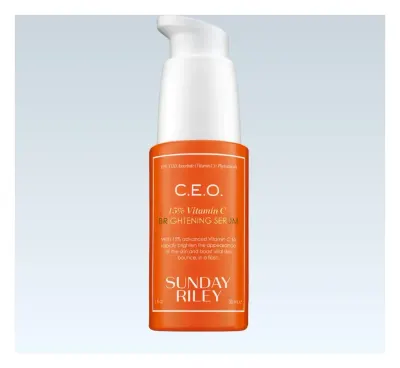 Sunday Riley C.E.O. 15% Vitamin C Brightening SerumAmazon
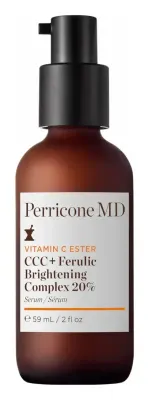 Perricone MD Vitamin C Ester CCC + Ferulic Brightening Complex 20%Amazon
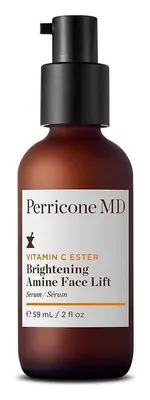 Perricone MD Vitamin C Ester Brightening Amine Face LiftAmazon
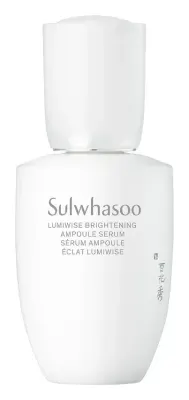 Sulwhasoo Lumiwise Brightening Ampoule SerumAmazon
 Sulwhasoo Lumiwise Discoloration CorrectorAmazon
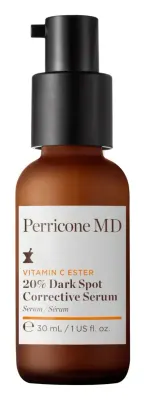 Perricone MD Vitamin C Ester 20% Dark Spot Corrective SerumAmazon
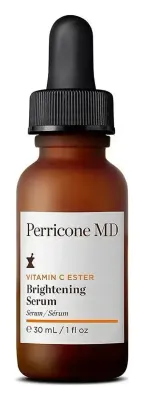 Perricone MD Vitamin C Ester Brightening SerumAmazon
Daily Sunscreens & SPF Moisturizers (7)
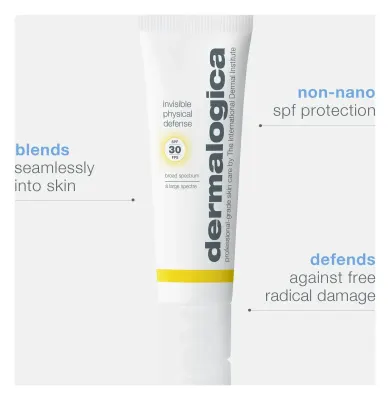 Dermalogica invisible physical defense mineral sunscreen spf30Amazon
 Dermalogica skinperfect primer spf30Amazon
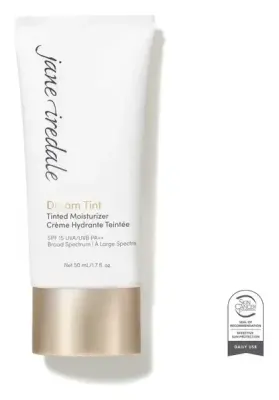 Jane Iredale Dream Tint Tinted Moisturizer SPF 15Amazon
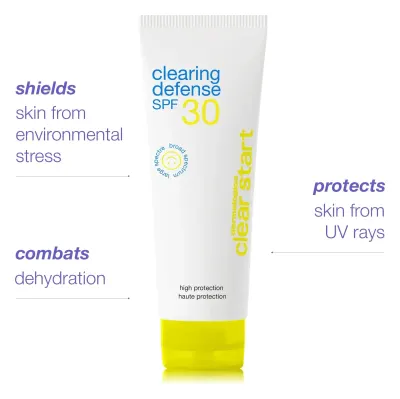 Dermalogica clearing defense spf30Amazon
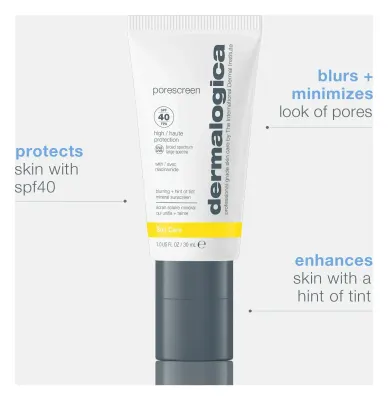 Dermalogica porescreen mineral sunscreen spf40Amazon
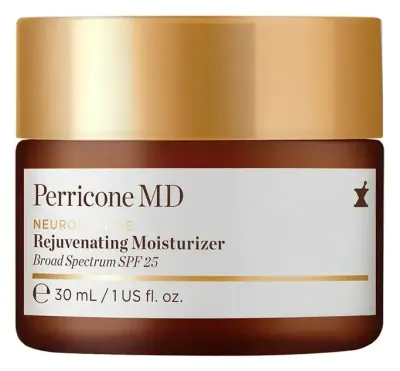 Perricone MD Neuropeptide Rejuvenating Moisturizer Broad Spectrum SPF 25Amazon
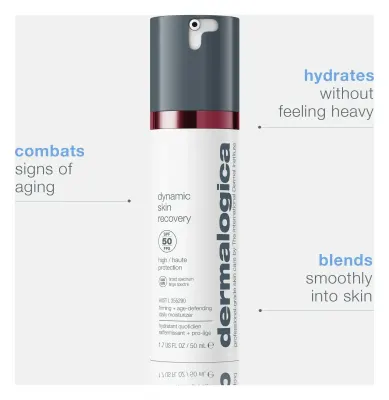 Dermalogica dynamic skin recovery spf50 moisturizerAmazon
Premium Double-Cleansing Balms & Melting Gels (5)
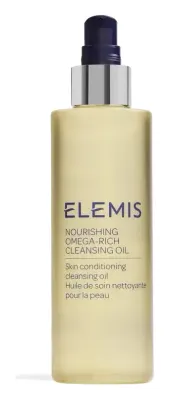
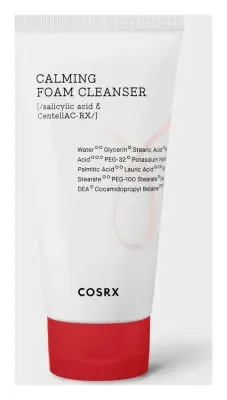
Eye Creams & Under-Eye Patches (5)
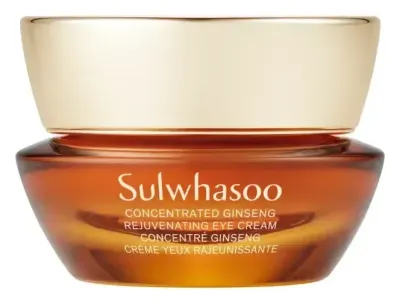

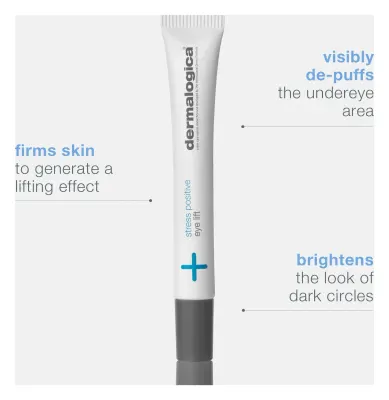

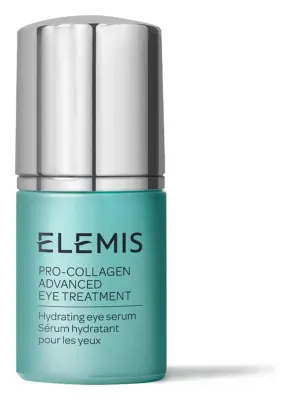
Skincare Sets & Routine Kits (5)
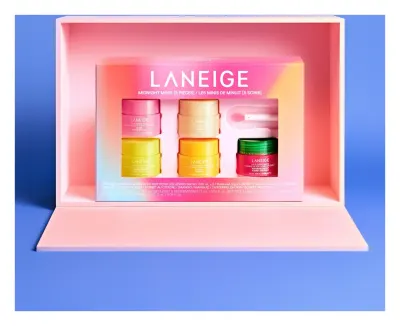 Laneige Midnight Minis Hydrating Lip Sleeping Mask Treatment 5 pc. Gift SetAmazon
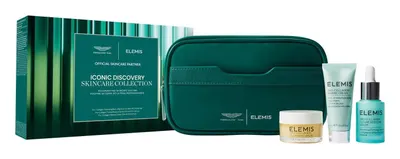 Elemis ELEMIS x Aston Martin Aramco Formula One Team Iconic Discovery Skincare CollectionAmazon
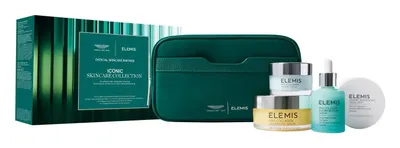 Elemis ELEMIS x Aston Martin Aramco Formula One Team Iconic Skincare CollectionAmazon
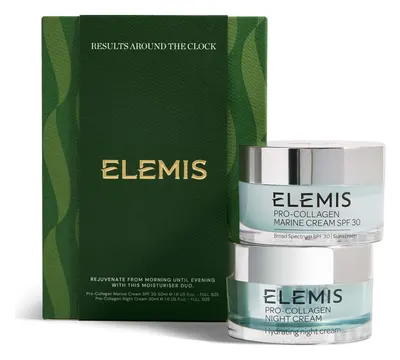 Elemis Results Around the ClockAmazon
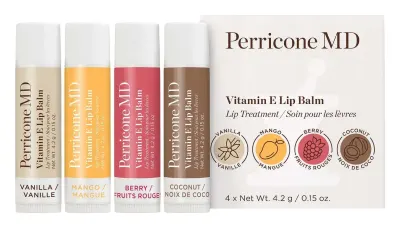 Perricone MD Vitamin E Lip Balm 4-packAmazon
Premium Overnight Recovery Packs & Sleeping Facials (4)
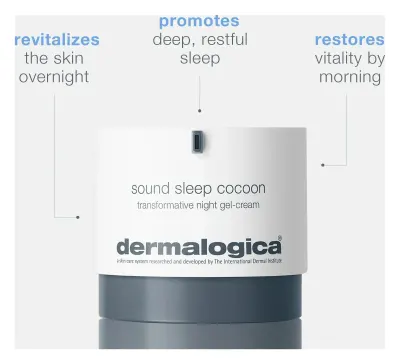
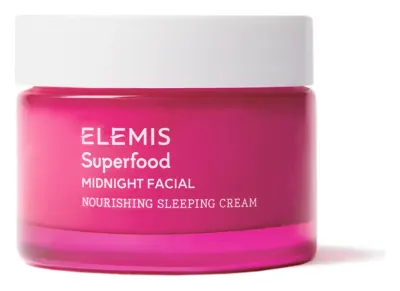

Anti-Aging & Retinoid Serums (4)


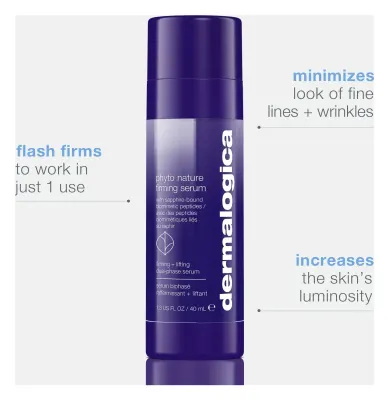
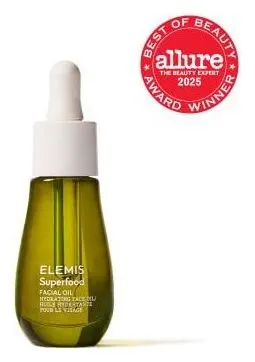
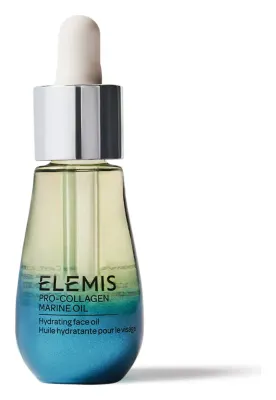
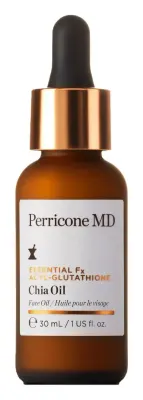
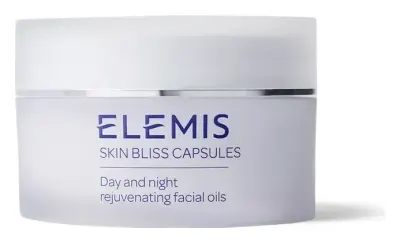
Face Oils & Treatment Oils (4)
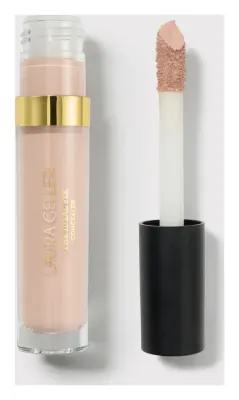
High-Definition Camouflage Concealers (4)
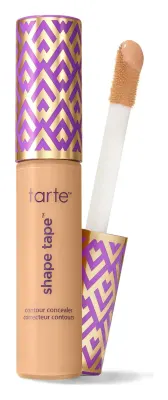

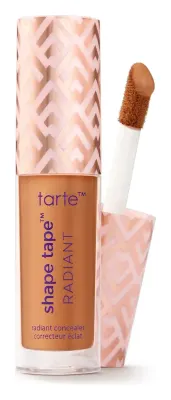
Physical & Enzyme Face Exfoliants (3)
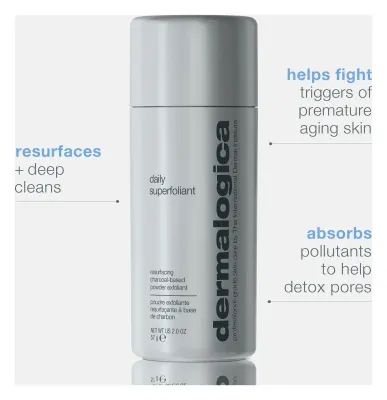
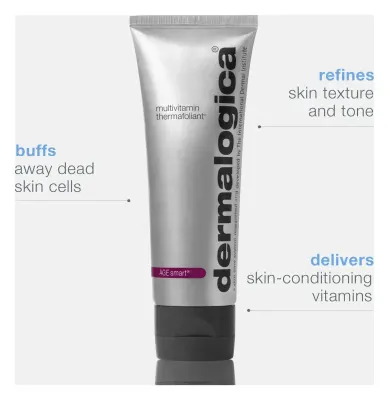
Sheet, Hydrogel & Clay Masks (3)

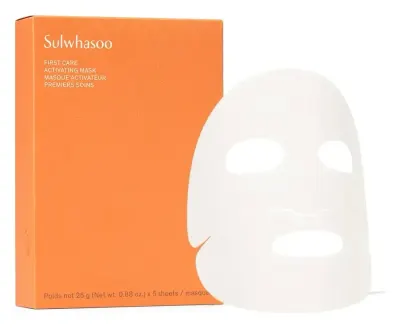
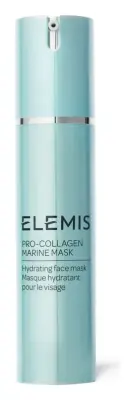
Cream & Gel Treatment Masks (2)

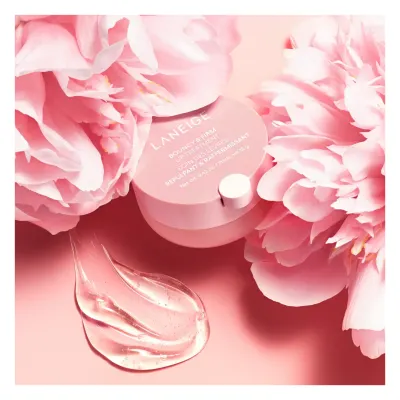
Intensive Lip Recovery Masks & Tinted Balms (2)
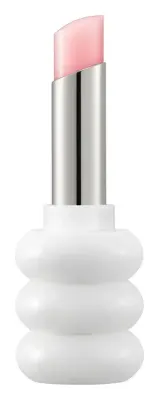
Lipsticks, Glosses & Lip Liners (2)
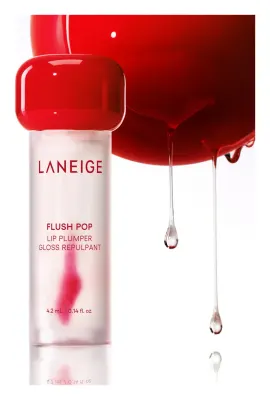
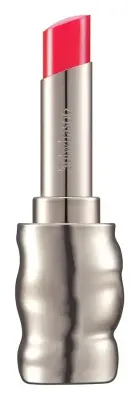
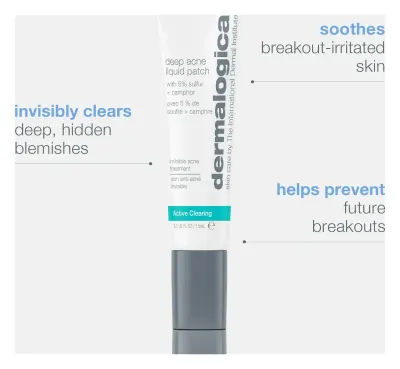
Pimple Patches & Overnight Spot Treatments (1)
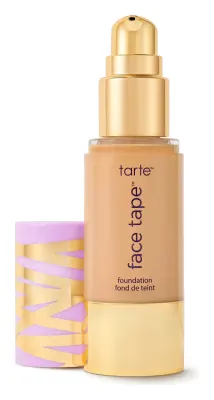
Full-Coverage Camouflage & Liquid Foundations (1)
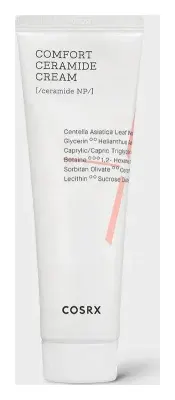
Skin Barrier Repair Creams & Recovery Jars (1)
Common questions
What is linalool in skincare?
Linalool is a naturally occurring fragrance component found in some plants and also used in fragrance blends. It may be listed as its own ingredient or be present in an aromatic material.
Why is linalool listed by name on some products?
EU cosmetic rules require certain fragrance allergens, including linalool, to be named on the ingredient list when they exceed specified levels. Its appearance can help people who are checking for a known allergy, but it does not describe the full scent formula.
Can linalool become more allergenic over time?
Linalool can oxidize when exposed to air, and oxidation products can be more likely to cause a contact allergy in some people. This is one reason fragrance ingredients may receive attention, especially from people with a known allergy.
Who might avoid linalool?
People with a confirmed linalool allergy may want to avoid products that list it. If you prefer unscented or scent-free skincare, you may also choose formulas without linalool and other added fragrance ingredients.