Lecithin
What lecithin and its related phospholipids do in skin care, where they may come from, and how to think about possible food-allergen sources.
Extremely safeIn 91 products we cover
We may earn a commission when you buy through links on this page. It never changes what we recommend.
Quick facts
- INCI name
- Lecithin
- Origin
- Plant-derived or Animal-derived or Synthetic
- Chemical class
- Phospholipid mixture
- What it does in a formula
- emulsifying, skin conditioning, emollient
- Why it is in the formula
- Lecithin-related phospholipids help oil and water components blend and can add a soft, conditioned feel.
What it is
A mixture of phospholipids with both water-attracting and oil-attracting ends, lecithin is a cosmetic ingredient that helps stabilize formulas containing both water and oil. It is commonly sourced from soy or sunflower, though it can also come from egg. Because sources vary across manufacturers, the ingredient name alone rarely reveals where it originated.
This page includes Hydrogenated Lecithin, Phosphatidylcholine, Phospholipids and Hydrogenated Phosphatidylcholine. Phosphatidylcholine is one type of phospholipid; the broader terms can refer to related mixtures. Hydrogenated versions have undergone a processing step that changes some of their fatty components. These are similar ingredients, but the names are not perfect synonyms.
What it does
- Helps emulsify. Lecithin can help oil and water components stay blended, supporting an even cream or lotion.
- Conditions skin. Its lipid character can add a soft, emollient feel to a formula.
- Helps carry other ingredients. Phospholipids are sometimes used to organize ingredients in small dispersed structures, depending on the formula.
- Supports texture. The exact effect depends on the blend and amount used, so lecithin is not automatically the ingredient that makes a product feel rich.
Who it suits
Lecithin itself is a helper ingredient, and products containing it can suit many skin types. The more relevant question for some shoppers is its possible source. Because soy or egg may be used, people with either food allergy should check with their doctor before relying on a cosmetic label. Highly refined oils often carry little protein, but that is not a promise that a particular lecithin ingredient is allergen-free. Ask the product maker about sourcing if it matters to you. The same name can also refer to materials made from different sources or processes, so the label may not answer every question.
What to pair it with, and what not to
There is no special active to pair with lecithin. It is part of the product’s structure and can appear alongside oils, water-based ingredients and moisturizers. Choose a finished formula that suits your skin and check its full ingredient list if you are avoiding a known allergen.
Skin Realist check: The supporting cast can be a little mysterious. The ingredient list is a useful clue, not a full biography.
How it appears on labels: Lecithin; Hydrogenated Lecithin; Phosphatidylcholine; Phospholipids; Hydrogenated Phosphatidylcholine
Quick picks with Lecithin
Scent-free, no patch-test flags on the label
Sunday Riley A.I. Smart Retinoid Serum
Hydroxypinacolone Retinoate · scent-free label
AmazonBrand lists it for sensitive skin
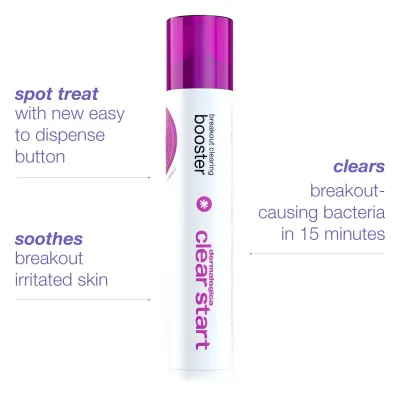
Dermalogica Breakout Clearing Booster
Salicylic acid, niacinamide, tea tree leaf oil, lactic acid · normal, dry, combination, oily, sensitive skin · scented
AmazonBrand lists it for oily skin
Perricone MD High Potency Triple Retinol Renewal Serum
Triple retinol blend, coenzyme Q10, and beta-carotene · oily, dry, combination, sensitive, normal skin · scent-free label
Amazon
All 91 products with Lecithin
Daily Moisturizers & Water Gel Creams (14)
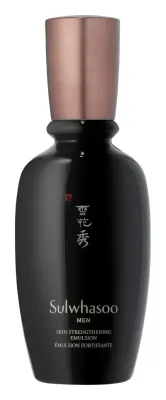 Sulwhasoo Skin Strengthening Emulsion for MenAmazon
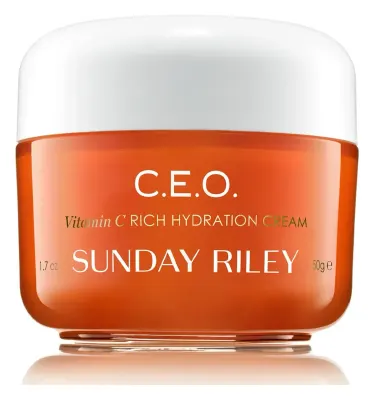 Sunday Riley C.E.O. Vitamin C Rich Hydration CreamAmazon
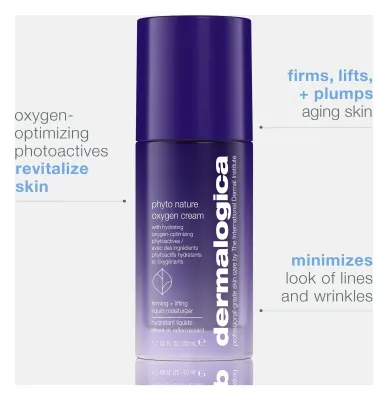 Dermalogica phyto nature oxygen creamAmazon
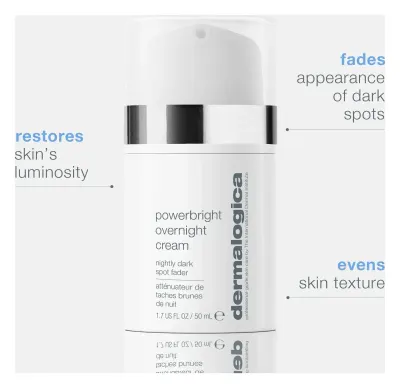 Dermalogica powerbright overnight creamAmazon
 Dermalogica skin smoothing cream moisturizerAmazon
 COSRX The Blue Peptide Bakuchiol Plump Bounce CreamAmazon
 Elemis ULTRA SMART Pro-Collagen Day CreamAmazon
 Dermalogica acne biotic moisturizerAmazon
 Perricone MD Cold Plasma Plus+ Advanced Hydrating ComplexAmazon
 Perricone MD Cold Plasma Plus+ Sub-D/NeckAmazon
 Sulwhasoo Concentrated Ginseng Rejuvenating Cream RichAmazon
 Perricone MD High Potency Hyaluronic Intensive MoisturizerAmazon
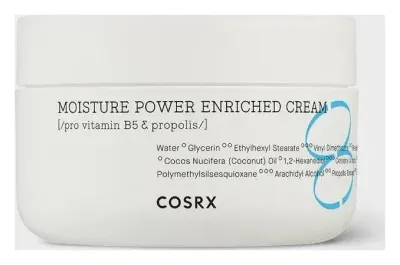 COSRX Hydrium Moisture Power Enriched CreamAmazon
 Elemis Superfood Day CreamAmazon
Eye Creams & Under-Eye Patches (12)
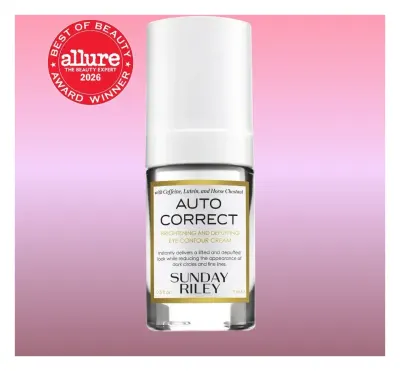 Sunday Riley Auto Correct Brightening + Depuffing Eye CreamAmazon
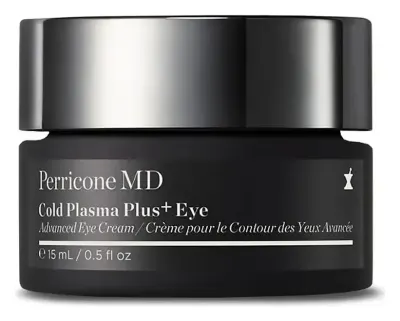 Perricone MD Cold Plasma Plus+ Advanced Eye CreamAmazon
 Sunday Riley 5 Stars Retinol + Niacinamide Eye SerumAmazon
 Dermalogica age reversal eye complexAmazon
 Dermalogica biolumin-c vitamin c eye serumAmazon
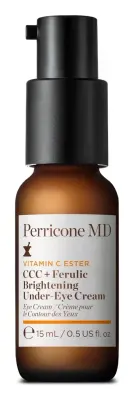 Perricone MD Vitamin C Ester CCC + Ferulic Brightening Under-Eye CreamAmazon
 Perricone MD High Potency Triple Retinol Renewal Eye SerumAmazon
 Perricone MD Neuropeptide Corrective Brightening Under-Eye CreamAmazon
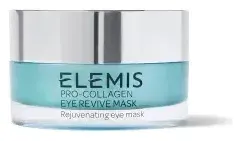 Elemis Pro-Collagen Eye Revive MaskAmazon
 Elemis Pro-Collagen Future Restore Eye SerumAmazon
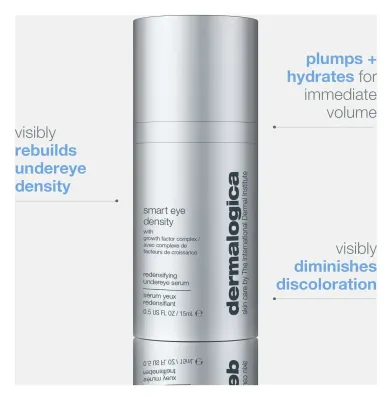 Dermalogica smart eye density undereye serumAmazon
 Laneige Water Bank Blue Hyaluronic Eye CreamAmazon
Anti-Aging & Retinoid Serums (10)
 Sunday Riley A.I. Smart Retinoid SerumAmazon
 Sunday Riley A+ High-Dose Retinoid SerumAmazon
 Perricone MD High Potency Triple Retinol Renewal SerumAmazon
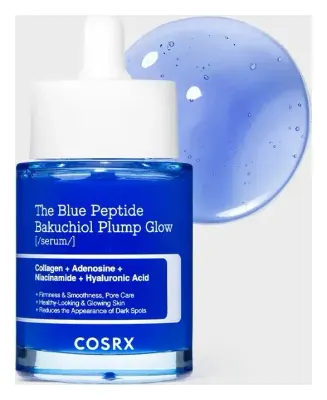 COSRX The Blue Peptide Bakuchiol Plump Glow SerumAmazon
 COSRX The Retinol 0.1 CreamAmazon
 COSRX The Retinol 0.3 CreamAmazon
 Sulwhasoo Concentrated Ginseng Rejuvenating SerumAmazon
 Dermalogica futurecode booster damage-correcting longevity serumAmazon
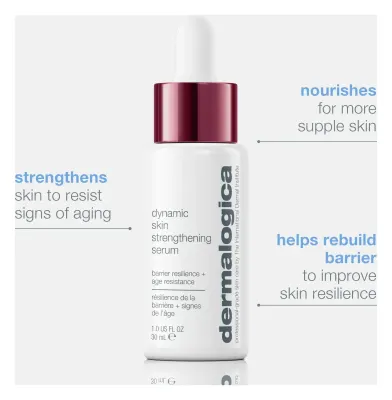 Dermalogica dynamic skin strengthening serumAmazon
 Perricone MD Neuropeptide Firming Facial ConcentrateAmazon
Targeted Vitamin C & Brightening Correctors (7)
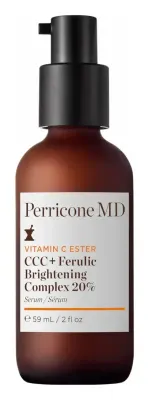 Perricone MD Vitamin C Ester CCC + Ferulic Brightening Complex 20%Amazon
 Dermalogica powerbright dark spot peelAmazon
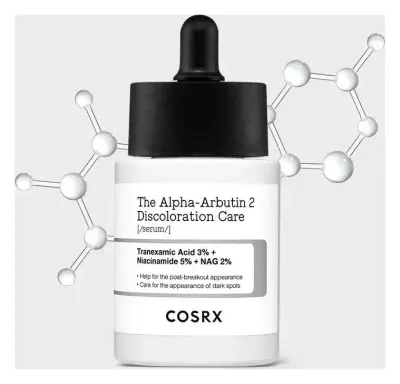 COSRX The Alpha-Arbutin 2 Discoloration Care SerumAmazon
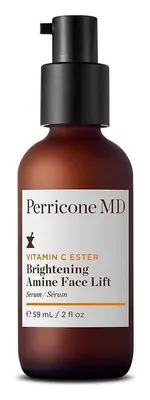 Perricone MD Vitamin C Ester Brightening Amine Face LiftAmazon
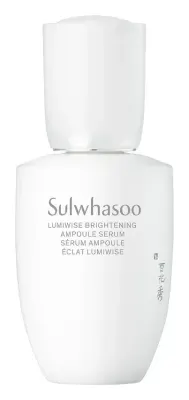 Sulwhasoo Lumiwise Brightening Ampoule SerumAmazon
 Sulwhasoo Lumiwise Discoloration CorrectorAmazon
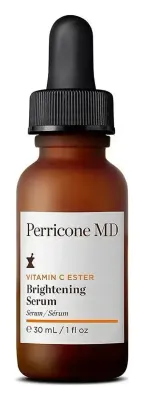 Perricone MD Vitamin C Ester Brightening SerumAmazon
Hydrating Serums, Essences & Ampoules (6)
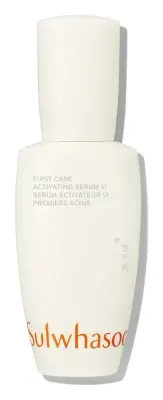
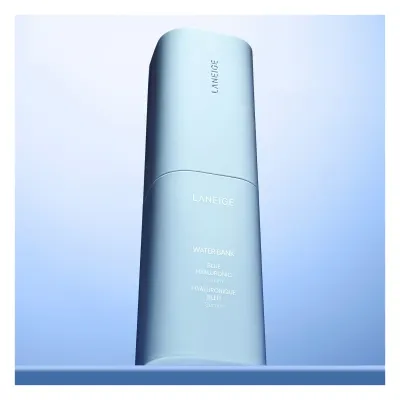


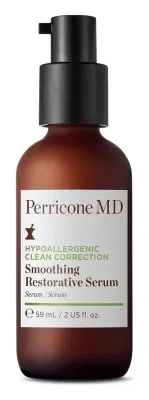
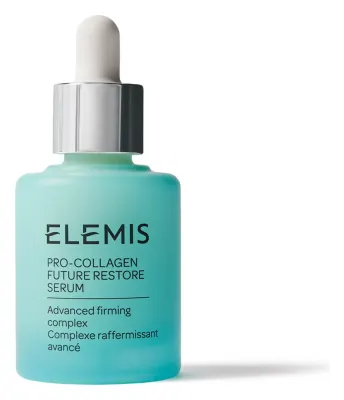
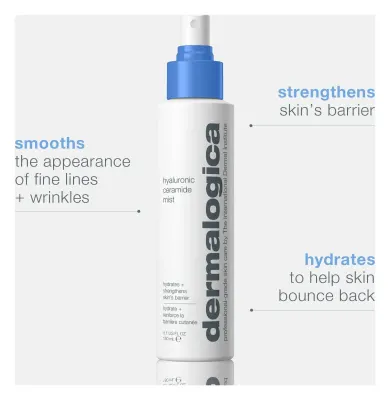
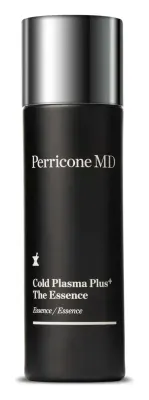
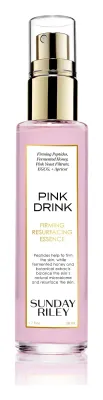
Hydrating Toners, Essence Waters & Face Mists (5)

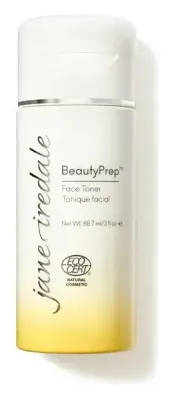
Sheet, Hydrogel & Clay Masks (4)
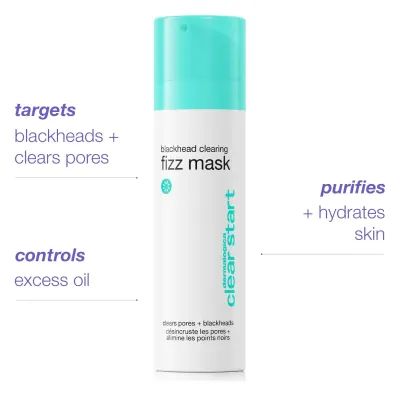
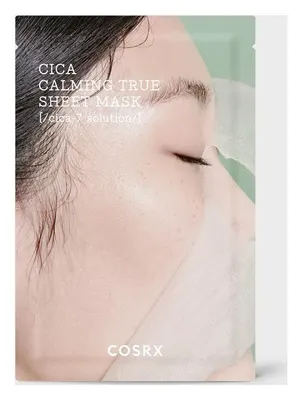


Skin Barrier Repair Creams & Recovery Jars (3)
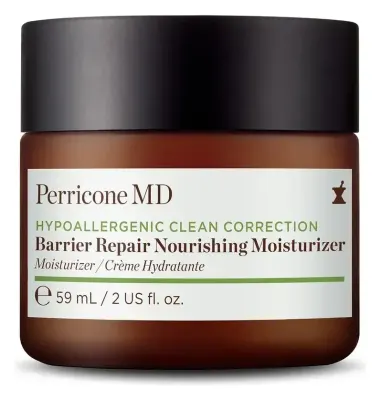

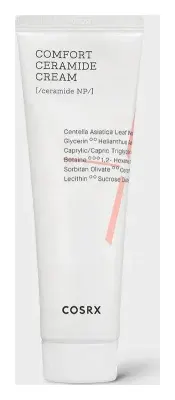
Premium Double-Cleansing Balms & Melting Gels (3)
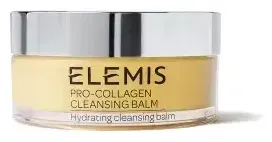
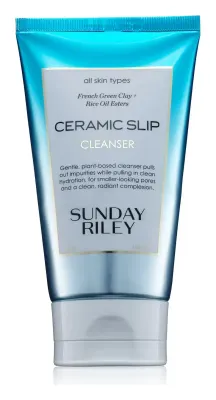
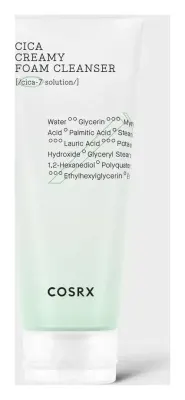
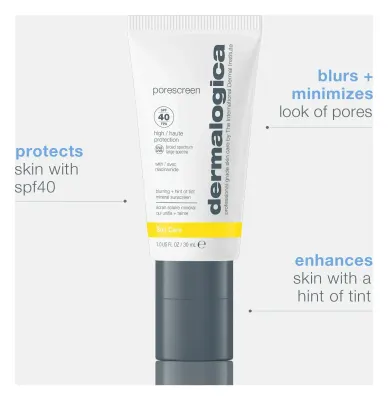
Daily Sunscreens & SPF Moisturizers (3)
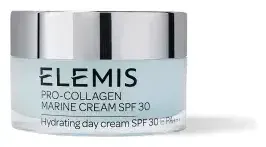

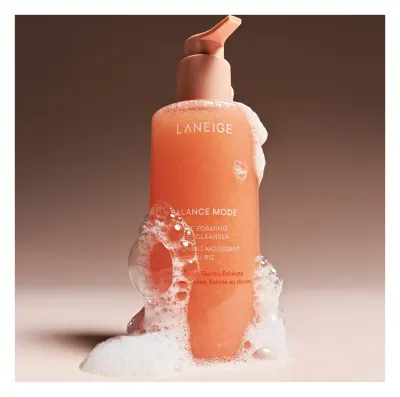
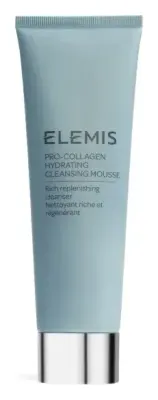
Gel, Foam & Cream Facial Cleansers (3)

Body Creams, Butters & Body Oils (3)
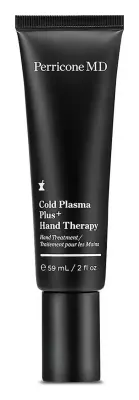
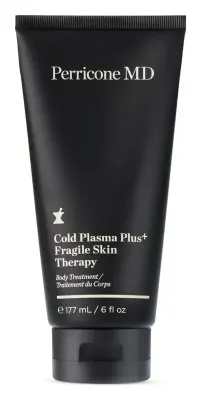
Cream & Gel Treatment Masks (3)


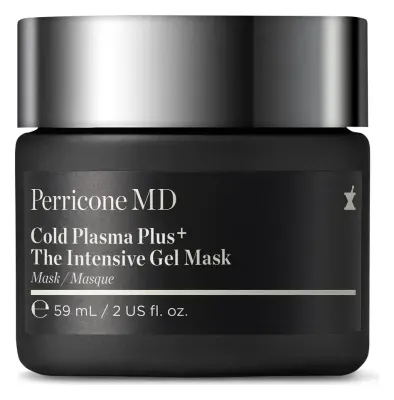
High-Definition Camouflage Concealers (3)

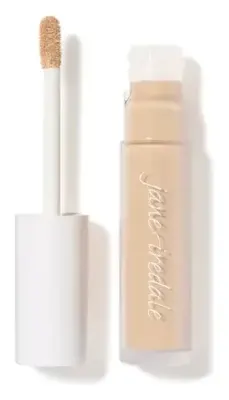
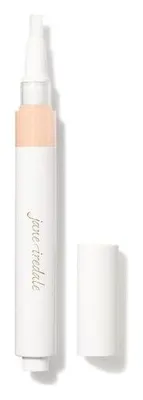
Intensive Lip Recovery Masks & Tinted Balms (2)
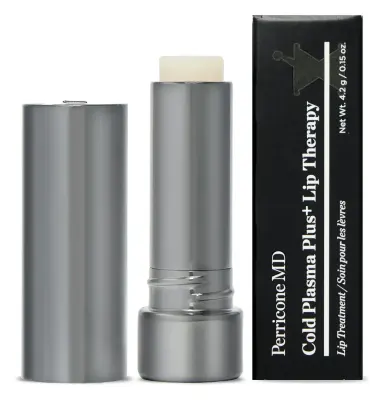
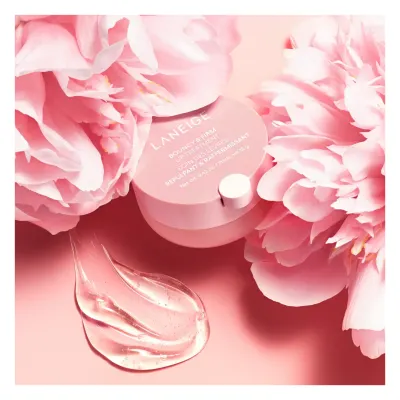
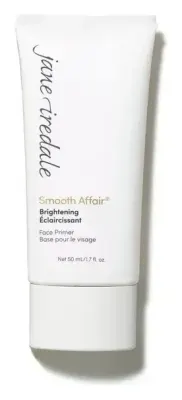
Mineral Pressed Powders & Skin-Nourishing Primers (2)

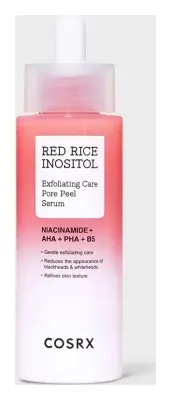
Dermatological Acne & Chemical Exfoliating Liquids (2)

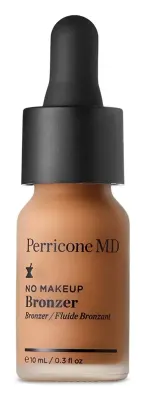
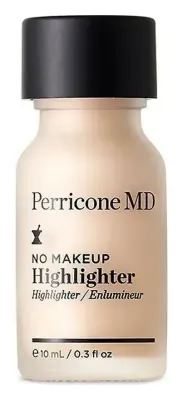
Blush, Bronzers & Highlighters (2)
Pimple Patches & Overnight Spot Treatments (1)
Premium Overnight Recovery Packs & Sleeping Facials (1)

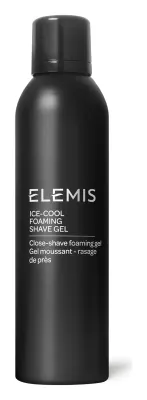
Shaving Creams, Gels & Oils (1)
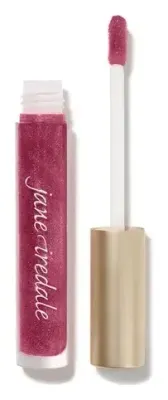
Lipsticks, Glosses & Lip Liners (1)
Common questions
What does lecithin do in skincare?
Lecithin and related phospholipids can help oil and water mix and contribute to a soft feel. They are formulation helpers, not a headline active.
Is lecithin made from soy or eggs?
It is commonly sourced from soy or sunflower and can also come from egg. The label often does not identify the source, so contact the manufacturer if you need to know.
Can lecithin trigger a soy or egg allergy?
The source can vary, and refined oils may contain little protein, but a cosmetic label cannot guarantee an ingredient is allergen-free. If you have a soy or egg allergy, ask your doctor about products containing lecithin.
Is hydrogenated lecithin different from lecithin?
Hydrogenated lecithin has been processed to alter some of its fatty components. It serves similar formulation roles, but the two names refer to related rather than identical materials.