Limonene
What limonene does in skincare, why citrus-derived fragrance can appear by name on labels, and who may want to avoid it.
We may earn a commission when you buy through links on this page. It never changes what we recommend.
What it is
Limonene is an aromatic compound found in citrus peels and other plants. It is used in fragrance and can contribute a citrus-like note to a cosmetic formula. It may also be present naturally in citrus peel oils. The ingredient name does not tell you whether the product smells strongly of citrus, since the overall scent depends on the whole formula and the amount used.
Limonene is one of the fragrance allergens that EU cosmetic labeling rules require to be declared by name when it is above specified concentration thresholds. That can help a person with a known allergy check a product label. Like other named fragrance allergens, it is only one part of the scent picture, not a complete list of every aromatic component.
What it does
- Contributes a citrus-like scent. It is used as a fragrance component in some products.
- Can come from citrus materials. Citrus peel oils may contain limonene naturally.
- Can signal a fragrance ingredient. Its separate listing is useful to people checking for a specific known allergen.
Who it suits
If you enjoy scented products and do not have a known sensitivity to limonene, a product containing it may fit your preferences. If you have a confirmed allergy, check the complete ingredient list and follow your clinician’s advice. If you prefer scent-free products, you may also want to look for other fragrance ingredients, such as fragrance or essential oils, rather than checking only for limonene.
Limonene can oxidize after exposure to air. Its oxidation products can be more allergenic for some people, which is why storage and the age of a fragranced product may matter when someone already knows they react to it. That fact does not tell you how your skin will respond to every formula. Use cosmetics according to their directions, and stop using a product if you notice a reaction or if it has changed in smell, color, or texture.
What to pair it with, and what not to
Limonene is included for fragrance, so it does not need to be paired with another skincare ingredient. If you are keeping a routine simple while sorting out a sensitivity, avoid starting several scented products at once. Choose a fragrance-free formula if your goal is to avoid added scent, and review the complete label because other aromatic ingredients may be present. There is no reason to keep using a product that is uncomfortable just because its citrus scent seems refreshing.
Skin Realist check: A bright citrus note can be nice, but it is not a required skincare step. Your routine can be pleasantly uneventful and still count.
Quick picks with Limonene
Brand lists it for sensitive skin
Dermalogica biolumin-c vitamin c serum
Vitamin C · oily, dry, combination, sensitive, normal skin · scented
AmazonBrand lists it for oily skin
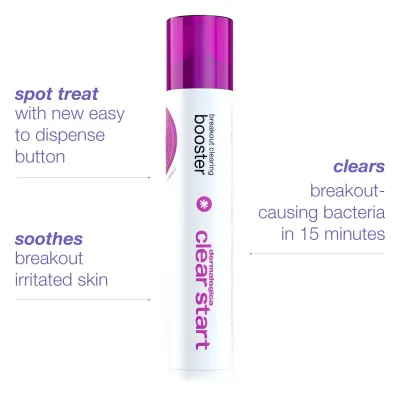
Dermalogica Breakout Clearing Booster
Salicylic acid, niacinamide, tea tree leaf oil, lactic acid · normal, dry, combination, oily, sensitive skin · scented
AmazonBrand lists it for dry skin
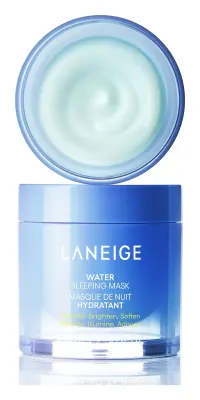
Laneige Water Sleeping Mask
Squalane, niacinamide, ceramides, three types of hyaluronic acid · dry, normal skin · scented
Amazon
All 132 products with Limonene
Daily Moisturizers & Water Gel Creams (24)
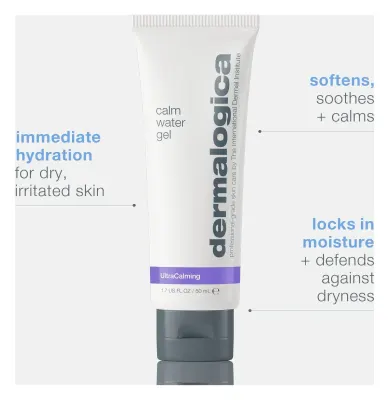 Dermalogica calm water gelAmazon
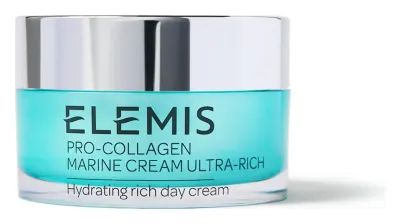 Elemis Pro-Collagen Marine Cream Ultra-RichAmazon
 Sulwhasoo Concentrated Ginseng Rejuvenating CreamAmazon
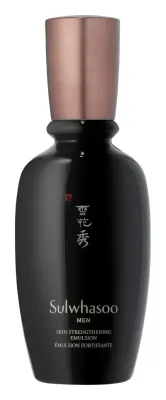 Sulwhasoo Skin Strengthening Emulsion for MenAmazon
 Elemis Pro-Collagen Night CreamAmazon
 Dermalogica biolumin-c vitamin c gel moisturizerAmazon
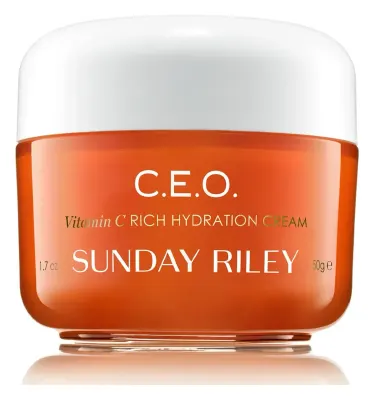 Sunday Riley C.E.O. Vitamin C Rich Hydration CreamAmazon
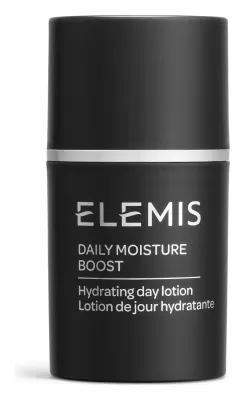 Elemis Daily Moisture BoostAmazon
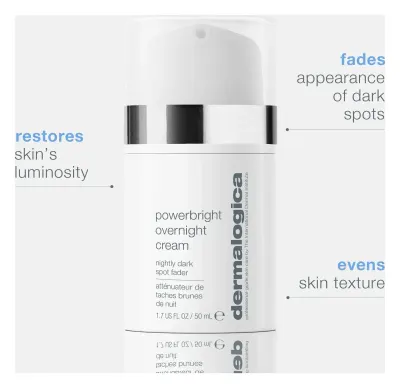 Dermalogica powerbright overnight creamAmazon
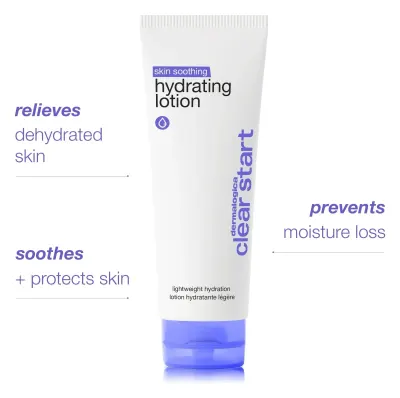 Dermalogica skin soothing hydrating lotionAmazon
 Elemis ULTRA SMART Pro-Collagen Day CreamAmazon
 Dermalogica acne biotic moisturizerAmazon
 Perricone MD Cold Plasma Plus+ Sub-D/NeckAmazon
 Sulwhasoo Concentrated Ginseng Rejuvenating Cream RichAmazon
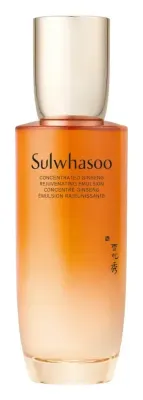 Sulwhasoo Concentrated Ginseng Rejuvenating EmulsionAmazon
 Sulwhasoo Essential Firming Cream EXAmazon
 Dermalogica multivitamin power recovery creamAmazon
 Perricone MD Neuropeptide Pro-Strength Firming MoisturizerAmazon
 Dermalogica pro-collagen banking water creamAmazon
 Elemis Pro-Collagen Morning MatrixAmazon
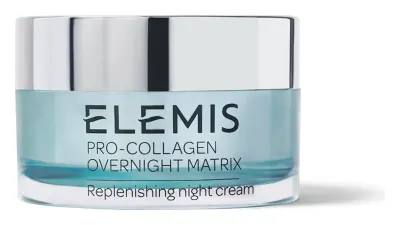 Elemis Pro-Collagen Overnight MatrixAmazon
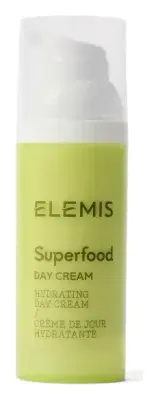 Elemis Superfood Day CreamAmazon
 Elemis Superfood Glow Priming MoisturiserAmazon
 Elemis ULTRA SMART Pro-Collagen Night GeniusAmazon
Body Creams, Butters & Body Oils (19)
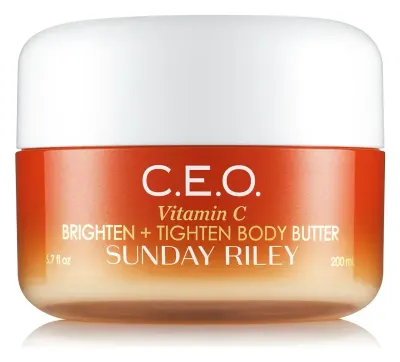 Sunday Riley C.E.O. Body ButterAmazon
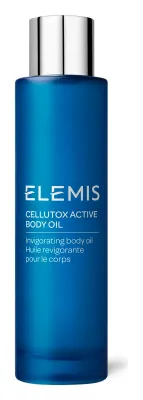 Elemis Cellutox Active Body OilAmazon
 Elemis Pro-Collagen Marine Body CreamAmazon
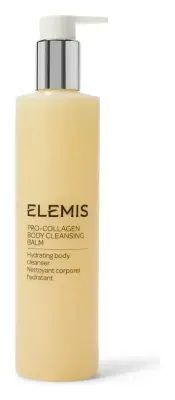 Elemis Pro-Collagen Body Cleansing BalmAmazon
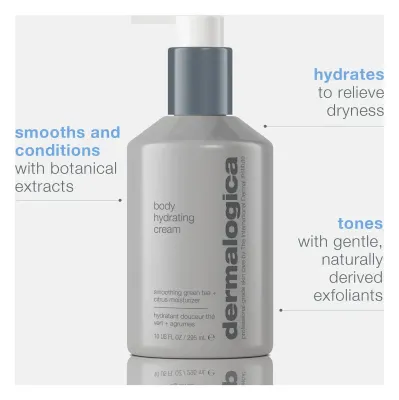 Dermalogica body hydrating creamAmazon
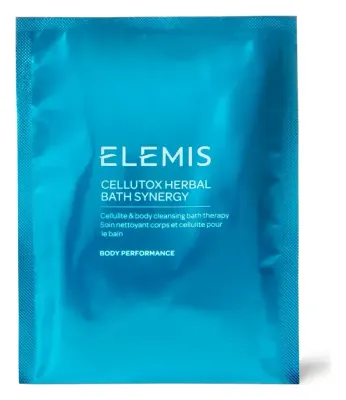 Elemis Cellutox Herbal Bath SynergyAmazon
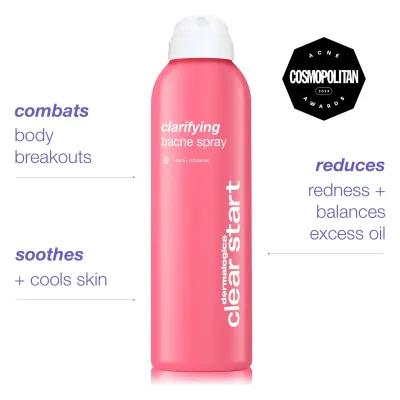 Dermalogica clarifying bacne sprayAmazon
 Perricone MD Cold Plasma Plus + The Intensive Hydrating Body BalmAmazon
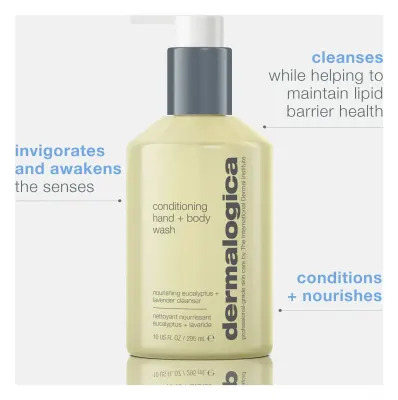 Dermalogica conditioning hand + body washAmazon
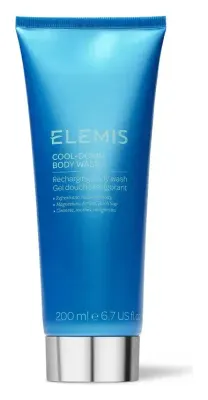 Elemis Cool-Down Body WashAmazon
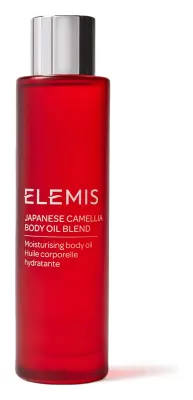 Elemis Japanese Camellia Body Oil BlendAmazon
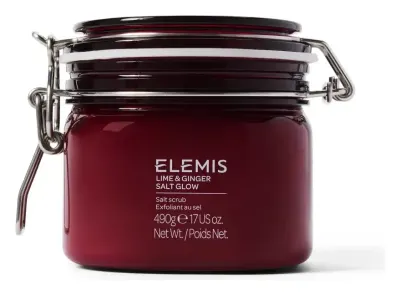 Elemis Lime & Ginger Salt GlowAmazon
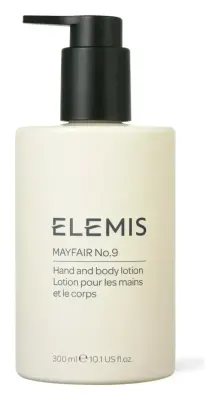 Elemis Mayfair No.9 Hand & Body LotionAmazon
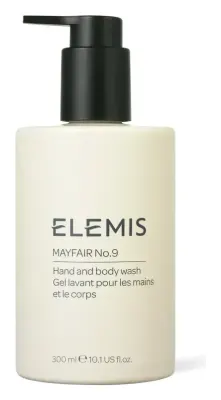 Elemis Mayfair No.9 Hand & Body WashAmazon
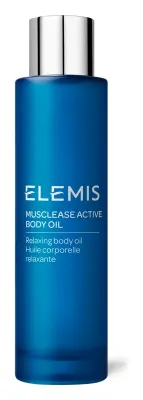 Elemis Musclease Active Body OilAmazon
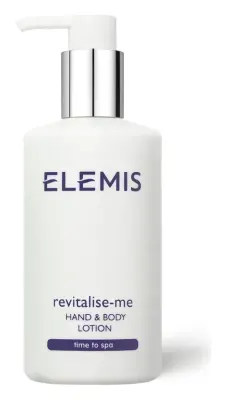 Elemis Revitalise-Me Hand & Body LotionAmazon
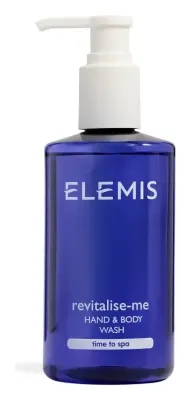 Elemis Revitalise-Me Hand & Body WashAmazon
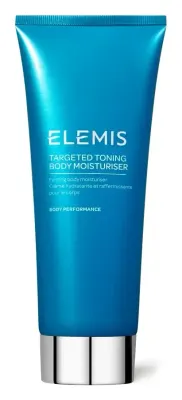 Elemis Targeted Toning Body MoisturiserAmazon
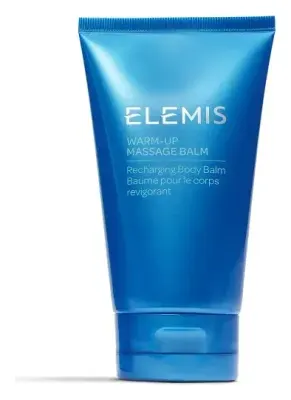 Elemis Warm-Up Massage BalmAmazon
Gel, Foam & Cream Facial Cleansers (10)
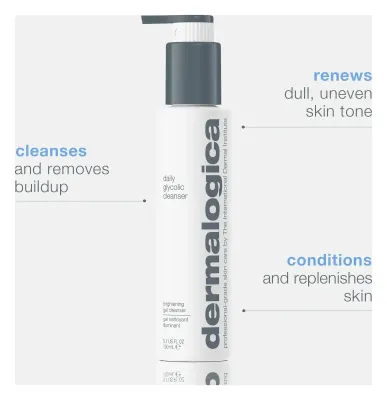 Dermalogica daily glycolic cleanserAmazon
 Dermalogica intensive moisture cleanserAmazon
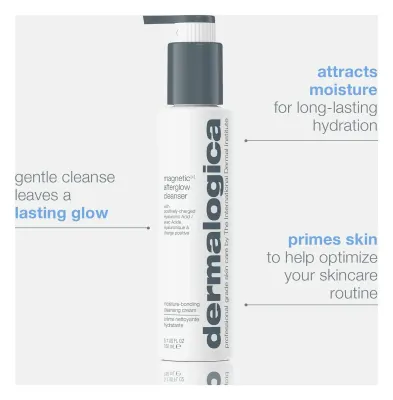 Dermalogica magnetic[+] afterglow cleanserAmazon
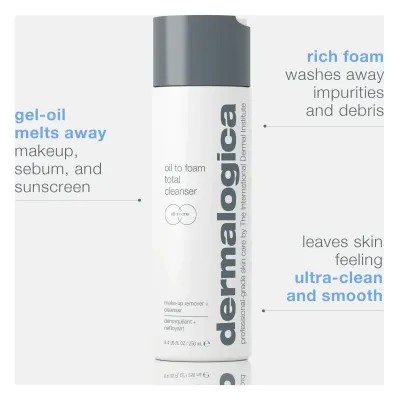 Dermalogica oil to foam total cleanserAmazon
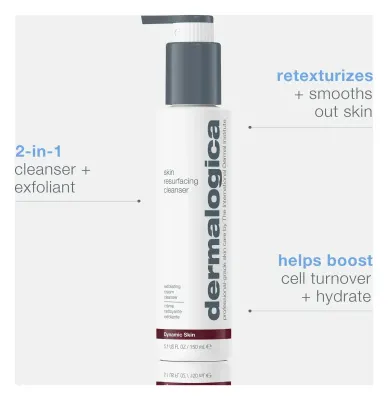 Dermalogica skin resurfacing lactic acid cleanserAmazon
 Sulwhasoo Concentrated Ginseng Rejuvenating Cleansing FoamAmazon
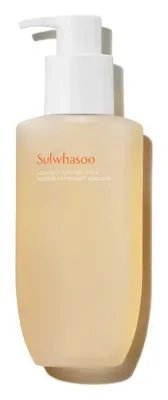 Sulwhasoo Gentle Cleansing FoamAmazon
 Perricone MD Neuropeptide Pore-Refining & Resurfacing Cream CleanserAmazon
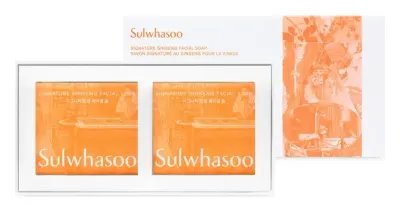 Sulwhasoo Signature Ginseng Facial SoapAmazon
 Elemis Superfood Facial WashAmazon
Targeted Vitamin C & Brightening Correctors (9)
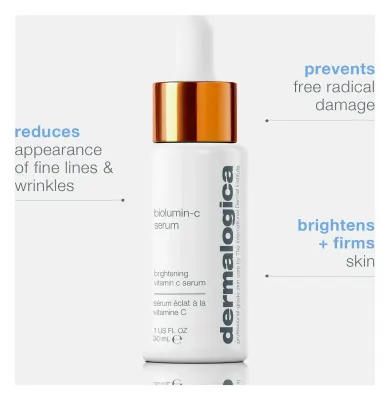 Dermalogica biolumin-c vitamin c serumAmazon
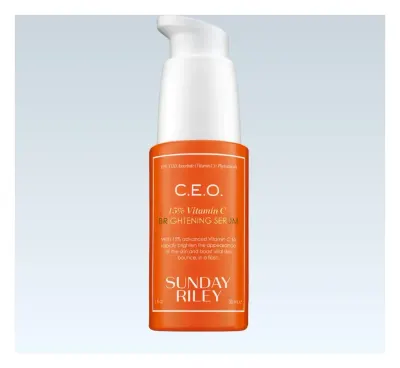 Sunday Riley C.E.O. 15% Vitamin C Brightening SerumAmazon
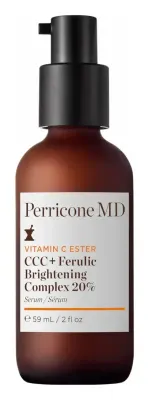 Perricone MD Vitamin C Ester CCC + Ferulic Brightening Complex 20%Amazon
 Dermalogica powerbright dark spot peelAmazon
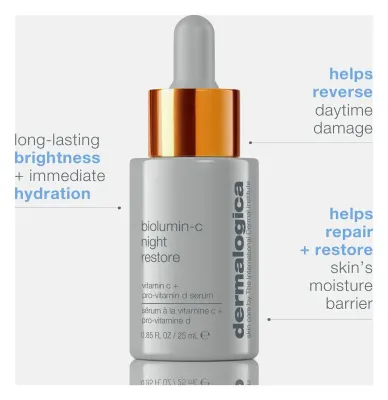 Dermalogica biolumin-c night restore serumAmazon
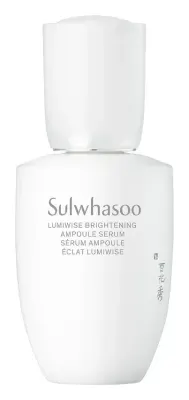 Sulwhasoo Lumiwise Brightening Ampoule SerumAmazon
 Sulwhasoo Lumiwise Discoloration CorrectorAmazon
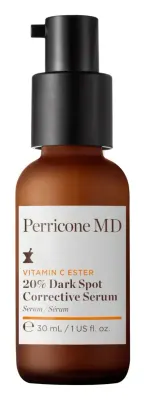 Perricone MD Vitamin C Ester 20% Dark Spot Corrective SerumAmazon
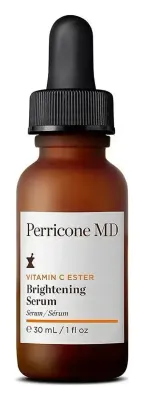 Perricone MD Vitamin C Ester Brightening SerumAmazon
Hydrating Toners, Essence Waters & Face Mists (9)
 Dermalogica antioxidant hydramistAmazon
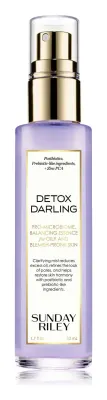 Sunday Riley Detox Darling Clarifying MistAmazon
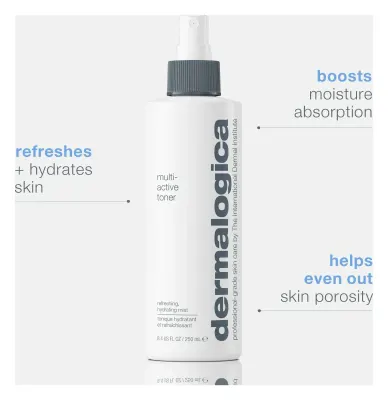 Dermalogica multi-active tonerAmazon
 Elemis Balancing Lavender TonerAmazon
 Sulwhasoo Concentrated Ginseng Rejuvenating WaterAmazon
 Sulwhasoo First Care Activating Serum MistAmazon
 Sulwhasoo Lumiwise Brightening Essence WaterAmazon
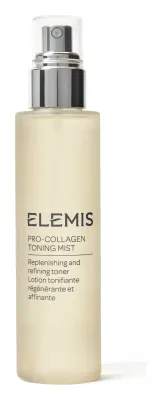 Elemis Pro-Collagen Toning MistAmazon
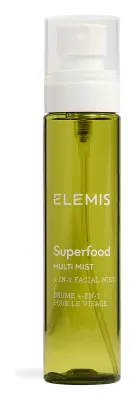 Elemis Superfood Multi MistAmazon
Daily Sunscreens & SPF Moisturizers (8)
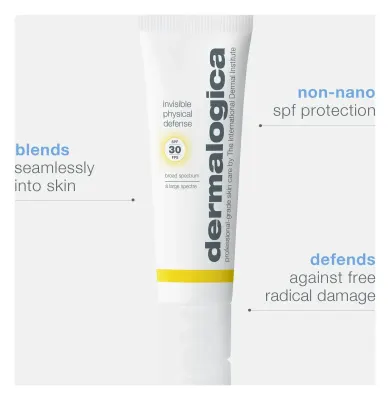 Dermalogica invisible physical defense mineral sunscreen spf30Amazon
 Dermalogica biolumin-c heat aging protector spf50Amazon
 Dermalogica skinperfect primer spf30Amazon
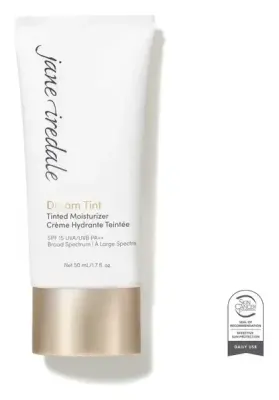 Jane Iredale Dream Tint Tinted Moisturizer SPF 15Amazon
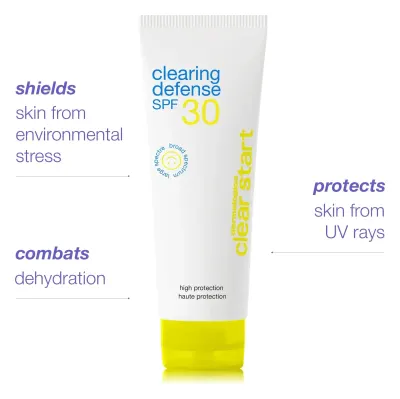 Dermalogica clearing defense spf30Amazon
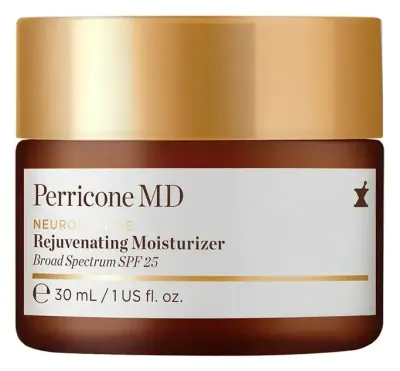 Perricone MD Neuropeptide Rejuvenating Moisturizer Broad Spectrum SPF 25Amazon
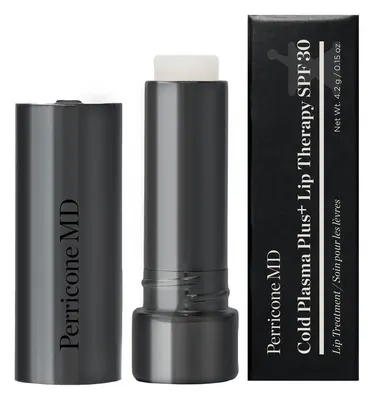 Perricone MD Cold Plasma Plus+ Lip Therapy SPF 30Amazon
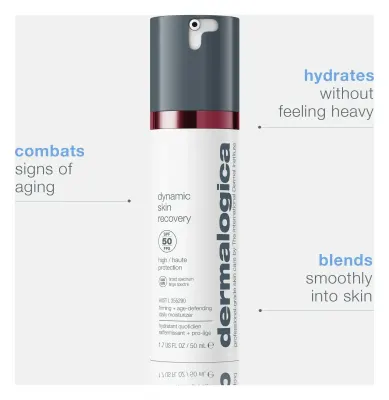 Dermalogica dynamic skin recovery spf50 moisturizerAmazon
Premium Double-Cleansing Balms & Melting Gels (6)
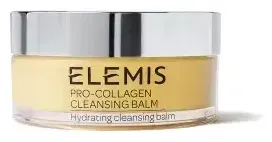
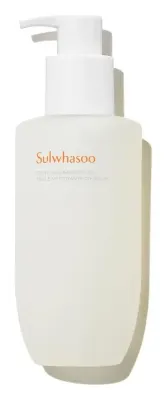
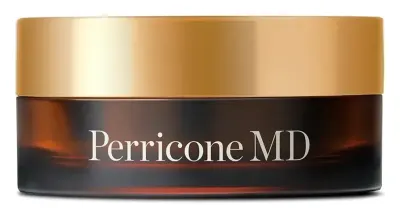
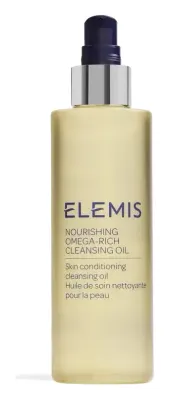
Skincare Sets & Routine Kits (6)
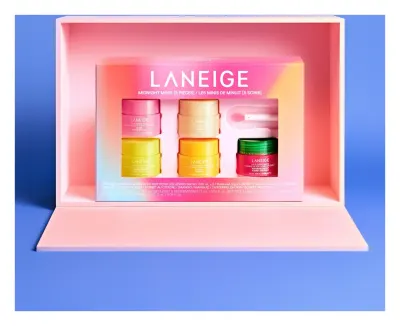 Laneige Midnight Minis Hydrating Lip Sleeping Mask Treatment 5 pc. Gift SetAmazon
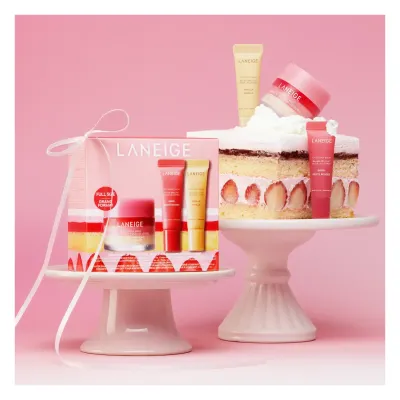 Laneige Berry Sweet Lip TrioAmazon
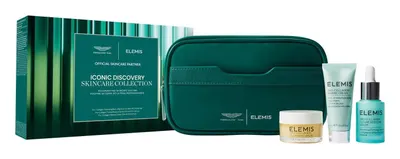 Elemis ELEMIS x Aston Martin Aramco Formula One Team Iconic Discovery Skincare CollectionAmazon
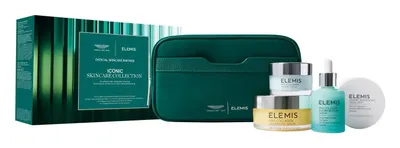 Elemis ELEMIS x Aston Martin Aramco Formula One Team Iconic Skincare CollectionAmazon
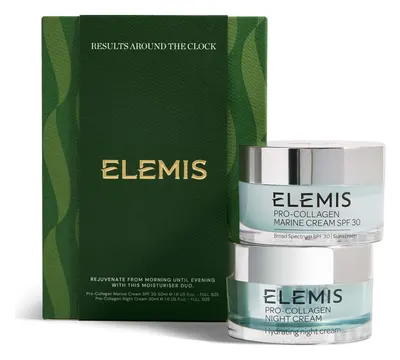 Elemis Results Around the ClockAmazon
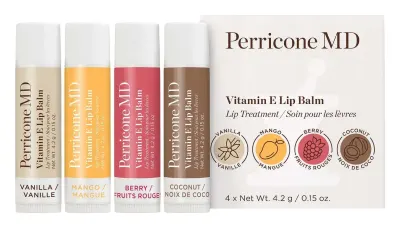 Perricone MD Vitamin E Lip Balm 4-packAmazon
Hydrating Serums, Essences & Ampoules (5)
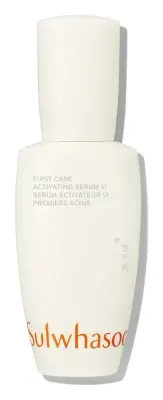
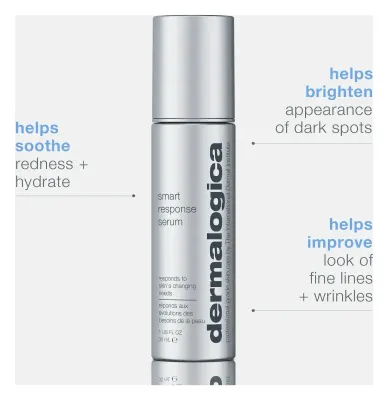


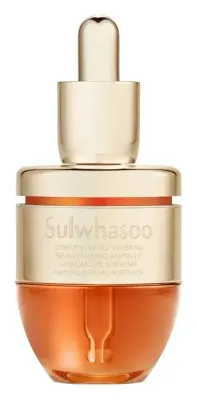
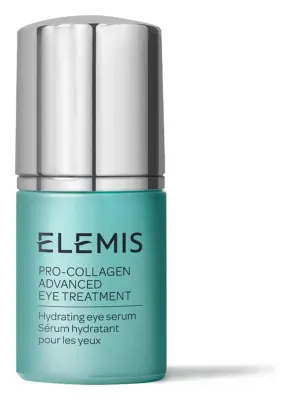
Eye Creams & Under-Eye Patches (5)
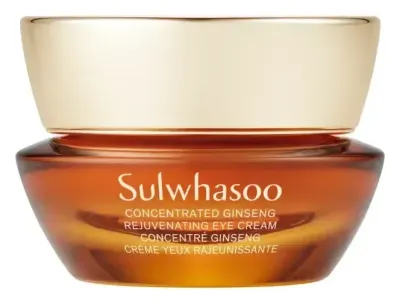



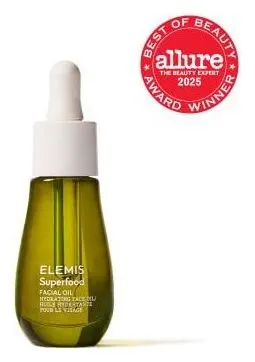
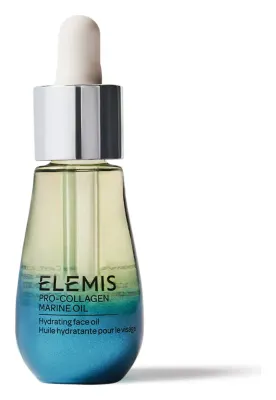
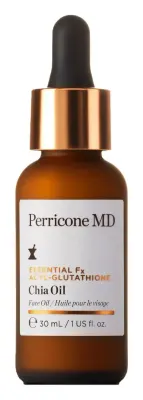
Face Oils & Treatment Oils (4)
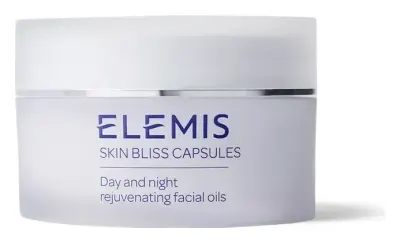
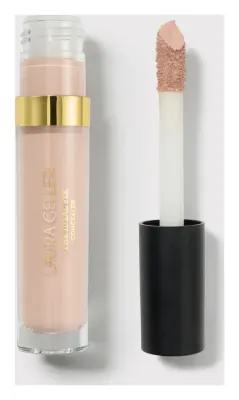
High-Definition Camouflage Concealers (4)
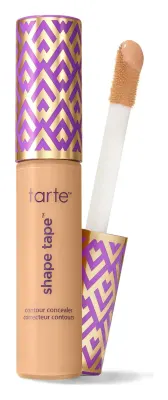

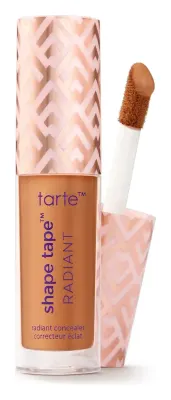
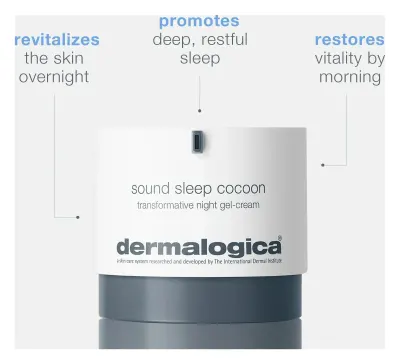
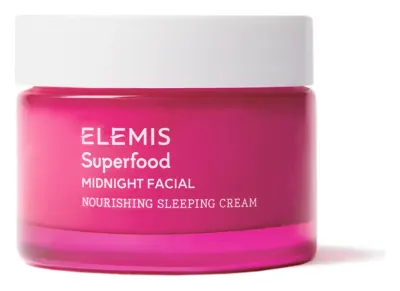
Premium Overnight Recovery Packs & Sleeping Facials (3)
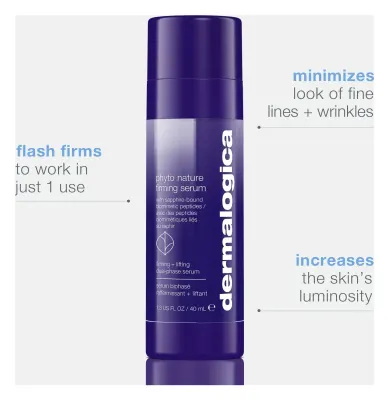
Anti-Aging & Retinoid Serums (3)


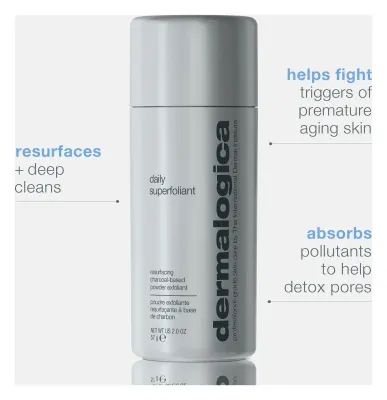
Physical & Enzyme Face Exfoliants (3)
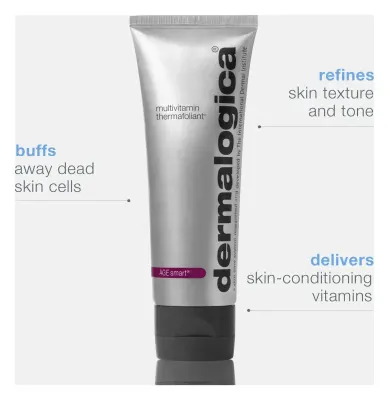
Sheet, Hydrogel & Clay Masks (3)

Pimple Patches & Overnight Spot Treatments (2)
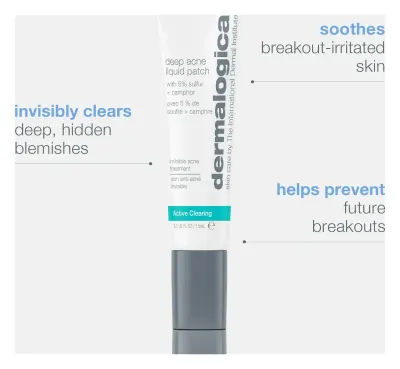
Dermatological Acne & Chemical Exfoliating Liquids (2)
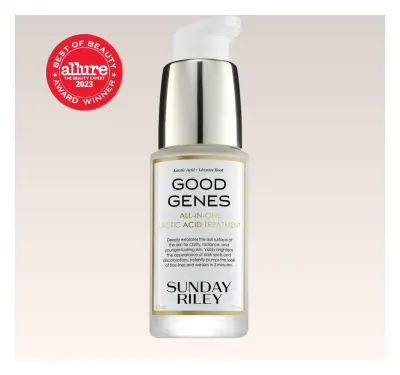
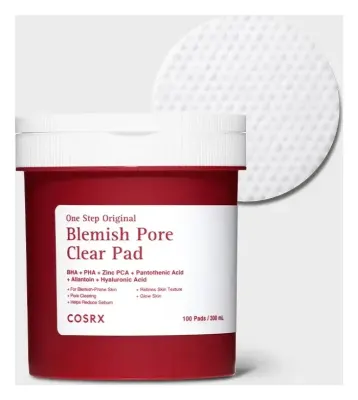
Intensive Lip Recovery Masks & Tinted Balms (2)
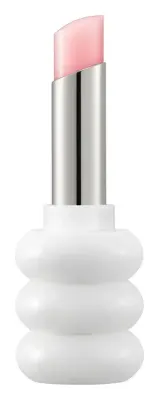
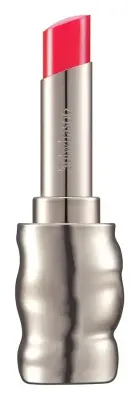
Lipsticks, Glosses & Lip Liners (2)
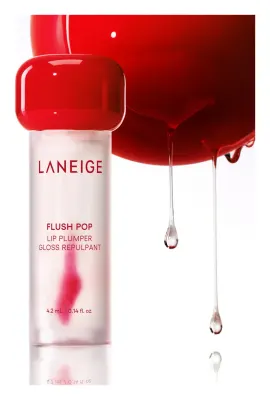
Full-Coverage Camouflage & Liquid Foundations (1)
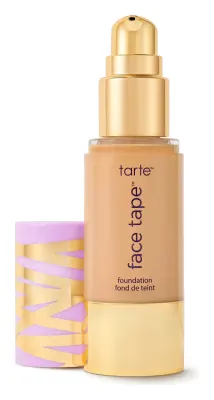
Cream & Gel Treatment Masks (1)

Skin Barrier Repair Creams & Recovery Jars (1)
Common questions
What is limonene in skincare?
Limonene is a fragrance compound found in citrus peels and other plants. It is also used in fragrance blends, and its name may appear separately on a cosmetic ingredient list.
Why is limonene listed by name on some labels?
EU cosmetic rules require certain fragrance allergens, including limonene, to be named when they are present above specified levels. The listing can help people who are checking for a known allergy, but it does not reveal every fragrance component in a product.
Can limonene oxidation affect skin?
Limonene can oxidize when exposed to air, and its oxidation products can be more likely to cause a contact allergy in some people. Keep products as directed and pay attention to changes in the product.
Who might want to avoid limonene?
People with a known limonene allergy may prefer products without it. People who want scent-free skincare may also choose to avoid limonene and other fragrance ingredients, including citrus oils.