Propanediol
What propanediol does as a cosmetic glycol, why the name does not mean drying alcohol, and how it helps formulas feel comfortable.
Extremely safeIn 139 products we cover
We may earn a commission when you buy through links on this page. It never changes what we recommend.
Quick facts
- INCI name
- Propanediol
- Origin
- Plant-derived or Synthetic
- Chemical class
- Glycol (diol)
- What it does in a formula
- humectant, solvent, viscosity controlling
- Why it is in the formula
- Usually used to help dissolve ingredients, attract water, and improve a product's spread.
What it is
A clear, water-miscible glycol containing two alcohol groups, propanediol functions in skincare formulations as a humectant and solvent. It helps formulators dissolve poorly soluble ingredients and contributes a lightweight, hydrated skin feel. It is commonly found across serums, cleansers, lotions, and color cosmetics.
Despite the word alcohol in its chemical family, propanediol is not the same as a drying alcohol such as alcohol denat.. It is generally used for water attraction, solubility, and texture. Some propanediol is made from plant sugars through fermentation, while other routes are possible. The label does not tell you which method a manufacturer used.
What it does
- Helps attract water. As a humectant, it can support a hydrated feel in the outer skin layers.
- Dissolves ingredients. It can help carry components that do not dissolve as easily in water alone.
- Adjusts texture. It may make a formula feel smoother or more spreadable.
- Supports product design. It is a helper ingredient, not usually a reason to buy the product.
Who it suits
Propanediol is used in a wide range of product types and is usually well tolerated. If you avoid drying alcohols because they leave your skin tight, do not assume propanediol will have the same effect. It is chemically and functionally different. The complete formula still matters, and a product may contain other ingredients that affect its feel.
If you have sensitive skin, patch-test a new product or introduce it one at a time. Stop using a formula that causes persistent irritation. For a recurring skin condition or reaction, ask a dermatologist rather than guessing which ingredient is responsible. No one ingredient can guarantee that a finished product will suit everyone.
What to pair it with, and what not to
Propanediol can appear beside humectants such as glycerin or hyaluronic acid in a hydrating formula. It does not require a special balancing ingredient. You do not need to avoid it just because its name contains the word alcohol.
Skin Realist check: The word alcohol is not a verdict. The formula and your skin get the final vote.
Quick picks with Propanediol
Scent-free, no patch-test flags on the label
Sunday Riley A.I. Smart Retinoid Serum
Hydroxypinacolone Retinoate · scent-free label
AmazonBrand lists it for sensitive skin
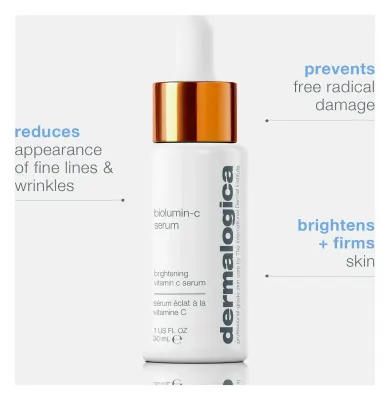
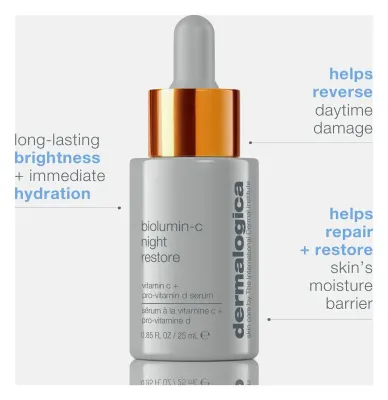
Dermalogica biolumin-c vitamin c serum
Vitamin C · oily, dry, combination, sensitive, normal skin · scented
AmazonBrand lists it for oily skin
Dermalogica dynamic skin retinol serum
Retinoid Complex 3.5% · oily, dry, combination, sensitive, normal skin · scented
Amazon
All 139 products with Propanediol
Daily Moisturizers & Water Gel Creams (23)
 Laneige Water Bank Blue Hyaluronic Gel MoisturizerAmazon
 Laneige Balance Mode Shine Control Weightless MoisturizerAmazon
 Sulwhasoo Skin Strengthening Emulsion for MenAmazon
 Dermalogica biolumin-c vitamin c gel moisturizerAmazon
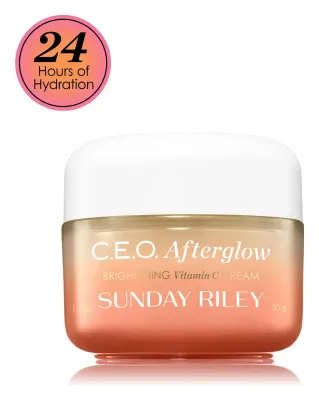 Sunday Riley C.E.O. Afterglow Brightening Vitamin C Gel CreamAmazon
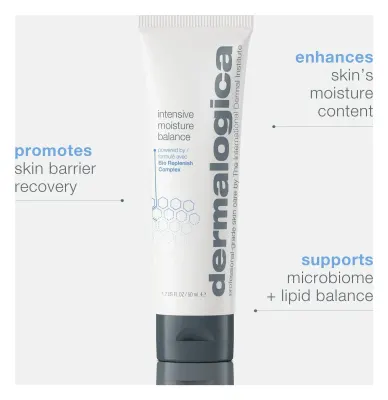 Dermalogica intensive moisture balance moisturizerAmazon
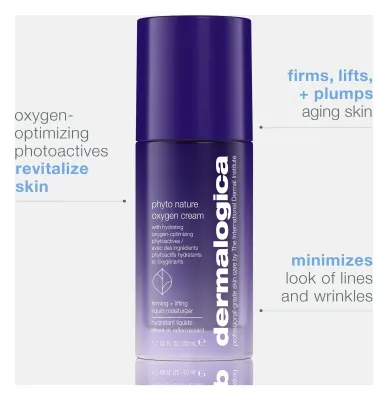 Dermalogica phyto nature oxygen creamAmazon
 COSRX The Blue Peptide Bakuchiol Plump Bounce CreamAmazon
 Elemis ULTRA SMART Pro-Collagen Day CreamAmazon
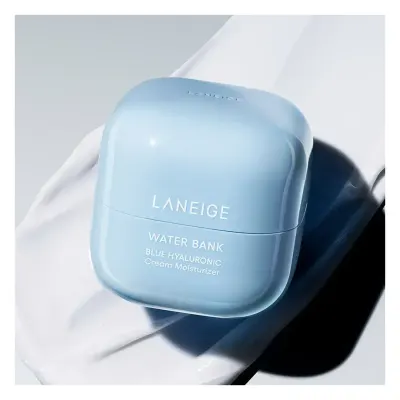 Laneige Water Bank Blue Hyaluronic Cream MoisturizerAmazon
 Dermalogica acne biotic moisturizerAmazon
 Perricone MD Cold Plasma Plus+ Advanced Hydrating ComplexAmazon
 Perricone MD Cold Plasma Plus+ Sub-D/NeckAmazon
 Sulwhasoo Concentrated Ginseng Rejuvenating Cream RichAmazon
 Sulwhasoo Essential Firming Cream EXAmazon
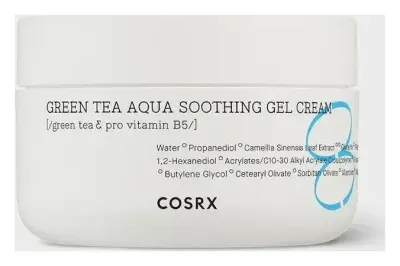 COSRX Hydrium Green Tea Aqua Soothing Gel CreamAmazon
 Dermalogica multivitamin power recovery creamAmazon
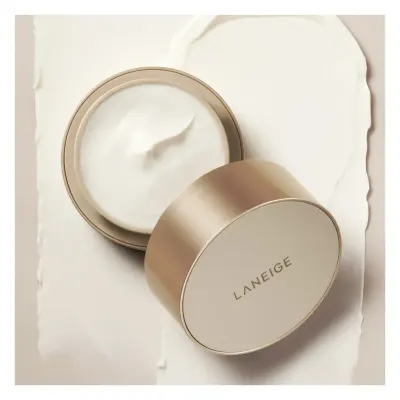 Laneige Perfect Renew 3x Cream AdvancedAmazon
 Dermalogica pro-collagen banking water creamAmazon
 Elemis Pro-Collagen Morning MatrixAmazon
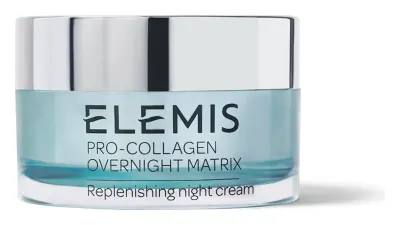 Elemis Pro-Collagen Overnight MatrixAmazon
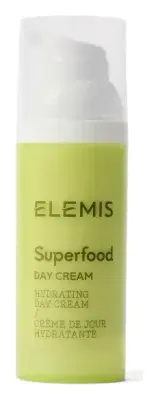 Elemis Superfood Day CreamAmazon
 Elemis ULTRA SMART Pro-Collagen Night GeniusAmazon
Eye Creams & Under-Eye Patches (18)
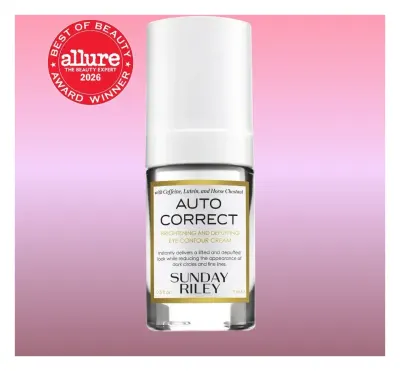 Sunday Riley Auto Correct Brightening + Depuffing Eye CreamAmazon
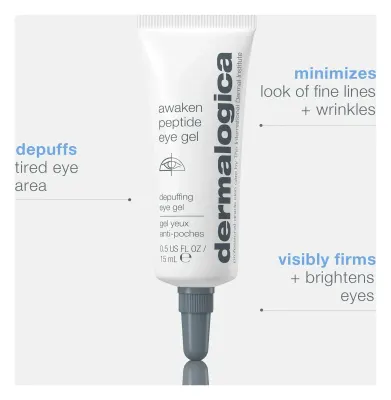 Dermalogica awaken peptide depuffing eye gelAmazon
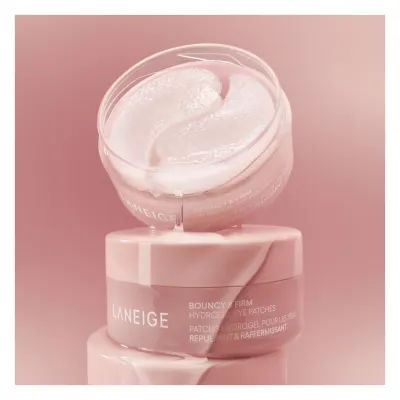 Laneige Bouncy & Firm Hydrogel Eye PatchesAmazon
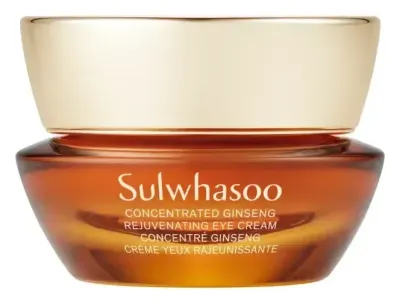 Sulwhasoo Concentrated Ginseng Rejuvenating Eye CreamAmazon
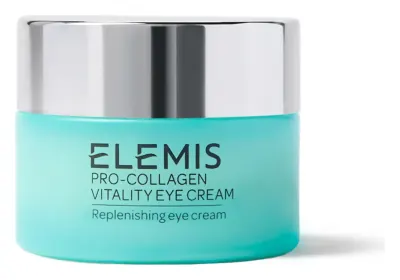 Elemis Pro-Collagen Vitality Eye CreamAmazon
 Dermalogica age reversal eye complexAmazon
 Dermalogica biolumin-c vitamin c eye serumAmazon
 Dermalogica phyto nature lifting eye creamAmazon
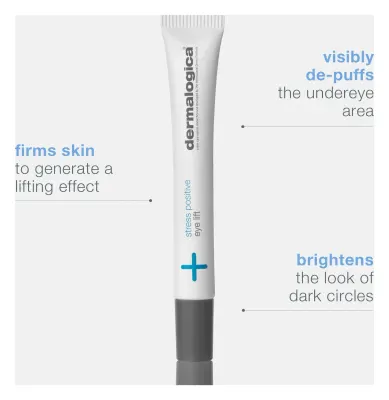 Dermalogica stress positive eye lift maskAmazon
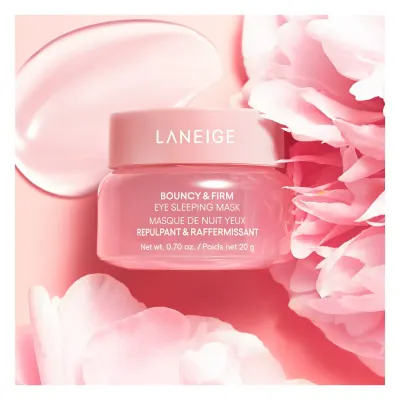 Laneige Bouncy & Firm Eye Sleeping MaskAmazon
 Sulwhasoo First Care Activating Eye SerumAmazon
 Perricone MD High Potency Triple Retinol Renewal Eye SerumAmazon
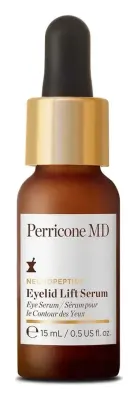 Perricone MD Neuropeptide Eyelid Lift SerumAmazon
 Perricone MD No Makeup Instant Blur Priming Eye CreamAmazon
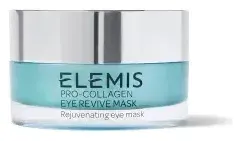 Elemis Pro-Collagen Eye Revive MaskAmazon
 Elemis Pro-Collagen Future Restore Eye SerumAmazon
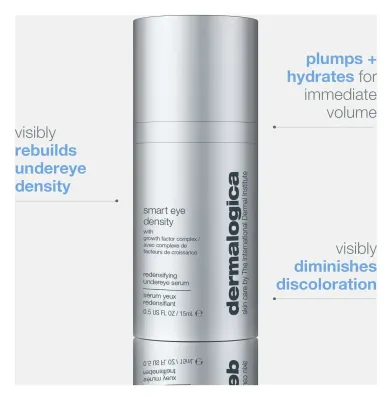 Dermalogica smart eye density undereye serumAmazon
 Laneige Water Bank Blue Hyaluronic Eye CreamAmazon
Anti-Aging & Retinoid Serums (13)
 Dermalogica dynamic skin retinol serumAmazon
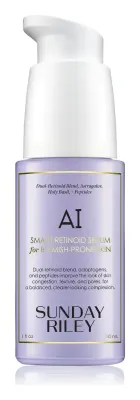 Sunday Riley A.I. Smart Retinoid SerumAmazon
 Sunday Riley A+ High-Dose Retinoid SerumAmazon
 Perricone MD High Potency Triple Retinol Renewal SerumAmazon
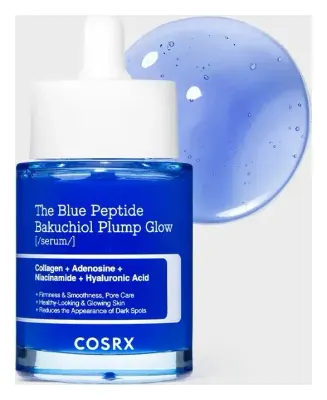 COSRX The Blue Peptide Bakuchiol Plump Glow SerumAmazon
 COSRX The Retinol 0.1 CreamAmazon
 COSRX The Retinol 0.3 CreamAmazon
 Sulwhasoo Concentrated Ginseng Rejuvenating SerumAmazon
 Dermalogica futurecode booster damage-correcting longevity serumAmazon
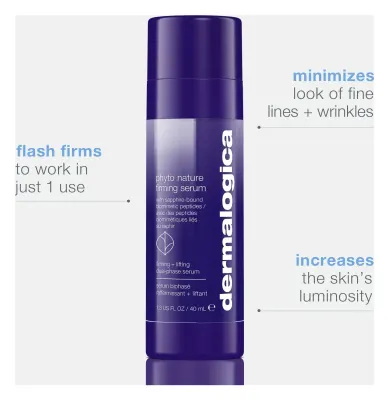 Dermalogica phyto nature firming serumAmazon
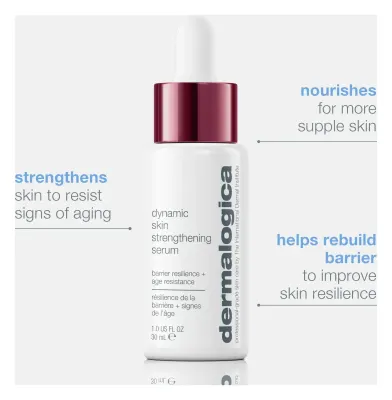 Dermalogica dynamic skin strengthening serumAmazon
 Perricone MD High Potency Retinol Recovery Overnight MoisturizerAmazon
 Perricone MD Neuropeptide Firming Facial ConcentrateAmazon
Hydrating Serums, Essences & Ampoules (12)
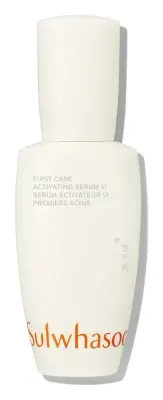 Sulwhasoo First Care Activating Serum VIAmazon
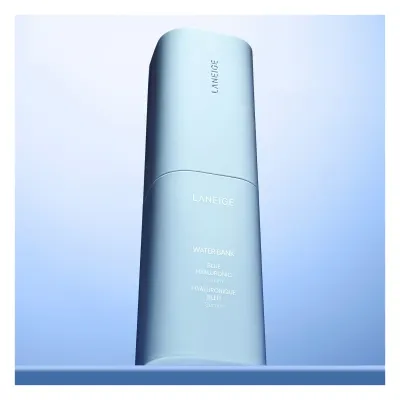 Laneige Water Bank Blue Hyaluronic SerumAmazon
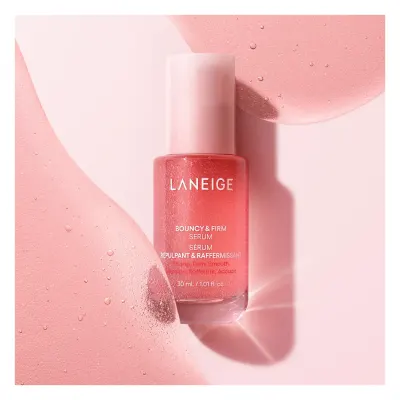 Laneige Bouncy & Firm SerumAmazon
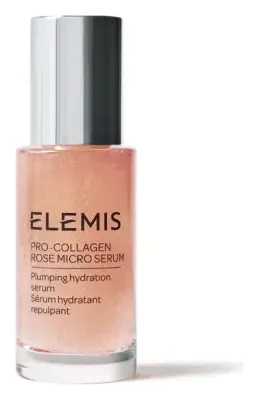 Elemis Pro-Collagen Rose Micro SerumAmazon
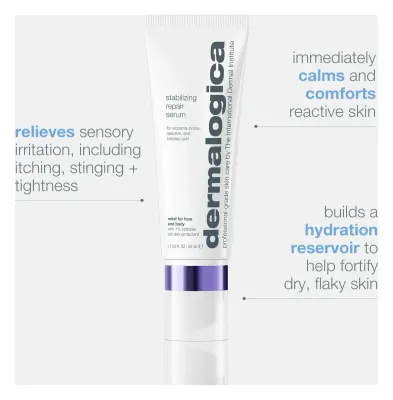 Dermalogica stabilizing repair face + body serumAmazon
 COSRX The Hyaluronic Acid 3 SerumAmazon
 COSRX 5 PDRN Collagen Intense Vitalizing SerumAmazon
 Dermalogica circular hydration serum with hyaluronic acidAmazon
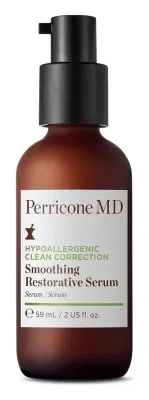 Perricone MD Hypoallergenic Clean Correction Smoothing Restorative SerumAmazon
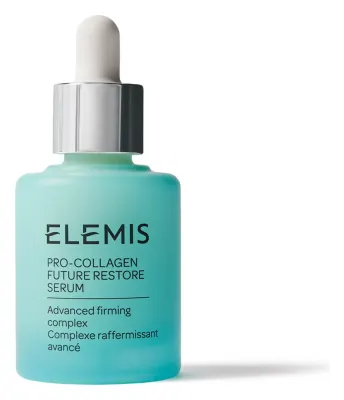 Elemis Pro-Collagen Future Restore SerumAmazon
 Elemis ULTRA SMART Pro-Collagen Complex SerumAmazon
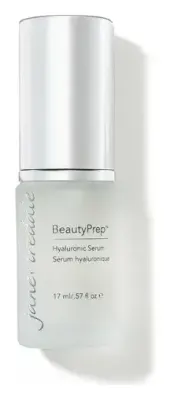 Jane Iredale BeautyPrep Hyaluronic SerumAmazon
Hydrating Toners, Essence Waters & Face Mists (10)
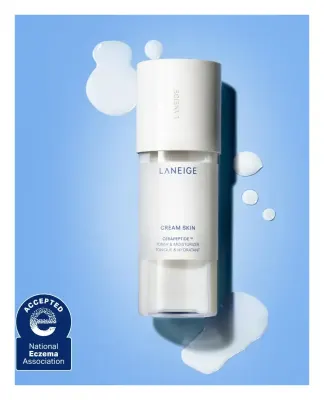 Laneige Cream Skin Milky Toner with Ceramides & Peptides for Nourishing HydrationAmazon
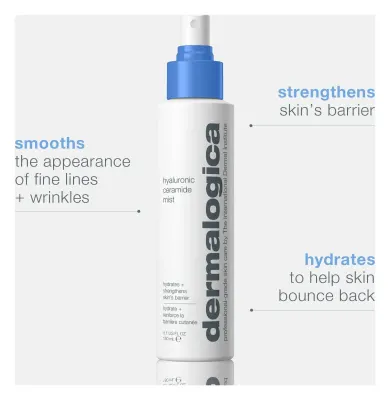 Dermalogica hyaluronic ceramide mistAmazon
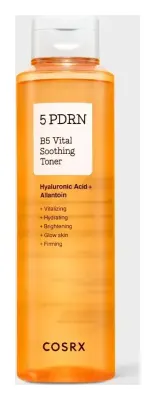 COSRX 5 PDRN B5 Vital Soothing TonerAmazon
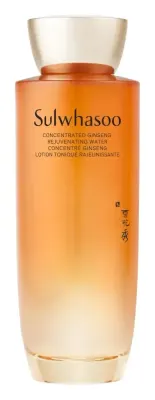 Sulwhasoo Concentrated Ginseng Rejuvenating WaterAmazon
 Sulwhasoo First Care Activating Serum MistAmazon
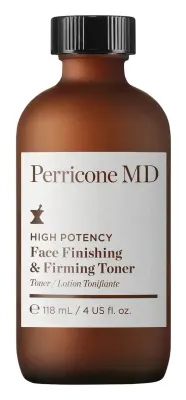 Perricone MD High Potency Face Finishing & Firming TonerAmazon
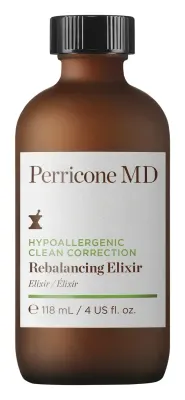 Perricone MD Hypoallergenic Clean Correction Rebalancing ElixirAmazon
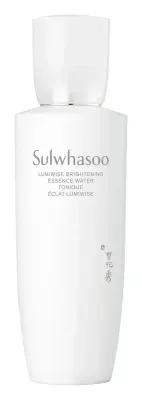 Sulwhasoo Lumiwise Brightening Essence WaterAmazon
 COSRX The Ceramide Skin Barrier Moisturizing MistAmazon
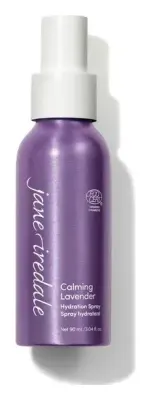 Jane Iredale Calming Lavender Hydration SprayAmazon
Gel, Foam & Cream Facial Cleansers (10)
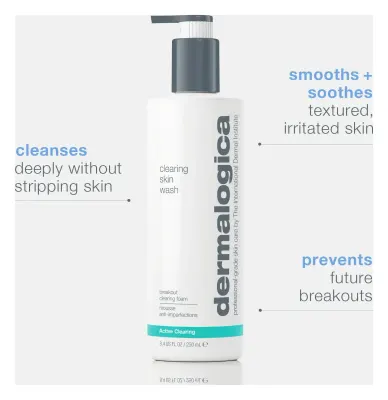 Dermalogica acne clearing skin washAmazon
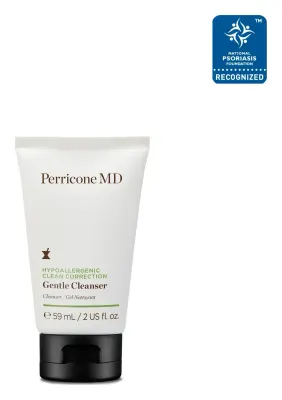 Perricone MD Hypoallergenic Clean Correction Gentle CleanserAmazon
 Dermalogica intensive moisture cleanserAmazon
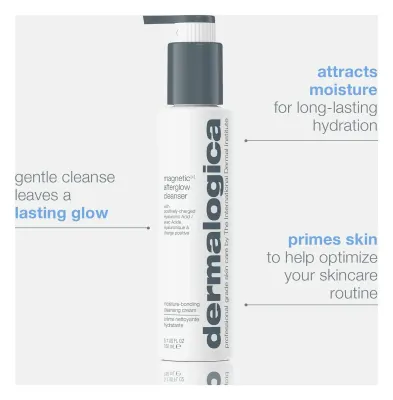 Dermalogica magnetic[+] afterglow cleanserAmazon
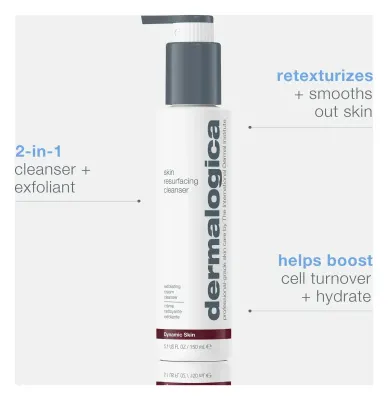 Dermalogica skin resurfacing lactic acid cleanserAmazon
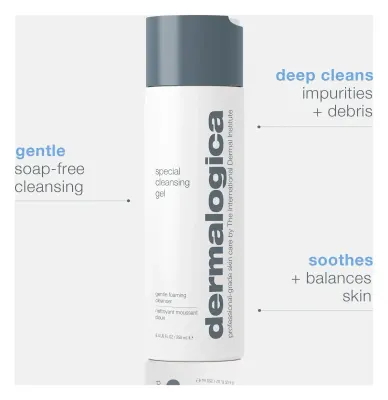 Dermalogica special cleansing gelAmazon
 Sulwhasoo Concentrated Ginseng Rejuvenating Cleansing FoamAmazon
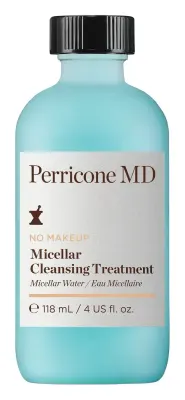 Perricone MD No Makeup Micellar Cleansing TreatmentAmazon
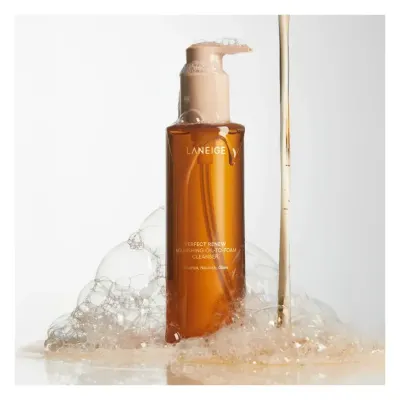 Laneige Perfect Renew Nourishing Oil-to-Foam CleanserAmazon
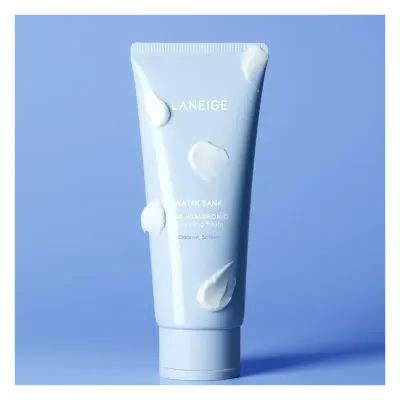 Laneige Water Bank Blue Hyaluronic Cleansing FoamAmazon
Dermatological Acne & Chemical Exfoliating Liquids (6)
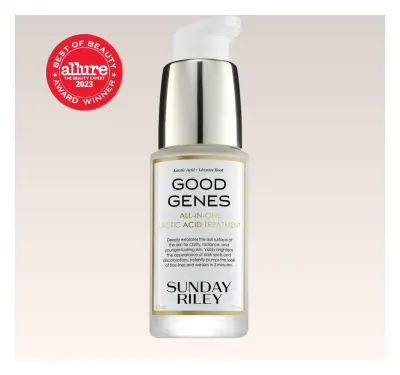 Sunday Riley Good Genes All-In-One Lactic Acid TreatmentAmazon
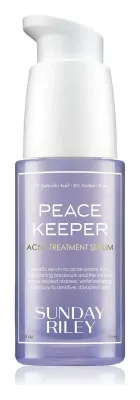 Sunday Riley Peacekeeper Acne Treatment SerumAmazon
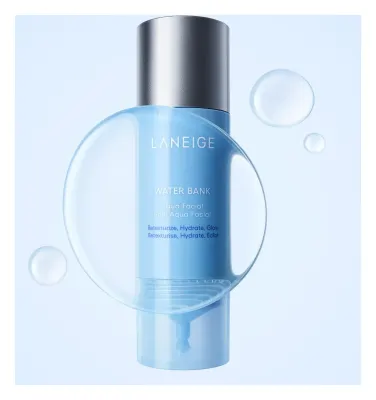 Laneige Water Bank Aqua FacialAmazon
 Dermalogica liquid peelfoliantAmazon
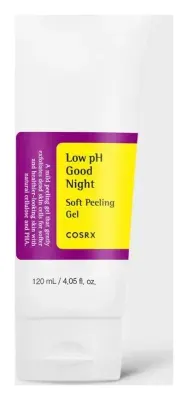 COSRX Low pH Goodnight Soft Peeling GelAmazon
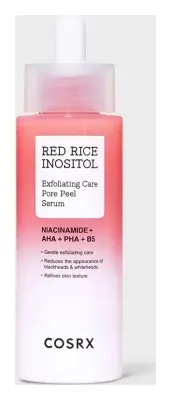 COSRX Red Rice Inositol Exfoliating Care Pore Wash-Off Peel SerumAmazon
Daily Sunscreens & SPF Moisturizers (6)
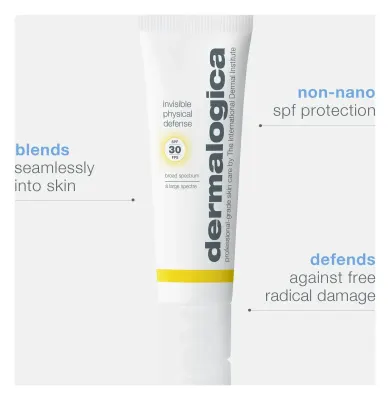 Dermalogica invisible physical defense mineral sunscreen spf30Amazon
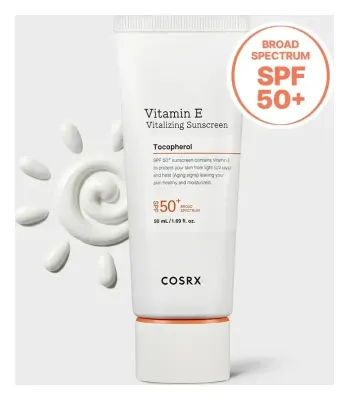 COSRX Vitamin E Vitalizing Sunscreen SPF 50+Amazon
 Dermalogica biolumin-c heat aging protector spf50Amazon
 Dermalogica skinperfect primer spf30Amazon
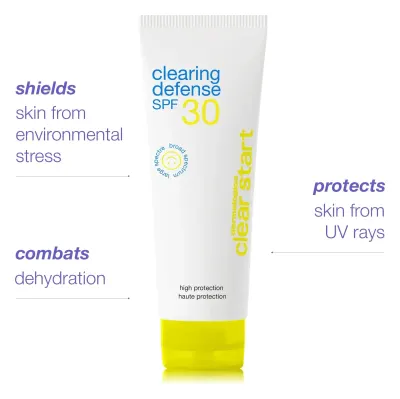 Dermalogica clearing defense spf30Amazon
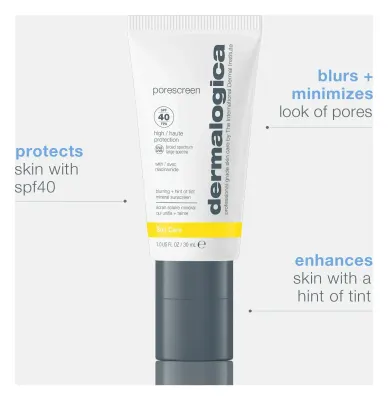 Dermalogica porescreen mineral sunscreen spf40Amazon
Premium Overnight Recovery Packs & Sleeping Facials (5)
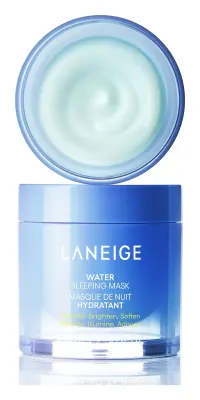
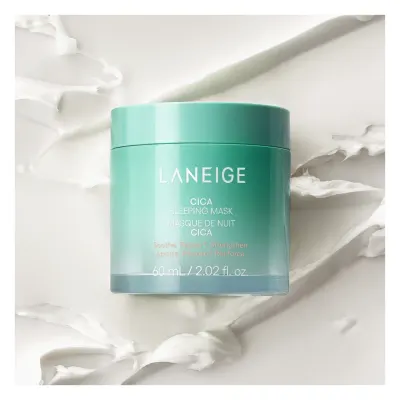
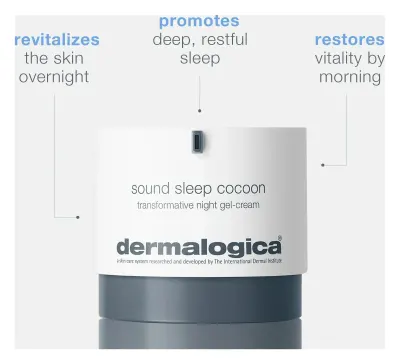
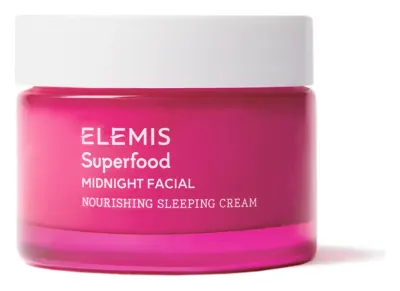

Skin Barrier Repair Creams & Recovery Jars (5)
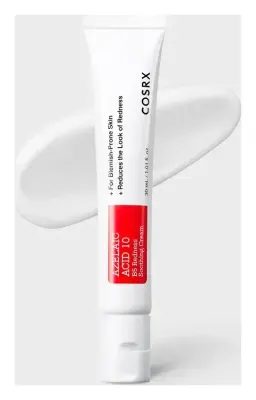
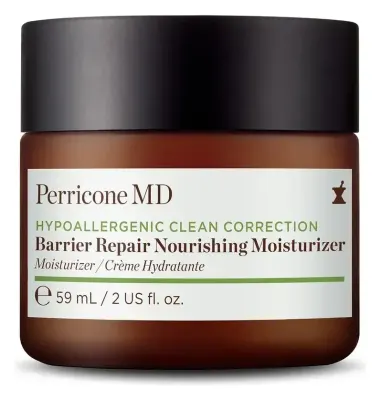
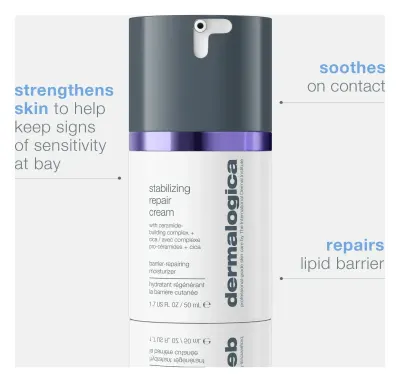

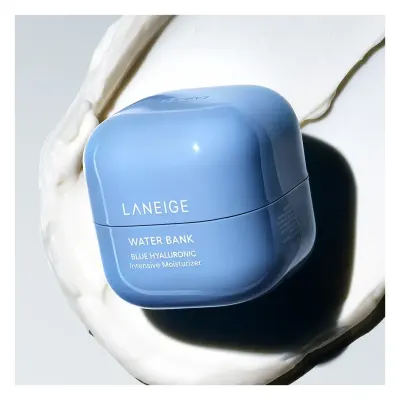
Targeted Vitamin C & Brightening Correctors (4)
Body Creams, Butters & Body Oils (4)
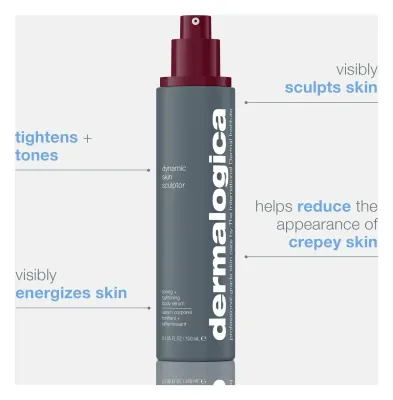
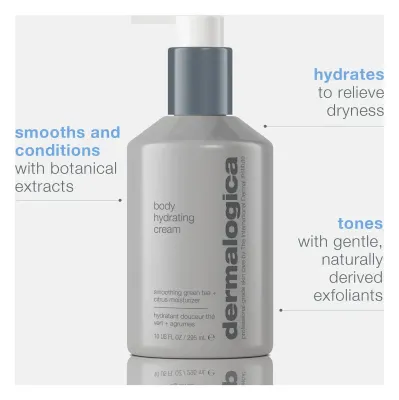
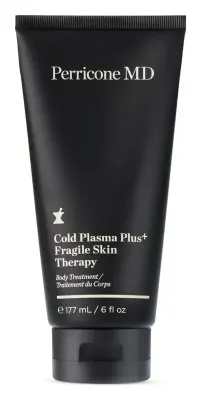
Cream & Gel Treatment Masks (4)


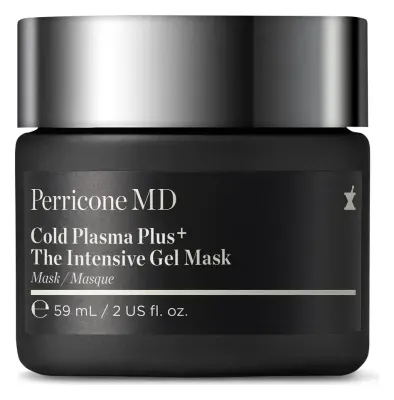
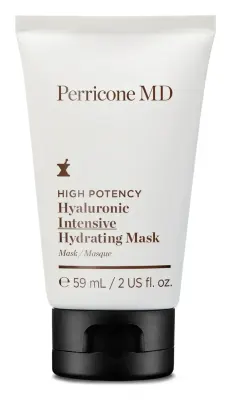
High-Definition Camouflage Concealers (4)
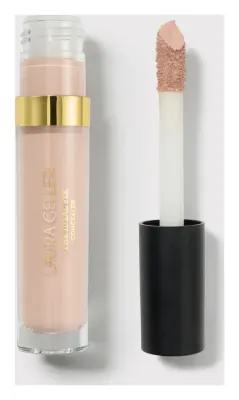

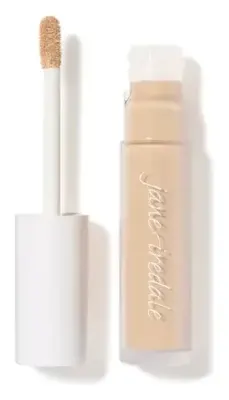
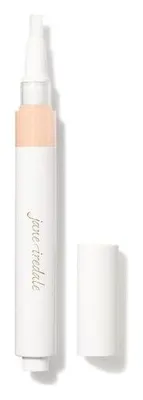
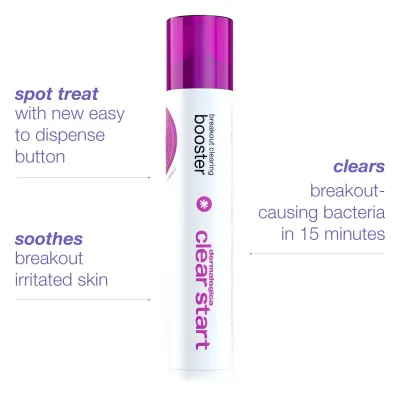
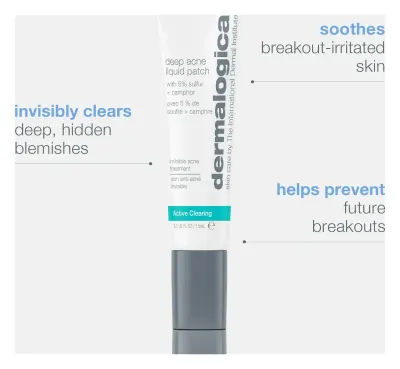
Pimple Patches & Overnight Spot Treatments (3)
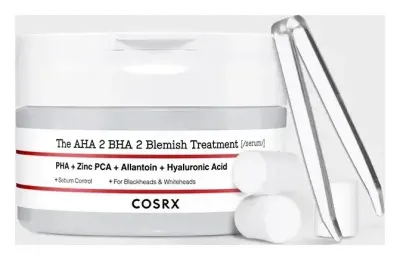
Sheet, Hydrogel & Clay Masks (3)

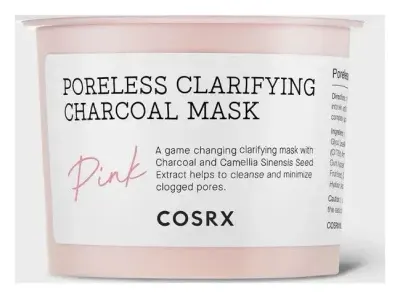
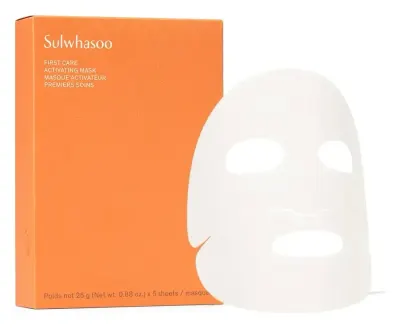
Intensive Lip Recovery Masks & Tinted Balms (2)
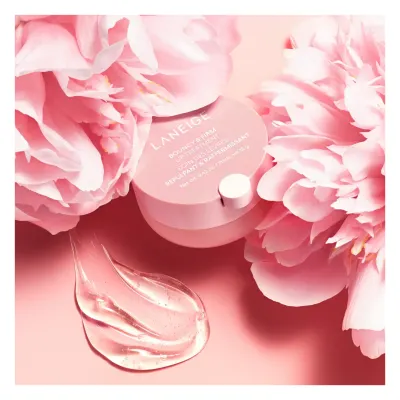
Mineral Pressed Powders & Skin-Nourishing Primers (2)
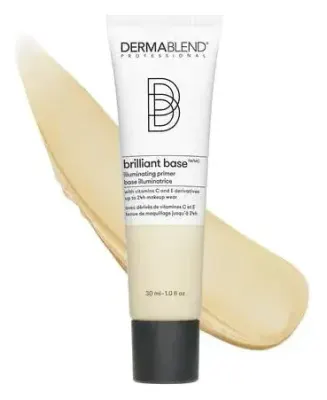

Full-Coverage Camouflage & Liquid Foundations (2)
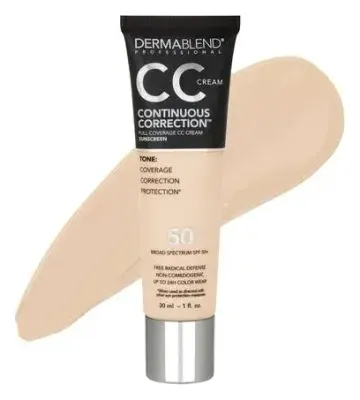
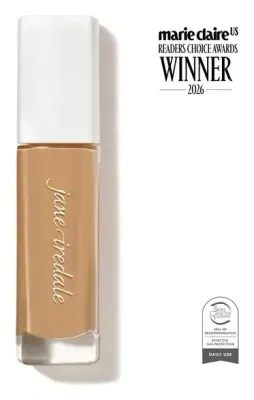
Physical & Enzyme Face Exfoliants (1)
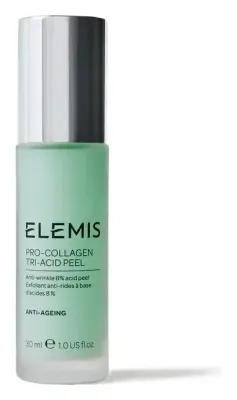
Premium Double-Cleansing Balms & Melting Gels (1)
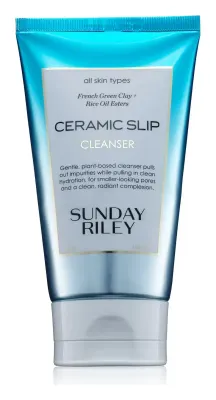
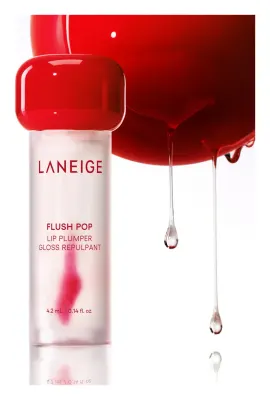
Lipsticks, Glosses & Lip Liners (1)
Common questions
What is propanediol in skincare?
Propanediol is a glycol used as a humectant and solvent in cosmetics. It helps with hydration, ingredient solubility, and product texture.
Is propanediol a drying alcohol?
No. It is a glycol, not a volatile drying alcohol such as denatured alcohol. Glycols are used to attract water or dissolve ingredients, though any formula can feel different on different skin.
Is propanediol natural?
It can be made through plant-based fermentation or by other manufacturing routes. The ingredient name alone does not tell you the source used in a particular product.
Can propanediol irritate skin?
Most people tolerate cosmetic glycols, but individual reactions are possible. If a product causes ongoing discomfort, stop using it and consider asking a dermatologist.