Polysorbates (20, 60, 80)
How polysorbates help oils mix with water, how the 20, 60 and 80 versions differ, and what they mean on a skincare label.
Extremely safeIn 95 products we cover
We may earn a commission when you buy through links on this page. It never changes what we recommend.
Quick facts
- INCI name
- Polysorbate 20
- Origin
- Synthetic
- Chemical class
- Nonionic surfactants (polyoxyethylene sorbitan esters)
- What it does in a formula
- emulsifying, surfactant, solubilizing
- Why it is in the formula
- Polysorbates help disperse oils and fragrance materials through water-based formulas instead of letting them separate.
What it is
On cosmetic labels, polysorbates appear under specific names such as Polysorbate 20, 60, or 80, designating a family of nonionic surfactants and solubilizers. They are synthesized by ethoxylating sorbitan esters of fatty acids to help oil and water components remain smoothly dispersed. Formulators incorporate them into toners, serums, and cleansers to dissolve fragrances and essential oils.
The number points to a different fatty-acid part: Polysorbate 20 is associated with lauric acid, 60 with stearic acid, and 80 with oleic acid. They are related, but not interchangeable in every formula. These ingredients are ethoxylated, a manufacturing process that can create trace 1,4-dioxane as an unintended byproduct. The FDA says it is a contaminant rather than a cosmetic ingredient and notes that manufacturing changes have reduced levels over time. Manufacturers can control the impurity through processing and quality checks. New York State also limits 1,4-dioxane in cosmetics. This is a reason for manufacturing oversight, not a reason to assume a polysorbate product is harmful.
What it does
- Helps oil disperse in water. A small amount of oil or fragrance can spread through a water-based formula instead of floating on top.
- Supports emulsions. It helps oily and watery parts stay mixed in a lotion or cream.
- Changes texture and appearance. A properly balanced formula can look more uniform and feel consistent from one use to the next.
Who it suits
Polysorbates are helper ingredients, not exfoliants or headline actives. They do not indicate that a product is specifically made for oily, dry, or sensitive skin. The full formula and how it feels on your skin matter more than this ingredient name alone. If a product causes discomfort, stop using it and consider its other ingredients too.
People sometimes see PEG-related names and worry about 1,4-dioxane. It is a possible trace manufacturing impurity in some ethoxylated ingredients, not something deliberately added as an ingredient. The FDA notes both the manufacturing source and the fact that levels have declined as processes changed. New York rules limit 1,4-dioxane in cosmetics. Ingredient naming alone cannot tell you whether a product contains a measurable amount of an impurity.
What to pair it with, and what not to
There is nothing special to pair with a polysorbate; it is already doing a behind-the-scenes job in a formula. Choose a product for its overall ingredients, texture, and use instructions rather than adding a separate product to balance this emulsifier.
Skin Realist check: A good supporting player does not need a dramatic origin story. It just needs to stop the bottle from looking like a science fair separation experiment.
How it appears on labels: Polysorbate 20; Polysorbate 60; Polysorbate 80
Quick picks with Polysorbates
Scent-free, no patch-test flags on the label
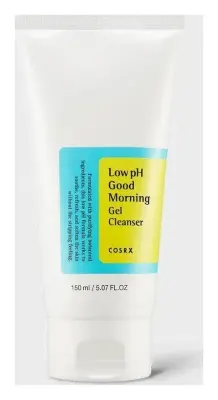
COSRX Low pH Good Morning Gel Cleanser
scent-free label
AmazonBrand lists it for sensitive skin
Dermalogica biolumin-c vitamin c serum
Vitamin C · oily, dry, combination, sensitive, normal skin · scented
AmazonBrand lists it for oily skin
Dermalogica dynamic skin retinol serum
Retinoid Complex 3.5% · oily, dry, combination, sensitive, normal skin · scented
Amazon

All 95 products with Polysorbates
Daily Moisturizers & Water Gel Creams (22)
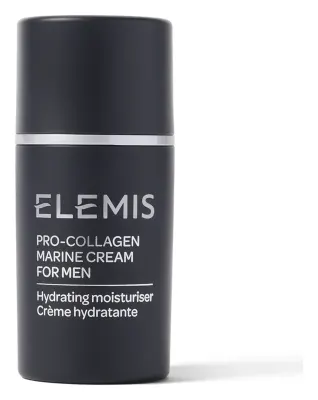 Elemis Pro-Collagen Marine Cream for MenAmazon
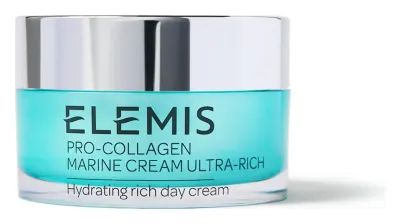 Elemis Pro-Collagen Marine Cream Ultra-RichAmazon
 Sulwhasoo Concentrated Ginseng Rejuvenating CreamAmazon
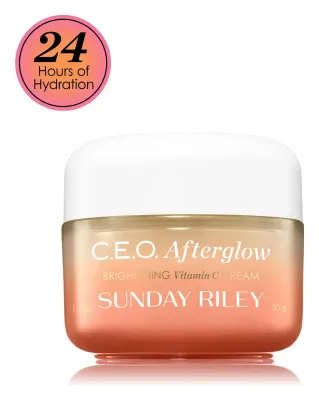 Sunday Riley C.E.O. Afterglow Brightening Vitamin C Gel CreamAmazon
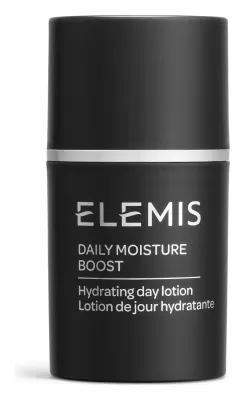 Elemis Daily Moisture BoostAmazon
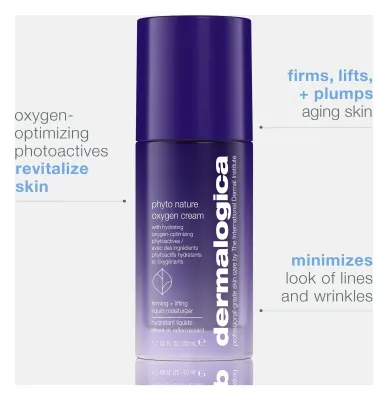 Dermalogica phyto nature oxygen creamAmazon
 Dermalogica skin smoothing cream moisturizerAmazon
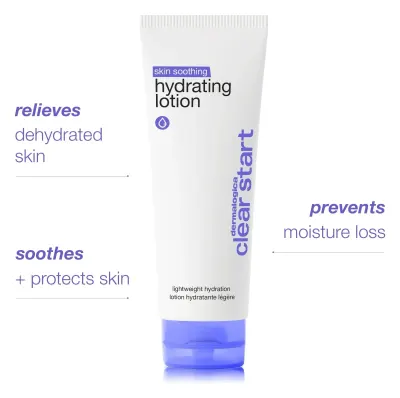 Dermalogica skin soothing hydrating lotionAmazon
 Elemis ULTRA SMART Pro-Collagen Day CreamAmazon
 Perricone MD Cold Plasma Plus+ Advanced Hydrating ComplexAmazon
 Perricone MD Cold Plasma Plus+ Sub-D/NeckAmazon
 Sulwhasoo Concentrated Ginseng Rejuvenating Cream RichAmazon
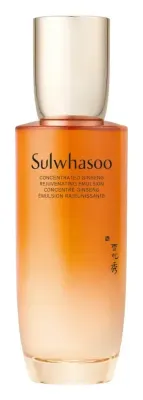 Sulwhasoo Concentrated Ginseng Rejuvenating EmulsionAmazon
 Sulwhasoo Essential Firming Cream EXAmazon
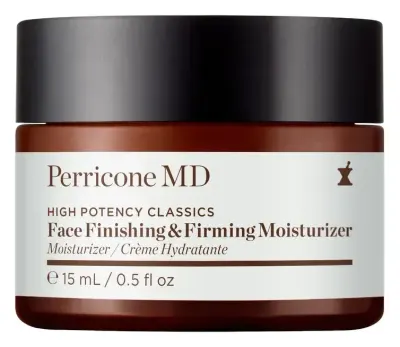 Perricone MD High Potency Classics Face Finishing & Firming MoisturizerAmazon
 Dermalogica multivitamin power recovery creamAmazon
 Perricone MD Neuropeptide Pro-Strength Firming MoisturizerAmazon
 COSRX Oil-Free Ultra-Moisturizing Lotion with Birch SapAmazon
 Dermalogica pro-collagen banking water creamAmazon
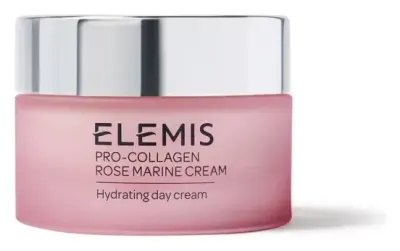 Elemis Pro-Collagen Rose Marine CreamAmazon
 Elemis Superfood Glow Priming MoisturiserAmazon
 Elemis ULTRA SMART Pro-Collagen Night GeniusAmazon
Eye Creams & Under-Eye Patches (11)
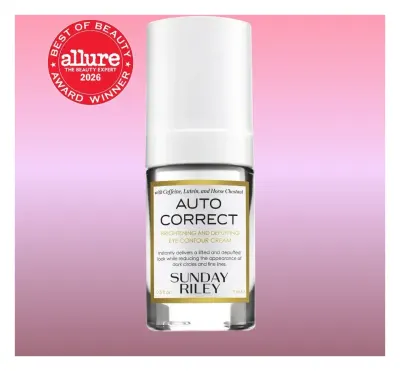 Sunday Riley Auto Correct Brightening + Depuffing Eye CreamAmazon
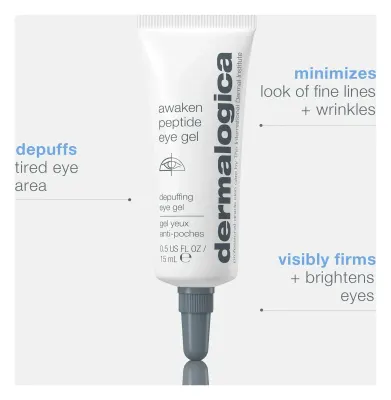 Dermalogica awaken peptide depuffing eye gelAmazon
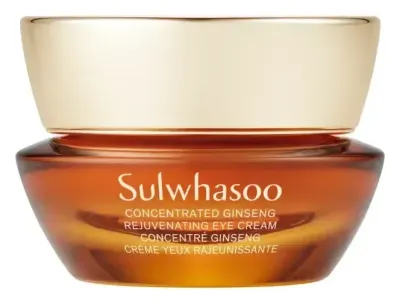 Sulwhasoo Concentrated Ginseng Rejuvenating Eye CreamAmazon
 Sunday Riley 5 Stars Retinol + Niacinamide Eye SerumAmazon
 Dermalogica age reversal eye complexAmazon
 Dermalogica biolumin-c vitamin c eye serumAmazon
 Perricone MD High Potency Triple Retinol Renewal Eye SerumAmazon
 Perricone MD Neuropeptide Corrective Brightening Under-Eye CreamAmazon
 Perricone MD No Makeup Instant Blur Priming Eye CreamAmazon
 Elemis Pro-Collagen Future Restore Eye SerumAmazon
 Laneige Water Bank Blue Hyaluronic Eye CreamAmazon
Hydrating Toners, Essence Waters & Face Mists (9)
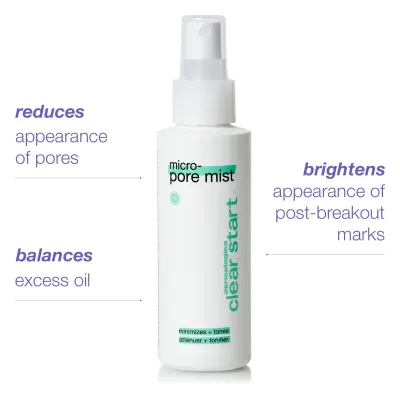 Dermalogica micro-pore mistAmazon
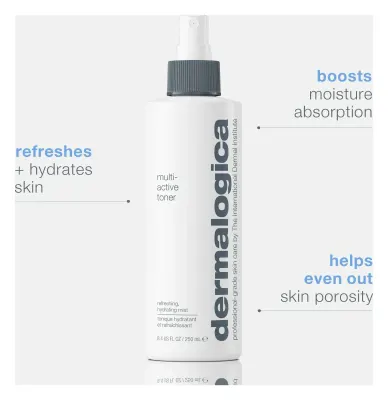 Dermalogica multi-active tonerAmazon
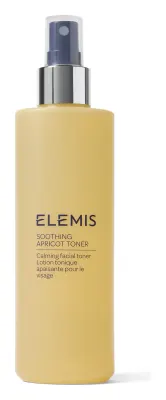 Elemis Soothing Apricot TonerAmazon
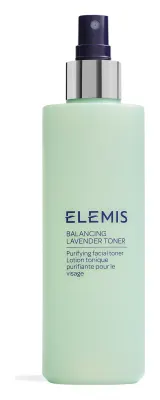 Elemis Balancing Lavender TonerAmazon
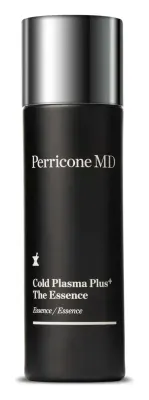 Perricone MD Cold Plasma Plus+ The EssenceAmazon
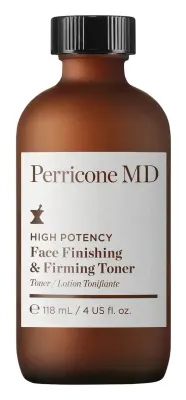 Perricone MD High Potency Face Finishing & Firming TonerAmazon
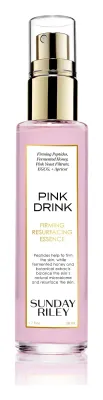 Sunday Riley Pink Drink Firming Resurfacing EssenceAmazon
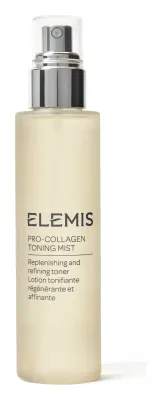 Elemis Pro-Collagen Toning MistAmazon
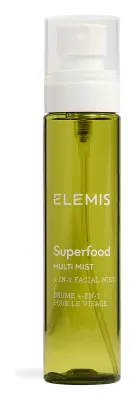 Elemis Superfood Multi MistAmazon
Targeted Vitamin C & Brightening Correctors (7)
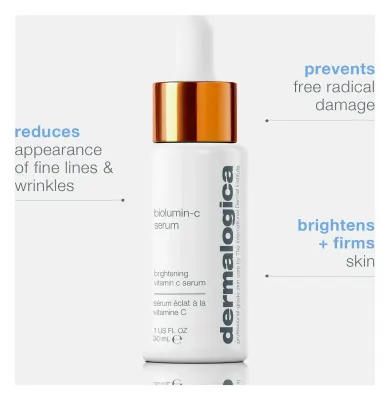 Dermalogica biolumin-c vitamin c serumAmazon
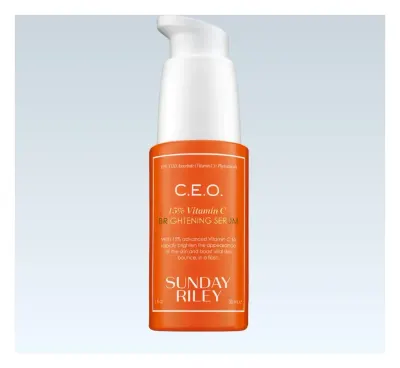 Sunday Riley C.E.O. 15% Vitamin C Brightening SerumAmazon
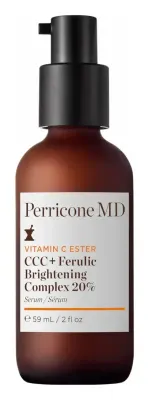 Perricone MD Vitamin C Ester CCC + Ferulic Brightening Complex 20%Amazon
 Dermalogica powerbright dark spot peelAmazon
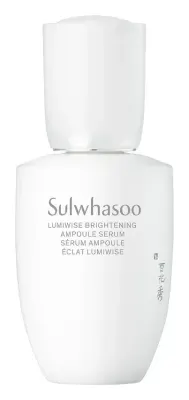 Sulwhasoo Lumiwise Brightening Ampoule SerumAmazon
 Sulwhasoo Lumiwise Discoloration CorrectorAmazon
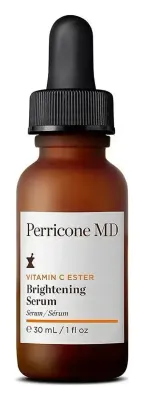 Perricone MD Vitamin C Ester Brightening SerumAmazon
Anti-Aging & Retinoid Serums (5)




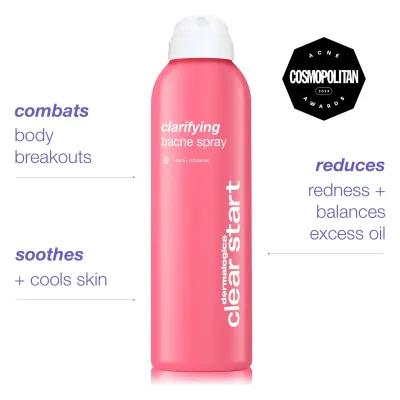
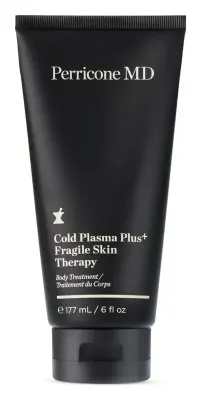
Body Creams, Butters & Body Oils (5)
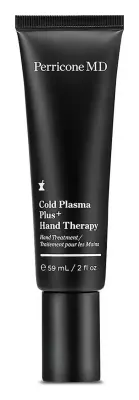
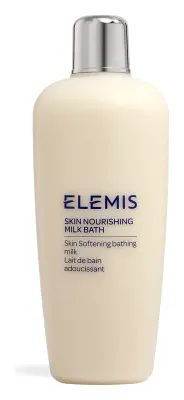
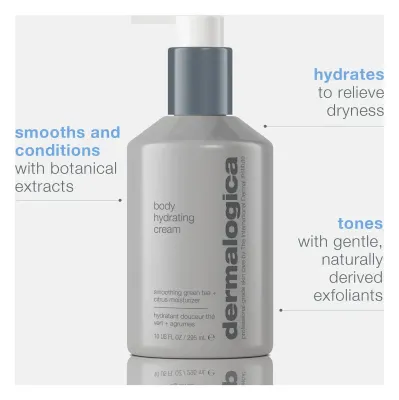
Hydrating Serums, Essences & Ampoules (5)
 Dermalogica circular hydration serum with hyaluronic acidAmazon
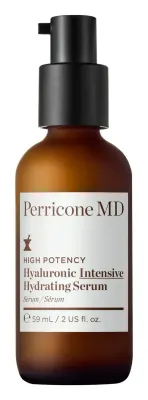 Perricone MD High Potency Hyaluronic Intensive Hydrating SerumAmazon
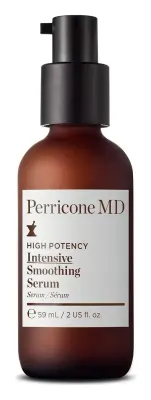 Perricone MD High Potency Intensive Smoothing SerumAmazon
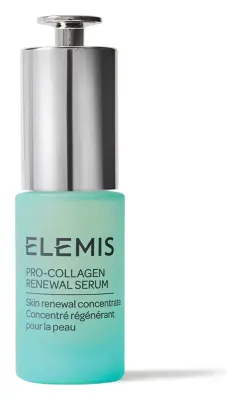 Elemis Pro-Collagen Renewal SerumAmazon
 Jane Iredale HydroPure Color Correcting Serum with Hyaluronic Acid & CoQ10Amazon
Premium Double-Cleansing Balms & Melting Gels (4)
Gel, Foam & Cream Facial Cleansers (4)
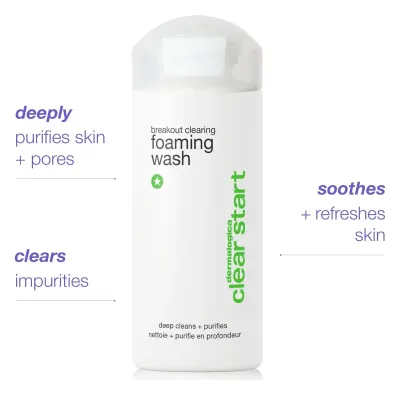
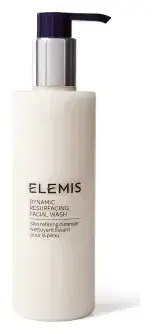
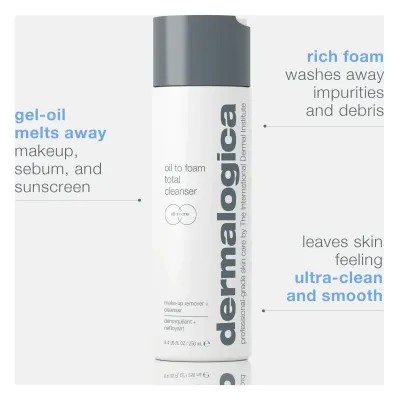

Dermatological Acne & Chemical Exfoliating Liquids (3)
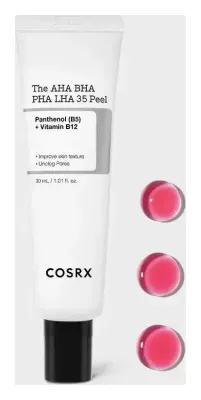
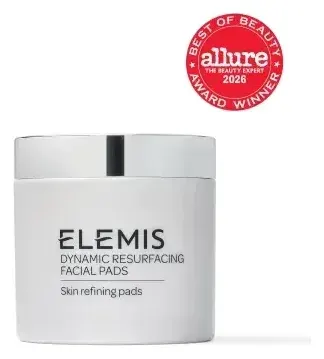
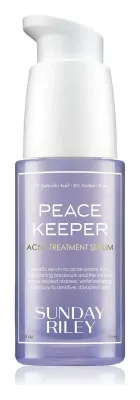
Daily Sunscreens & SPF Moisturizers (3)
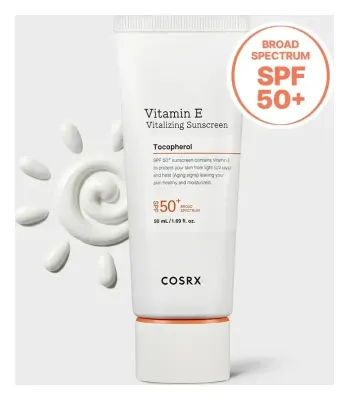
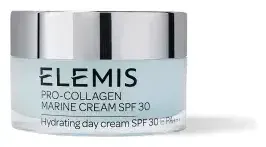

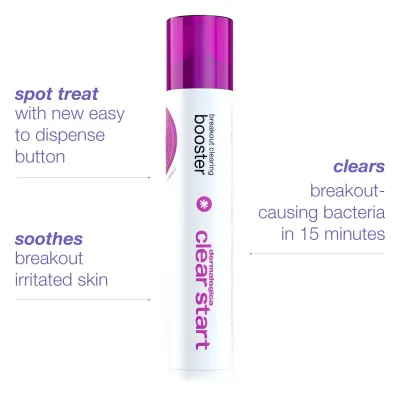
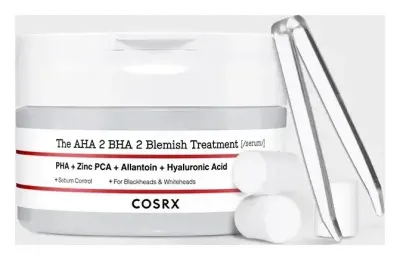
Pimple Patches & Overnight Spot Treatments (2)
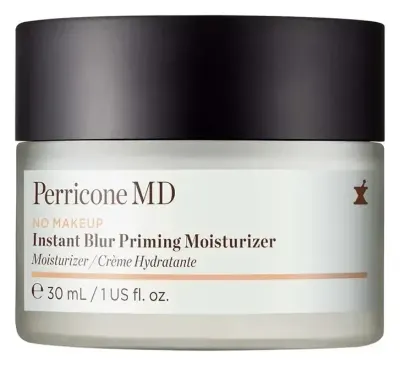
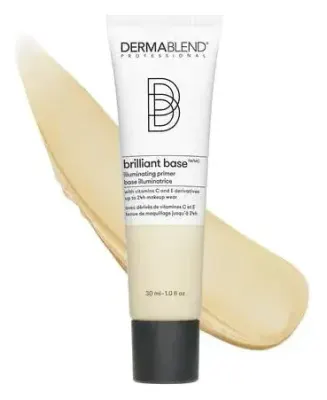
Mineral Pressed Powders & Skin-Nourishing Primers (2)
Premium Overnight Recovery Packs & Sleeping Facials (2)
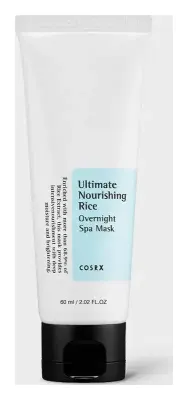

Sheet, Hydrogel & Clay Masks (2)
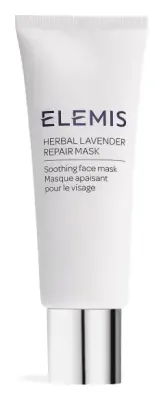

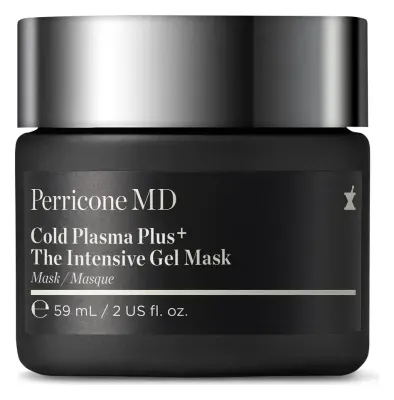
Cream & Gel Treatment Masks (2)

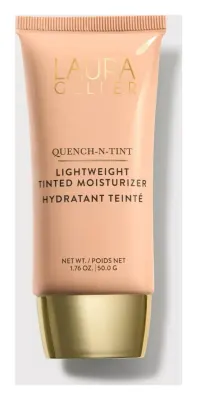
Full-Coverage Camouflage & Liquid Foundations (2)
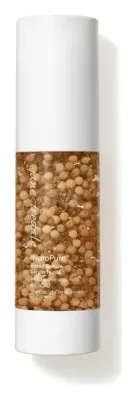
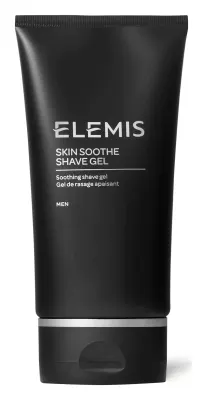
Shaving Creams, Gels & Oils (1)
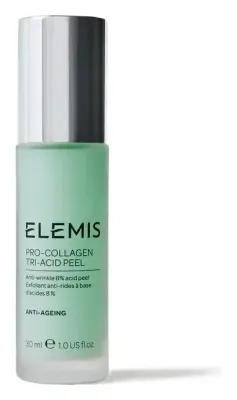
Physical & Enzyme Face Exfoliants (1)
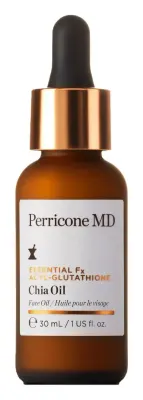
Face Oils & Treatment Oils (1)
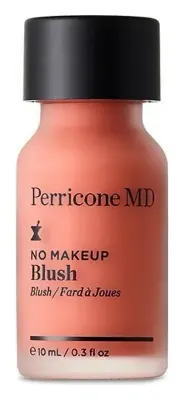
Blush, Bronzers & Highlighters (1)
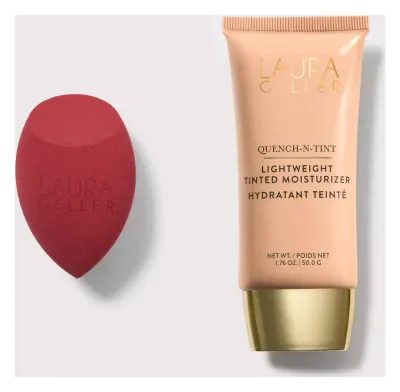
High-Definition Camouflage Concealers (1)
Common questions
What do polysorbates do in skincare?
They help oil-based materials disperse in water-based formulas and can help keep emulsions mixed. That can make a toner or lotion look and feel more uniform.
What is the difference between Polysorbate 20, 60 and 80?
They are related ingredients made with different fatty-acid components. Polysorbate 20 is associated with lauric acid, 60 with stearic acid, and 80 with oleic acid, so they can suit different formula needs.
Can polysorbates contain 1,4-dioxane?
The FDA explains that 1,4-dioxane can occur as a trace manufacturing byproduct in some ethoxylated cosmetic ingredients. It is not an intended ingredient, and manufacturing processes can reduce and control this impurity. New York State also limits 1,4-dioxane in cosmetics.
Are polysorbates bad for your skin?
They are common formula helpers, not exfoliating acids or strong actives. A particular product can still bother an individual, so look at the entire formula if you notice a reaction.