Caprylyl Glycol
How caprylyl glycol hydrates, softens, and helps preserve skincare formulas, plus what its name does and does not mean.
Extremely safeIn 132 products we cover
We may earn a commission when you buy through links on this page. It never changes what we recommend.
Quick facts
- INCI name
- Caprylyl Glycol
- CAS number
- 1117-86-8
- Origin
- Synthetic
- Chemical class
- Glycol (diol)
- What it does in a formula
- humectant, skin conditioning, solvent, preservative booster
- Why it is in the formula
- Usually added as a humectant and skin conditioner, with a secondary role supporting a formula's preservation system.
What it is
Known chemically as 1,2-octanediol, caprylyl glycol is a synthetic diol carrying two alcohol groups along an eight-carbon chain. It functions across cosmetic formulations as a humectant, emollient, and preservative booster. Despite its chemical classification as a diol, it does not act like volatile denatured alcohol or cause the fast-drying sensation associated with astringents.
You can find it in moisturizers, serums, cleansers, and makeup. It is a helper ingredient rather than a headline active. The reason it is included is often a combination of skin conditioning and support for the product’s preservation system. The job depends on the formula, so its presence does not tell you the exact amount or what the product will feel like on your skin.
What it does
- Adds humectant support. It can help bind water in the outer layers of skin and contribute to a hydrated feel.
- Softens the finish. Its skin-conditioning role can help a product feel smoother or less dry after application.
- Supports preservation. In water-based products, it may help a preservative system limit unwanted mold and bacteria. Water can create conditions where microbes grow, especially after a product is opened and used repeatedly. Caprylyl glycol is generally used as one part of a broader system, not a reason to assume a formula can go without suitable preservation.
- Works across product types. It can appear in both leave-on and rinse-off formulas, including products where a soft feel is useful.
Who it suits
Caprylyl glycol is generally considered a well-tolerated cosmetic helper, but any ingredient can bother some people. If you have a known sensitivity or a product repeatedly causes discomfort, stop using it and look at the full formula rather than assuming caprylyl glycol is the cause. A dermatologist can help assess recurring reactions.
Its glycol name can be confusing. It is not a drying alcohol, and you do not need to avoid it solely because you see the word glycol. People who prefer minimal formulas can still choose a product without it, but it is not an active that needs a special tolerance-building schedule. A new product can be patch-tested if you know your skin is reactive.
What to pair it with, and what not to
There is no special ingredient pairing required. It can sit alongside familiar moisturizers and water-based actives as part of a finished formula. The formula still needs an effective preservation system, which may include ingredients such as phenoxyethanol or parabens. For a comparison with a different type of alcohol, see denatured alcohol. You do not need to layer extra products to make caprylyl glycol work.
Skin Realist check: Not every name on the label needs a backstory. Sometimes a supporting role is enough.
Quick picks with Caprylyl Glycol
Scent-free, no patch-test flags on the label
COSRX Low pH Good Morning Gel Cleanser
scent-free label
AmazonBrand lists it for sensitive skin
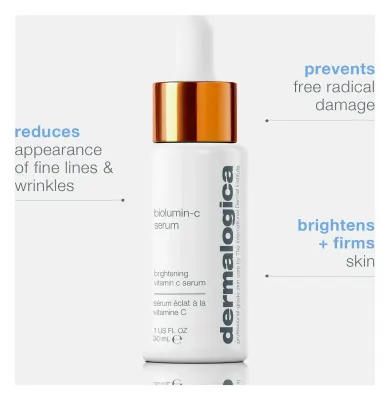
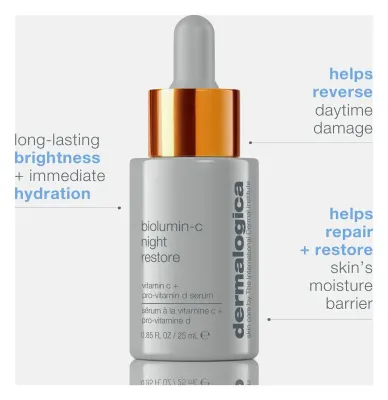
Dermalogica biolumin-c vitamin c serum
Vitamin C · oily, dry, combination, sensitive, normal skin · scented
AmazonBrand lists it for oily skin
Dermalogica dynamic skin retinol serum
Retinoid Complex 3.5% · oily, dry, combination, sensitive, normal skin · scented
Amazon
All 132 products with Caprylyl Glycol
Daily Moisturizers & Water Gel Creams (20)
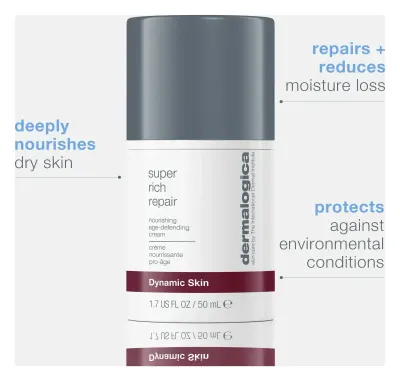 Dermalogica super rich repair moisturizerAmazon
 Sulwhasoo Concentrated Ginseng Rejuvenating CreamAmazon
 Dermalogica biolumin-c vitamin c gel moisturizerAmazon
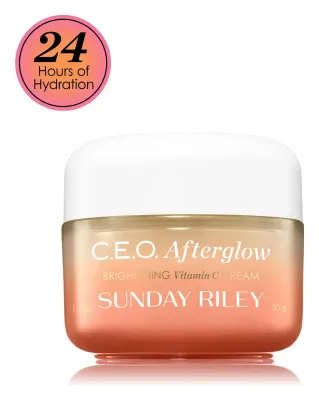 Sunday Riley C.E.O. Afterglow Brightening Vitamin C Gel CreamAmazon
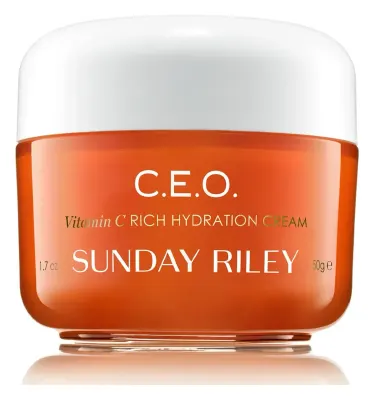 Sunday Riley C.E.O. Vitamin C Rich Hydration CreamAmazon
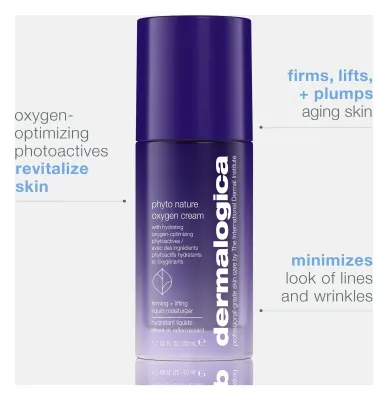 Dermalogica phyto nature oxygen creamAmazon
 Dermalogica skin smoothing cream moisturizerAmazon
 COSRX The Blue Peptide Bakuchiol Plump Bounce CreamAmazon
 Elemis ULTRA SMART Pro-Collagen Day CreamAmazon
 Dermalogica acne biotic moisturizerAmazon
 Perricone MD Cold Plasma Plus+ Advanced Hydrating ComplexAmazon
 Perricone MD Cold Plasma Plus+ Sub-D/NeckAmazon
 Sulwhasoo Concentrated Ginseng Rejuvenating Cream RichAmazon
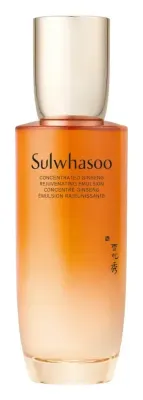 Sulwhasoo Concentrated Ginseng Rejuvenating EmulsionAmazon
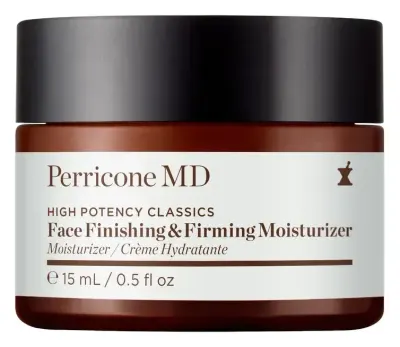 Perricone MD High Potency Classics Face Finishing & Firming MoisturizerAmazon
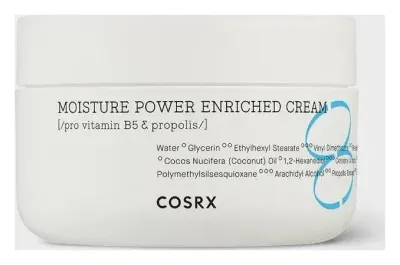 COSRX Hydrium Moisture Power Enriched CreamAmazon
 Perricone MD Neuropeptide Pro-Strength Firming MoisturizerAmazon
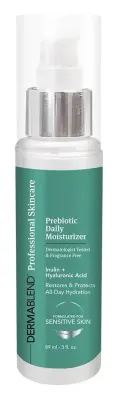 Dermablend Prebiotic Daily MoisturizerAmazon
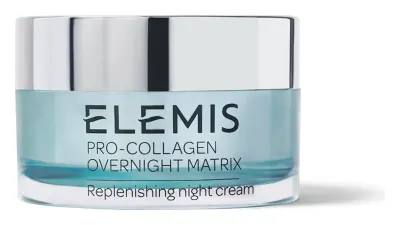 Elemis Pro-Collagen Overnight MatrixAmazon
 Elemis Superfood Glow Priming MoisturiserAmazon
Eye Creams & Under-Eye Patches (15)
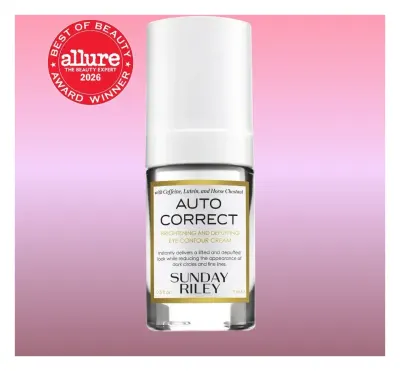 Sunday Riley Auto Correct Brightening + Depuffing Eye CreamAmazon
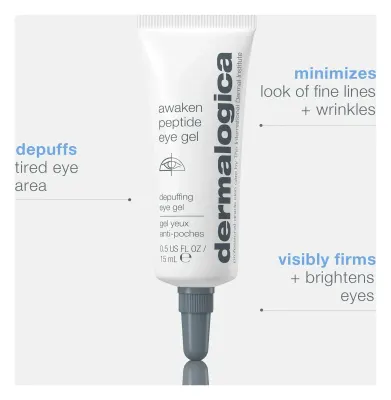 Dermalogica awaken peptide depuffing eye gelAmazon
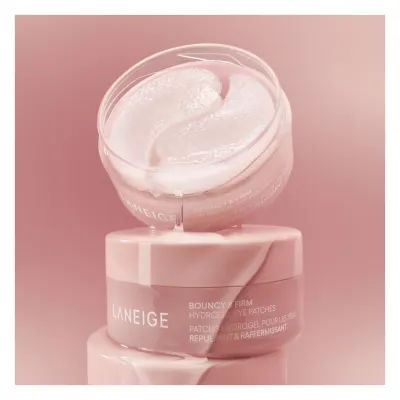 Laneige Bouncy & Firm Hydrogel Eye PatchesAmazon
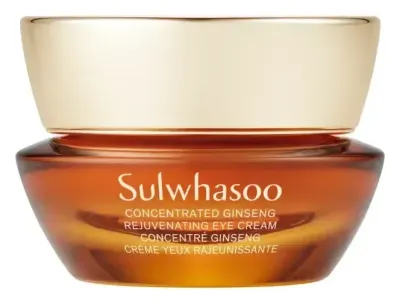 Sulwhasoo Concentrated Ginseng Rejuvenating Eye CreamAmazon
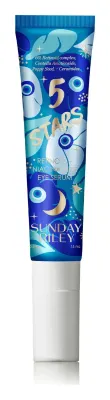 Sunday Riley 5 Stars Retinol + Niacinamide Eye SerumAmazon
 Dermalogica biolumin-c vitamin c eye serumAmazon
 Dermalogica phyto nature lifting eye creamAmazon
 COSRX 5 PDRN Collagen Vitalizing Hydrogel Eye PatchAmazon
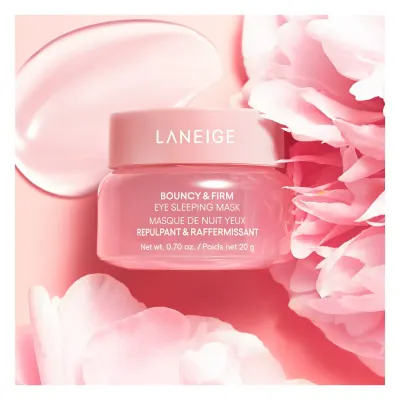 Laneige Bouncy & Firm Eye Sleeping MaskAmazon
 Sulwhasoo First Care Activating Eye SerumAmazon
 Perricone MD High Potency Triple Retinol Renewal Eye SerumAmazon
 Perricone MD Neuropeptide Corrective Brightening Under-Eye CreamAmazon
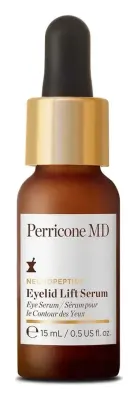 Perricone MD Neuropeptide Eyelid Lift SerumAmazon
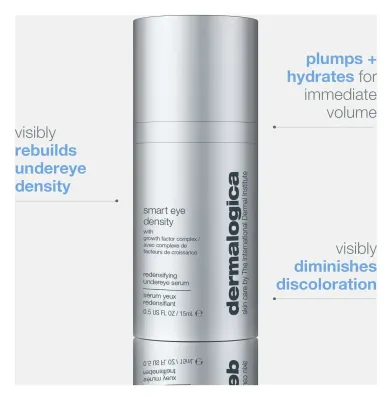 Dermalogica smart eye density undereye serumAmazon
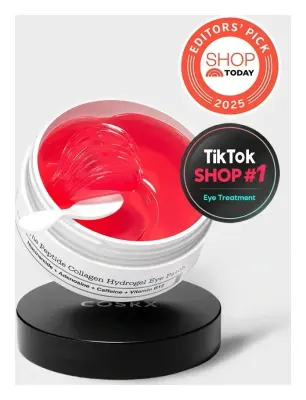 COSRX The Peptide Collagen Hydrogel Eye PatchAmazon
Gel, Foam & Cream Facial Cleansers (11)
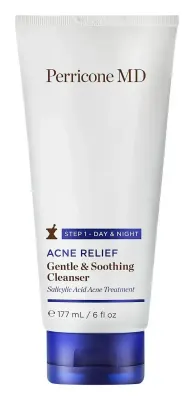 Perricone MD Acne Relief Gentle & Soothing CleanserAmazon
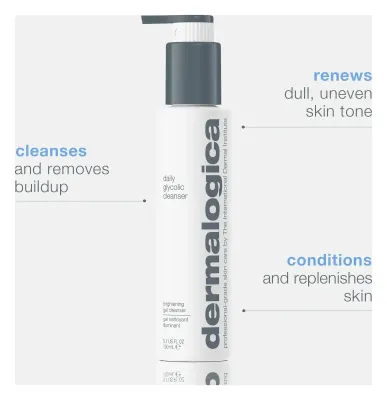 Dermalogica daily glycolic cleanserAmazon
 Elemis Dynamic Resurfacing Facial WashAmazon
 Dermalogica intensive moisture cleanserAmazon
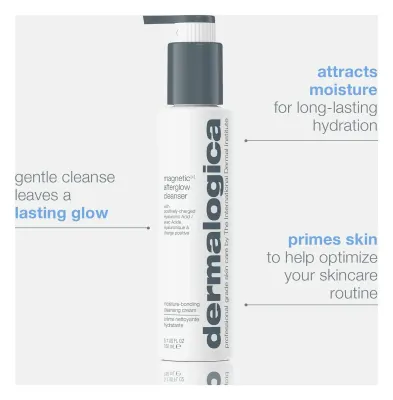 Dermalogica magnetic[+] afterglow cleanserAmazon
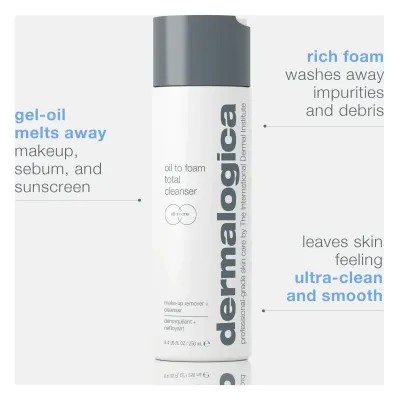 Dermalogica oil to foam total cleanserAmazon
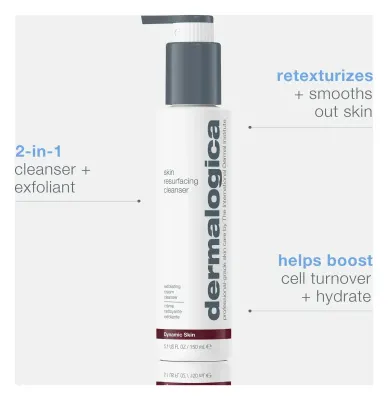 Dermalogica skin resurfacing lactic acid cleanserAmazon
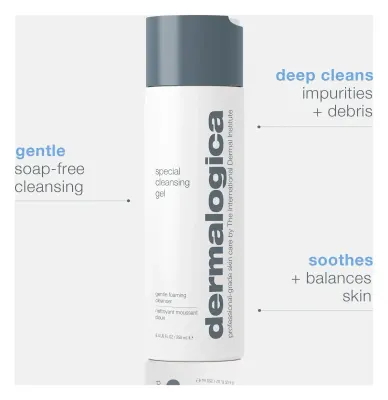 Dermalogica special cleansing gelAmazon
 Sulwhasoo Concentrated Ginseng Rejuvenating Cleansing FoamAmazon
 Perricone MD Neuropeptide Pore-Refining & Resurfacing Cream CleanserAmazon
 Elemis Pro-Collagen Hydrating Cleansing MousseAmazon
Hydrating Serums, Essences & Ampoules (10)
 Laneige Bouncy & Firm SerumAmazon
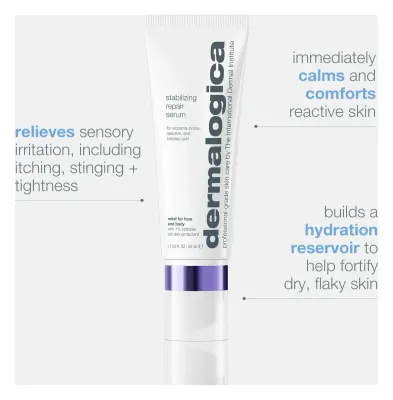 Dermalogica stabilizing repair face + body serumAmazon
 COSRX The 6 Peptide Skin Booster SerumAmazon
 COSRX The Hyaluronic Acid 3 SerumAmazon
 COSRX 5 PDRN Collagen Intense Vitalizing SerumAmazon
 Perricone MD High Potency Hyaluronic Intensive Hydrating SerumAmazon
 Perricone MD High Potency Intensive Smoothing SerumAmazon
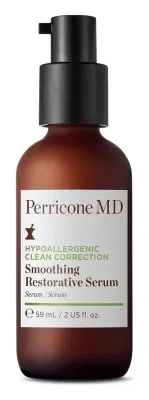 Perricone MD Hypoallergenic Clean Correction Smoothing Restorative SerumAmazon
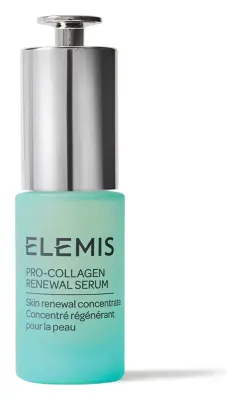 Elemis Pro-Collagen Renewal SerumAmazon
 Elemis ULTRA SMART Pro-Collagen Complex SerumAmazon
Anti-Aging & Retinoid Serums (8)
 Dermalogica dynamic skin retinol serumAmazon
 Sunday Riley A.I. Smart Retinoid SerumAmazon
 Sunday Riley A+ High-Dose Retinoid SerumAmazon
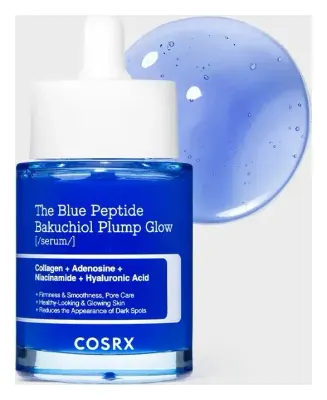 COSRX The Blue Peptide Bakuchiol Plump Glow SerumAmazon
 Sulwhasoo Concentrated Ginseng Rejuvenating SerumAmazon
 Dermalogica futurecode booster damage-correcting longevity serumAmazon
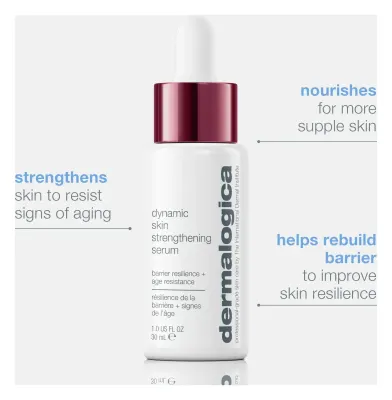 Dermalogica dynamic skin strengthening serumAmazon
 Perricone MD Neuropeptide Firming Facial ConcentrateAmazon
Premium Double-Cleansing Balms & Melting Gels (6)
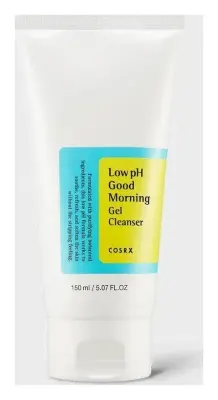 COSRX Low pH Good Morning Gel CleanserAmazon
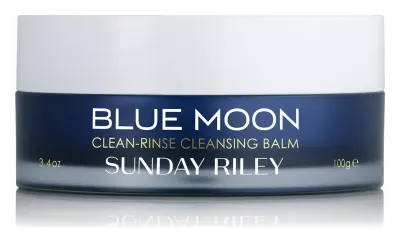 Sunday Riley Blue Moon Clean Rinse Cleansing BalmAmazon
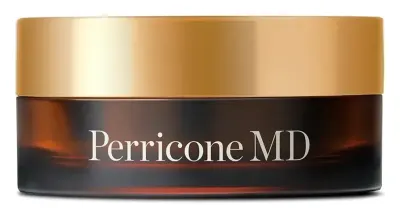 Perricone MD Neuropeptide The Cleansing BalmAmazon
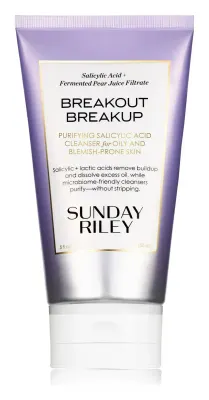 Sunday Riley Breakout Breakup Salicylic Acid CleanserAmazon
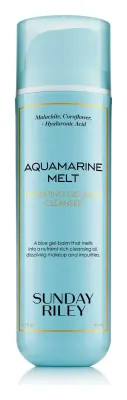 Sunday Riley Aquamarine Melt Hydrating Gel-Balm CleanserAmazon
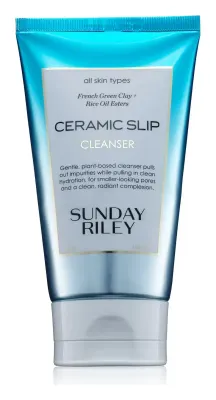 Sunday Riley Ceramic Slip CleanserAmazon
Targeted Vitamin C & Brightening Correctors (5)
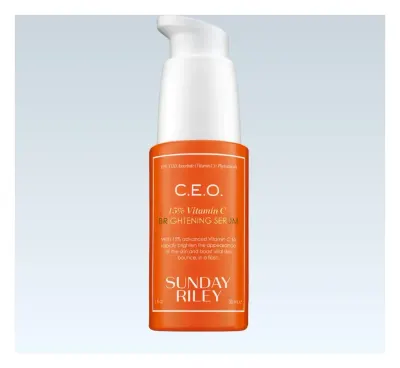


Body Creams, Butters & Body Oils (5)
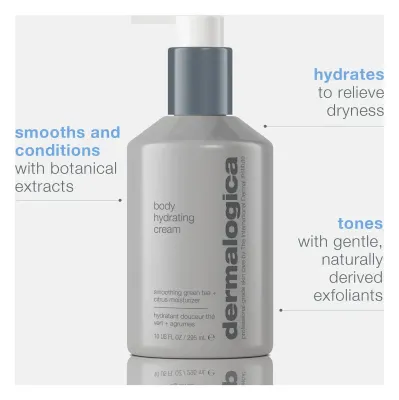
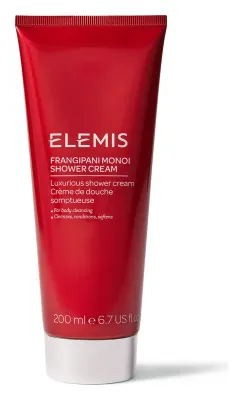
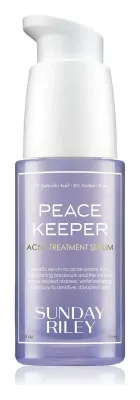
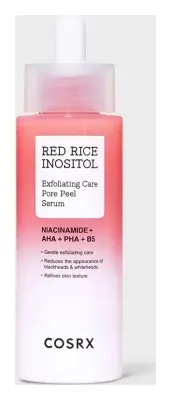
Dermatological Acne & Chemical Exfoliating Liquids (5)
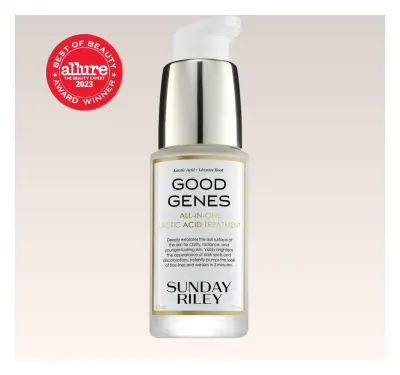
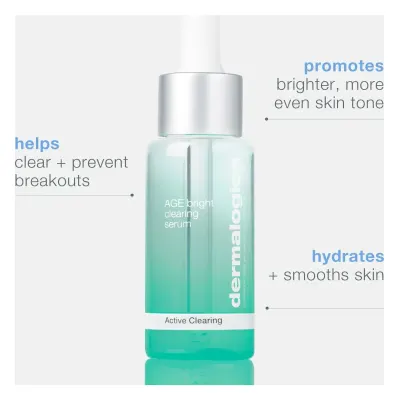

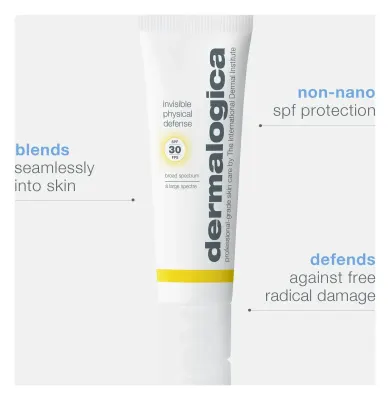
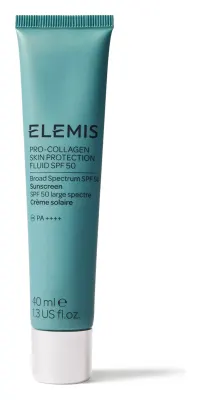
Daily Sunscreens & SPF Moisturizers (5)

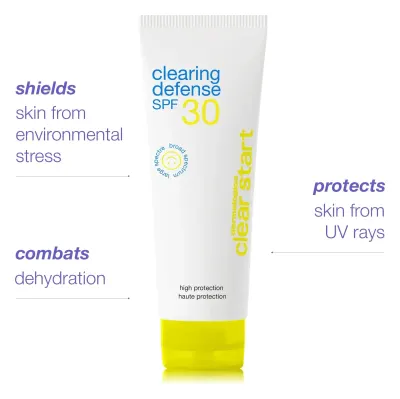
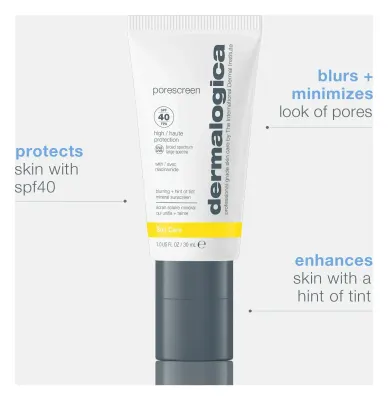
Sheet, Hydrogel & Clay Masks (5)

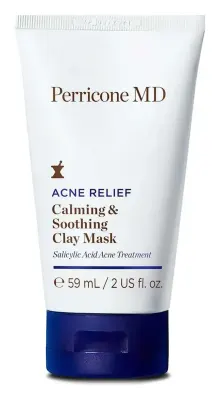
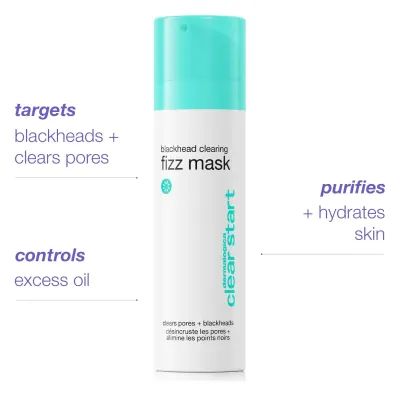


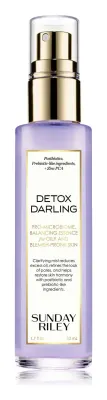
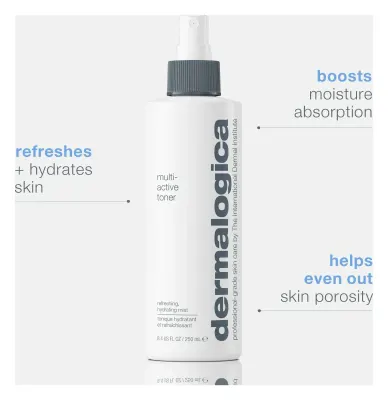
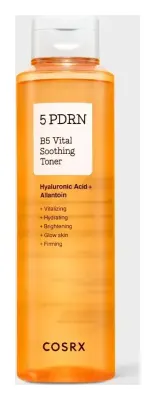
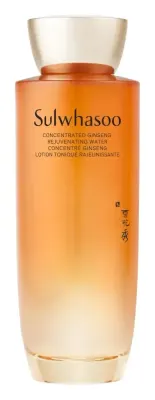
Hydrating Toners, Essence Waters & Face Mists (5)
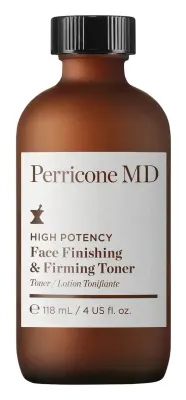
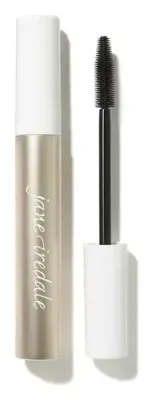
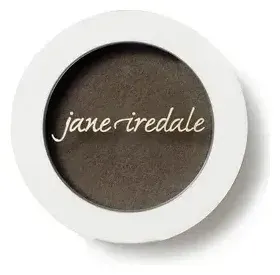
Eye Shadows, Liners, Mascara & Brow Makeup (5)
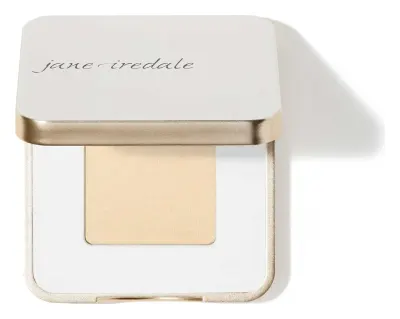
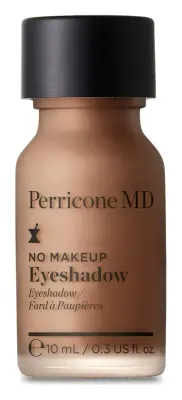
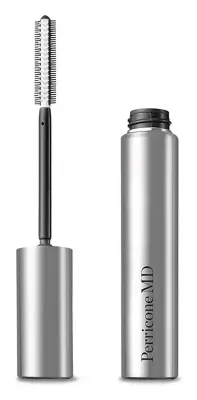
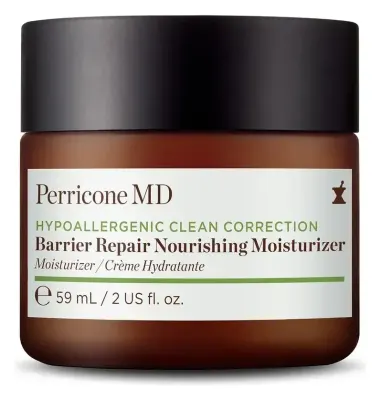
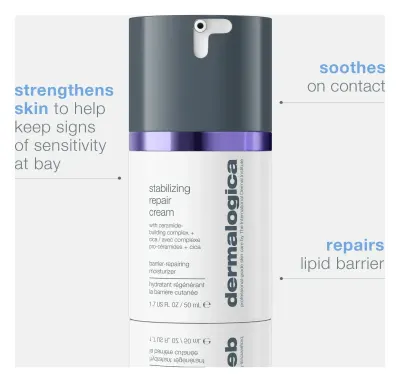
Skin Barrier Repair Creams & Recovery Jars (4)

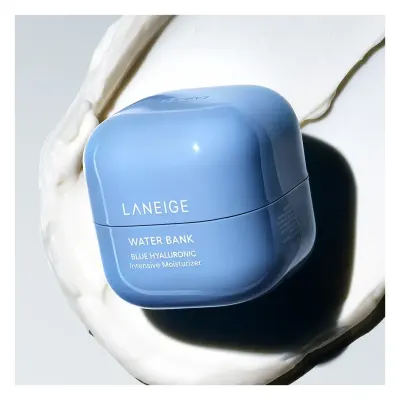
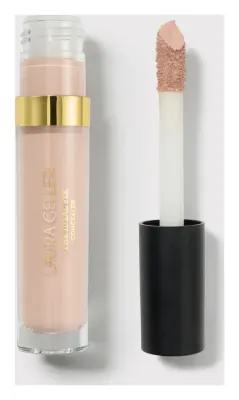
High-Definition Camouflage Concealers (4)
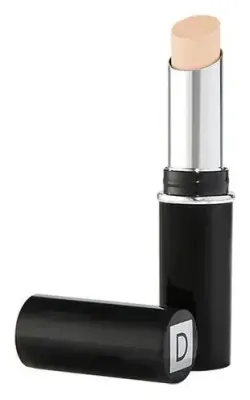
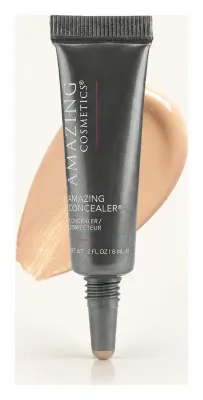
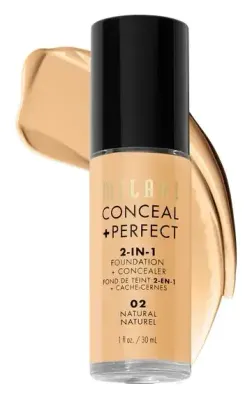
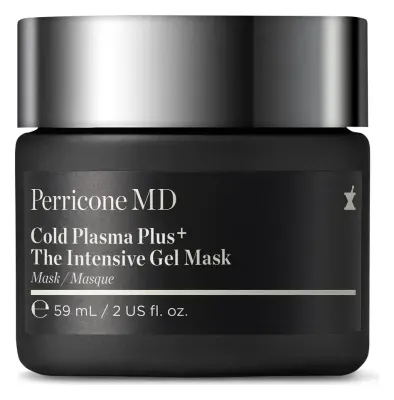
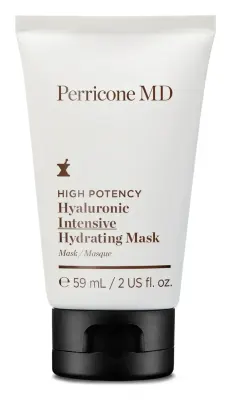
Cream & Gel Treatment Masks (4)


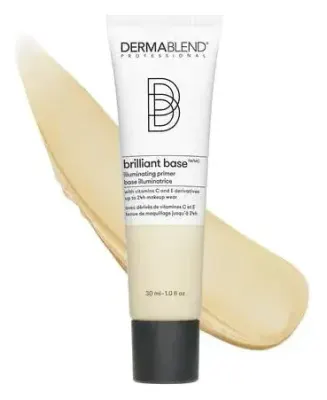
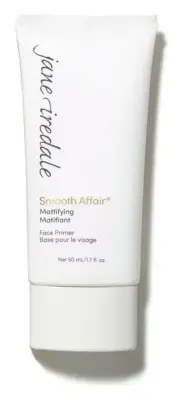
Mineral Pressed Powders & Skin-Nourishing Primers (3)

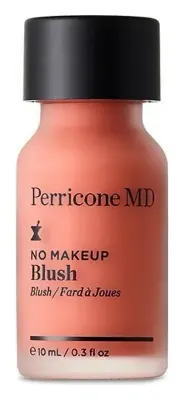
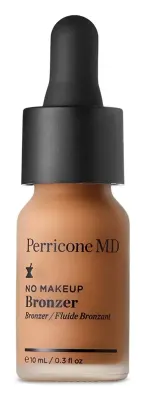
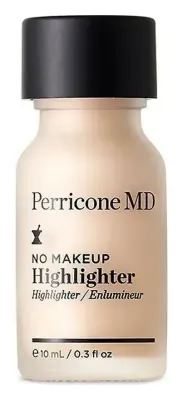
Blush, Bronzers & Highlighters (3)
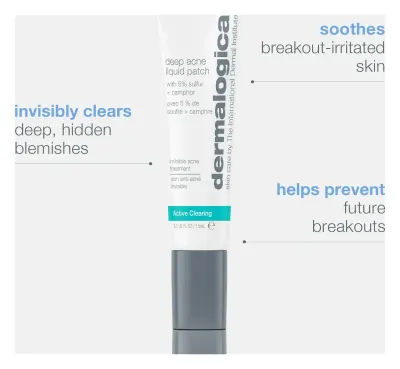
Pimple Patches & Overnight Spot Treatments (2)
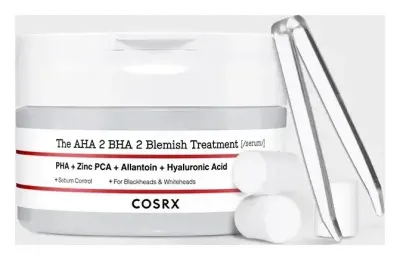
Premium Overnight Recovery Packs & Sleeping Facials (2)


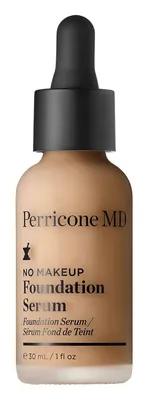
Full-Coverage Camouflage & Liquid Foundations (2)
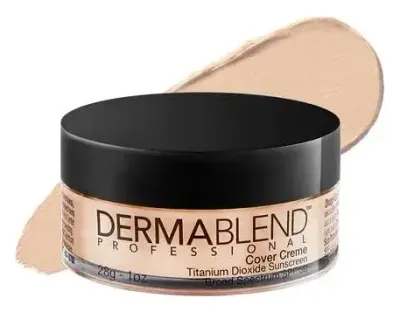
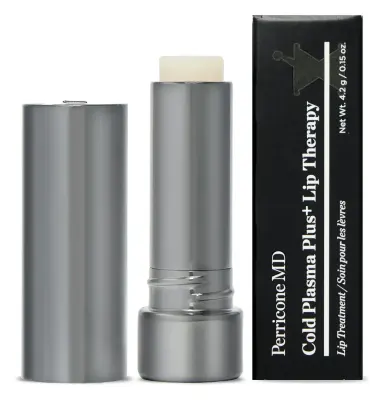
Intensive Lip Recovery Masks & Tinted Balms (1)
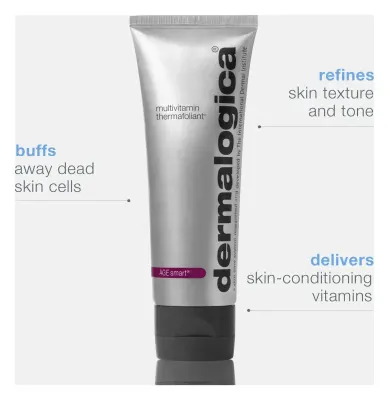
Physical & Enzyme Face Exfoliants (1)
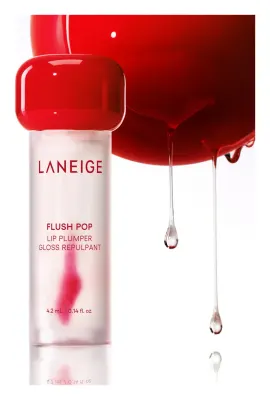
Lipsticks, Glosses & Lip Liners (1)
Common questions
What does caprylyl glycol do in skincare?
It can help attract water to the outer skin and leave a softer feel. It also helps a formula's preservative system work as intended, though it is not always a preservative by itself.
Is caprylyl glycol a drying alcohol?
No. It is a glycol, a type of diol, not the same ingredient category as drying alcohols such as denatured alcohol. Its name does not tell you how an entire product will feel.
Why is caprylyl glycol in my moisturizer?
It can contribute humectant and softening effects while helping support preservation in water-containing formulas. You may also find it in cleansers and other cosmetics.
Can caprylyl glycol replace a preservative?
Not necessarily. It may boost a preservation system, but the finished formula needs an effective system suited to its ingredients, packaging, and use.